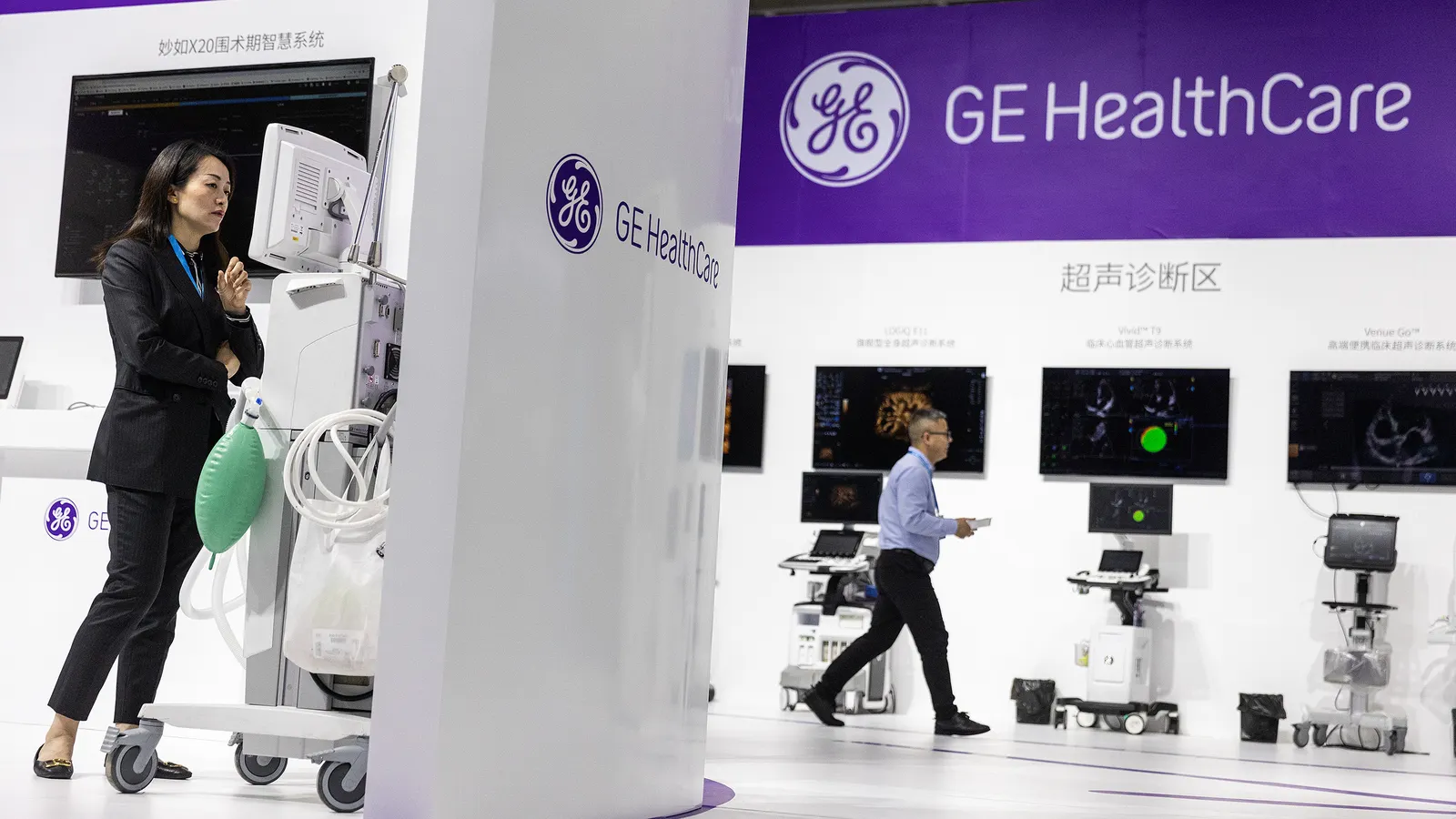
In a move signaling a major shift in how large-scale healthcare providers manage their diagnostic and clinical infrastructure, New York-based Catholic Health has entered into a landmark 10-year strategic partnership with GE HealthCare. This “care alliance,” designed to modernize technology across cardiology, oncology, neurology, and women’s health, represents the latest in a growing trend of long-term, collaborative service models between medical technology giants and major health systems.
By moving away from traditional, fragmented procurement cycles, Catholic Health aims to accelerate the delivery of care, improve diagnostic precision, and streamline operational efficiency. The agreement is not merely a purchase order for hardware; it is an integrated commitment to workforce development, operational consulting, and long-term technological evolution.
Main Facts: The Scope of the Collaboration
The alliance between Catholic Health and GE HealthCare is comprehensive, targeting the modernization of several critical clinical departments. Central to the partnership is the integration of advanced artificial intelligence (AI) directly into imaging equipment.
For the oncology department, the partnership will introduce new imaging technologies equipped with on-device AI capabilities, alongside an expansion of nuclear medicine services at two primary hospitals. The goal is to drastically compress the timeline between initial diagnosis and the commencement of treatment—a critical metric in oncological outcomes.
Furthermore, the initiative addresses the shifting landscape of care delivery by prioritizing ambulatory and outpatient settings. GE HealthCare is slated to install hundreds of ultrasound systems across the Catholic Health network. These systems are intended to bolster clinician confidence at the “point of care,” allowing for high-quality imaging at the patient’s bedside rather than requiring patients to be moved to centralized, specialized imaging suites.
Perhaps most notably, the agreement introduces an embedded cardiovascular scientist—a role GE HealthCare describes as a unique differentiator. This individual will work directly with Catholic Health’s clinical teams, ensuring that physician feedback, patient care requirements, and real-time clinical insights are directly fed back into the technology development and deployment lifecycle.
Chronology: A Pattern of Strategic Alliances
The deal with Catholic Health is the latest chapter in GE HealthCare’s aggressive strategy to pivot its business model toward long-term, high-value service partnerships. Over the past several years, the company has successfully transitioned from a vendor-client relationship to a collaborative partner model.
- The Foundation: GE HealthCare began formalizing these "care alliances" as a primary growth strategy to lock in long-term revenue while providing health systems with predictable capital expenditure models.
- The UC San Diego Pact: A 14-year agreement was established with UC San Diego Health to enable advanced imaging solutions and support the health system’s mission of rapid, tech-enabled clinical expansion.
- The OSF HealthCare Collaboration: In early 2024, GE HealthCare announced a 10-year strategic partnership with OSF HealthCare, focused on comprehensive care solutions and digital health integration.
- The Sutter Health Milestone: Perhaps the most significant public disclosure occurred during an earnings call in February 2025, when GE HealthCare CEO Peter Arduini confirmed a massive seven-year, $1 billion partnership with Sutter Health. This deal serves as a benchmark for the scale and ambition of these alliances.
- Current Day: The Catholic Health agreement follows this established playbook, confirming that the "care alliance" model is now the cornerstone of GE HealthCare’s institutional sales strategy.
Supporting Data: Why Health Systems are Shifting Strategies
The economic rationale for these long-term deals lies in the move from traditional "transactional" procurement—where a hospital buys a machine, depreciates it, and replaces it years later—to a "unitary payment" model.
The Financial Architecture
Under the traditional model, health systems often face "lumpy" capital expenditures (CapEx) that can disrupt annual budgets. By utilizing "unitary payments and accelerators," as cited by GE HealthCare, partners like Catholic Health can better forecast their financial obligations over a decade. This structure spreads costs out, allowing for a steady, predictable upgrade path that avoids the sudden, massive cash outlays associated with replacing entire fleets of imaging hardware.
Operational Efficiency Metrics
- Diagnostic Speed: By integrating AI-assisted imaging, hospitals expect a reduction in "time-to-interpretation," which directly correlates with faster patient throughput.
- Bedside Care: The deployment of hundreds of point-of-care ultrasound devices is intended to reduce patient transfers, lowering the risk of transport-related complications and improving the patient experience.
- Breast Imaging: The initial rollout includes the installation of contrast-enhanced mammography equipment. This technology is expected to enhance early detection rates and increase access to biopsy services, directly addressing healthcare equity in the communities served by Catholic Health.
Official Responses and Strategic Vision
Leadership from both organizations has framed this partnership as a necessary evolution in the face of mounting pressures in the healthcare sector, including labor shortages, rising costs, and the increasing complexity of diagnostic tools.
GE HealthCare’s approach to these alliances is defined by its focus on "people, processes, and technology." By dedicating teams specifically to the Catholic Health account, the company is effectively outsourcing part of the health system’s operational burden. This involves not only installing the machines but also training staff, managing fleet maintenance, and optimizing workflow so that clinicians spend less time troubleshooting equipment and more time with patients.
"Our goal is to integrate our technology into their operations so seamlessly that the technology itself becomes an extension of the clinician’s expertise," noted a representative for the GE HealthCare alliance team. The inclusion of the embedded cardiovascular scientist underscores this: the health system is effectively gaining a consultant who acts as a bridge between the clinical floor and the technology boardroom.

Implications: The Future of Hospital Operations
The rise of these long-term, multi-year alliances suggests a fundamental change in the healthcare industry’s relationship with medical device manufacturers.
1. The Rise of the "Co-Managed" Hospital
As health systems face increasing consolidation, they are finding that managing a diverse, aging fleet of diagnostic equipment is a massive operational tax. By partnering with a single, major provider for a decade, systems like Catholic Health, Sutter, and OSF are essentially outsourcing the "lifecycle management" of their diagnostic infrastructure.
2. The AI Integration Imperative
The focus on AI-enhanced imaging in this deal is a signal of the current market. Hospitals are no longer satisfied with just "clearer pictures"; they require "smarter" diagnostic tools that can assist with triage and clinical decision-making. The ability to push AI updates via software to existing hardware is a primary advantage of these long-term partnerships.
3. Impact on Patient Access
For patients, the implications are largely positive. The focus on maternal-infant care monitoring, contrast-enhanced mammography, and bedside ultrasound suggests that the alliance will prioritize high-volume, high-need areas of medicine. By upgrading these specific services, Catholic Health is positioning itself to handle higher patient volumes with greater diagnostic accuracy.
4. Market Consolidation
While these deals provide stability for health systems, they also effectively "lock out" smaller, specialized competitors for a decade. Once a health system enters a 10-year alliance with a major player like GE HealthCare, the barrier to entry for other imaging providers becomes significantly higher, leading to a more consolidated market where only the largest, most well-capitalized firms can compete.
Conclusion
The 10-year alliance between Catholic Health and GE HealthCare is a blueprint for the future of the hospital-vendor relationship. By prioritizing clinical integration, AI-driven diagnostics, and predictable long-term financing, the partners are attempting to solve the dual challenges of operational inefficiency and the rapid pace of technological change. As this model continues to gain traction across the United States, the healthcare industry may see a permanent departure from the transactional procurement of the past, replaced by a new era of deep, strategic, and long-term technological integration.