





As the calendar turns to April, we mark Stress Awareness Month—a vital reminder for the millions of individuals navigating the complexities of the "Sandwich Generation." These are the dedicated souls balancing the emotional and physical demands of caring for aging parents while simultaneously raising their own children. For these caregivers, "free time" is often a luxury, yet the necessity for mental health support has never been greater.
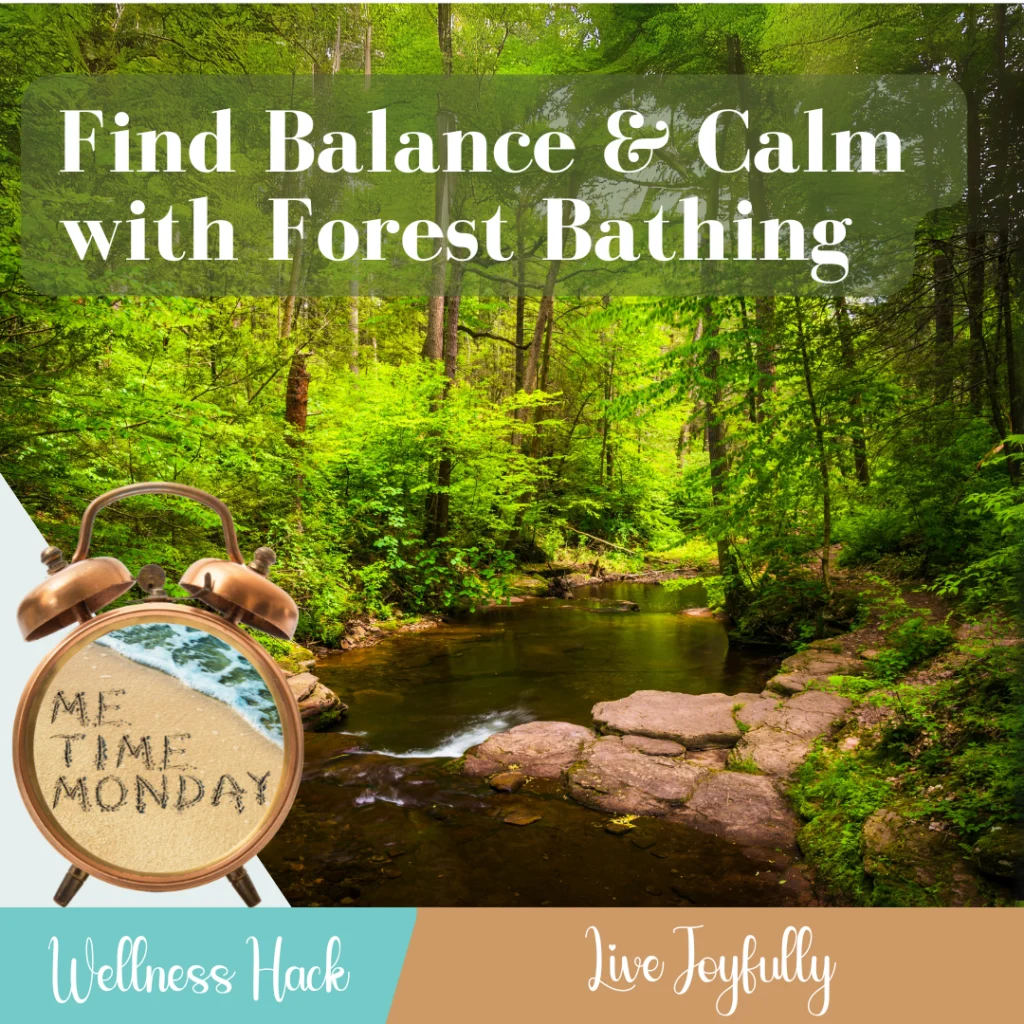
Drawing from the principles outlined in the Me Time Monday philosophy, we understand that brain health and longevity are deeply rooted in the stimulation of our five senses. The challenge, however, is integrating this wellness into a life already stretched thin. The solution lies in the "7-Minute Hack"—a commitment to brief, intentional sensory engagement that yields profound results for mental and physical well-being.
The Science of Sensory Wellness
The core tenet of Me Time Monday is that self-care does not require an hour-long yoga session or a weekend retreat. Instead, it relies on the neuroscience of the five senses. By consciously engaging sight, sound, touch, taste, and smell in short, targeted bursts, caregivers can trigger the parasympathetic nervous system, effectively lowering cortisol levels and mitigating the chronic stress associated with caregiving.

This month, we are mapping these sensory experiences to national observances to provide a roadmap for the Sandwich Generation to find balance, reduce inflammation, and foster long-term cognitive health.
Chronology of Care: An April Wellness Calendar
April 1: National Walking Day and the Power of Visual Engagement
Walking is often viewed as mere exercise, but when practiced with mindfulness, it becomes a powerful stress-reliever. On National Walking Day, we encourage you to step outside for just seven minutes. However, this is not a power walk; it is an exercise in visual perception.
Research indicates that seven minutes of walking in nature is equivalent to 20 minutes on a treadmill in a sterile indoor environment. This outdoor engagement significantly decreases oxidative stress, which is a precursor to systemic inflammation. As you walk, shift your focus from your feet to your eyes. Actively scan the environment—the textures of bark, the movement of leaves, the interplay of light and shadow. By focusing on external stimuli, you effectively "reset" the brain, clearing the cognitive clutter that accumulates during high-stress caregiving days.

Mid-Month: National Humor Month and the Social Bond
Social wellness is perhaps the most neglected pillar of health for the Sandwich Generation. National Humor Month serves as a reminder to flex your "social muscle."
Laughter is an ancient biological ritual, designed to foster trust and social bonding. When shared in person, laughter triggers the release of oxytocin—the "love and bonding" hormone—which serves as a potent antidote to the isolation often felt by caregivers. The Harvard Adult Development Study, which has tracked participants for over 85 years, confirms that the quality of our relationships is the primary predictor of health, happiness, and longevity. If you are feeling the weight of your responsibilities, prioritize a belly laugh with a friend. It is not just an escape; it is a clinical intervention for your emotional health.
Ongoing: National Healthy Home Month and Cognitive Nutrition
Your environment and your diet are foundational to your stress response. Green is the most optimistic color for the human brain; it is associated with safety and food abundance. For aging eyes, green is also the most visible and longest-lasting color in the spectrum.

In honor of National Healthy Home Month, we advocate for the consumption of the avocado. Often mistaken for a vegetable, the avocado is actually a nutrient-dense berry. Beyond its physical benefits, avocados serve as a "guacamole Rx" for the eyes. They are rich in lutein and zeaxanthin, which help block the harmful blue light emitted by our ubiquitous digital devices. Keeping a bowl of avocados on your counter serves as both "eye candy" and a convenient, healthy snack that supports long-term ocular health.
April 26: National Get Organized Day
Clutter is not just a nuisance; it is a source of biological stress. Our brains are hardwired to perceive disorganized, chaotic environments as potential threats to safety. If you cannot see your workspace clearly, your brain remains in a state of low-level, chronic "danger" alert.
National Get Organized Day is the perfect time to engage in targeted "spring cleaning." Decluttering is a psychological act of reclaiming control. By organizing your physical space, you signal to your brain that the environment is secure, thereby lowering your cortisol response and freeing up mental bandwidth for the tasks that truly matter.

April 30: National Sense of Smell Day
The final day of the month focuses on our most primal sense. Indoor air quality is a significant, often overlooked, determinant of health. Over the course of a year, the average home accumulates nearly 40 pounds of dust and airborne toxins.
NASA research has identified five specific houseplants that act as natural air filters: the Areca Palm, Aloe Vera, Bamboo, English Ivy, and the Spider Plant. Integrating these into your home environment is a simple, low-cost way to improve the quality of the air you breathe, ultimately supporting your respiratory and neurological health.
Supporting Data: The Neuroscience of Balance
The efficacy of these hacks is grounded in robust research. When caregivers engage in these seven-minute sensory exercises, they are not merely "taking a break." They are performing a neurological intervention.

- Nature vs. Treadmill: Studies confirm that outdoor green space interaction reduces oxidative stress more effectively than indoor exercise. This is attributed to the "biophilia effect"—the innate human instinct to connect with nature.
- Oxytocin and Longevity: The Harvard Adult Development Study’s findings on social connection underscore that the "quantity" of hours spent caregiving is less important than the "quality" of connections maintained outside of those roles.
- Blue Light and Ocular Health: Increased screen time (common in modern caregiving coordination) leads to eye strain and sleep disruption. The antioxidants in avocados help combat the physiological stress induced by digital device usage.
Official Responses and Expert Advocacy
The Caregiving Club and other advocates for the Sandwich Generation emphasize that the barrier to self-care is often the "all-or-nothing" mentality. Many caregivers believe that if they cannot find two hours for themselves, their efforts at self-care are futile.
"The seven-minute hack is about breaking the paralysis of perfectionism," says the team at the Caregiving Club. "When you are responsible for the health of another, you often put your own at the bottom of the list. Our goal is to make wellness accessible, manageable, and science-backed."
Professional caregivers and gerontologists increasingly support this model, noting that caregiver burnout is a leading cause of premature institutionalization of the elderly. By keeping the caregiver healthy through these micro-habits, the longevity and quality of care for the dependent family member are also significantly improved.

Implications for the Sandwich Generation
The implications of adopting these sensory-based wellness habits are far-reaching. For the Sandwich Generation, the challenge is not just surviving the day but maintaining the stamina to continue their duties over the long term.
- Preventative Health: Reducing inflammation through walking and diet decreases the risk of chronic diseases such as heart disease and diabetes.
- Cognitive Preservation: Decluttering and sensory engagement help maintain neuroplasticity, which is essential for aging well.
- Emotional Resilience: Prioritizing laughter and social connection prevents the "compassion fatigue" that often leads to caregiver depression.
Conclusion: Starting Your Journey
Self-care is not an indulgence; it is a prerequisite for effective caregiving. As we celebrate Stress Awareness Month, we invite you to move beyond the traditional advice of "just take a break." Instead, view your health through the lens of neuroscience.
Whether it is a seven-minute walk to reset your visual field, a laugh with a friend to boost your oxytocin, or simply bringing a spider plant into your office to purify your air, these small steps create a cumulative effect of resilience. We encourage all caregivers to visit our YouTube channel for our "Self-Care in 7 Minutes" video series, where we deep-dive into the practical application of these strategies.

Remember, balance is the key to longevity. Your health, your happiness, and your ability to care for your loved ones depend on the intentional, albeit brief, moments you take for yourself. Start today—you have seven minutes.