


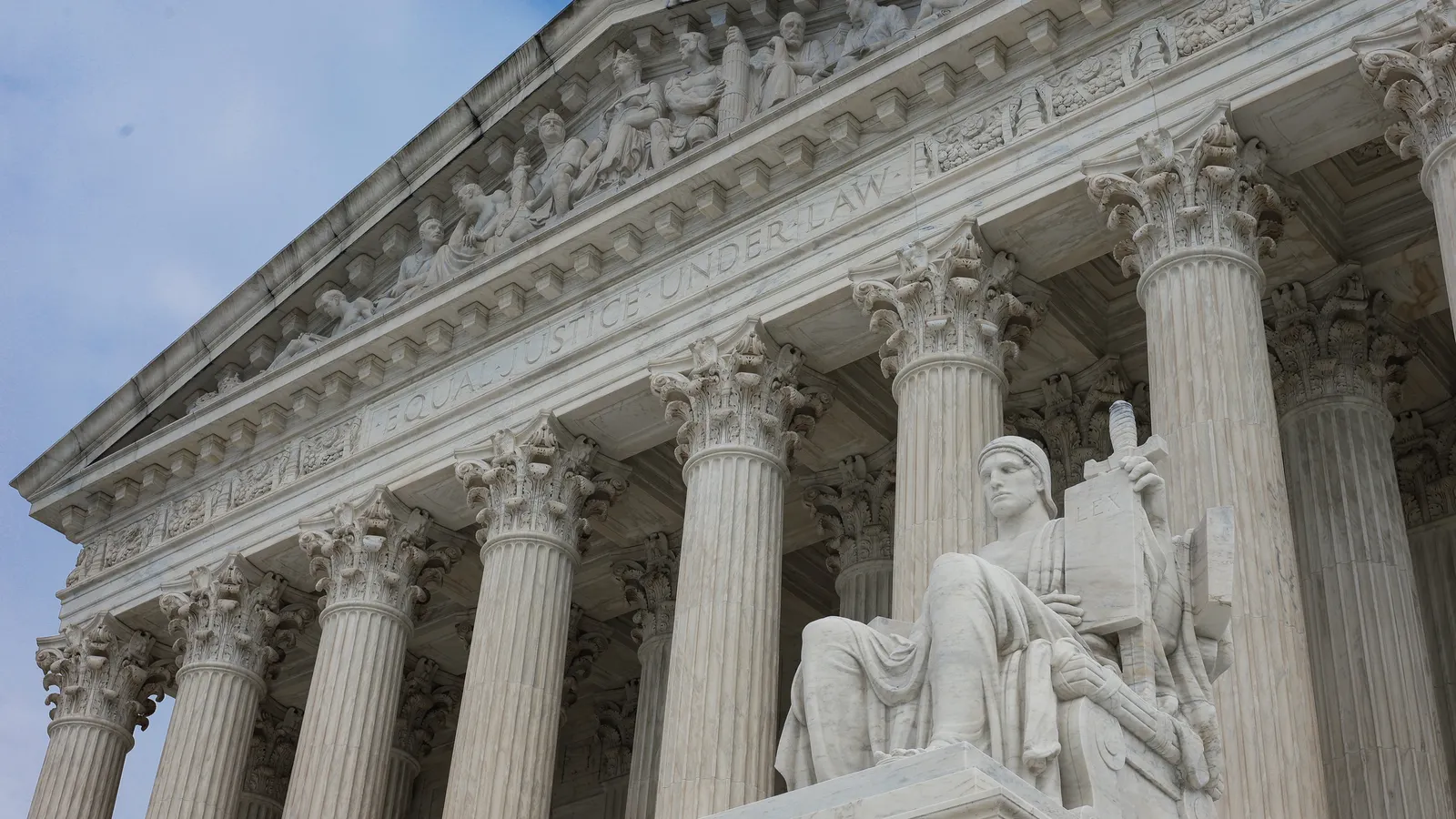
In a unanimous 9-0 decision delivered on June 4, 2026, the U.S. Supreme Court provided a decisive victory for the generic pharmaceutical industry, ruling that Hikma Pharmaceuticals did not infringe upon Amarin’s patents when marketing its generic version of the heart drug Vascepa. The ruling serves as a massive safeguard for the practice of “skinny labeling,” a regulatory pathway that allows generic manufacturers to bring affordable alternatives to market while carving out specific, patent-protected indications from their product labels.
The case, which was closely watched by legal experts, patient advocacy groups, and the pharmaceutical industry, centers on the balance between rewarding innovation through patent protection and fostering market competition to lower drug prices. By narrowing the definition of “induced infringement,” the high court has significantly altered the landscape of intellectual property litigation in the biopharma sector.
The Core Dispute: Vascepa and the “Skinny Label”
At the heart of the litigation was Vascepa (icosapent ethyl), a prescription-grade, highly purified fish oil derivative. Initially approved by the Food and Drug Administration (FDA) in 2012 to lower triglyceride levels, the drug later secured a second, critical approval in 2019. This expansion allowed the drug to be marketed as an add-on therapy to statins for reducing the risk of heart attacks and strokes in patients with elevated cardiovascular risk.
While Amarin held patents covering the cardiovascular risk reduction indication, the initial triglyceride-lowering indication had lost its patent exclusivity. When Hikma Pharmaceuticals prepared to launch its generic version in 2023, it utilized the “skinny label” strategy. This FDA-sanctioned approach allowed Hikma to market its product for the triglyceride indication while omitting the protected cardiovascular risk reduction label.
Amarin argued that because the drug was still being prescribed for the heart-protection purpose—despite the label omission—Hikma was effectively "inducing" doctors and patients to infringe on its remaining patents. Amarin contended that Hikma’s marketing practices and failure to explicitly discourage off-label use constituted an infringement.
Chronology of the Legal Battle
The legal journey of Amarin v. Hikma highlights the volatility of patent law in the pharmaceutical sector:
- 2012-2019: Amarin secures two distinct FDA approvals for Vascepa, effectively extending its market dominance through sequential patent filings.
- 2023: Hikma Pharmaceuticals enters the market with a generic version of icosapent ethyl, explicitly stating the drug is intended solely for the triglyceride indication.
- 2023-2024: Amarin files suit in a Delaware district court, alleging that Hikma is inducing infringement of its cardiovascular risk-reduction patents.
- Mid-2024: The Delaware district court dismisses the case, finding no evidence that Hikma actively encouraged the use of the drug for protected indications.
- Late 2024-2025: An appellate court overturns the dismissal, creating legal uncertainty and forcing the case to the Supreme Court’s doorstep.
- June 4, 2026: The Supreme Court issues a unanimous ruling in favor of Hikma, asserting that the company’s actions did not meet the high threshold for "induced infringement."
Supporting Data and Financial Stakes
The financial implications of this ruling are profound. For Amarin, a company whose business model relies almost entirely on the commercial success of Vascepa, the loss is a significant blow. In its 2025 financial disclosures, Amarin reported total sales, licensing, and royalty revenue of $214 million—a figure that has been under pressure due to the entry of generic competitors.
Conversely, the ruling provides a stable roadmap for the generic industry. Data from the Association for Accessible Medicines suggests that generic drugs account for over 90% of prescriptions filled in the U.S. and are essential in curbing the rising cost of healthcare. By affirming that generic makers are not legally responsible for every off-label use of their products, the Supreme Court has removed a major barrier that pharmaceutical companies have historically used to delay the entry of lower-cost competitors.
The "Inducement" Standard: Legal Implications
The most significant aspect of the ruling is how the Supreme Court redefined the requirements for "induced infringement." To prove inducement, a patent holder must show that the defendant took affirmative steps to encourage infringement.
Writing for the court, the justices emphasized that actions required by federal law—such as the FDA’s labeling requirements—cannot be used as evidence of malicious intent to infringe. Furthermore, the court found that generic manufacturers are not obligated to proactively police the behavior of physicians who may prescribe their drugs for off-label purposes.

Randy McCarthy, head of intellectual property law at the firm Hall Estill, noted that the ruling creates a much-needed "bright-line test."
“For years, we have seen a trend in lower courts where the standard for inducement was becoming increasingly murky and permissive,” McCarthy stated. “By tightening these requirements, the Supreme Court has signaled that a generic manufacturer’s compliance with FDA-mandated skinny labeling is a robust defense against patent infringement claims. This will likely discourage brand-name drug manufacturers from using litigation as a tool to stall competition.”
Official Responses and Industry Reaction
Following the ruling, Hikma Pharmaceuticals expressed relief, viewing the decision as a validation of the regulatory processes that support generic drug access. “This is a win for patients who rely on affordable medication,” a company spokesperson noted. “The court has recognized that generic companies acting in good faith within the regulatory framework should not be subject to endless litigation designed to stifle market competition.”
Amarin, however, has expressed disappointment, maintaining that its intellectual property rights were essential to the continued development of the drug. In a brief statement, the company noted that it is currently reviewing the decision to determine its next steps regarding its remaining patent portfolio.
Industry analysts suggest that this ruling could lead to a wave of "patent cliff" restructuring. With the threat of lawsuits regarding skinny labels now significantly diminished, generic companies may feel more emboldened to challenge other blockbuster drugs nearing their patent expirations.

Broader Impact on the Pharmaceutical Market
The Supreme Court’s decision is expected to have a ripple effect across the healthcare ecosystem:
- Lower Drug Costs: With a clearer path for skinny labeling, consumers can expect faster access to generic versions of complex drugs, which typically enter the market at a fraction of the cost of branded originals.
- Litigation Strategy: Brand-name drug companies may shift their legal strategies away from "induced infringement" claims, focusing instead on other areas of patent protection, such as manufacturing processes or secondary use patents, though these are often harder to enforce against generic entrants.
- FDA Regulatory Power: The decision reinforces the FDA’s role as the primary arbiter of drug labels. By acknowledging that skinny labels are an intentional and legal regulatory tool, the Court has curtailed the ability of courts to undermine the FDA’s authority through private patent litigation.
Conclusion
The Amarin v. Hikma decision marks a turning point in the ongoing tension between pharmaceutical innovation and market accessibility. By siding with the generic manufacturer, the Supreme Court has clarified that the legal burden of "induced infringement" is not easily met, especially when a generic company is operating within the strict confines of FDA-approved labeling.
For the pharmaceutical industry, the ruling provides a level of certainty that has been absent for years. For patients, the message is one of hope: as the legal barriers to generic competition are dismantled, the promise of more affordable, accessible treatment options moves closer to reality. While the battle over drug pricing will undoubtedly continue in the halls of Congress and the laboratory, the courtroom has provided a clear, decisive victory for the proponents of generic medicine.