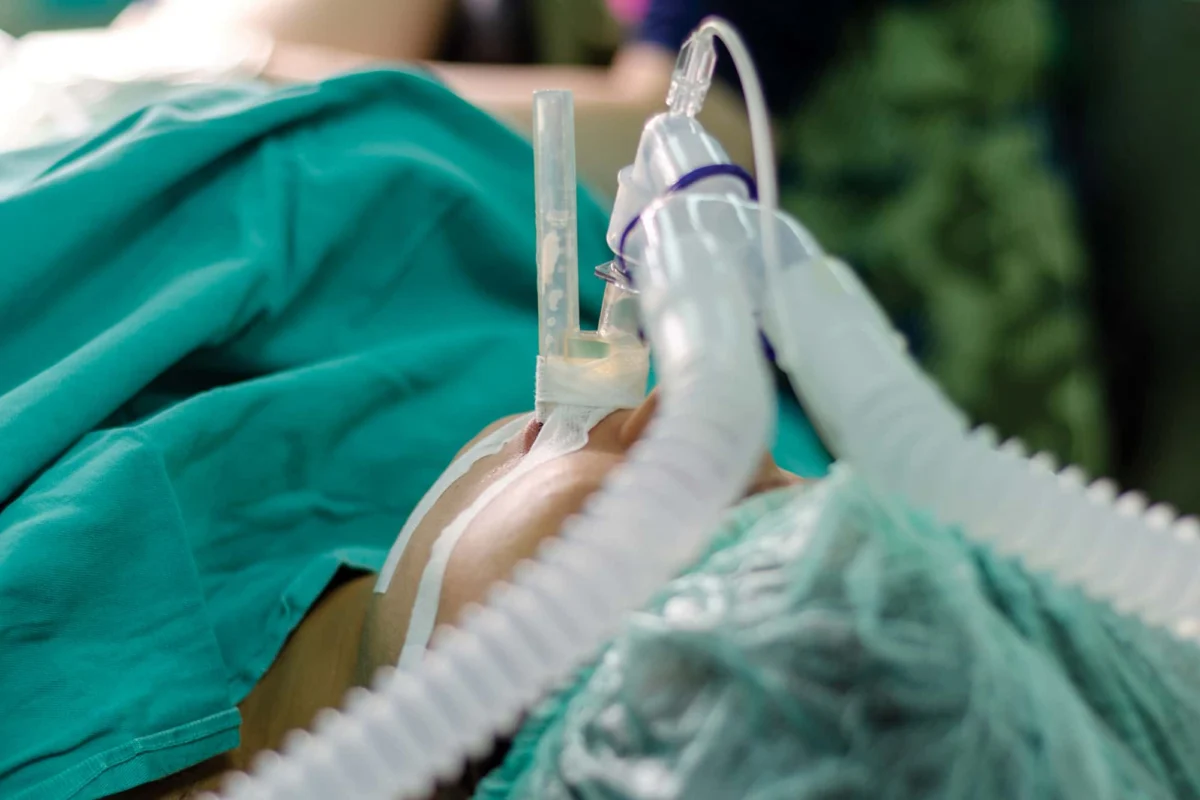
In the high-stakes environment of an Intensive Care Unit (ICU), few events are as clinically precarious as an unplanned extubation (UE). When a patient on a ventilator removes their own endotracheal tube—or it is accidentally dislodged—the consequences can be catastrophic, ranging from airway trauma and hypoxemia to the necessity of emergency reintubation. For the team at St. Joseph’s University Medical Center in Paterson, New Jersey, a spike in these events in 2018 served as a clarion call for systemic change.
A recent study published in Critical Care Nurse details how a nurse-led initiative successfully reversed an alarming upward trend in UE rates, maintaining a sustained improvement for five consecutive years. This transformation offers a blueprint for hospitals nationwide on how to integrate evidence-based protocols, interprofessional collaboration, and a culture of vigilance to protect the most vulnerable patients.
The Crisis: A Statistical Turning Point
By the final quarter of 2018, the 28-bed adult medical intensive care unit (MICU) at St. Joseph’s reached a critical juncture. The rate of unplanned extubations had climbed to 2.0 per 100 ventilator days. This figure was not merely a clinical concern; it was nearly double the unit’s internal benchmark of 1.06, signaling that existing safety nets were failing to capture high-risk patients.
Unplanned extubations are rarely the result of a single error. They are complex events often triggered by patient agitation, inadequate sedation, or a lack of situational awareness regarding the patient’s physical state. Recognizing that the status quo was unsustainable, leadership in the MICU mobilized a specialized team to dissect the root causes and implement a multi-layered defense strategy.
Chronology of Intervention: From Analysis to Culture Shift
The transformation at St. Joseph’s did not happen overnight. It was the result of a rigorous, phased approach led by Advanced Practice Nurse Alyson Triolo and Nurse Manager Jennifer Ricker.
Phase 1: Risk Stratification and Assessment (2018–2019)
The team began by developing a three-level algorithm designed to categorize patients based on their risk for self-extubation. By identifying "high-risk moments"—such as during physical therapy, hygiene care, or periods of weaning—nurses were able to apply targeted surveillance. This algorithm became the backbone of the initiative, moving staff from reactive care to proactive prevention.
Phase 2: Structural and Environmental Integration (2019–2020)
The team overhauled the MICU environment to make safety information inescapable. This included:
- Visual Signaling: High-risk status for patients was communicated through clear signage outside patient rooms, acting as an immediate alert for any staff member entering the area.
- Handoff Protocols: Standardized communication tools were updated to include UE risk status in every shift change and interprofessional report, ensuring continuity of care.
- Family Education: Recognizing that families are often the first to notice agitation, the team created specific talking points for clinicians to teach relatives how to identify the signs of a patient attempting to pull at their tube and how to call for immediate assistance.
Phase 3: Sustained Clinical Rigor (2020–2023)
The initiative evolved into a cultural standard. The team implemented daily rounds led by nurse leaders specifically focusing on ventilated patients. Furthermore, they streamlined the weaning process. By optimizing spontaneous awakening and breathing trials, the team ensured that patients were liberated from mechanical ventilation as soon as they were medically ready, effectively removing the "threat" of the endotracheal tube by removing the tube itself.
Supporting Data: The Impact of Evidence-Based Practice
The results of this five-year longitudinal study are compelling. By the end of the observation period in 2023, the MICU had successfully driven the rate of unplanned extubations down to below 0.7 per 100 ventilator days—a significant reduction from the 2018 peak.
One of the most striking findings in the data involves the use of restraints. During the study, 343 unplanned extubations were recorded. Of those, 251 occurred in patients who were in some form of restraint, suggesting that restraints alone are insufficient to prevent self-extubation. However, a closer look at the data revealed a massive disparity: only 12 of those events involved patients using mitten restraints. This insight led to a policy shift prioritizing the use of mittens over traditional wrist restraints, which often cause agitation in confused patients.
Furthermore, the data highlighted the success of timely liberation. Out of the 343 events, only 24% of patients required reintubation. This low percentage underscores that when the clinical team is focused on liberation, the patient is often already near the point of readiness to breathe on their own, further validating the team’s emphasis on aggressive weaning trials.
Official Responses: Insights from Leadership
The success of the initiative, according to those who spearheaded it, rests on the transition from viewing an unplanned extubation as an individual error to viewing it as a system-wide learning opportunity.
"Our three-level algorithm of associated risk factors helped us identify which patients were at the highest risk for unplanned extubation, as well as the high-risk moments that may trigger an attempt to self-extubate," said Alyson Triolo. "We also revised our standards of care for all patients receiving mechanical ventilation to mitigate ongoing risk factors and reinforce prevention."
The initiative transformed the MICU into a high-reliability unit. Jennifer Ricker noted that the intervention was successful because it was not an "add-on" task, but an integration into the daily workflow. "The focus on proper patient assessment for unplanned extubation risk has become ingrained in the unit’s culture, and the signs are now a visible part of the environment," Ricker stated. "This initiative integrated evidence-based interventions, communication, teamwork, and education to foster a culture of safety throughout the care we provide."
The team utilized post-event huddles and feedback forms as a standard response to every incident. This continuous feedback loop ensured that the clinical staff felt supported rather than blamed, encouraging transparency and rapid improvement.
Implications for Critical Care Nursing
The St. Joseph’s model provides several critical takeaways for healthcare facilities globally:
1. The Power of Interprofessional Collaboration
The project team was not limited to nurses. It included respiratory therapists, intensivists, and safety improvement coordinators. This diversity of expertise ensured that the protocols addressed the physical, pharmacological, and environmental factors contributing to UE.
2. Standardizing the "Handoff"
Communication failures are a leading cause of medical errors. By embedding UE risk status into every handoff, the St. Joseph’s team ensured that every nurse, doctor, or therapist entering the room was aware of the patient’s specific vulnerability, creating a "surround-sound" approach to safety.
3. Educating the Family as Partners
The inclusion of family members in the safety plan is a novel aspect of this study. By providing families with clear instructions on how to alert staff, the team effectively expanded their monitoring capacity to 24/7, even when nurses were attending to other patients.
4. Continuous Quality Improvement (CQI)
The most important takeaway is that safety is a process, not a destination. By maintaining their improvement for five years, St. Joseph’s demonstrated that the initial excitement of a new project must be transitioned into "business as usual" through consistent data distribution and regular review of unit outcomes.
Conclusion: A New Standard of Care
The experience at St. Joseph’s University Medical Center serves as a vital reminder that in the intensive care setting, the most effective tools for patient safety are often low-cost, high-communication, and culture-driven. By moving away from a reliance on restrictive restraints and toward a nuanced, risk-stratified approach to patient care, the MICU team has effectively safeguarded their patients and provided a replicable model for the broader medical community.
As the healthcare industry continues to grapple with the complexities of patient safety in an era of high-acuity care, the work done in Paterson, New Jersey, provides a beacon of hope and a rigorous standard of excellence for nurses and physicians alike. The lesson is clear: when clinicians are empowered to lead and systems are designed to support them, the most daunting clinical challenges can be overcome.