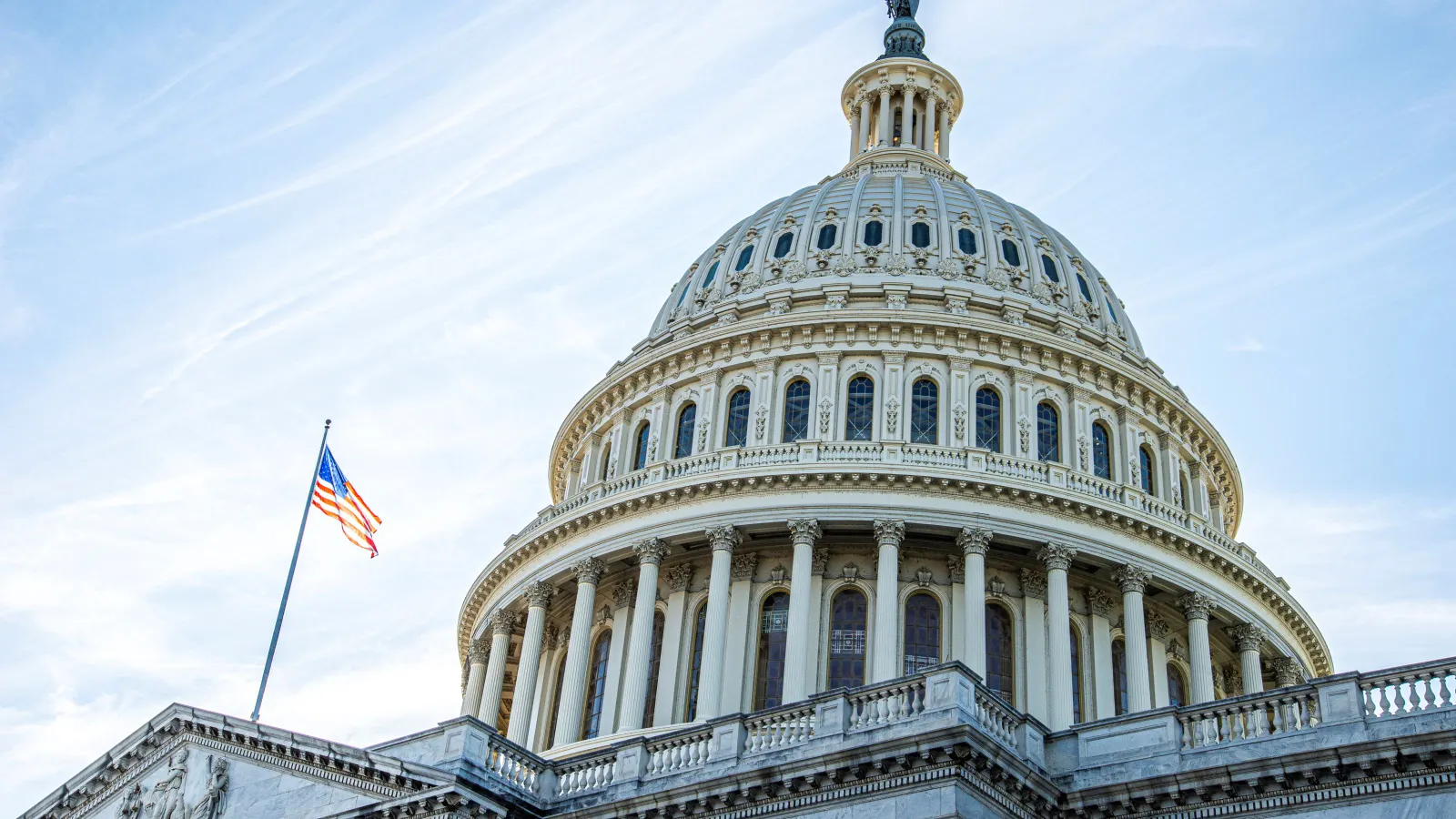
In an escalating standoff between the legislative and executive branches, two prominent members of the Senate Health, Education, Labor, and Pensions (HELP) Committee have renewed their demands for the Department of Justice (DOJ) to act on a criminal contempt referral against former Steward Health Care CEO Dr. Ralph de la Torre. The case, which has become a lightning rod for debates over executive accountability in the healthcare sector, centers on de la Torre’s refusal to testify before Congress regarding the catastrophic collapse of his hospital empire.
The Core Conflict: A Defiance of Congressional Authority
The Senate’s push for prosecution stems from a July 2024 subpoena, issued by the HELP Committee, which demanded that de la Torre appear to answer questions regarding the bankruptcy of Steward Health Care. Steward, which once operated 31 hospitals across eight states, filed for Chapter 11 bankruptcy in May 2024, marking the largest for-profit hospital bankruptcy in United States history.
Dr. de la Torre, whose tenure as CEO was marked by intense scrutiny regarding his personal wealth—including the acquisition of private jets and a luxury yacht—failed to appear. His legal team argued that appearing before the committee would infringe upon his Fifth Amendment rights, as he was simultaneously facing civil litigation and regulatory scrutiny. The Senate, however, viewed his non-appearance as a direct challenge to its oversight powers. Following his failure to appear, the Senate voted to hold him in criminal contempt of Congress, a move that officially referred the matter to the DOJ for potential prosecution.
For nearly two years, the referral has sat in a state of bureaucratic limbo. Now, senators are signaling that the time for delay has passed, insisting that the former executive’s substantial personal resources should not grant him an exemption from the constitutional mandate of congressional oversight.
A Chronology of the Collapse and Contempt
To understand the gravity of the current legal battle, one must examine the timeline of Steward Health Care’s dissolution and the subsequent legislative reaction.
- May 2024: Steward Health Care files for Chapter 11 bankruptcy in the U.S. Bankruptcy Court for the Southern District of Texas. The filing reveals billions of dollars in debt, triggering a fire sale of assets and widespread panic among local communities reliant on Steward facilities.
- Summer 2024: As hospitals begin to shutter—most notably Carney Hospital and Nashoba Valley Medical Center in Massachusetts—the HELP Committee initiates an investigation. Lawmakers express outrage over reports that the system’s financial distress coincided with the CEO’s lavish lifestyle.
- July 2024: The HELP Committee formally authorizes a subpoena for Dr. de la Torre to testify.
- September 2024: Dr. de la Torre refuses to appear, with his attorneys asserting his Fifth Amendment privilege. The Senate responds by passing a criminal contempt resolution.
- Late 2024: Dr. de la Torre files a lawsuit attempting to nullify the Senate’s contempt resolution, arguing it is politically motivated and legally flawed.
- Recent Developments: The D.C. Circuit Court of Appeals dismisses de la Torre’s lawsuit, clearing the path for the DOJ to proceed with prosecution should they choose to do so. This judicial victory has emboldened the Senate to turn up the heat on the Attorney General.
Financial Mismanagement and the Human Cost
The collapse of Steward Health Care was not merely a corporate failure; it was a public health crisis. The transition and closure of Steward facilities forced thousands of patients to seek care elsewhere, often in already overburdened hospital systems.
The financial data surrounding the bankruptcy is stark. At the time of the filing, the system was burdened by massive debt, a situation critics argue was exacerbated by lease-back agreements where hospitals were sold to real estate investment trusts (REITs), leaving the operations side of the business underfunded. Throughout this period, public reports highlighted Dr. de la Torre’s use of private jets and a 190-foot yacht.
These revelations turned the Senate investigation into a high-profile inquiry into the intersection of private equity in healthcare and patient safety. For lawmakers like Senators Bill Cassidy (R-LA) and Bernie Sanders (I-VT), the situation represents a "moral failing" of the highest order. In their recent correspondence with the DOJ, they emphasized that the wealth of an individual executive must not serve as a shield against federal oversight.
Official Responses and the DOJ’s Discretion
The Department of Justice finds itself in a precarious position. While the Senate has requested criminal prosecution, the DOJ’s Office of Legal Counsel (OLC) has historically maintained that U.S. Attorneys retain "prosecutorial discretion" in contempt cases. This means that even when a house of Congress makes a referral, the executive branch is not legally mandated to bring charges.
The DOJ is currently evaluating the case, balancing the political pressure from the Senate against the legal complexities of the Fifth Amendment claims raised by de la Torre. Legal experts note that while the appellate court ruled against de la Torre’s attempt to kill the contempt citation, the court also noted that de la Torre could raise a constitutional defense if a criminal trial actually proceeds. This suggests that a trial, should one occur, would be a lengthy, high-stakes battle over the limits of congressional subpoena power.
A representative for Dr. de la Torre has maintained that their client has acted in accordance with his legal rights and that the Senate’s actions are an overreach. No official statement has been released by the DOJ regarding whether they intend to present the case to a grand jury.
Implications for Healthcare and Congressional Oversight
The Steward Health Care saga has significant implications for the future of the hospital industry and the legislative process:

1. The Role of Private Equity in Healthcare
The bankruptcy has reignited the debate over whether private equity firms should be permitted to manage safety-net hospitals. Regulators are increasingly looking at whether current laws provide enough protection against "asset stripping," where the physical assets of a hospital are separated from the operational entity.
2. The Power of the Subpoena
If the DOJ declines to prosecute, it may set a dangerous precedent, suggesting that wealthy executives can effectively ignore congressional subpoenas by simply invoking the Fifth Amendment or filing nuisance lawsuits to delay proceedings. Conversely, a successful prosecution would serve as a powerful reminder that corporate executives are accountable to the public interest.
3. Patient Access and System Stability
The closure of facilities like Carney Hospital has left gaps in the medical infrastructure of Massachusetts and other states. The lingering question is how to prevent future systems from reaching the same state of insolvency. Lawmakers are currently discussing legislative packages that would require greater financial transparency from hospital systems, regardless of their ownership structure.
Conclusion: A Test of Institutional Resolve
As the HELP Committee continues to pressure the Attorney General, the case of Ralph de la Torre remains a critical test of the American legal system’s ability to hold the powerful accountable. While the wheels of justice in Washington move slowly, the intensity of the Senate’s latest demand suggests that they are not prepared to let this issue fade into the background.
Whether the DOJ decides to pursue criminal charges or remains on the sidelines, the saga of Steward Health Care has already left an indelible mark on the healthcare landscape. It has exposed the vulnerabilities of the modern hospital system and forced a long-overdue conversation about the responsibilities of those who sit at the top of the healthcare hierarchy. For now, the nation waits to see if the Senate’s referral will lead to a courtroom, or if the "Steward collapse" will become a permanent case study in the limitations of congressional oversight.