





By Anthony Nave, LCSW
For parents, educators, and mental health professionals, the transition from childhood to adolescence is often marked by a paradoxical mix of pride and profound anxiety. As young people navigate the tumultuous waters of puberty, identity formation, and academic pressure, they are simultaneously exposed to a world where substance use and compulsive behaviors—often referred to as process addictions—are increasingly normalized.
When a teenager begins to struggle with these issues, the primary caregivers are often left reeling, asking the fundamental questions: Why did this happen? How can we spot the signs? And most importantly, how do we foster recovery in an environment that often feels like a minefield?
The Biology of Risk: Why Adolescence is a Critical Window
To understand adolescent substance use, we must first look at the neurological "perfect storm" that defines the teenage brain. Substance use disorders (SUD) and process addictions (such as gambling, excessive internet use, or compulsive shopping) do not emerge in a vacuum. They are the result of an imbalance between internal vulnerabilities—risk factors—and external protective influences.
The "Go" and "Stop" Systems
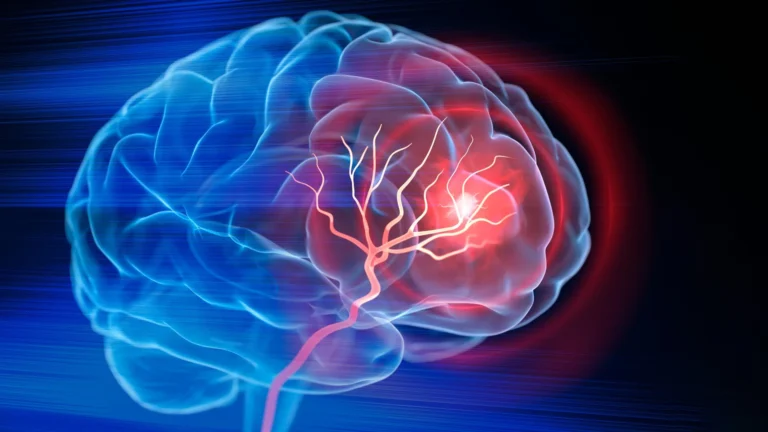
The adolescent brain is essentially a vehicle with a high-performance engine and underdeveloped brakes. The limbic system, which governs raw emotion, motivation, and the pursuit of reward, is hyper-active during these years. It acts as the "go" system, pushing adolescents to seek novel experiences, take risks, and prioritize peer social dynamics over adult guidance.
In contrast, the pre-frontal cortex (PFC)—the brain’s executive center—is still under construction. The PFC is responsible for emotional regulation, abstract problem-solving, impulse control, and the ability to assess the consequences of our actions. Because the PFC does not fully mature until the mid-twenties, adolescents are biologically predisposed to prioritize the immediate pleasure of the limbic system over the long-term safety protocols of the PFC.
When a substance or compulsive behavior is introduced to this developing system, it doesn’t just cause a temporary lapse in judgment; it can alter the physical architecture of the brain. Chronic substance use during this developmental window can stunt the maturation of the PFC, potentially leaving the individual with long-term deficits in decision-making and emotional regulation.
A Chronology of Progression: From Curiosity to Disorder
The progression from experimentation to a clinical disorder rarely happens overnight. It typically follows a trajectory influenced by the interplay between the adolescent’s environment and their internal state.
- The Exploratory Phase: Driven by the developmental need for autonomy and social belonging, an adolescent may experiment with substances or digital behaviors to "fit in" or mitigate social anxiety.
- The Coping Phase: As academic and social pressures mount, the adolescent may begin to use these behaviors as a maladaptive coping mechanism to numb uncomfortable feelings or escape reality.
- The Dependency Phase: Through repeated use, the brain begins to recalibrate its reward pathways. The "go" system becomes reliant on external stimuli to function, and the "stop" system (the PFC) is further weakened by chemical or behavioral habituation.
- The Clinical Disorder: At this stage, the behavior is no longer a choice but a compulsive necessity to achieve homeostasis, often accompanied by withdrawal symptoms, loss of interest in hobbies, and significant functional impairment.
Supporting Data: Identifying the Warning Signs
Distinguishing between the typical, albeit moody, behavior of a teenager and the indicators of a budding substance use disorder can be daunting. Parents often confuse the withdrawal or irritability of addiction with the natural "growing pains" of puberty. However, the intensity and context of these changes are the primary differentiators.

Physical and Environmental Indicators
The most objective markers of a problem are the "artifacts" of use. Discovery of substances, drug paraphernalia (vape pens, modified soda cans, pipes), or unexplained empty containers is an immediate red flag. Furthermore, if the adolescent begins to show signs of financial distress—missing household items, stolen money, or unexplained debt—it is a strong indicator that their behavior has moved into a compulsive, priority-driven cycle.
Behavioral Red Flags
While puberty brings mood swings, an SUD brings a deeper, more pervasive shift in character. Key behavioral indicators include:
- Academic Decline: A sudden, sharp drop in grades or attendance.
- Social Isolation: Withdrawing from long-term friends in favor of a new, secretive peer group.
- Loss of Interest: Abandoning hobbies or sports that were once central to their identity.
- Sleep and Physical Shifts: Persistent insomnia, radical weight changes, or erratic energy levels that cannot be attributed to a physical illness.
Implications for Families: Moving from Rescue to Relationship
When parents identify that their child is struggling, the instinct is often to "rescue"—to solve the problem, control the environment, and eliminate the threat. However, this approach often triggers the adolescent’s need for independence and leads to further defiance.
The Art of the Conversation
To effectively help an adolescent, the home must be a "holding environment"—a space where emotions are validated rather than judged. Utilizing the O.A.R.S. technique—a staple of Motivational Interviewing—can shift the dynamic from confrontation to collaboration:
- Open-ended questions: Instead of "Why did you do that?", try "What was happening for you when you decided to use?"
- Affirmations: Recognize the courage it takes for them to speak about their struggles.
- Reflections: Repeat back what you hear to ensure they feel understood, not interrogated.
- Summaries: Gently synthesize the conversation to help the adolescent see their own patterns and motivations.
Conversely, families must avoid the "Four Horsemen" of communication as defined by Dr. John Gottman: Criticism, Contempt, Defensiveness, and Stonewalling. These behaviors destroy the trust necessary for an adolescent to be vulnerable about their struggles.
Official Perspectives: A Continuum of Care
If a substance use disorder has taken root, professional intervention is not just recommended; it is often essential. Modern clinical treatment views addiction through a trauma-responsive, neurobiological lens.
Levels of Support
- Community Support Groups: Programs like A.A., N.A., SMART Recovery, and Dharma Recovery provide a peer-based foundation for long-term sobriety.
- Outpatient Programs: For those who need structure but can maintain their daily life, Intensive Outpatient Programs (IOP) offer a balanced approach to clinical therapy and group support.
- Residential Care: In cases of severe dependency, a residential environment provides 24/7 support, safety from environmental triggers, and the opportunity for deep, neurological healing.
- Medical Intervention: Medication-Assisted Treatment (MAT) is an evidence-based option that can help stabilize brain chemistry, allowing the adolescent to engage more effectively in behavioral therapies.
Conclusion: Hope in the Process of Recovery
The journey of recovery for an adolescent is not about returning to "who they were before," but about supporting the brain’s natural neuroplasticity to build a new, healthier foundation. While the adolescent brain is vulnerable to the ravages of addiction, it is also highly adaptable. By providing a warm, curious, and structured environment, parents and professionals can help adolescents navigate the "go" and "stop" systems of their own lives.
Recovery is not a destination but a long-term practice of identity formation. Through consistent support, the right clinical resources, and a move toward open, empathetic dialogue, the path forward is one of genuine transformation. Change is not only possible; it is the natural outcome of a supported, developing mind.