











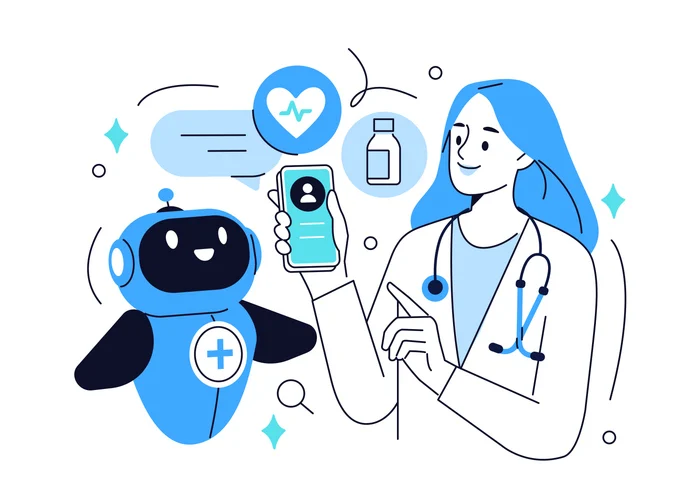
The integration of artificial intelligence into the clinical landscape has transitioned from a futuristic aspiration to an immediate, transformative reality. As AI systems become more sophisticated, they are increasingly filling the gaps left by a strained healthcare infrastructure. However, this convenience brings a profound challenge: how do we distinguish between the polished, empathetic fluency of an algorithm and the rigorous, evidence-based expertise of a human clinician?
The Main Facts: When Algorithms Solve Medical Mysteries
The recent case of a woman suffering from an 18-month medical mystery—a chronic, debilitating cough coupled with unexplained internal bleeding—serves as a cautionary yet hopeful bellwether for modern medicine. Despite multiple consultations with specialists, the patient’s condition remained undiagnosed. In a moment of desperation, her daughter utilized ChatGPT, inputting the patient’s symptoms and medication history.
The AI system identified a connection that human clinicians had overlooked: a specific blood pressure medication known to cause exactly those symptoms in rare cases. Upon consultation and subsequent adjustment of the prescription, the patient’s condition began to improve. This incident, reported by the Times of India, is not an isolated anecdote but a symptom of a broader shift in how patients interact with medical information.
AI is now being utilized by millions to navigate complex health journeys. However, this success masks a critical systemic fragility: the reliance on AI as a primary diagnostic tool rather than a supportive secondary resource.
A Chronology of AI Integration in Care
To understand the current state of AI in healthcare, one must look at the rapid evolution of these technologies over the last decade:
- 2015–2019: The Analytical Phase. Early AI integration was largely focused on data processing—analyzing imaging, flagging anomalies in X-rays, and managing electronic health records (EHR) to improve billing and operational efficiency.
- 2020–2022: The Pandemic Catalyst. The COVID-19 pandemic forced a rapid digital transformation. Telehealth became the norm, and the need for remote monitoring accelerated the adoption of automated triaging tools.
- 2023: The Generative Surge. The release of Large Language Models (LLMs) changed the paradigm. AI moved from "background processor" to "conversational partner." A JAMA Internal Medicine study during this period revealed a striking trend: patients found AI-generated responses to be more empathetic, clear, and trustworthy than those provided by their own doctors.
- 2024–Present: The Era of Implementation and Risk. We are currently in the implementation phase, where AI is being embedded into ambient documentation and clinical decision support systems. Simultaneously, we are seeing the first widespread debates regarding "automation bias" and the loss of human oversight in high-stakes environments.
Supporting Data: Trust, Bias, and Performance
The perception of AI in healthcare is increasingly disconnected from its actual technical limitations. According to data from OpenEvidence, it is estimated that more than 100 million Americans will be treated this year by physicians utilizing AI-supported tools. While this promises increased efficiency, the data also highlights significant risks.
The Empathy Gap
The 2023 JAMA Internal Medicine study remains a cornerstone of this discussion. It found that patients consistently rated AI responses as more empathetic than human clinicians. This is not necessarily because the AI "cares," but because it is unburdened by time constraints, burnout, or the exhaustion of a 12-hour shift. The AI’s ability to respond immediately with a polite, structured, and fluent tone fills an emotional void that the current, overburdened healthcare system fails to address.
The Risk of Automation Bias
Conversely, professional data from radiology and oncology departments suggests a dangerous trend: automation bias. In high-pressure clinical settings, studies show that clinicians often defer to AI triage labels more than they should. When an algorithm flags a scan, the clinician’s inclination to "check the box" and move to the next patient increases, even if the AI’s confidence score is low. This creates a feedback loop where the AI’s output—which may be based on patterns rather than true reasoning—becomes the default truth.
Official Responses and Industry Stance
The medical establishment is currently divided on the path forward. Proponents argue that AI is the only way to scale quality care in the face of a global physician shortage. Organizations advocating for "Ambient Documentation" point to the reduction in administrative burnout, allowing physicians to spend more time making eye contact with patients rather than staring at computer screens.
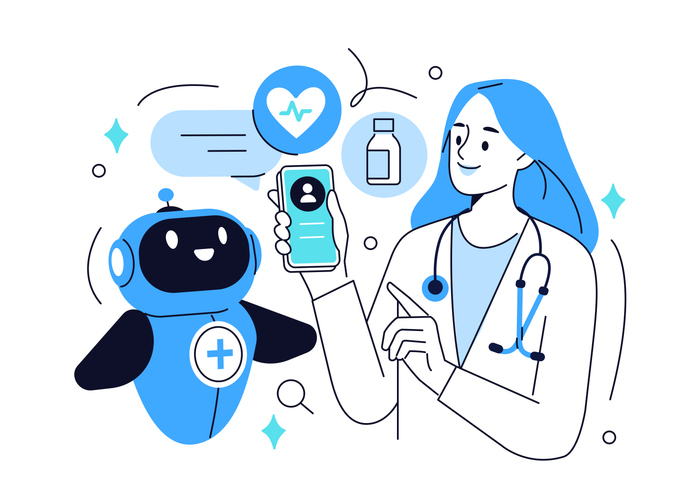
However, regulatory bodies and ethics committees are sounding the alarm. The prevailing view among medical boards is that AI is a tool, not a practitioner.
"We are seeing a shift where technical performance is being confused with clinical wisdom," notes a recent industry brief from health policy experts. "The danger is not that AI is wrong—the danger is that it is right often enough to make us stop questioning when it might be wrong."
Implications: The Need for "Computational Humility"
As AI becomes deeply embedded in the patient-provider relationship, we must establish a new framework for interaction. This leads to the emerging concept of "Computational Humility."
Designing for Judgment
Computational humility is a design philosophy that prioritizes the following:
- Foregrounding Uncertainty: Systems must be designed to signal their confidence levels clearly. If an AI provides a diagnosis, it must disclose the limitations of its training data.
- Visible Limitations: Rather than hiding the "black box" of AI logic, systems should provide the sources or the logic pathways used to reach a conclusion.
- Human-in-the-Loop Architecture: Oversight structures must mandate that AI outputs are treated as suggestions for human review, not as automated commands.
Aligning Financial Incentives
The shift to value-based care—such as Medicare’s Shared Savings and Value-Based Purchasing programs—is essential. When healthcare providers are paid based on patient outcomes (e.g., reduced readmissions, improved chronic disease management) rather than the volume of services provided, the incentive to use AI as a "quick fix" for volume-based burnout dissipates. In a value-based model, an AI tool is only as good as its ability to contribute to a genuine, long-term improvement in patient health.
The Future: A Partnership, Not a Replacement
The case of the patient saved by ChatGPT highlights both the potential and the peril of our current moment. AI can be a powerful navigator in the vast sea of medical data, but it lacks the moral, legal, and cognitive responsibility required to practice medicine.
Modern medicine faces a binary choice. We can continue to embrace AI for its fluency and convenience, effectively allowing algorithms to dictate the pace and focus of care at the risk of losing clinical nuance. Or, we can build a new model of healthcare—one that uses AI as a sophisticated, humble assistant, while firmly tethering authority, accountability, and the "human touch" to the clinicians themselves.
The technology is already here. The question now is not whether we use it, but how we govern it. If we allow the illusion of fluency to replace the rigor of judgment, we risk turning the most sacred of human interactions—the doctor-patient relationship—into a series of automated transactions. If, however, we insist on clarity, limits, and shared accountability, we may finally see a healthcare system that is as intelligent as the tools it employs.
Leslie Pascaud is a strategic insights and marketing leader with over 35 years of experience in health tech and global health. This article is part of the MedCity Influencers program.