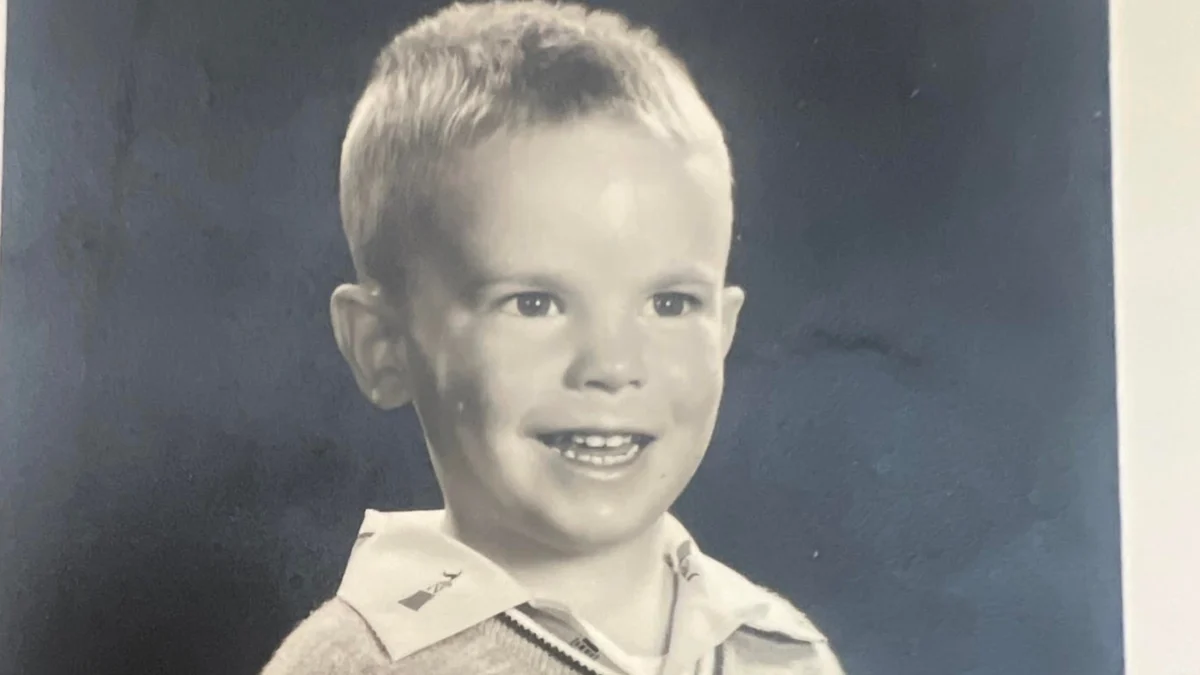
By Michael J. Norton
Published June 19, 2026
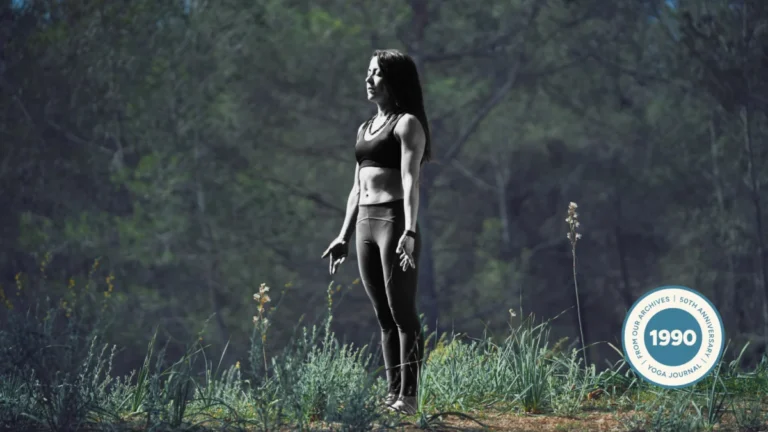
Standing tall in Tree Pose, amidst the rhythmic, collective breathing of a yoga studio, the mind has a peculiar way of drifting. It does not wander aimlessly; rather, it often settles on the unresolved architecture of our own histories. In one such moment of profound stillness, a flash of realization—a "moment of truth" floating in on a breeze—arrived with the force of a revelation: I am not my father. But for the first time, I have to wonder: did my father ever wish he could have been me?
This question, which acts as the cornerstone for a total reevaluation of a complex father-son dynamic, serves as a poignant reminder that the stories we tell ourselves about our upbringing are often written in ink that can be erased and rewritten with the clarity of adult perspective.
The Crucible of a Difficult Childhood
To understand the transformation of this perspective, one must first understand the landscape of the author’s youth. The man who raised me was defined by his temper—a volatility that functioned as his primary mode of engagement. Where other fathers might have found solace in golf or civic engagement, my father found it in the steam of a monologue, typically focused on criticism or perceived disappointment.
Living under his roof felt like existing in a perpetual state of defensive readiness. There was no personal vendetta, as his frustration was distributed with impartial severity to everyone in the household. Yet, this upbringing provided an unintended education. He insisted that I read the newspaper daily, which, while meant to instill discipline, instead opened my eyes to a world far beyond our small town in Philipsburg, New Jersey. It taught me early on that the world was populated by "bad guys"—men who were someone’s son, father, or brother. My father, I realized, was simply one of them, shaped by forces I could not yet name.
Chronology of a Fractured Bond: From Confession to Reconciliation
The tension reached a breaking point in second grade. Dressed in my stiff Catholic school uniform, I sought counsel in the confessional booth, presenting a case to a priest with the misplaced, precocious authority of a seven-year-old. I argued, quite logically, that our household would be demonstrably happier if my parents were divorced.
The priest’s attempt to intervene proved catastrophic. Though he meant well, his counseling of my father only deepened the divide. My father perceived my outreach not as a cry for help, but as a betrayal. From that point on, our home life resembled a boxing ring; we were two opponents huddled in our respective corners, waiting for the bell of the next inevitable round.
As I matured, the divergence in our paths became absolute. I pursued an education in Boston and London, eventually settling into a life defined by travel, exploration, and the very things that were foreign to him: yoga, cultural immersion, and a global outlook. He remained in Philipsburg, a "big fish in a small pond," while I sought out the challenges of the "big pond."
The reconciliation of these two worlds did not happen through a grand apology, but through the quiet, mundane reality of aging. The final, pivotal memory I have of him occurred at a bank in Easton, Pennsylvania. As we crossed the street, he reached out and grabbed my arm—a gesture of vulnerability I had never witnessed before. He was no longer the immovable object; he was a man who needed me. When I mentioned yoga, his reaction was a mixture of confusion and a rare, spontaneous chuckle. In that moment, the wall between us didn’t shatter; it simply thinned.
The Artifacts of a Forgotten Man
When he passed, the process of sorting through his possessions offered a final, sobering look at the man behind the anger. I found the expected relics: unremarkable ties and matchbooks from local steakhouses. But tucked away was a collection of black-and-white photographs that told a different story.
These images captured a young man before the grind of providing for six children had eroded his spirit. There he was, dapper and smiling, standing at a racetrack, part-owner of a horse, living in a world of risk and glamour. It was a life he had traded for the relentless, seven-day-a-week labor required to ensure all six of his children earned college degrees. His anger, I finally understood, was not a personality trait; it was the residue of a life surrendered to obligation.
The Transformative Power of Practice
The physical benefits of yoga—flexibility, stamina, and strength—are well-documented. However, the emotional utility of the practice is where the true alchemy occurs. Through yoga, I learned to "silence the squirrels in my head," clearing the mental clutter that often prevents us from seeing others with empathy.
Implications of Empathy
Yoga provided the framework to view my father not as an opponent, but as a man trapped in a cycle of sacrifice. He was a product of his era and his circumstances, a man who never had the "luxury" of stepping into a studio to find his center. He was, in his own way, doing the best he could with the tools he had been given.
This shift in perspective has profound implications for anyone struggling with a difficult parental legacy:
- Separation of Self: One must recognize that they are not a continuation of their parents’ failures.
- Contextualization: Acknowledging the external pressures (financial, social, familial) that shaped a parent’s behavior is vital for forgiveness.
- Intentionality: By identifying the traits we do not want to inherit, we create a roadmap for the people we intend to become.
Conclusion: Finding Peace in the Present
Today, when I step onto my paddleboard, enjoy a martini, or bring my hands into prayer position, I carry my father with me—not as a ghost of resentment, but as a silent witness to my own evolution.
I have the life I have because I had a clear vision of what I did not want to become. Yet, I have also found peace because I finally recognize that the man who caused me so much pain was, at his core, a man who gave me everything he had to give. Yoga did not change my past, but it changed how I live within it. It allowed me to exhale a lifetime of tension, replacing it with the grace to understand that, sometimes, the greatest act of love is simply seeing someone for who they were before the world made them bitter.