










By: Editorial Staff
Published September 25, 2026
In the canon of modern wellness, few poses occupy as much real estate in the public imagination as Viparita Karani, or Legs Up the Wall. It is the darling of Instagram yogis, the prescribed remedy for the weary traveler, and the oft-cited "desert island" pose for practitioners seeking a quick recalibration of the nervous system. Yet, for a significant segment of the population, the reality of the pose is far removed from the serene, effortless imagery that dominates wellness blogs.
For many, Viparita Karani is not a gateway to zen; it is an exercise in futility. Laura Harold, a seasoned yoga editor with over a decade of personal practice and eight years of professional experience in the health and wellness sector, knows this frustration well. After years of struggling with the mechanics of the pose, Harold’s experience highlights a critical gap in how yoga is often taught: the assumption that a "universal" pose works equally well for all human anatomies.
The Anatomy of a Struggle: When Rest Isn’t Restful
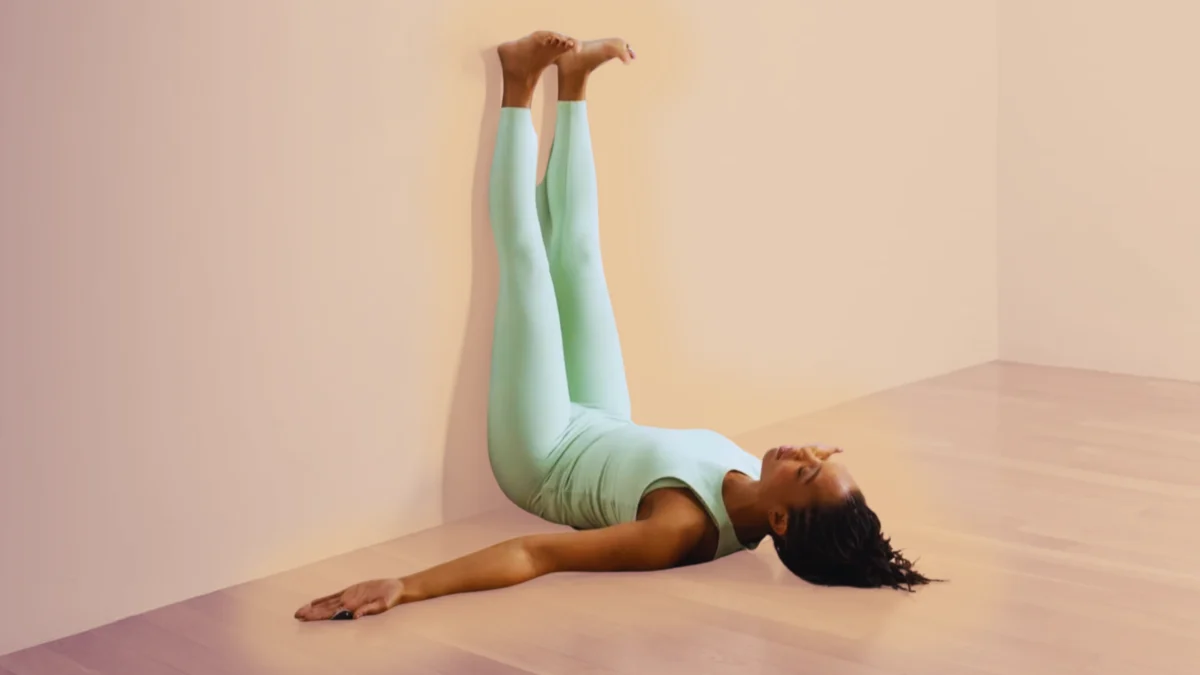
The allure of Viparita Karani is rooted in its simplicity. The pose involves lying on your back with your legs extended vertically against a wall, often with a bolster or blanket under the hips. It is designed to encourage venous return, calm the parasympathetic nervous system, and provide a low-effort inversion.
However, the reality for many practitioners is a constant, irritating battle against gravity. For Harold, the frustration was physical and immediate: her legs refused to remain parallel. No matter the micro-adjustments—shifting hip distance, adding blankets, or varying the angle—her feet would inevitably slide outward into a wide "V" shape.
"Just when I would come across a semblance of stillness, my feet would slide out," Harold explains. "Forcing my legs back into position and trying again might have made me look like I was relaxing, but on the inside, I was rigid and miserable."
This experience is far from unique. It raises a pertinent question: If a pose is designed to be the ultimate restorative tool, why does it trigger such a profound "fight or flight" response in those whose bodies don’t naturally fit the standard alignment cues?
A Chronology of Disenchantment
The history of Harold’s frustration with Viparita Karani is a testament to the "try harder" culture that often permeates yoga practice.
- Initial Engagement: Like many practitioners, Harold approached the pose with the expectation that diligence would eventually yield the advertised results. She spent years attempting to "drink the Kool-Aid," assuming that her inability to find comfort was a personal failure or a lack of proper technique.
- The Plateau of Resentment: Over time, the inability to settle into the pose morphed from a mild inconvenience into a source of active aversion. The dissonance between the supposed benefits—stress reduction, improved circulation, and mental clarity—and her own experience of physical labor and irritation grew wider.
- The Turning Point: The shift occurred not in a studio, but in a professional setting. While venting to colleagues during a meeting, Harold shared her long-standing grudge against the pose. Because her work environment involves constant collaboration with yoga instructors and experts, she was able to move beyond her own echo chamber of frustration.
- The Revelation: The solution, offered by Yoga Journal’s Editor-in-Chief, Renee Marie Schettler, was startlingly simple: "Have you tried tying a sweatshirt around your legs?"
The Science of Structural Support and Individual Variance
The advice to use a prop to bind the legs is rooted in a fundamental principle of biomechanics often overlooked in standardized yoga instruction: individual anatomical variance.
The Problem of "Slippery Leg Syndrome"
When a practitioner’s femur length, hip structure, or muscle engagement prevents them from holding a vertical position against a wall without conscious effort, the body is forced into a state of "active guarding." Instead of relaxing the muscles to allow gravity to assist in blood flow, the practitioner is using their hip flexors and adductors to keep their legs from splaying.
This creates a "negative feedback loop." The brain recognizes the muscle engagement, interprets it as effort, and prevents the nervous system from fully shifting into the "rest and digest" state.
The "Sweatshirt Strategy"
By using an external constraint—such as a sweatshirt, a yoga strap, or a belt—to hold the legs together, the practitioner removes the need for active muscular engagement. This allows the legs to rest in a state of true passivity.
- Neutralizing Gravity: With the legs bound, the weight of the limbs is supported by the constraint, which in turn leans against the wall.
- Reducing Cognitive Load: When the body no longer has to "hold" the pose, the mind is free to focus on breath and relaxation, fulfilling the original intent of the posture.
Official Perspectives: The Role of the Teacher
According to Renee Marie Schettler, the frustration Harold experienced is a common point of disconnect in yoga pedagogy. "Everyone’s anatomy is different," Schettler notes, emphasizing that teachers must prioritize the experience of the student over the aesthetic of the pose.
The implication here is significant: the "perfect" version of a pose is not one that matches a photograph in a textbook; it is one that effectively serves the student’s nervous system. If a prop—even one as unconventional as a discarded sweatshirt—can facilitate that, it is a superior adjustment to a "pure" version of the pose that causes physical strain.
Broader Implications: Redefining "Restorative"
The "sweatshirt incident" serves as a microcosm for a much larger issue within the health and wellness industry: the tendency to prioritize form over function, and the subsequent "blame the student" culture that arises when a standardized technique fails to produce universal results.
1. The Underrated Power of Asking for Help
Harold’s story illustrates that even within the yoga community, there is a tendency to suffer in silence. By externalizing her frustration, she gained access to a simple, effective solution that she had been blinded to by her own preconceived notions. This underscores the importance of community dialogue in breaking through personal plateaus.
2. Radical Resourcefulness
The use of a household item to solve a complex physical issue is a powerful reminder that wellness does not require an abundance of expensive equipment. The "sweatshirt strategy" is an example of radical resourcefulness, suggesting that we already possess the tools to improve our own well-being if we are willing to abandon our rigid expectations of what "should" be.
3. Permission to Modify
The modern yoga landscape is increasingly moving toward a more inclusive, anatomy-first approach. Practitioners are finding that the most effective way to deepen their practice is to give themselves permission to modify, support, and adapt. Whether it’s using blocks, straps, or improvised bindings, the goal is to create a physical environment where the nervous system feels safe enough to let go.
Conclusion: A New Relationship with Rest
For Harold, the result of this minor adjustment was transformative. By removing the physical barrier to relaxation, she was finally able to experience the benefits of Viparita Karani that she had previously only read about.
"I’m still new in my relationship with Legs Up the Wall," Harold admits. However, the experience has left her with a broader lesson: the value of perseverance, the necessity of seeking advice, and the importance of questioning the "rules" of wellness when they don’t serve the individual.
As the wellness industry continues to evolve, the story of the sweatshirt and the wall serves as a poignant reminder: if you find yourself struggling with a practice that is supposed to be relaxing, you aren’t doing it wrong—you might just need to change the way you’re holding yourself. Sometimes, the most profound breakthroughs happen when we stop trying to force our bodies to match the image of perfection and start finding the tools that allow us to simply be.