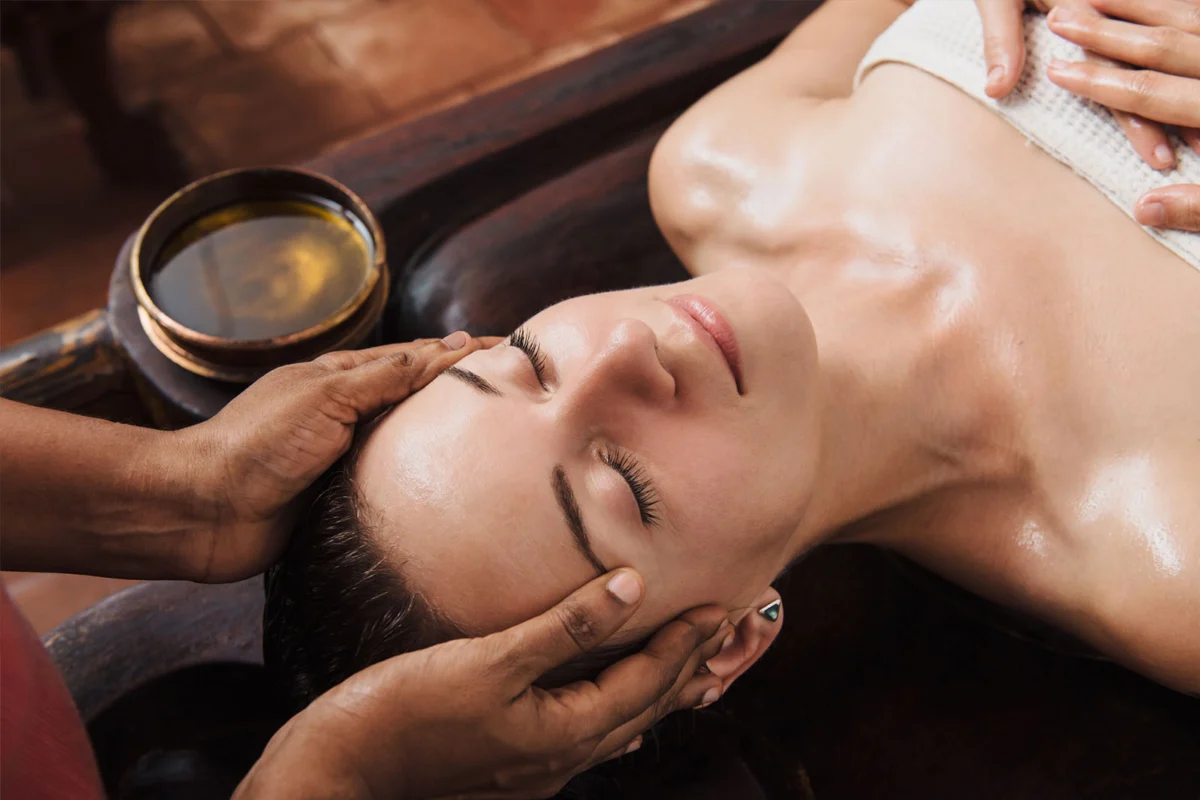
In a modern healthcare landscape often dominated by standardized protocols and "one-size-fits-all" pharmaceuticals, Ayurveda offers a radical departure. Rooted in thousands of years of tradition, this holistic system of medicine operates on a singular, profound premise: no two human beings are identical, and therefore, no two paths to wellness can be the same.
Ayurveda’s success in treating complex, chronic, and acute health issues lies in its granular approach to the individual. While conventional medicine might categorize a condition like diabetes into two primary types, Ayurveda identifies twenty distinct classifications, each requiring a unique therapeutic intervention. This level of nuance defines the practice, transforming healing from a passive act of symptom management into an active, personalized journey toward balance.
The Philosophical Core: Beyond Symptom Management
At the heart of Ayurvedic practice is the concept of samprapti—the understanding of the disease process. An Ayurvedic practitioner does not merely look at a patient’s headache or digestive distress; they look for the root cause (mula) of that imbalance.
By analyzing which doshas (biological energies—Vata, Pitta, and Kapha) are out of equilibrium, a practitioner can design a protocol that addresses the underlying qualities of the patient’s condition. This is not about applying a "band-aid" to symptoms. It is about understanding the systemic flow of imbalance and restoring the body’s innate capacity for self-regulation.
The Three Stages of Panchakarma: A Scientific Detoxification
Perhaps the most potent tool in the Ayurvedic arsenal is Panchakarma. While often marketed in mainstream wellness circles as a generic "detox retreat," true Panchakarma is a highly specialized clinical process. The term translates to "Five Actions," referring to the methods used to eliminate accumulated toxins (ama) from the deep tissues of the body.
A successful Panchakarma protocol is never a standardized package. It is a carefully curated program tailored to a client’s prakruti (constitutional state of balance), vikruti (current state of imbalance), agni (digestive strength), and toxic load. The process is divided into three distinct chronological stages:
Stage 1: Purvakarma (The Preparatory Phase)
Before the body can release deep-seated toxins, it must be prepared. Purvakarma acts as the priming stage. It involves two critical components:
- Kindling Agni: The digestive fire must be stoked to ensure the body can metabolize toxins. Depending on the individual’s constitution, this might involve dietary adjustments, such as specific spices or therapeutic warm water protocols.
- Internal Oleation: This is the process of lubricating the internal channels of the body. By consuming medicated ghees or specific oils, toxins lodged in the deep tissues are loosened and directed into the digestive tract for eventual elimination.
Stage 2: Pradhanakarma (The Five Primary Actions)
This is the transformative heart of the therapy. Once the body is saturated with oleation, the practitioner initiates the "Five Actions" based on the patient’s specific needs:
- Virechana (Purgation): Targeted at the small intestine, liver, and gallbladder—the seats of pitta dosha—this therapy uses mild herbal laxatives to purge excess heat and toxins from the system.
- Basti (Medicated Enema): Directed at the colon (the primary site of vata), this involves the administration of herbalized teas or oils. Far from a simple cleansing, Basti nourishes the colon lining and allows for the systemic absorption of herbal properties.
- Vamana (Emesis): Used in very specific cases to address excess kapha (phlegm) in the stomach, this controlled therapeutic vomiting is a powerful, though rarely indicated, procedure.
- Nasya (Nasal Administration): This involves the application of specialized oils into the nasal passages. It is highly effective for clearing sinus congestion, improving mental clarity, and addressing imbalances in the head region.
- Raktamoksha (Blood Cleansing): Historically involving the use of leeches to purify the blood, this practice is rare in the United States. It is reserved for specific conditions where the blood, which carries prana (life force) throughout the body, requires detoxification.
Stage 3: Paschyatkarma (The Rejuvenation Phase)
The conclusion of Panchakarma is arguably as critical as the detox itself. Because the body has undergone a significant cleansing, it requires a period of gentle rebuilding. Paschyatkarma focuses on restoring the digestive system through a strictly monitored diet and lifestyle plan, ensuring that the tissues are nourished and that the patient transitions back into daily life with renewed vitality.
The Critical Role of the Practitioner
The complexity of these stages highlights why Panchakarma cannot be a self-guided process. An untrained individual attempting these protocols risks shifting an imbalance rather than resolving it.
The practitioner serves as the navigator. They must possess the clinical acumen to monitor the client’s progress through every stage, adjusting the intensity of the herbs, the duration of the oleation, and the specific diet during the rejuvenation phase. Without this expert guidance, the process can become counterproductive.
Implications for Modern Healthcare
As the global health crisis shifts increasingly toward chronic, lifestyle-driven diseases, the demand for personalized medicine is at an all-time high. Ayurveda’s model of individualized wellness provides a blueprint for what a more patient-centered healthcare system could look like.
Bridging Tradition and Modernity
While modern science often focuses on the "what" of a disease, Ayurveda emphasizes the "who." The implications are significant: by treating the individual rather than the diagnosis, healthcare providers can improve patient compliance, reduce the side effects of standardized treatments, and achieve longer-lasting health outcomes.
The Importance of Due Diligence
For those seeking to engage with Panchakarma, the choice of center is paramount. As the popularity of Ayurveda grows, so does the risk of "watered-down" experiences that prioritize luxury over clinical integrity. Prospective clients should prioritize centers that:
- Prioritize Clinical Education: Ensure that practitioners are properly trained in the rigorous design and implementation of Panchakarma.
- Align with Personal Values: A therapeutic relationship is a partnership. The practitioner’s approach should resonate with the patient’s own wellness goals and ethical standards.
- Focus on Long-term Health: A reputable center will prioritize the Paschyatkarma phase, providing clear guidance on how to maintain the benefits of the detox long after the patient has returned home.
Conclusion
The beauty of Ayurveda lies in its acknowledgment that healing is a dynamic, evolving process. It respects the uniqueness of the human body, recognizing that the same symptom in two different people can arise from entirely different causes.
Panchakarma is not merely a detox; it is a profound clinical intervention that requires skill, patience, and a deep understanding of human physiology. By choosing the right practitioner and committing to the three-stage process, individuals can tap into a system of healing that has withstood the test of time—not by changing its principles, but by adapting them to the unique needs of the individual.
For those interested in exploring this path further, whether through professional training or personal healing, the journey begins with an acknowledgment of the body’s wisdom and a commitment to a truly personalized approach to health.
For more information on professional training programs that uphold these high standards of Ayurvedic practice, please visit our studies program. For those seeking a guided retreat experience, further details can be found at the SoHum Mountain Healing Resort.