Published May 14, 2026
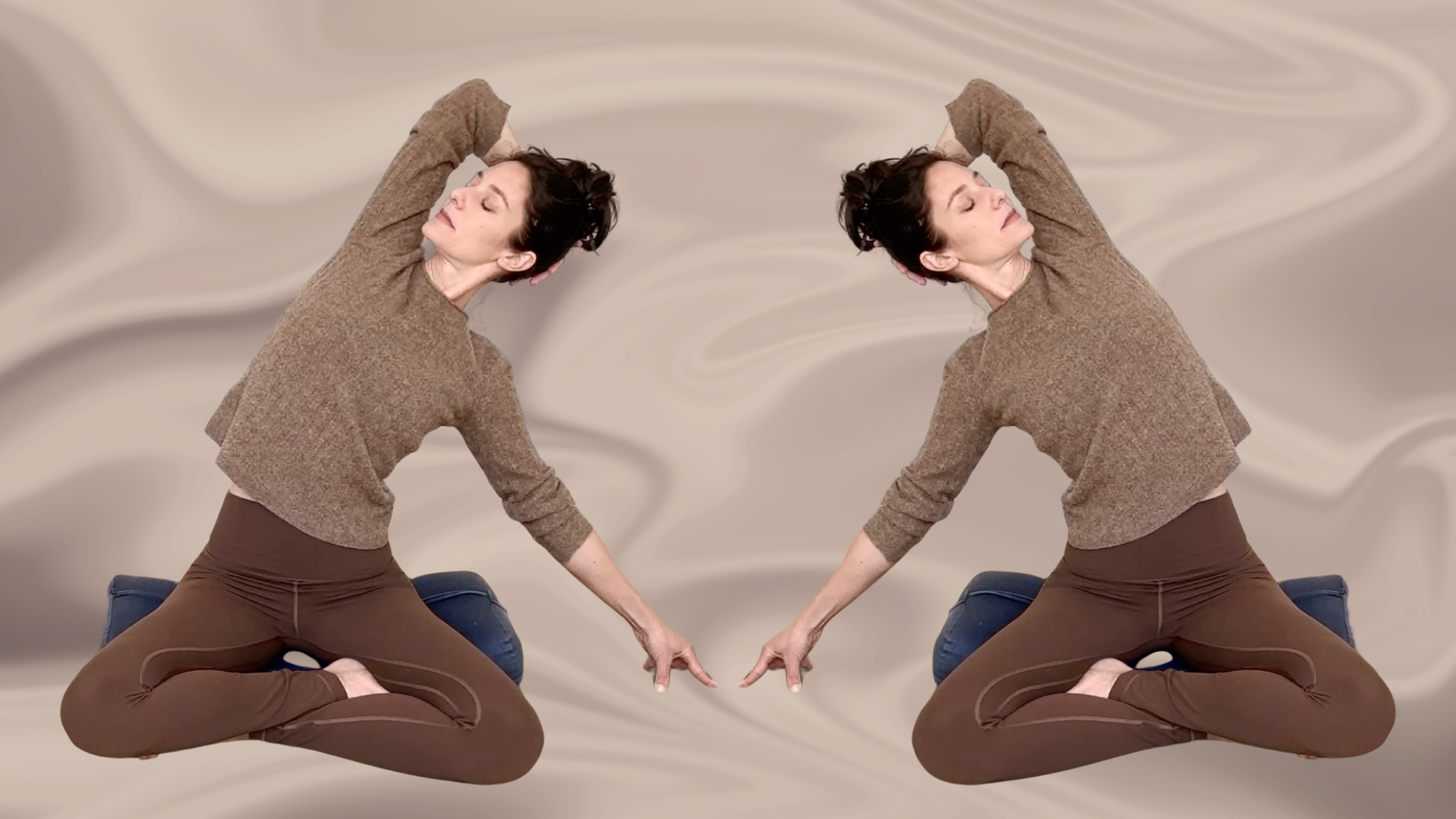
In an era defined by high-octane productivity, constant connectivity, and the glorification of "hustle culture," the human nervous system is frequently pushed to its breaking point. As stress levels climb and physical tension becomes a chronic companion for many, the wellness industry has increasingly shifted its focus back to a fundamental, ancient principle: movement is medicine.
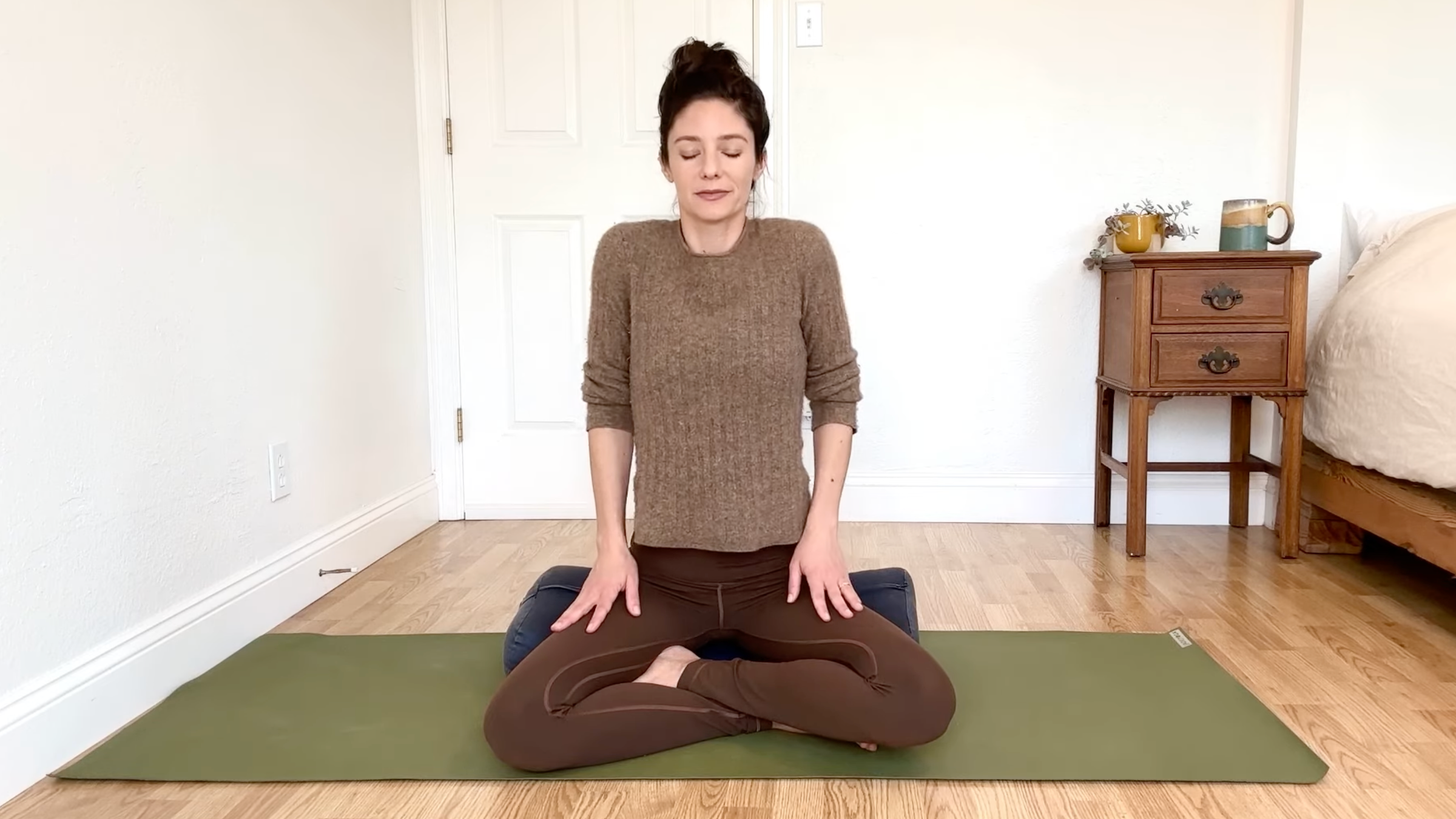
However, the medical and wellness communities are increasingly emphasizing that not all movement is created equal. While high-intensity interval training (HIIT) and endurance athletics have their place in physical conditioning, they often do little to soothe a taxed sympathetic nervous system. In contrast, slow, mindful movement—the hallmark of gentle yoga—offers a profound physiological reset.
The Science of Slow: Why Mindful Movement Matters
The concept of "gentle" is often misunderstood as "easy," but in the context of therapeutic yoga, it is synonymous with "restorative." When we operate under constant stress, our bodies remain in a state of fight-or-flight, characterized by elevated cortisol, shallow breathing, and muscular constriction.
By engaging in intentional, low-impact movement that requires zero standing or high-exertion transitions, practitioners can trigger the parasympathetic nervous system—the "rest and digest" branch of our autonomic nervous system. This transition is essential for recovery, digestion, immune function, and mental clarity. By removing the need to stand, this 15-minute sequence lowers the barrier to entry for those dealing with fatigue, chronic pain, or simply the exhaustion of a long workday.
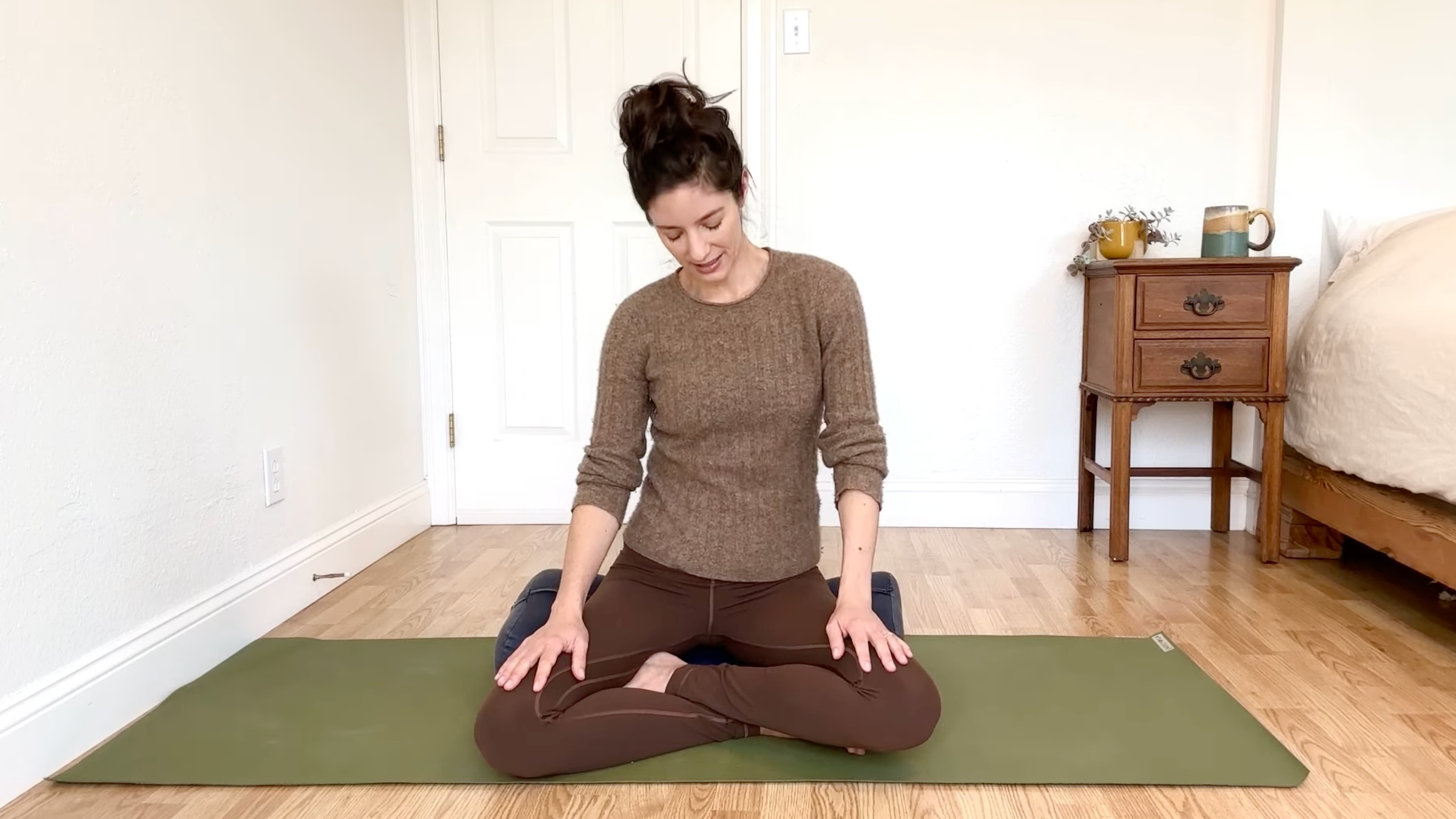
Chronology of the Practice: A Step-by-Step Recovery Flow
The following sequence, led by yoga instructor Michelle Martone, is designed to be performed entirely on the mat. Whether you utilize a bolster, blanket, or simply the floor, the goal is to cultivate gratitude for the body’s daily efforts.
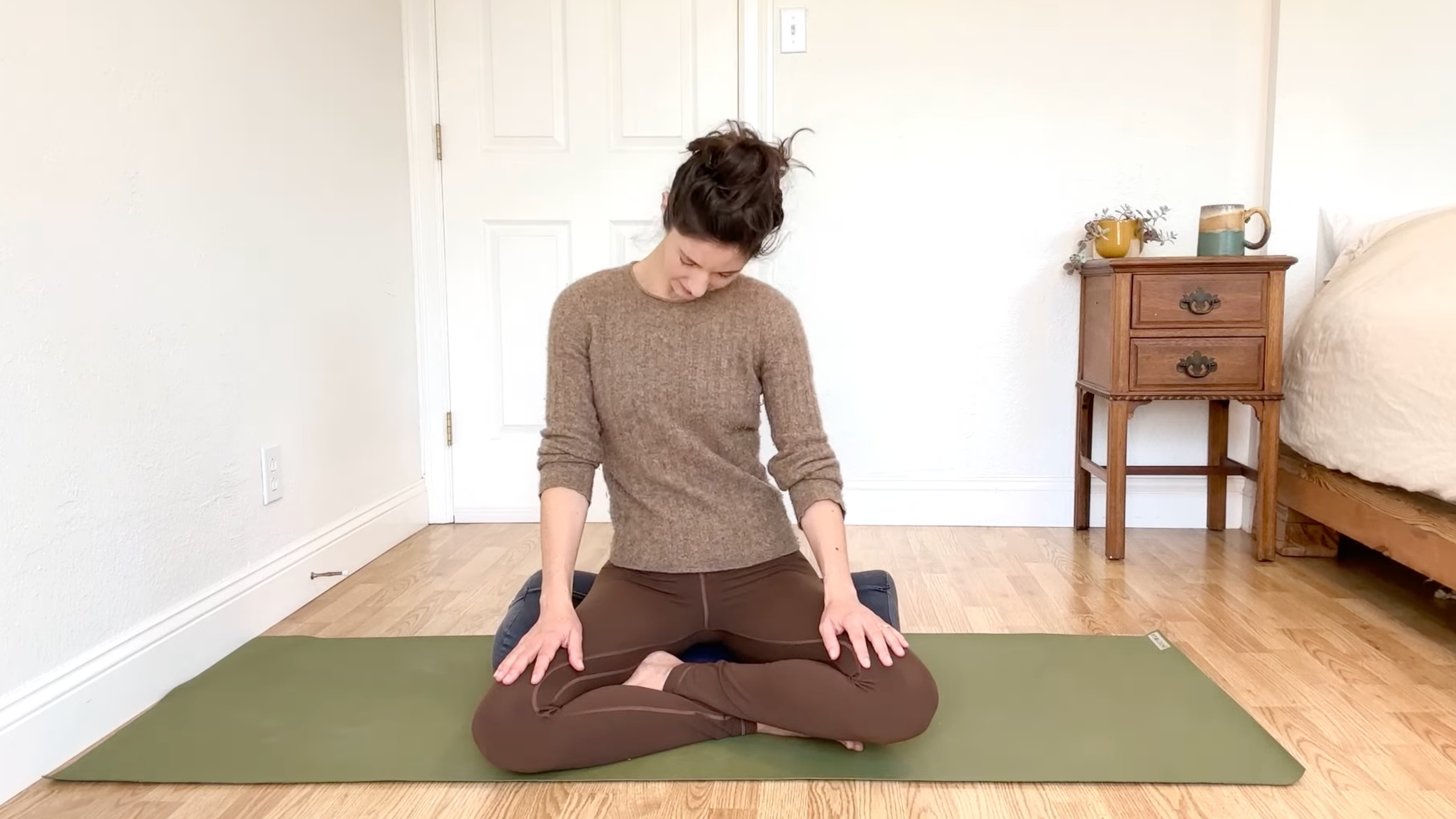
1. Opening the Shoulders and Spine
The practice begins in a seated cross-legged or kneeling position. By utilizing props like a bolster, you can elevate the hips, reducing strain on the lower back.
- Shoulder Rolls: By inhaling as the shoulders rise and exhaling as they roll back and down, we physically release the "armor" we often build around our hearts and necks during stressful days. Repeating this five times in both directions resets the posture.
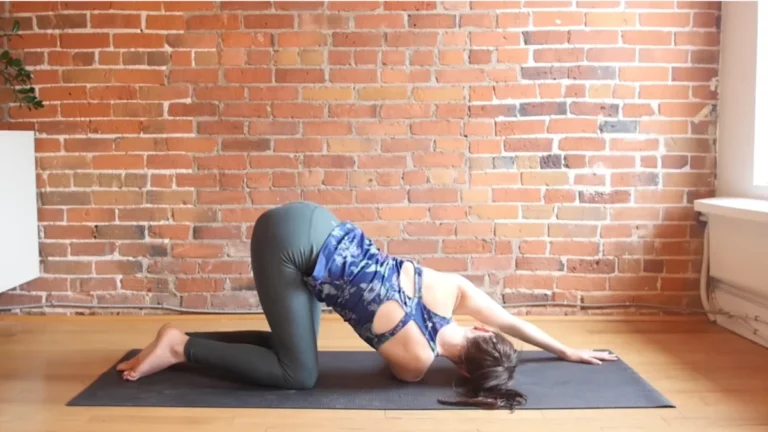
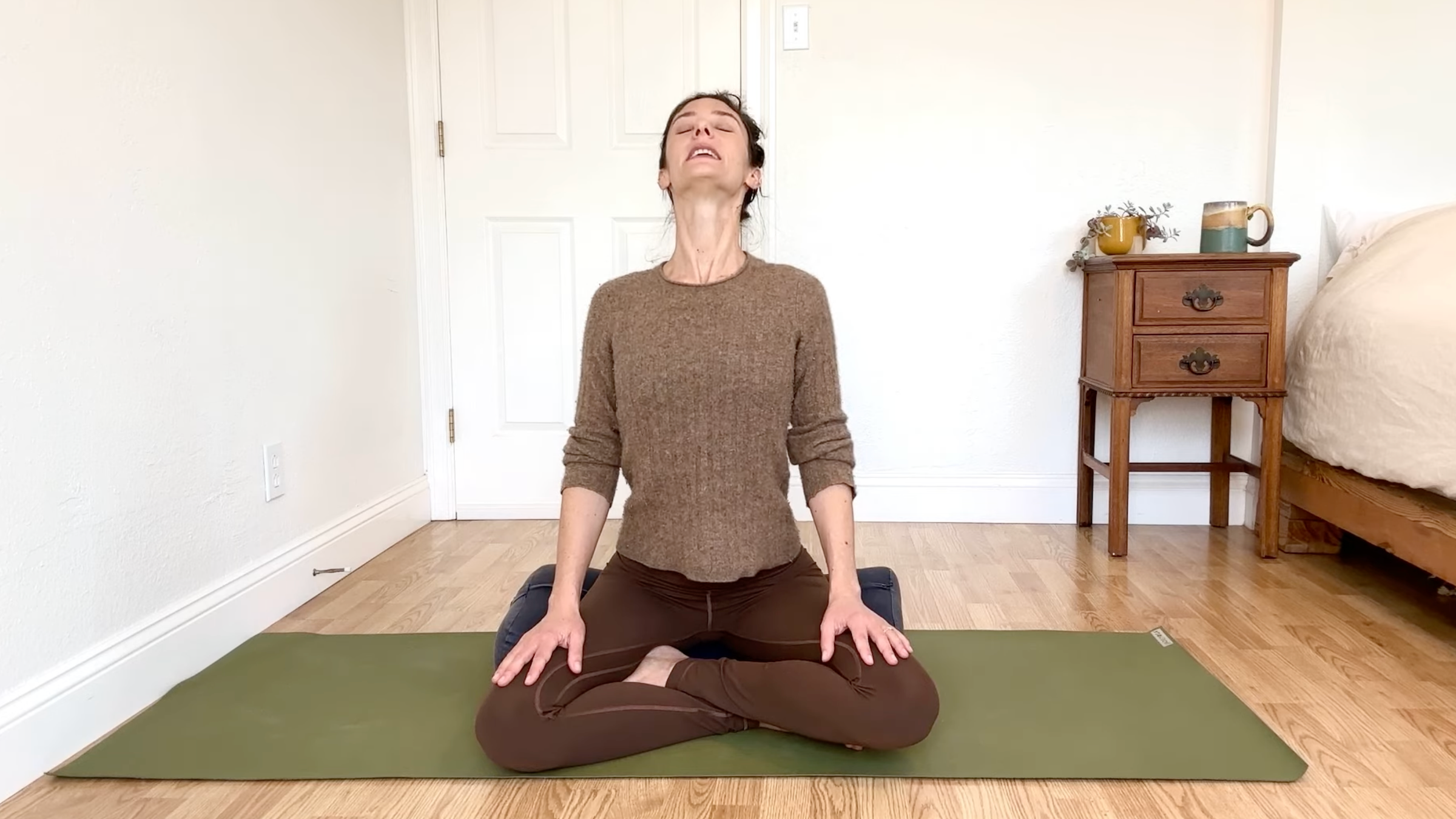
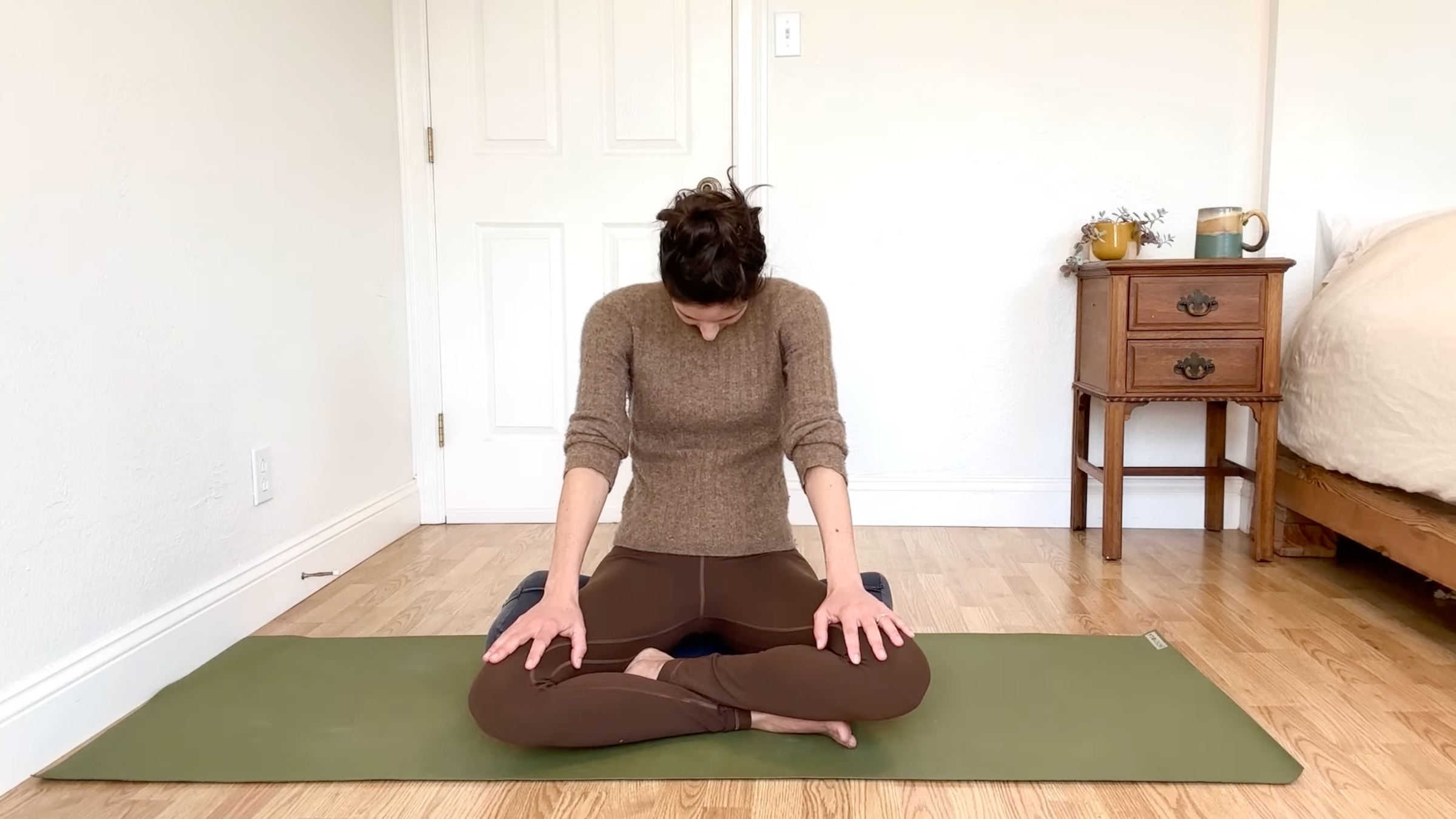
- The Cat-Cow Dynamic: This classic movement is perhaps the most effective way to lubricate the spinal column. In Seated Cow, the chest opens to receive breath; in Seated Cat, the spine rounds to release stored tension. This rhythmic oscillation mirrors the ebb and flow of the breath, fostering a meditative state.
2. Mobilizing the Torso and Sides
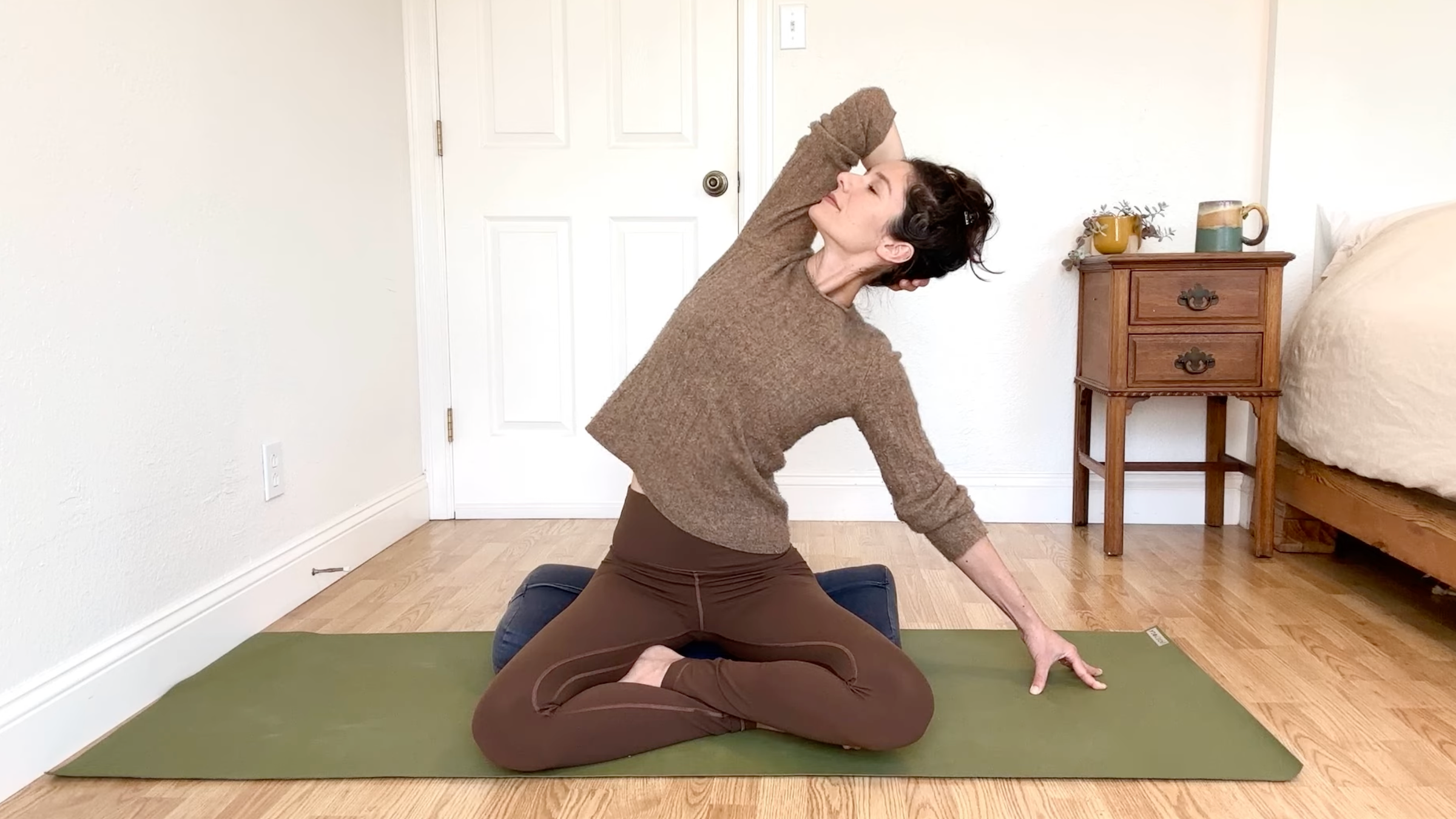
Stagnation in the ribcage often leads to shallow breathing. Torso Circles encourage the mobilization of the intercostal muscles, allowing for deeper, more expansive breaths. By allowing the neck to follow the movement, the practitioner releases tension in the cervical spine—a frequent repository for computer-induced stress.
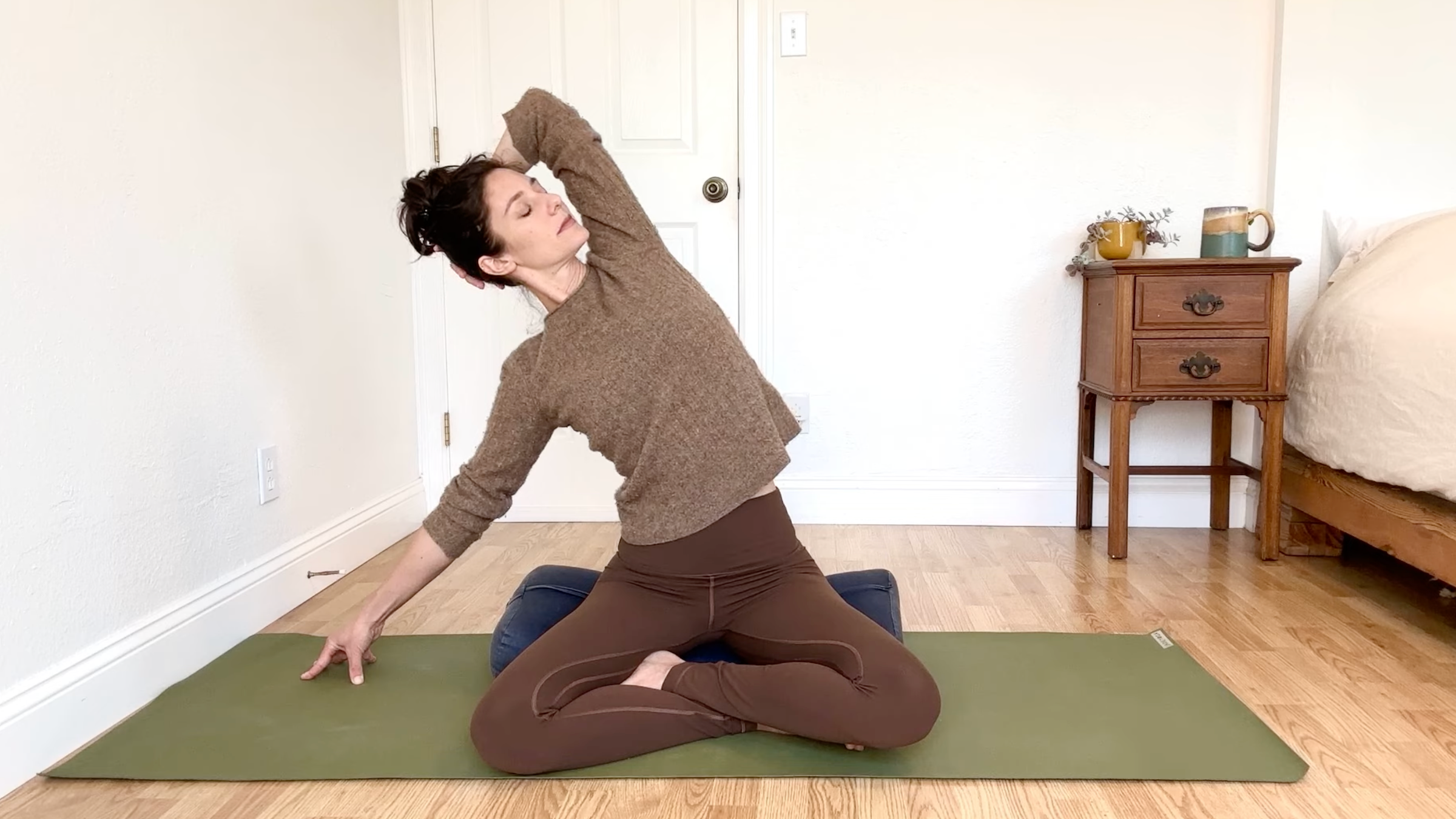
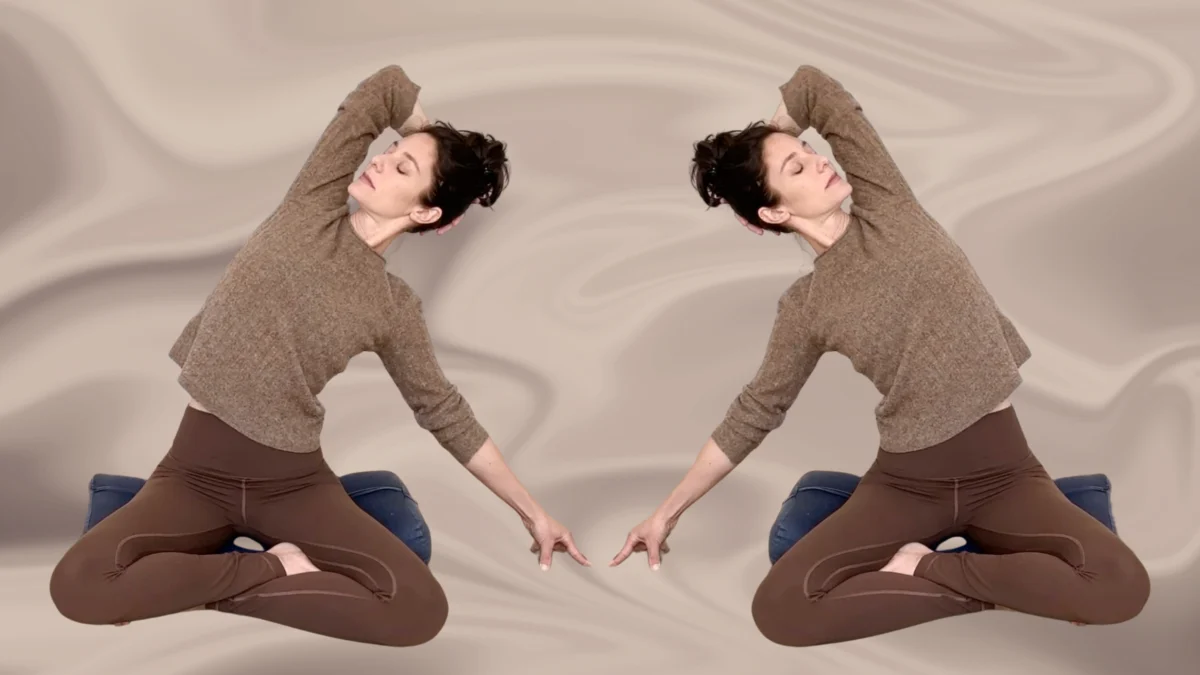
- Side Bending: Utilizing a block for stability, the seated side bend lengthens the latissimus dorsi and obliques. This lateral stretch is vital for counteracting the "slumped" posture that characterizes modern desk work.
3. Chest and Heart Integration
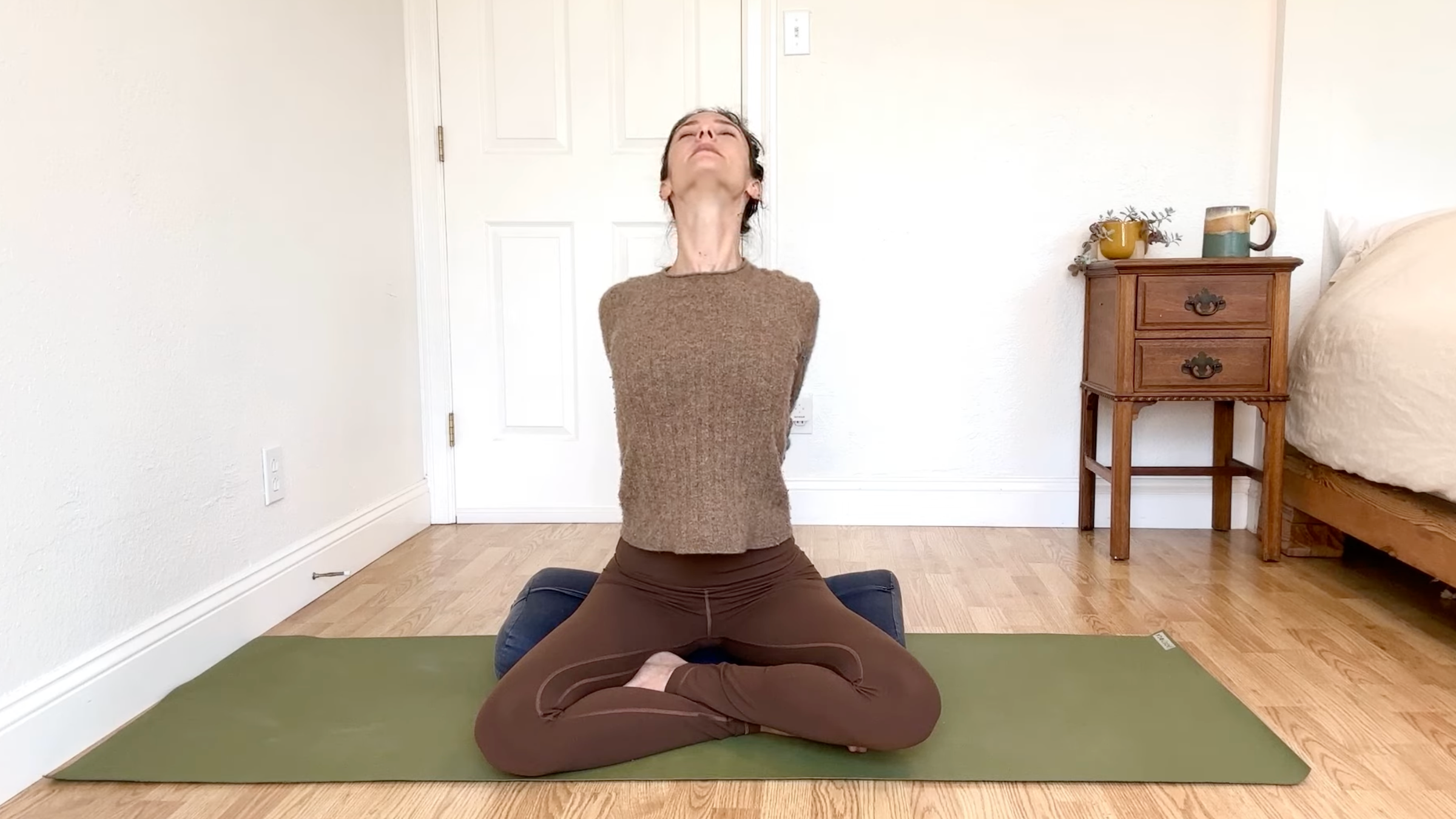
Following the side stretches, the Chest Opener requires interlacing fingers behind the back. This simple act of drawing the shoulder blades together forces the chest open, physically countering the tendency to hunch forward. Staying for three cycles of breath allows the pectoral muscles to lengthen and the heart rate to stabilize.
4. Transitioning to Reclined Recovery
The shift from a seated position to lying flat on the mat is a signal to the brain that the "active" portion of the day is over.
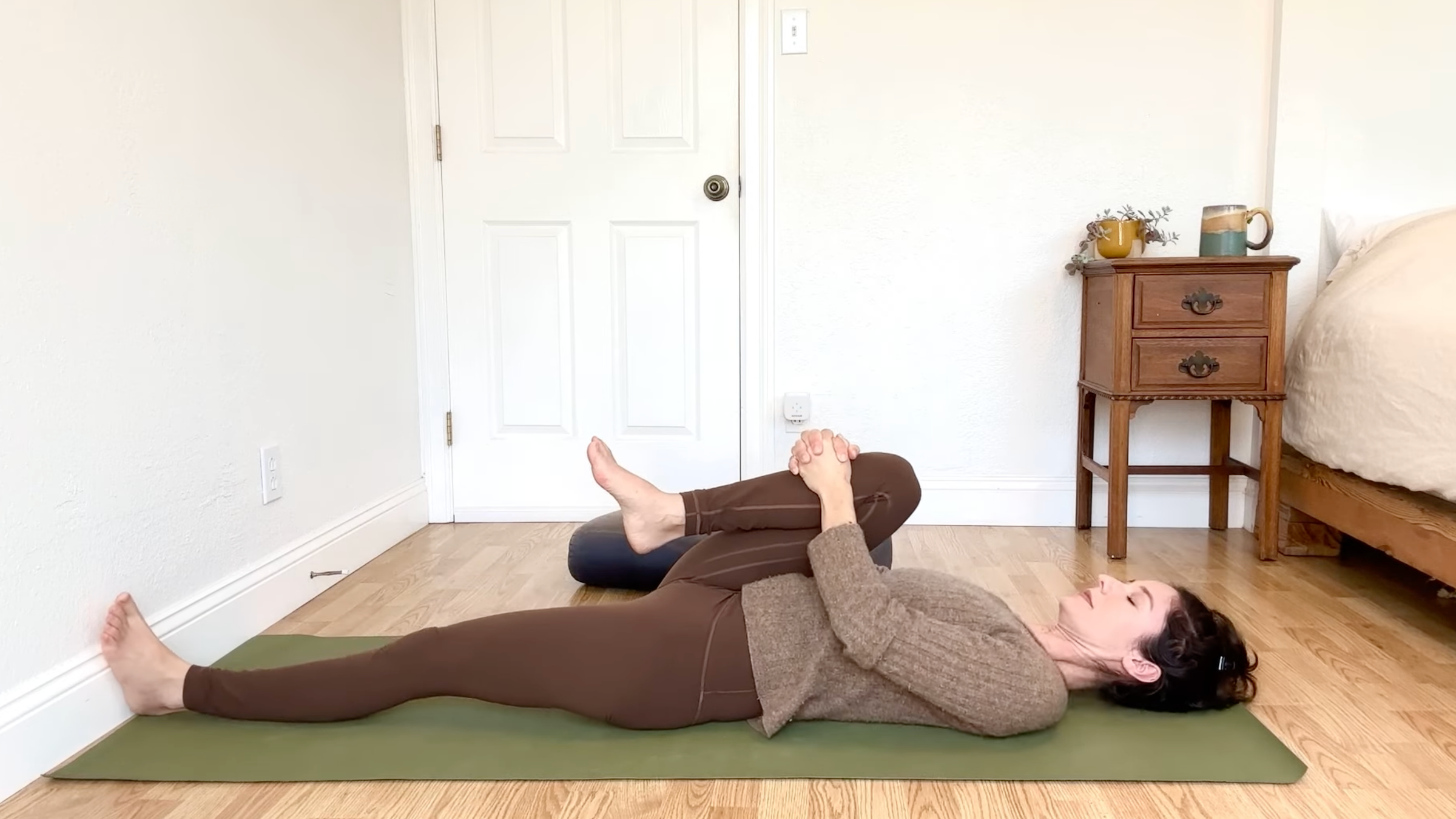
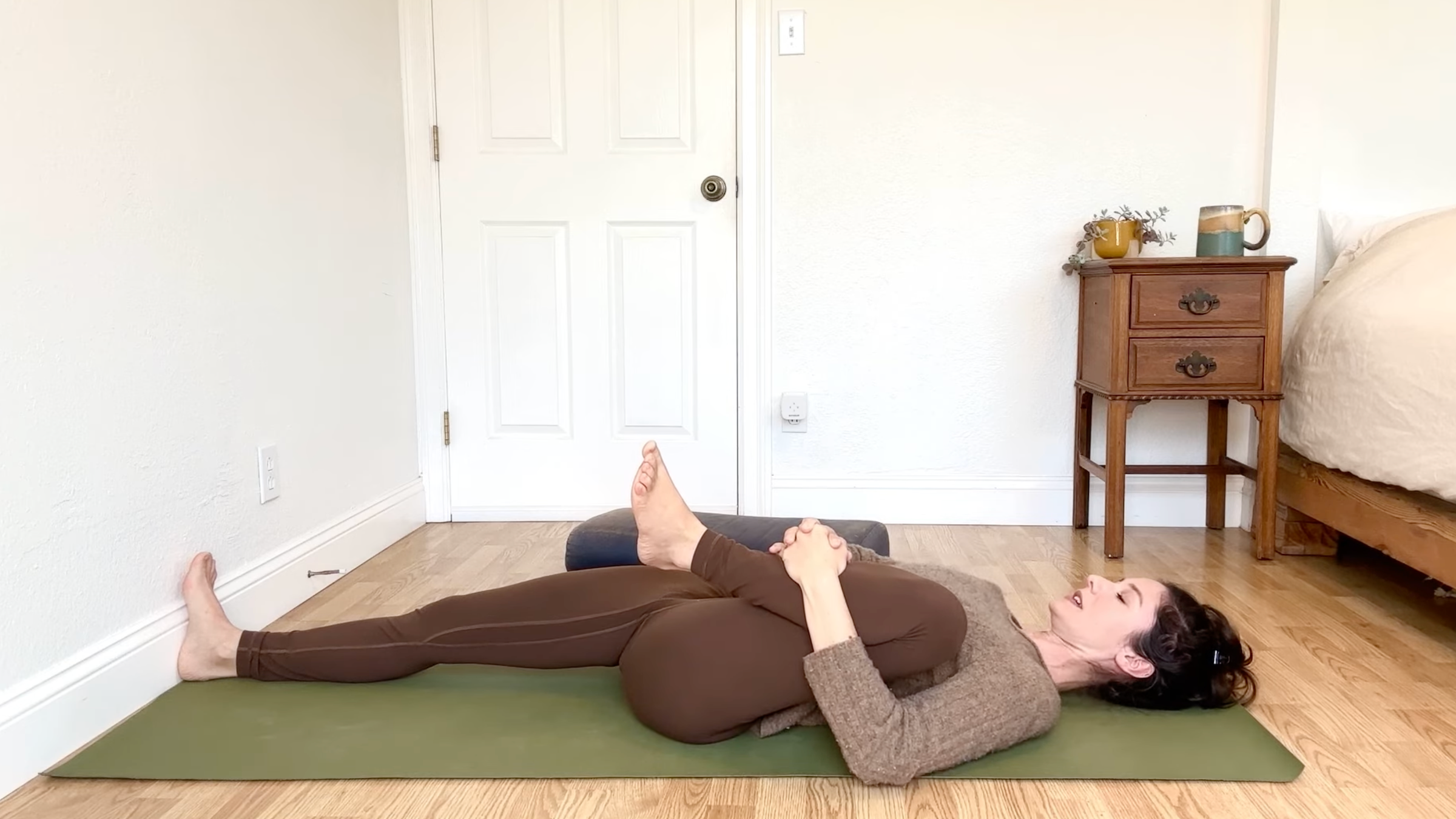
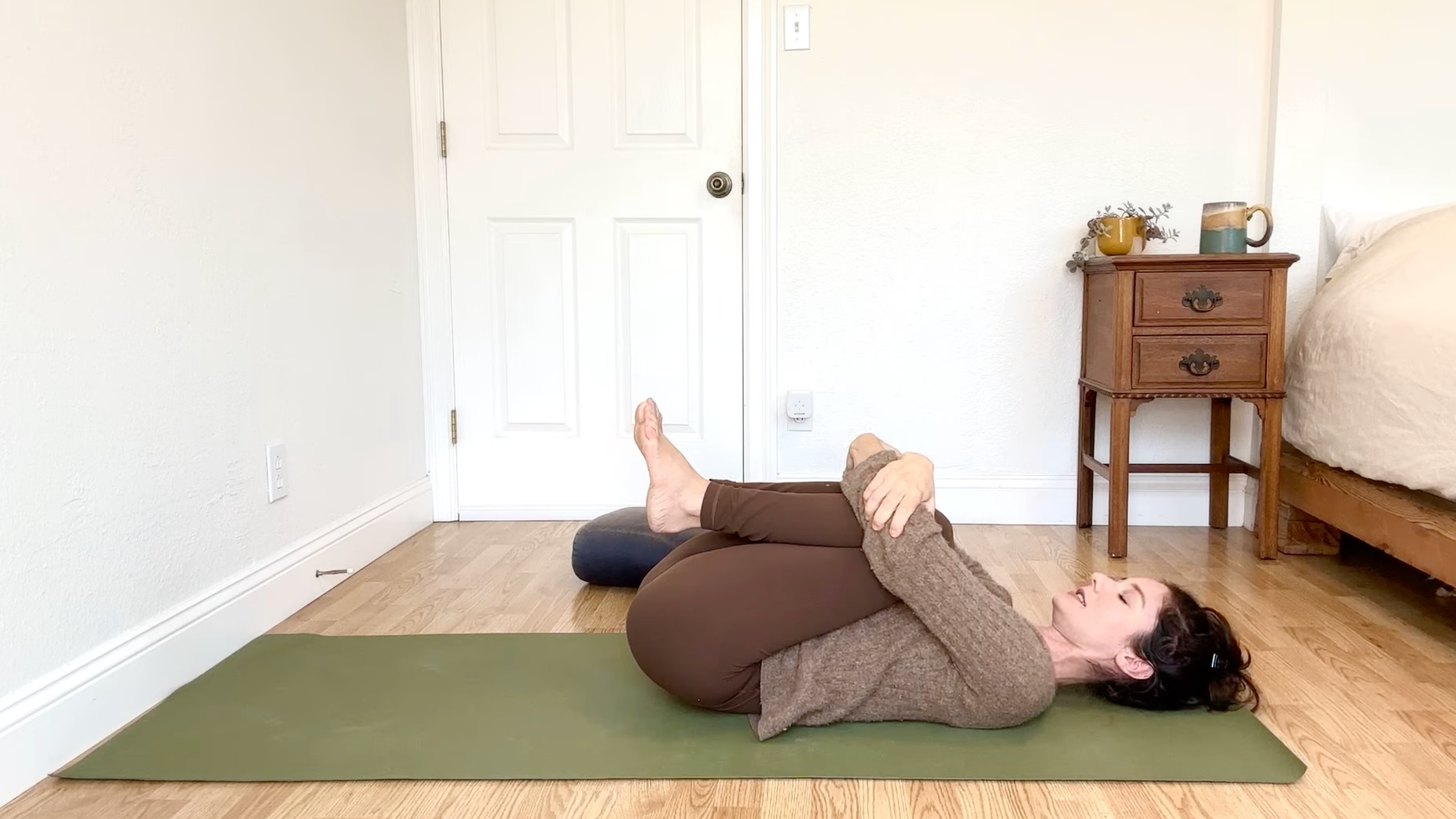
- Single Leg Stretch: By hugging one knee to the chest while extending the other leg, we address the hip flexors, which are often chronically shortened by prolonged sitting.
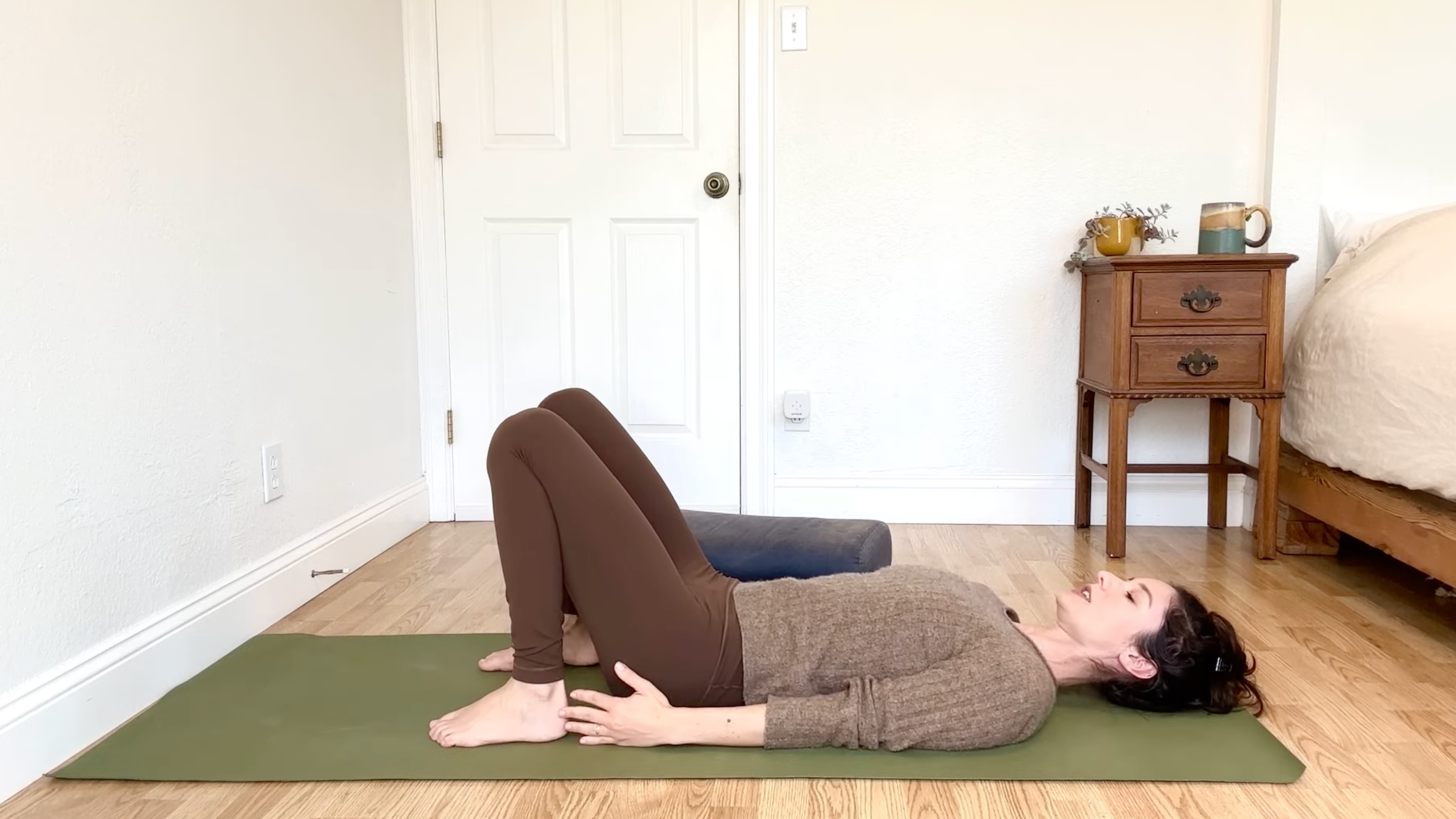
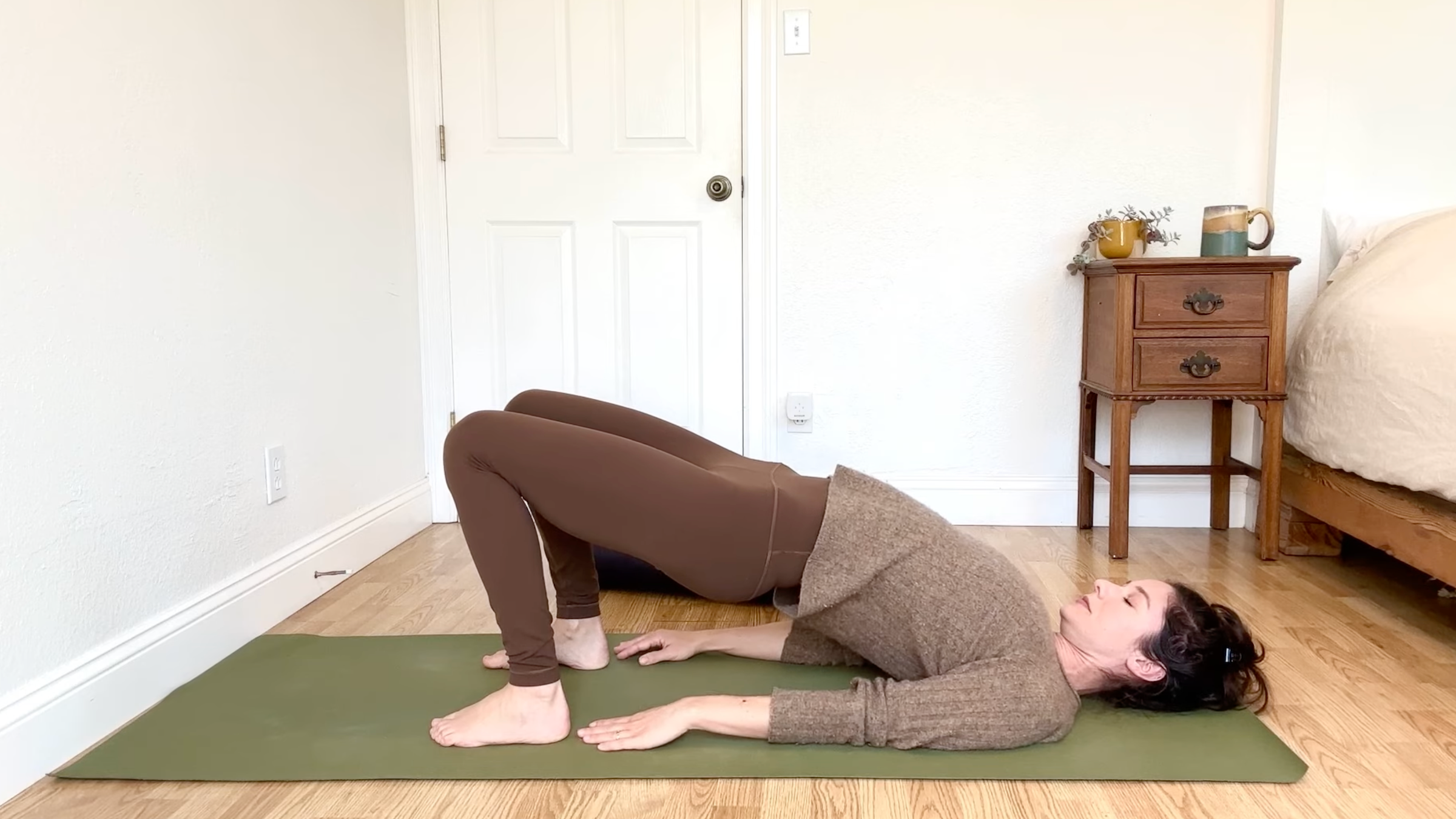
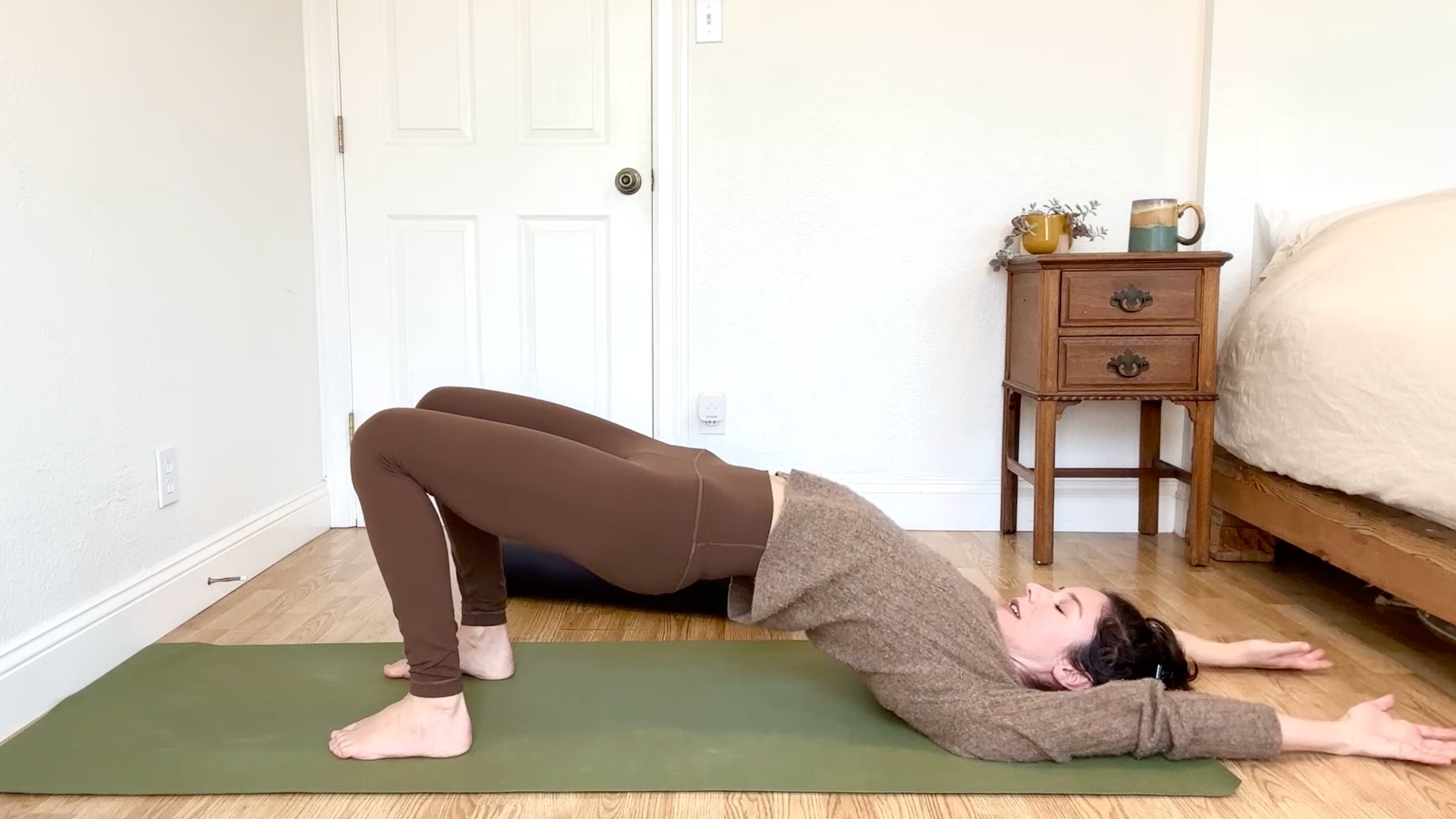
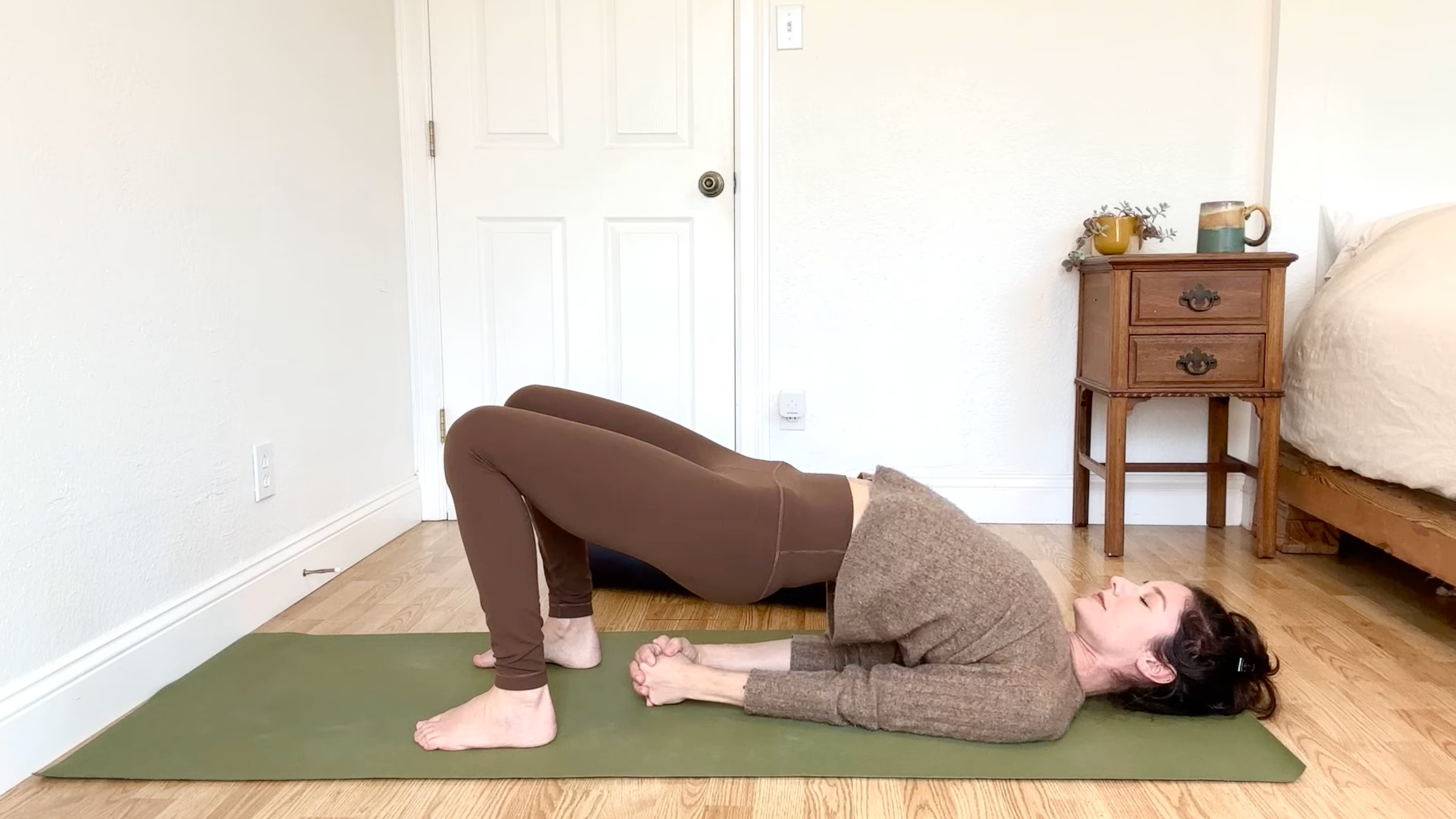
- Dynamic Bridge Pose: This movement is the anchor of the practice. By linking the elevation of the hips with the sweeping of the arms on the inhalation, the practitioner synchronizes movement with breath. This builds minimal, gentle heat while strengthening the posterior chain without the strain of standing postures.
5. Final Release and Integration
The closing movements—Happy Baby and Reclined Twist—are designed to decompress the lumbar spine and pelvic floor.
- Happy Baby: This pose invites a sense of playfulness and vulnerability, essential for shifting out of a rigid, stressed mindset.
- Reclined Twist: Twists are widely cited in yoga therapy as "detoxifying," though they are physiologically more beneficial for their ability to soothe the spinal nerves and calm the nervous system through deep rotation.
Supporting Data: The Physiological Implications
Research into restorative movement consistently demonstrates positive outcomes for mental health. A study published in the International Journal of Yoga suggests that consistent practice of low-intensity, meditative movement significantly reduces markers of systemic inflammation and lowers serum cortisol levels.
Furthermore, the "no-standing" aspect of this flow is particularly significant. For individuals suffering from vestibular issues, chronic fatigue syndrome, or simply high levels of burnout, the vestibular input required to maintain balance while standing can be an additional source of stress. By grounding the body entirely on the mat, the brain is freed from the need to manage balance, allowing for deeper focus on interoception—the ability to perceive the internal state of the body.
Official Perspectives on Gentle Yoga
Health professionals increasingly view yoga as a legitimate complement to clinical therapy. Dr. Elena Rossi, a consultant in integrative medicine, notes: "We are seeing a paradigm shift where ‘exercise’ is no longer just about burning calories. It is about nervous system regulation. A 15-minute flow that focuses on the spine and deep breathing can be more effective for a patient with anxiety than a 45-minute treadmill session, because it directly addresses the physiological roots of the stress response."
The American College of Lifestyle Medicine has also highlighted the importance of "mindful movement" in its pillars of health, acknowledging that techniques like those featured in this flow help in mitigating the effects of sympathetic nervous system overactivity, which is linked to heart disease, diabetes, and mood disorders.
Implications for Daily Life
The true value of this practice lies not in the flexibility of the limbs, but in the flexibility of the mind. By choosing a 15-minute flow that prioritizes kindness over intensity, the practitioner learns to listen to their own needs.
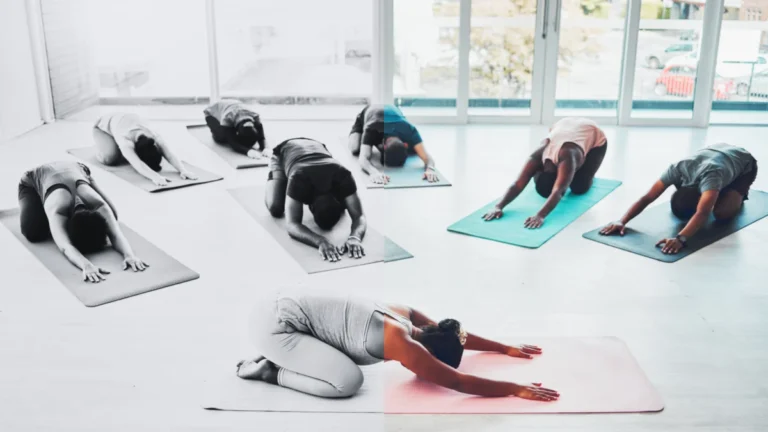
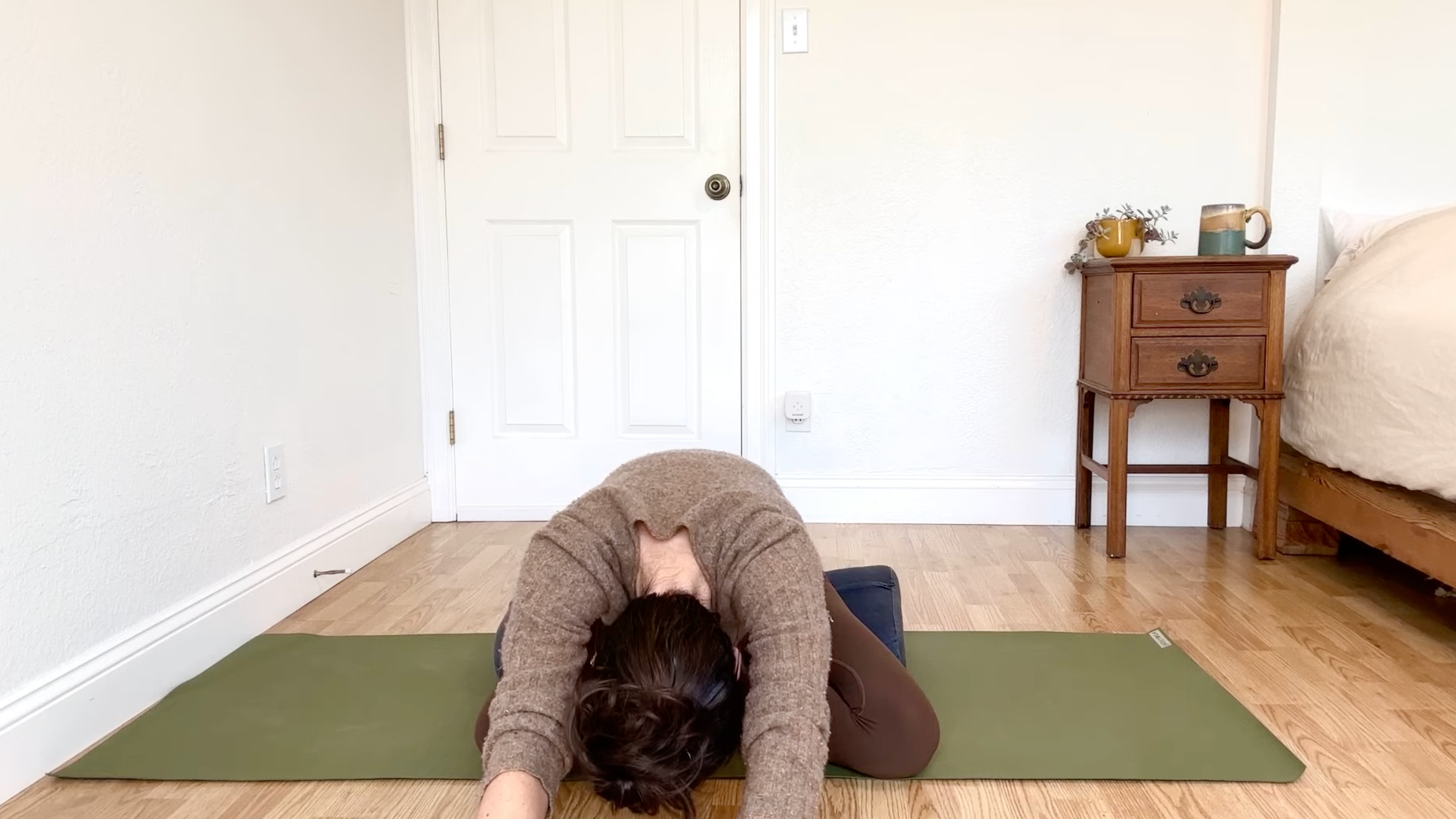
The concluding Child’s Pose and Thunderbolt Pose serve as a metaphor for the entire practice: a retreat into the self. By bringing the hands to heart center at the end of the session, the practitioner performs a gesture of self-gratitude. This, according to psychologists, is a crucial component of habit formation; when we reward our bodies with care rather than punishing them with grueling exercise, we are far more likely to maintain a consistent wellness routine.
In conclusion, the message is clear: if you are feeling wound up, the answer is rarely to "push through." Instead, it is to slow down, return to the mat, and allow your body the space it needs to restore its natural, calm equilibrium. As this sequence illustrates, the most effective medicine is often the kind that requires us to simply breathe, move, and let go.