








For many, the allure of the great outdoors is a fleeting weekend escape—a chance to disconnect from the digital grind and reconnect with the terrestrial. For Dylan Efron, however, the outdoors is not merely a destination; it is a high-stakes proving ground. The 34-year-old adventurer and reality television veteran has spent the better part of a decade cultivating a physique and a mindset designed for one primary purpose: absolute, unwavering readiness.
In an exclusive interview with Muscle & Fitness, Efron reveals that his fitness philosophy is rooted in the practical necessity of being prepared for whatever nature demands. Whether it is a spontaneous game of tennis, a grueling beach volleyball match, or the vertical demands of a Moab rock face, Efron operates under the conviction that the body should be a vessel of utility, not just aesthetics.
The Philosophy of "Perpetual Readiness"
At the core of Efron’s fitness regimen is a commitment to functional versatility. While many gym-goers focus on mirror muscles, Efron prioritizes "preparedness training."
"I like to play sports," Efron explains. "There’s a tennis court outside my hotel just now, and I went out there and was trying to hit balls. I play beach volleyball and soccer, and I try to just play as many sports as I can to stay loose. I just want to be ready for when those opportunities come because, like that rock climbing adventure, it’s a hard enough one that if I wasn’t in shape, I wouldn’t be able to do it."
This mindset serves as a buffer against the unpredictability of extreme sports. For Efron, the transition from hiking enthusiast to high-altitude climber wasn’t a sudden pivot, but a systematic scaling of his capabilities. Growing up alongside his brother, Zac Efron, Dylan developed an early appreciation for the vastness of the globe. This early exposure to the world’s geography planted the seeds of exploration that would eventually manifest as a series of athletic challenges.
A Chronology of Conquering the Red Rocks
Efron’s journey into serious rock climbing began between 2017 and 2018 in the rugged terrain of Utah. An avid hiker at the time, he found himself staring up at the monolithic structures of the American West, realizing that the barriers between wanting to climb and actually climbing were almost entirely self-imposed.
The Moab Milestone
In May 2026, Efron set his sights on the red rocks of Moab, Utah—a region known for its technical difficulty and sheer verticality. By this point, he had established a rigorous six-day-a-week training regimen supplemented by a high-protein diet.
"My buddies said, ‘Hey, we’re gonna do this,’" Efron recounts. "I’m in good shape. I think staying as healthy as I can to be ready for anything is the goal."
The Moab trek was no mere walk in the park. It consisted of a demanding one-hour hike to reach the base, a three-hour intensive climb, and a final one-hour hike to return to safety. This was not a passive activity; it was an endurance test that pushed his cardiovascular and muscular systems to their limits.
Overcoming the "Not Good Enough" Narrative
Perhaps the most significant turning point in Efron’s climbing career occurred when a professional guide once told him he "wasn’t good enough" to tackle the terrain he had his eyes on. Rather than retreating, Efron treated the rejection as a diagnostic tool.
"I think it’s just practice," he says. "Nothing comes overnight. The more you do it, the easier it gets. It’s like, if I don’t climb for a while, my fingers are the first thing that starts giving out. But the more you do it, the more calluses [you develop], so the stronger your fingers get."
This philosophy of incremental improvement mirrors his experience on Dancing with the Stars. Efron acknowledges that he was not a "natural" dancer, but he attributes his success on the show to a singular, relentless focus on practice. He applied that same "grind-first" mentality to the climbing walls of Utah.
Supporting Data: The Anatomy of a High-Performance Routine
Efron’s training split is meticulously balanced to support the demands of both explosive movement and sustained endurance. Because his adventures often involve long approaches (the hike-in/hike-out component), he cannot afford to neglect cardiovascular health.
The Training Split
- Lower Body (2x Weekly): Essential for the approach and the sustained tension required for climbing footwork.
- Upper Body (Back-Focused): Efron prioritizes his back muscles over chest and arms, recognizing that pulling strength is the primary engine of a climber.
- Cardiovascular Integration: He keeps a close eye on heart rate, noting that during his Moab trek, his heart rate frequently peaked at 160 beats per minute.
"I’m trying to focus on the big muscle groups and cardio," Efron notes. "Strength and flexibility—those are the most important for me."
The Role of Nutrition
Nutrition is the unsung hero of Efron’s success. Having transitioned from a younger athlete who overlooked the importance of fuel to a seasoned performer who understands the chemistry of recovery, Efron emphasizes the critical nature of protein intake.
"When I was younger, I would work out without having protein," Efron admits. "I did some blood work when I was doing triathlons and realized I needed more protein, more specifically whey protein, and realized the power of just nutrition in general."
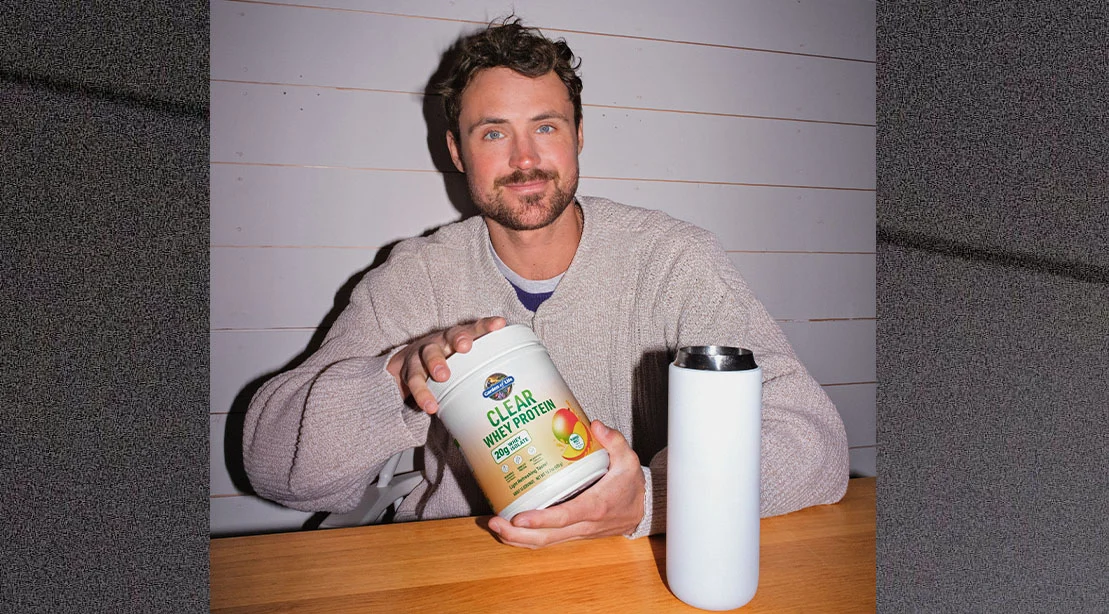
His partnership with Garden of Life for their Clear Whey Protein line is an extension of this belief. He views nutrition as the "mortar" between the bricks of his physical labor, ensuring that his muscles are repaired and primed for the next challenge.
Managing the Psychological Verticality
Climbing is as much a psychological endeavor as it is a physical one. Being suspended hundreds of feet above the earth, reliant solely on rope systems and one’s own grip, can trigger primal anxieties. Efron is candid about the fear that accompanies his high-stakes hobbies, particularly highlining.
"The highline, I was very scared," Efron confesses. "The rock climb, the first pitch was harder than I thought, so I got a little nervous because I started to cramp up and needed some electrolytes. But after that, I just started climbing smarter."
This ability to self-regulate under pressure is perhaps his most valuable asset. Whether he is literally "talking himself off the ledge" or managing the physical symptoms of dehydration, Efron’s approach is methodical. He treats his own mind like a piece of equipment that must be calibrated for the task at hand.
Implications: The Democratization of Adventure
Dylan Efron’s journey offers a profound lesson for the casual observer. His transformation from a curious hiker to a proficient rock climber and highliner is a testament to the fact that capability is a choice.
"I’ve been going to national parks since I was a kid and seeing people out there and being like, ‘Oh, I wanna do that someday,’ and then realizing, ‘Oh, I could do that today if I want,’" he reflects. "I just have to learn. And then that led to highlining… I’d be out rock climbing and I’d see someone highlining and I’d be like, ‘OK, I want to do that next.’ I think it’s just knowing that we have the ability and taking that first step to wanting to learn something."
A Blueprint for the Future
The implications of Efron’s lifestyle extend beyond his personal achievements. He serves as a bridge between the world of high-level adventure sports and the general public, demonstrating that one does not need to be a professional athlete to pursue challenging physical goals.
By maintaining a base level of fitness that allows for "spontaneous readiness," Efron has essentially hacked the traditional approach to aging and activity. He isn’t training for a specific competition; he is training for a life of sustained participation.
As Efron continues to explore, climb, and document his journey, his story serves as a reminder that the world is not meant to be viewed from the sidelines. With the right blend of consistent training, strategic nutrition, and the humility to learn from failure, the barriers to our own "Moab" are, in the end, only as high as we perceive them to be.