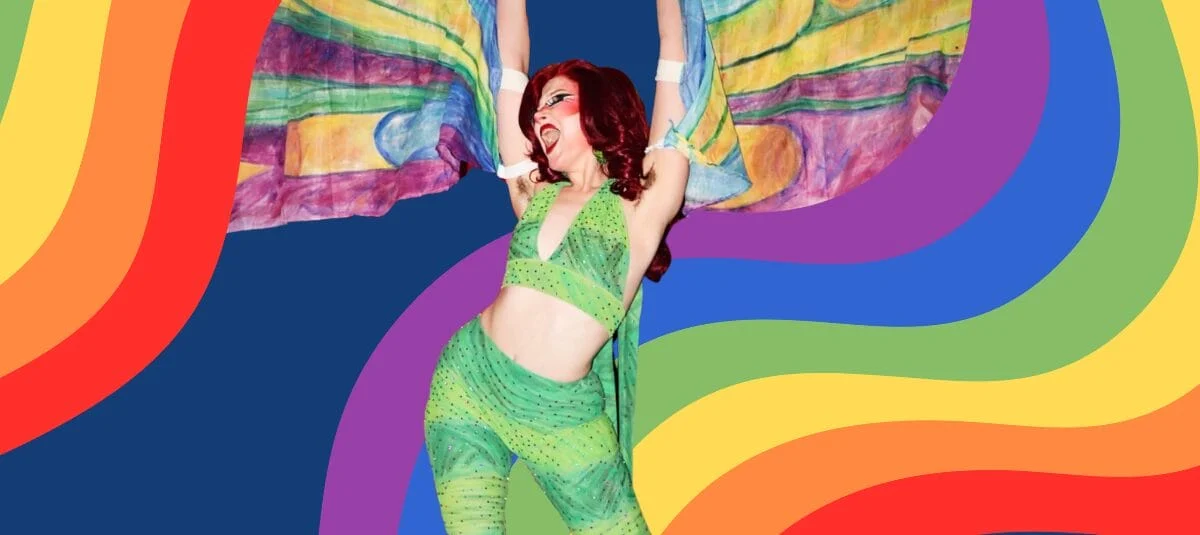
In an era where the visibility of the LGBTQ+ community is at an all-time high, the underlying structures that support queer well-being are often overlooked. Beyond the glitter, the towering wigs, and the high-energy performances of the drag stage lies a sophisticated social architecture: the "chosen family." For many performers and patrons alike, the local drag scene is not merely a source of entertainment but a critical sanctuary for mental health and community resilience.
Recent narratives from within the community highlight a profound truth: the most transformative element of drag is not the performance itself, but the radical acceptance and mentorship that follow the final curtain call. By examining the evolution of a performer’s journey—from spectator to "drag child"—we can better understand the vital role these spaces play in the broader landscape of public health and social cohesion.
The Chronology of Transformation: From Spectator to Performer
The journey into the heart of the drag community often begins with a single, tentative step into a queer space. For many, this first encounter is a revelation of safety and belonging.
The First Step: Finding the Space
The transition usually starts in the audience. For many queer individuals, entering a gay bar or a dedicated queer venue for the first time represents a significant milestone. It is often the first time they find themselves in a space where they are not the "odd one out," but rather part of a majority. This initial sense of being "at home" is the foundation upon which deeper community ties are built.
The Debut: Stepping into the Spotlight
The shift from spectator to participant typically occurs after a period of observation and immersion. Performers often describe their first time in drag as a moment where time slows down—a rush of adrenaline and identity exploration. However, the true impact of the debut is felt offstage. The "outpouring of support" from older, more experienced performers provides an immediate sense of validation. In the professionalized world of drag, this is the moment an individual is "seen" by their peers, marking the beginning of their integration into the community’s social fabric.
The Evolution: A Year of Growth
Within eighteen months of a first performance, a drag artist often moves from a novice seeking approval to a fixture within the local scene. This period is characterized by the development of "drag lineage." The performer is no longer an isolated artist; they are part of a genealogy of mentorship, inheriting techniques, history, and emotional support from those who came before them.
The Kinship Structure: The "Chosen Family" and Drag Lineage
Central to the drag experience is the concept of the "chosen family." This social structure is a direct response to the historical—and often contemporary—rejection queer individuals face from their biological families.
The Roots of Ballroom Culture
The tradition of "adopting" newer performers into "houses" or families has deep roots in the ballroom scene, pioneered largely by Black and Latine trans and queer communities in the late 20th century. This mentorship goes beyond the aesthetic—teaching a "drag daughter" how to style a wig or apply rhinestones is a form of cultural pedagogy. It is an exchange of survival skills and a way to pass down the history of a marginalized community.
A Modern Family Tree
In contemporary local scenes, these relationships have expanded into complex networks. Performers speak of "drag moms," "drag aunts," "godmothers," and even "drag in-laws." These titles are not merely honorary; they represent a commitment to mutual aid.
- Mentorship: Experienced queens provide technical advice on performance and costuming.
- Emotional Support: Older figures offer a "lecturing" that comes from a place of love, correcting mistakes while providing a safety net.
- Social Cohesion: The "patio family reunion" atmosphere at local clubs serves as a weekly touchstone for stability, ensuring that members of the community are checked on and cared for.
Supporting Data: The Intersection of Community and Mental Health
The importance of these spaces is backed by a growing body of sociological and psychological research. The "chosen family" is not just a social preference; it is a life-saving necessity for many.
Statistics on Queer Isolation
According to data from organizations like The Trevor Project, LGBTQ+ youth who have at least one accepting adult in their lives are 40% less likely to attempt suicide. In many cases, that "accepting adult" is found within the drag and queer community rather than the home. Furthermore, the "minority stress" model suggests that the chronic stress faced by members of stigmatized groups can be mitigated through "ingroup solidarity."
The "Safe Space" as a Health Intervention
Local drag scenes provide what sociologists call "third spaces"—locations that are neither home nor work where people can gather and interact. For the queer community, these spaces function as mental health hubs. When an individual feels they can be the "fullest version of themselves," the psychological burden of "code-switching" or hiding their identity is lifted. This reduction in cognitive load is directly linked to improved mental health outcomes.
Official Responses and Institutional Perspectives
Mental health advocates and LGBTQ+ organizations have increasingly recognized the importance of informal community networks in providing care.
The Role of Advocacy Groups
Organizations such as Active Minds, which focuses on mental health mobilization among young adults, emphasize that personal storytelling is a "blueprint" for others. By sharing stories of finding community in drag, performers provide a roadmap for those struggling with isolation. These narratives help destigmatize the search for non-traditional support systems.
Public Health Recognition
Public health officials are beginning to acknowledge that "community belonging" is a social determinant of health. In cities with vibrant queer districts, the presence of year-round queer spaces—ranging from bars to sober coffee shops—is associated with higher levels of community resilience. The "Get Involved" initiatives seen in many mental health blogs encourage individuals to turn their lived experiences into advocacy, further strengthening the community’s internal support mechanisms.
Implications: The Future of Queer Community Spaces
The narrative of the drag performer highlights a broader societal need for inclusive, year-round spaces that foster connection.
Beyond June: The Need for Year-Round Visibility
While Pride Month provides a significant boost in visibility, the mental health benefits of the drag community are a 365-day-a-year requirement. The "chosen family" does not stop functioning when the rainbows are taken down in July. There is a critical need to support local venues—gay bars, sober queer spaces, art collectives, and performance halls—that serve as the permanent homes for these families.
The Vulnerability of the "Sanctuary"
Despite their importance, these spaces are often vulnerable to economic pressures like gentrification or political climates that target drag performances. The loss of a local gay bar is not just the loss of a business; it is the displacement of a family. Protecting these venues is, therefore, a matter of protecting public health.
A Call to Action for the Isolated
For those seeking closer queer relationships, the advice from within the community is clear: seek out the local spaces. Whether it is a drag show, a queer art collective, or a sober meet-up, the act of surrounding oneself with people who share a lived experience is "life-changing." As the narrator of the original story suggests, finding a place where you are no longer the "odd one out" can be the catalyst for a total transformation of one’s mental well-being.
Conclusion
The art of drag is often celebrated for its glamour and its subversion of gender norms. However, its greatest contribution may be the quiet, enduring strength of the community it builds. Through the structure of the chosen family and the mentorship of the drag lineage, the scene provides a robust support system that counters the isolation of the marginalized. By recognizing these spaces as essential components of mental health infrastructure, society can better support the well-being of the LGBTQ+ community. As many performers have found, picking up a wig might just be the first step toward finding a family, a purpose, and a home.
Get Involved: Your story could be the catalyst for someone else’s healing. If you have experienced the power of community in your mental health journey, consider sharing your narrative. Organizations like Active Minds offer platforms for stories that show the world what mental health mobilization looks like in action. Visit their website to find guidelines on how to contribute to the ongoing conversation about queer resilience and belonging.