











By Global Affairs Correspondent
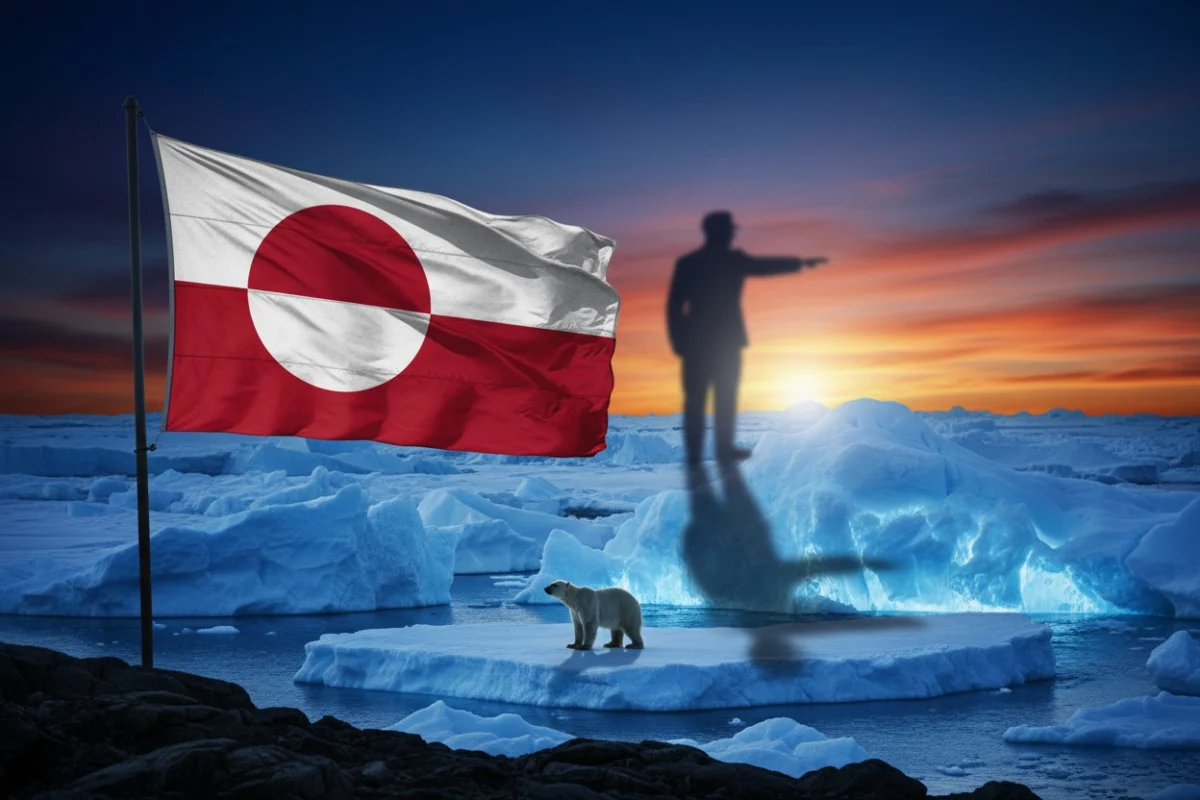
The Arctic has emerged as the latest theater of geopolitical friction, as a long-dormant American ambition to acquire Greenland has transformed into an active, high-stakes diplomatic crisis. At the recent NATO summit in Ankara, U.S. President Donald Trump reiterated his administration’s intent to bring the autonomous Danish territory under American control, sparking a fierce rebuttal from Copenhagen and Nuuk. The proposal, which has evolved from speculative rhetoric into a formal "national security priority," has placed the United States at odds with its closest North Atlantic allies.
The Ankara Standoff: A Diplomatic Breach
The crisis reached a boiling point during a bilateral meeting in Ankara between President Trump and Turkish President Recep Tayyip Erdogan. During the proceedings, Trump explicitly stated that Greenland "should be controlled by the United States, not by Denmark." The remarks, delivered in the presence of international delegates, caught the Danish delegation off guard and signaled a significant hardening of the American stance.
Danish Prime Minister Mette Frederiksen, maintaining a composed but resolute posture, responded on July 8 with a clear message: "We are ready to defend every inch of NATO, including our own territory. Of course, we will defend the kingdom of Denmark." Frederiksen emphasized that the right to self-determination is a foundational principle of the modern international order, urging all NATO allies to respect the will of the Greenlandic people.
Chronology of the Modern Crisis
While U.S. interest in the world’s largest island dates back to the 19th century—including President Harry Truman’s 1946 offer—the current escalation is unprecedented in its intensity and coercive nature.
- 2024–2025: The White House begins signaling that Arctic security, framed against rising Russian and Chinese influence, necessitates a more direct U.S. footprint in the region.
- May 18, 2026: Louisiana Governor Jeff Landry, serving as a special envoy for the U.S. administration, meets with Greenlandic Prime Minister Jens-Frederik Nielsen in Nuuk. The meeting proves fruitless, as Nielsen explicitly tells the envoy that the island is "not for sale."
- Late May 2026: Reports emerge that the U.S. has proposed a financial incentive package amounting to $100,000 per Greenlandic resident, alongside threats of aggressive trade tariffs on European nations that oppose the move.
- June 2026: The deadline for the initial tariff ultimatum passes, with the U.S. threatening to raise levies to 25% on eight European nations, including Denmark, should negotiations regarding a transfer of sovereignty fail to materialize.
- July 2026: The NATO summit in Ankara becomes the site of a public confrontation, with the Danish government announcing the deployment of advanced military units to the island and the drafting of emergency contingency plans.
Supporting Data: Why Greenland?
The strategic rationale cited by Washington rests on a triad of concerns: military positioning, resource access, and the mitigation of rival power influence.
1. Rare Earth Mineral Dominance
Greenland is home to approximately 25 of the 34 minerals classified as "critical" by the European Union. In an era defined by the transition to green energy and advanced technological manufacturing, these reserves are considered vital to U.S. national interests. By securing the island, Washington aims to decouple its supply chain from reliance on Chinese extraction and processing.
2. Arctic Shipping Lanes
As climate change accelerates the melting of Arctic ice, new shipping corridors are opening. These routes promise to revolutionize global logistics by drastically shortening transit times between Europe and Asia. The U.S. views control over these lanes as an essential component of its 21st-century maritime strategy.
3. Military Infrastructure
The 1951 defense agreement between the U.S. and Denmark has long allowed for the operation of critical facilities, such as the Pituffik Space Base (formerly Thule Air Base). However, the current administration argues that the existing arrangement is insufficient for the challenges posed by modern long-range ballistics and surveillance, seeking instead full territorial integration to bypass host-nation constraints.
Official Responses: The Clash of Sovereignty
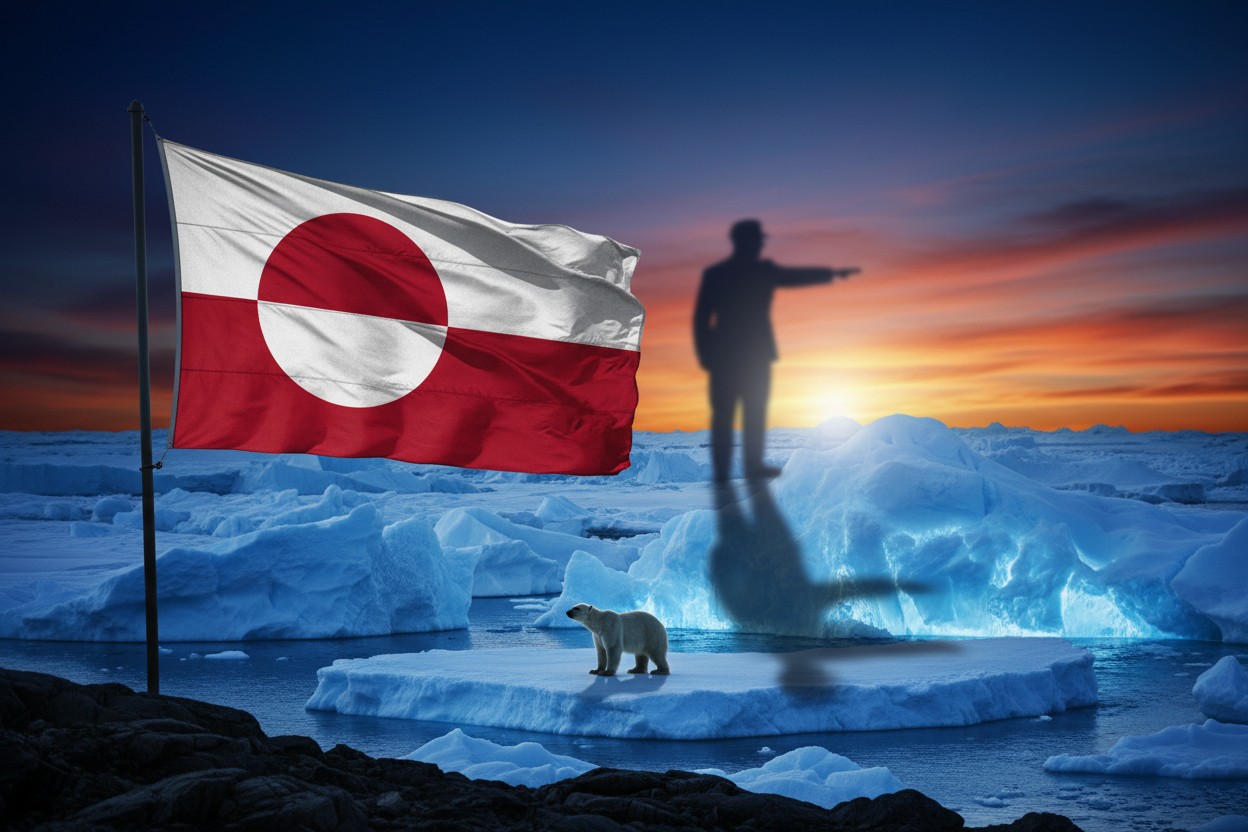
The reaction from Nuuk has been one of defiance. Prime Minister Jens-Frederik Nielsen has been categorical, asserting that the territory’s right to self-determination "cannot be negotiated." Nielsen has taken the unusual step of advising citizens to prepare for potential supply chain disruptions, signaling that the Greenlandic government views the threat of a U.S. incursion as a genuine, if not immediate, possibility.
In Copenhagen, the tone is equally grave. The Danish government has not only bolstered its military presence but, according to reports from public broadcaster DR, has gone as far as developing contingency plans that include the destruction of key airport runways to prevent an unopposed landing by foreign forces.
The international community remains divided. While the U.S. has found a vocal supporter in certain factions of the Republican Party—notably Representative Randy Fine, who introduced legislation to recognize Greenland as the 51st state—most Western leaders have sided with Denmark. British Prime Minister Keir Starmer has publicly rebuked the proposal, stating that the island’s future belongs solely to the people of Greenland and the Kingdom of Denmark. NATO Secretary-General Mark Rutte, attempting to contain the fallout, described the rift as a "family argument," though few in the diplomatic community share his sense of optimism.
The Legal and Ethical Landscape
Legal experts remain adamant that the annexation of a sovereign territory in the modern era is a violation of international law. The 2009 Self-Government Act grants Greenland broad autonomy, and any change to its status would require the explicit consent of the Greenlandic Parliament (Inatsisartut) and the Danish Folketing.
"Any attempt to force a transfer of sovereignty would be an act of aggression that would fundamentally dismantle the post-WWII security architecture," says Dr. Elena Vance, a scholar of international law. "The U.S. is essentially attempting to leverage economic warfare—tariffs—to bypass the democratic process of a sovereign ally."
Implications: A NATO in Crisis
The implications of the U.S. push for Greenland extend far beyond the Arctic Circle. The dispute has created an existential crisis for NATO. If a member state can threaten another with economic ruin and military encroachment, the alliance’s foundational promise of collective security is called into question.
Furthermore, the U.S. administration’s "range of options," which press secretary Karoline Leavitt noted could include the use of military force, has unsettled the Nordic countries. Finland and Sweden, both recent additions to the alliance, are reportedly monitoring the situation with increasing alarm, fearing that a precedent set in Greenland could undermine the security of their own northern territories.
As of July 2026, there have been no official negotiations between the parties. The Greenlandic government continues to host protests, with citizens gathering outside the newly established American consulate in Nuuk, chanting "No means no." Despite the mounting pressure, there is no evidence that the Greenlandic public or their elected officials have any appetite for integration into the United States.
For now, the situation remains a tense standoff. While Washington maintains that the acquisition is a necessity for the "security of the West," the reality on the ground is that the pursuit of this goal has become one of the greatest threats to the very stability it claims to be protecting. As the June 1 tariff deadline passes without a resolution, the world waits to see whether the U.S. will escalate its coercive measures or retreat from a path that threatens to isolate it from its most essential historical allies.