Published July 30, 2026
In an era defined by sedentary habits, the "digital slump"—the forward-leaning posture adopted by millions while hovering over laptops, smartphones, and tablets—has become a global health concern. As the human form increasingly adapts to a life of hunching, the physical and psychological toll is becoming impossible to ignore. Yoga, an ancient discipline of movement and mindfulness, is emerging as the primary antidote to this modern affliction, offering a pathway to reconfigure the body into a state of structural integrity and presence.
The Anatomy of Alignment: Why Posture Matters
Posture is far more than a matter of aesthetics. It is the architectural foundation of the human body. Proper alignment ensures that the musculoskeletal system functions with optimal efficiency, distributing gravity’s force evenly across the spine, joints, and muscles. When this foundation shifts due to chronic slouching, the body compensates, leading to a cascade of issues ranging from tension headaches and neck strain to chronic lower back pain.
Beyond the physical, the connection between posture and mental state is profound. Research has increasingly highlighted that the way we carry ourselves influences our internal narrative. Studies published in journals such as Health Psychology suggest that an upright, expansive posture can boost self-esteem and reduce feelings of lethargy. Conversely, a closed, slumped posture has been clinically linked to heightened symptoms of depression and anxiety. By practicing yoga, individuals are not merely correcting their shoulders; they are engaging in a comprehensive reset of their nervous system.
A Chronological Shift: From Static to Dynamic Health
The evolution of posture-related health began in earnest as the workforce shifted from manual labor to office-based technology use. Throughout the late 20th and early 21st centuries, clinicians observed a spike in "text neck" and repetitive strain injuries.
In the 2010s, physical therapists began incorporating yoga-based movements as a preventative strategy. By 2026, the integration of yoga into clinical wellness programs has reached a new peak. What was once considered a niche spiritual practice is now viewed by the medical community as a high-efficacy intervention for spinal health. This chronological pivot toward movement-based medicine emphasizes that static exercise is no longer sufficient; the modern body requires the multi-planar mobility that yoga provides.
The Physiological Data: Evidence-Based Alignment
The benefits of yoga for posture are not merely anecdotal. A robust body of peer-reviewed research supports the practice:
- Core Engagement: Posture is fundamentally a function of core strength. Yoga poses force the engagement of the deep transverse abdominis, which acts as a natural corset for the spine.
- Muscular Symmetry: Many of us suffer from "dominant side" imbalances. Yoga forces both sides of the body to work in tandem, correcting the subtle leanings that develop over years of uneven movement patterns.
- Heart Opener Benefits: Chronic forward-folding restricts the chest cavity. Backbends and heart-opening sequences expand the pectoral muscles, allowing for deeper respiratory capacity. When you breathe better, you stand taller.
- The Psychological Link: Clinical trials have shown that consistent yoga practice lowers cortisol levels. When stress is reduced, the subconscious tendency to "curl inward" as a protective reflex diminishes, allowing for a more natural, upright carriage.
Expert Perspectives: The Clinical Consensus
Physical therapists and orthopedic surgeons increasingly point to the "sustainable alignment" found on the mat as a critical tool for longevity.
"We often treat the symptoms of poor posture—herniated discs, impinged shoulders—but we fail to treat the cause: a lack of structural awareness," notes Dr. Elena Vance, a specialist in movement science. "Yoga teaches proprioception—the ability to know where your body is in space. Once a patient learns to inhabit their body through poses like Mountain or Tree, they stop slouching not because they are told to, but because they can literally feel the difference in their own energy levels."
Furthermore, wellness experts emphasize that posture is a reflection of daily habits. "Yoga is the calibration," says movement coach Julian Thorne. "You cannot undo ten hours of desk work in one hour of yoga, but you can build the awareness required to catch yourself slouching during those ten hours. That is where the real change happens."
5 Essential Yoga Poses for Structural Integrity
To cultivate a body that exudes presence and power, practitioners should incorporate these five foundational poses into their daily routine.
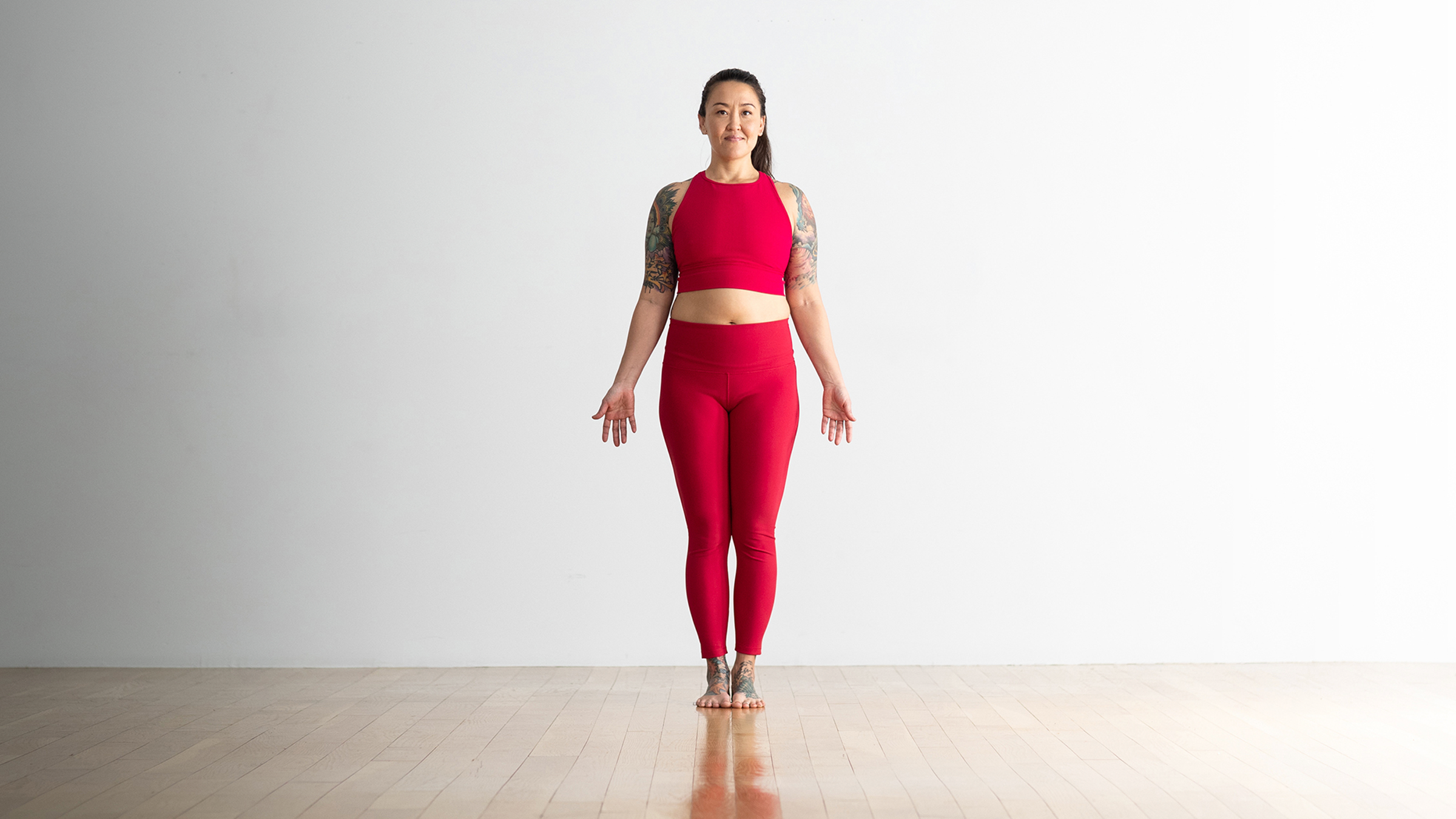
1. Mountain Pose (Tadasana)
While it appears to be simple standing, Mountain Pose is the "zero-point" of yoga. It requires the active engagement of the feet, the lifting of the quadriceps, the neutral alignment of the pelvis, and the broadening of the collarbones. By returning to this pose throughout the day, practitioners reset their "default" setting, moving away from the slumped shoulders typical of the digital age.
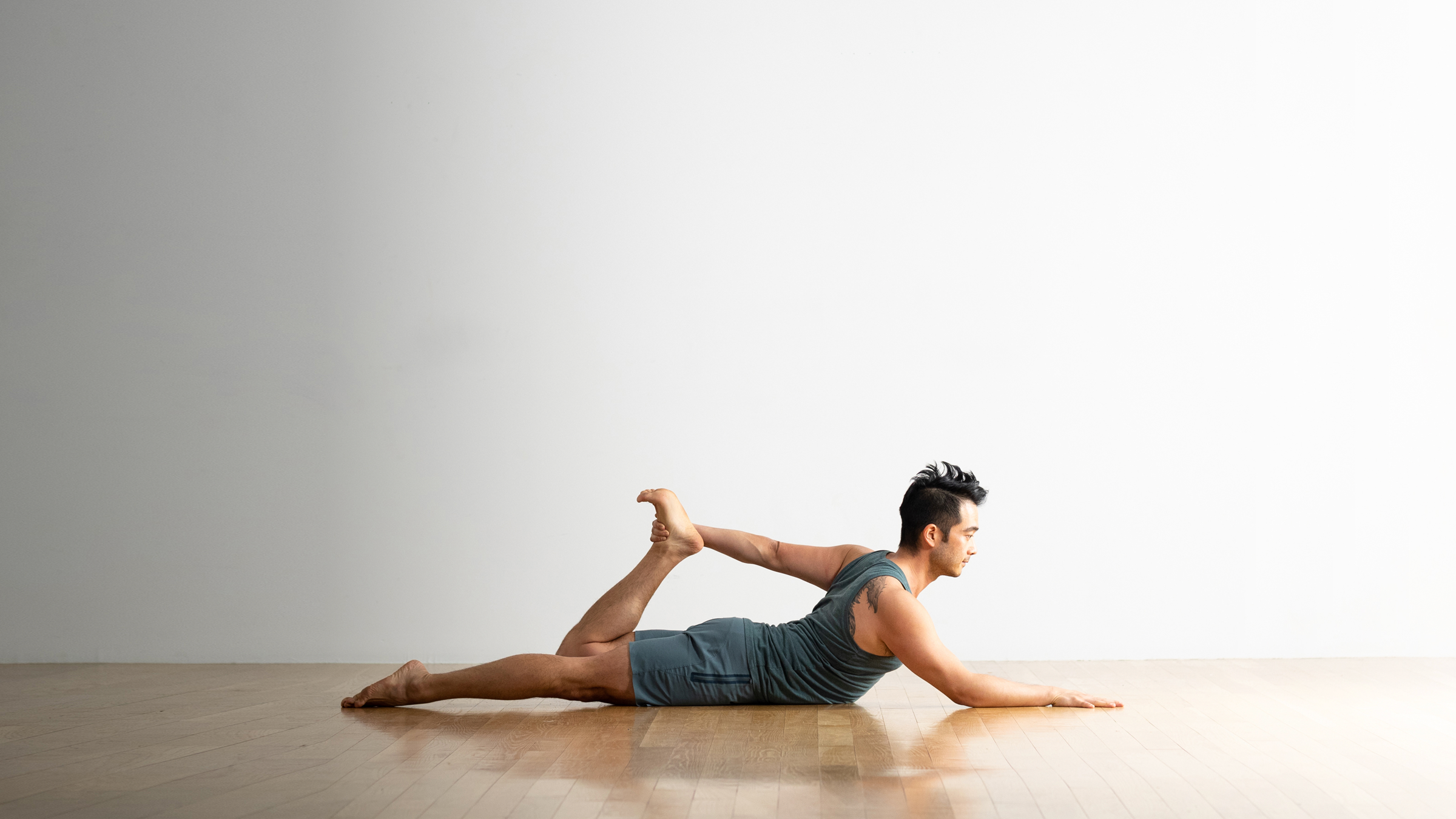
2. Half Bow Pose (Ardha Dhanurasana)
For those who find the full Bow Pose too taxing, the half-variation is a revelation. By grabbing one ankle while lying prone, you create a powerful stretch for the hip flexors—the very muscles that tighten when we sit for long periods. This pose actively fights the "desk-hunch" by opening the anterior chain and strengthening the posterior chain, essential for maintaining an upright spine.
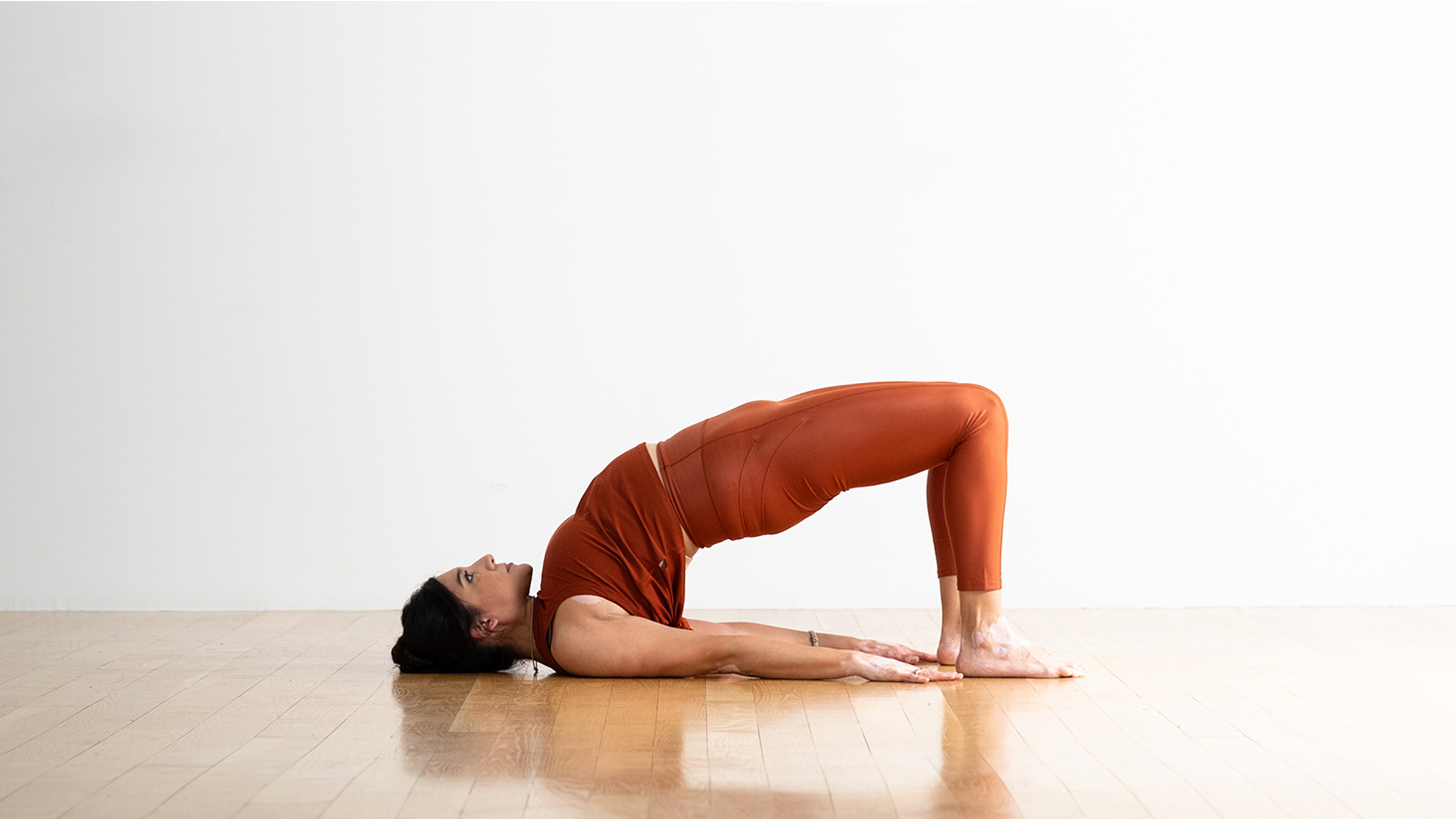
3. Bridge Pose (Setu Bandha Sarvangasana)
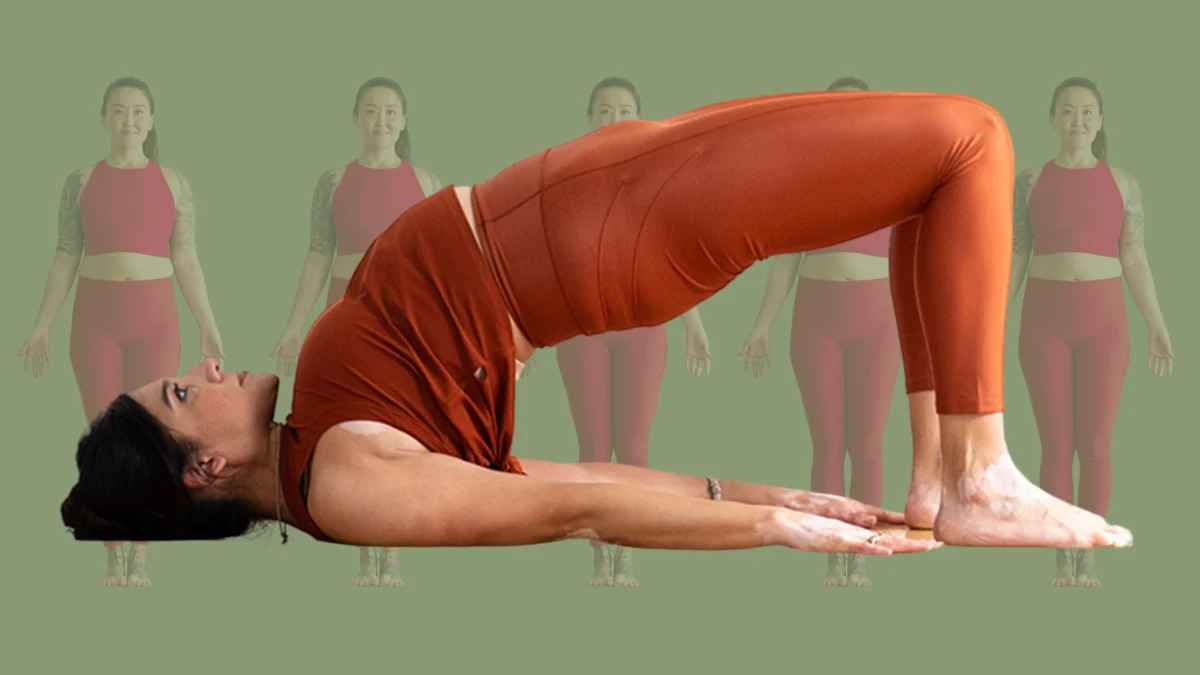
Bridge Pose is an elegant solution for the sedentary body. It requires the legs and glutes to fire, which stabilizes the lower back, while simultaneously opening the chest and shoulders. As a mild inversion, it also encourages blood flow to the heart and head, offering a mental reset that complements its physical alignment benefits.
4. Standing Forward Bend (Uttanasana)
Modern posture is often characterized by rigidity. By hinging at the hips and allowing the torso to dangle, practitioners can release the accumulated tension in the hamstrings and lower back. This pose encourages spinal decompression, fostering a flexibility that allows for alignment without the stiffness that often plagues those who focus too intently on "standing straight."
5. Tree Pose (Vrksasana)
Balance is the ultimate test of posture. In Tree Pose, the body must create a vertical line of force from the grounded foot through the crown of the head. It is nearly impossible to hold this pose while slouching. The requirement for internal focus and core stability makes it a perfect, real-world metaphor for carrying yourself with confidence.
Implications: A Future of Upright Living
The implications of adopting these practices are significant. Beyond the reduction of back pain and the prevention of long-term spinal degradation, the adoption of a "yoga-informed" posture has social and professional implications.
Sociologists have noted that non-verbal communication is heavily reliant on posture. An individual who stands with an open, aligned posture is consistently perceived as more confident, trustworthy, and capable. By investing time on the mat, individuals are essentially optimizing their physical presence in the world.
As we look toward the future, the integration of these practices into our daily lives is not merely a recommendation; it is a necessity. In a world that is constantly pulling us downward—toward our screens and our stresses—yoga serves as the vital, elevating force. By choosing to prioritize alignment, we are choosing to live with greater awareness, vitality, and power. Whether you are a seasoned yogi or a novice looking to improve your desk ergonomics, the path to a better posture starts with a single, intentional breath. Stand tall, stay present, and let your alignment lead the way.