










8 July, 2026
The European Respiratory Society (ERS) has officially confirmed the logistics for its 2026 General Assembly, marking a pivotal moment for the international respiratory community. As the global landscape of pulmonary health continues to evolve, the Society’s annual gathering serves as the democratic cornerstone for its strategic direction, policy formulation, and administrative accountability.
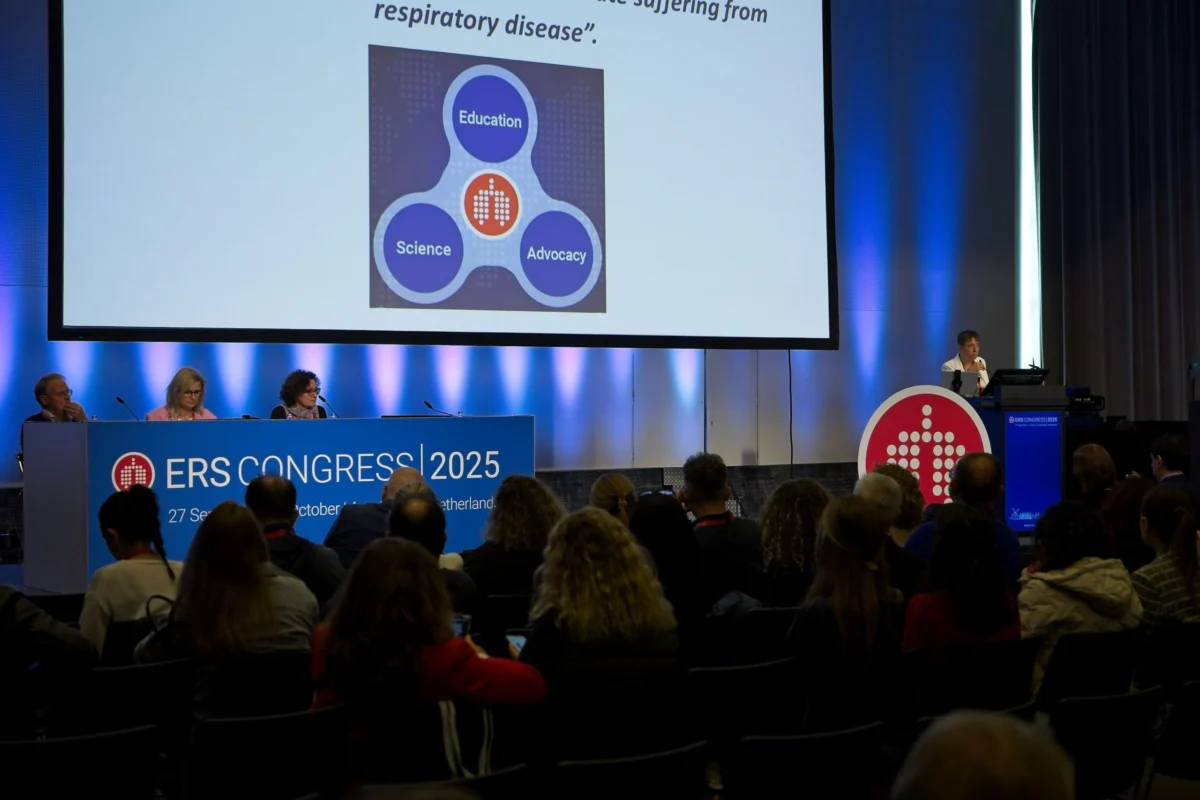
Scheduled to take place during the highly anticipated ERS Congress 2026 in Barcelona, Spain, the assembly is set for Tuesday, 8 September, from 14:00 to 15:30 CEST. Hosted in Room 3G at the FIRA Barcelona, the meeting represents an essential opportunity for members to engage directly with the leadership, review the past year’s milestones, and cast their votes on the constitutional frameworks that will define the Society’s trajectory for years to come.
Main Facts: The 2026 General Assembly
The General Assembly is the supreme governing body of the ERS. Unlike the academic sessions of the Congress, which focus on clinical breakthroughs and pharmacological research, the General Assembly is dedicated to the "business of the Society." It is the mechanism through which the ERS ensures transparency, democratic governance, and institutional alignment with the needs of its global membership.
Essential Details for Attendees:
- Date: Tuesday, 8 September 2026
- Time: 14:00 – 15:30 CEST
- Location: Room 3G, FIRA Barcelona, Spain
- Eligibility: While all members are invited to attend and participate in discussions, voting privileges are strictly reserved for active ERS members in good standing.
The agenda for the meeting is comprehensive, covering fiscal reports, the ratification of the 2026 Constitution, and proposed amendments to the by-laws. ERS leadership emphasizes that this is not merely a formality but a vital exercise in organizational health. By convening in person, the Society aims to foster a more intimate and productive dialogue, allowing for the kind of nuanced debate that virtual platforms often struggle to facilitate.
Chronology: A Year of Progress
To understand the significance of the 2026 Assembly, one must look back at the trajectory of the ERS over the preceding twelve months.
- September 2025: The conclusion of the previous assembly set the stage for a focus on digital integration and the expansion of the Society’s global outreach programs.
- January – March 2026: The Executive Committee engaged in a series of strategic reviews, identifying the need to modernize the Society’s by-laws to accommodate the rapid advancement of telemedicine and AI-driven diagnostics in respiratory medicine.
- May 2026: Drafts of the proposed 2026 Constitution were circulated among the membership for preliminary feedback. This phase allowed for transparency, ensuring that the final document reflects the consensus of the international medical community.
- July 2026: Official announcement of the Assembly logistics, accompanied by the release of the meeting agenda and supporting documentation, marking the final countdown to the Congress.
This chronological progression demonstrates a commitment to a deliberative process, where members are provided ample time to digest complex legislative changes before arriving in Barcelona to cast their votes.
Supporting Data: The Legislative Framework
The ERS has made extensive documentation available to ensure that all attendees are well-prepared for the assembly. This level of institutional transparency is a hallmark of the Society’s modern management style.
Key Documentation Released:
- Meeting Agenda: Outlines the procedural flow of the 90-minute session, including the presidential address, financial audit presentations, and Q&A windows.
- Proposed By-law Changes: These amendments focus on streamlining the committee nomination process and clarifying the legal status of international collaborative projects.
- Proposed 2026 Constitution: A foundational document that recalibrates the Society’s mission statement to better address the intersection of respiratory health, environmental policy, and global health equity.
- 2025 Minutes: A record of the previous year’s proceedings, provided to maintain historical continuity and ensure that past promises are being fulfilled.
For those interested in reviewing these materials, the ERS has provided a central repository for all relevant files, encouraging members to engage with the text long before the doors open in Room 3G.
Official Responses and Leadership Vision
The leadership of the ERS views the General Assembly as the pulse of the organization. In recent statements, the Executive Committee highlighted that the 2026 meeting is particularly critical due to the proposed structural reforms.
"The ERS exists because of its members," says an official spokesperson for the Society. "The General Assembly is the one time of year where the hierarchy dissolves, and every active member has an equal voice. Whether you are a lead researcher, a clinical nurse, or a medical student, your vote carries the same weight. We are asking members to join us in Barcelona not just to listen, but to actively participate in shaping the future of respiratory care."
The emphasis on "in-person" attendance is deliberate. Following several years of hybrid and remote-heavy participation due to external global factors, the ERS is making a concerted effort to return to the human-centric interaction that characterizes scientific inquiry. The Committee believes that the complexity of the proposed 2026 Constitution requires the kind of face-to-face debate that builds consensus and strengthens the Society’s collective identity.
Implications: Why Your Voice Matters
The implications of the decisions made during the 2026 General Assembly are wide-reaching.
1. Fiscal Responsibility
The assembly holds the power to decide on annual membership fees. This is a crucial balancing act: fees must be low enough to remain inclusive for members from lower-income nations, yet high enough to sustain the Society’s world-class research grants, educational fellowships, and advocacy efforts.
2. Strategic Direction
By proposing changes to the by-laws and the Constitution, the membership is effectively choosing which areas of respiratory medicine the ERS will prioritize. For instance, if the assembly approves a greater focus on climate change and air quality, the Society will likely shift its funding and advocacy efforts toward those fields in the coming years.
3. Accountability
The review and approval of the accounts is the primary method of holding the Executive Committee accountable. It ensures that the Society’s finances are managed with integrity, providing members with the assurance that their contributions are being used to further the ERS mission rather than administrative bloat.
4. Democratic Participation
Perhaps most importantly, the General Assembly is a safeguard against stagnation. By providing a forum for members to voice queries and share ideas, the ERS prevents the leadership from becoming disconnected from the clinical realities faced by doctors and scientists on the front lines.
Conclusion: Preparing for Barcelona
As the 8th of September approaches, the atmosphere within the ERS is one of focused anticipation. The meeting in Room 3G at the FIRA Barcelona will be more than a boardroom gathering; it will be a demonstration of the professional medical community’s commitment to self-governance.
For those planning to attend, the ERS offers a final reminder: review the documents, understand the proposed constitutional changes, and come prepared to engage. The future of the Society—and by extension, the future of global respiratory health standards—rests in the hands of its members.
To access the full suite of meeting documents and prepare for the session, members are encouraged to visit the official ERS portal. Whether you are a seasoned attendee or a first-time participant, your presence is vital to the continued success and evolution of the European Respiratory Society.
Barcelona awaits, and with it, the chance to set the agenda for a healthier, more breathable world.