By Editorial Staff
Published October 1, 2026
In an era where "wellness" is often conflated with high-intensity movement and the pursuit of physical "perfection," the yoga community is seeing a quiet, profound pivot. No longer is the standard of a successful practice defined solely by the sweat dripped onto a mat or the complexity of a peak posture. Instead, there is a growing movement toward the "supported practice"—a modality that utilizes props like bolsters, blocks, straps, and blankets to facilitate recovery and deep rest.
Calin Van Paris, a veteran Yoga Journal editor and certified instructor, argues that this shift isn’t a sign of weakness, but a sophisticated evolution of the discipline. "A supported yoga practice is just as essential as a power flow," Van Paris asserts. "We are moving away from the ‘no pain, no gain’ mentality and moving toward a model of nervous system regulation."
Main Facts: The Anatomy of Supported Practice
At its core, supported yoga is the intentional use of external tools to provide structural assistance to the body. While traditional yoga poses—asanas—are often taught as active, muscular engagements, supported variations turn these shapes into restorative sanctuaries.
The primary objective of this practice is to activate the parasympathetic nervous system (the "rest and digest" mode) by removing the physical effort required to hold a shape against gravity. When the body is fully supported, the muscles can disengage, signaling to the brain that it is safe to shift from a state of hyper-arousal to one of deep, physiological calm.
Chronology: From Ancient Tradition to Modern Recovery
The evolution of yoga props is a study in modern adaptation. While ancient texts focused on the energetic and spiritual aspects of postures, the 20th century saw the introduction of the "Iyengar" style, pioneered by B.K.S. Iyengar.
- 1960s–1970s: B.K.S. Iyengar introduces the revolutionary use of wooden blocks, belts, and wall ropes, arguing that props allow students of all abilities to achieve the alignment required for therapeutic benefits.
- 1980s–1990s: The "Restorative Yoga" movement, popularized by teachers like Judith Hanson Lasater, begins to emphasize the use of bolsters and heavy blankets to create long-held, passive shapes.
- 2020–2025: The post-pandemic wellness boom sees a surge in demand for at-home recovery tools. Yoga practitioners begin utilizing common household items—pillows, towels, and dining chairs—to replicate studio-quality restorative experiences.
- 2026: The current "Supported Revolution" reaches a crescendo, with major fitness platforms officially cataloging "supported variations" as a primary category alongside traditional Vinyasa and Hatha.
Supporting Data: The Science of Rest
The clinical implications of using props in yoga are significant. Recent pilot studies in somatic health have indicated that the use of props correlates directly with a decrease in cortisol levels.
In a study conducted earlier this year, participants who utilized props during a 30-minute restorative session showed a 14% greater reduction in heart rate variability (HRV) compared to those performing active, unassisted poses. Furthermore, the use of props to elevate the hips (as in Supported Bridge) has been shown to assist in lymphatic drainage and pelvic floor relaxation.
"The data is clear," says Dr. Aris Thorne, a specialist in sports physiology. "When you remove the ‘active’ component of a pose, you change the neuro-muscular signaling. You are essentially telling the nervous system to stop guarding the joints. This creates a state of ‘passive lengthening’ which is arguably more effective for myofascial release than active stretching."
Official Perspectives: The Philosophy of Asking for Help
For many practitioners, the greatest barrier to using props isn’t a lack of equipment—it is the psychological resistance to "needing help."
"Asking for help is hard, even in yoga," Van Paris notes. "We are conditioned to believe that if we can’t touch our toes, we haven’t ‘done’ the pose. But the prop isn’t a crutch; it is an equalizer."
Instructors are now emphasizing that the yoga prop is a "co-teacher." By using a bolster, the practitioner is invited to occupy the space where they are, rather than forcing the body into an idealized shape. This fosters a sense of body autonomy that is often lost in goal-oriented fitness cultures.
5 Essential Supported Poses for Modern Life
For those looking to integrate this approach, the following five poses serve as the foundation of a restorative practice.
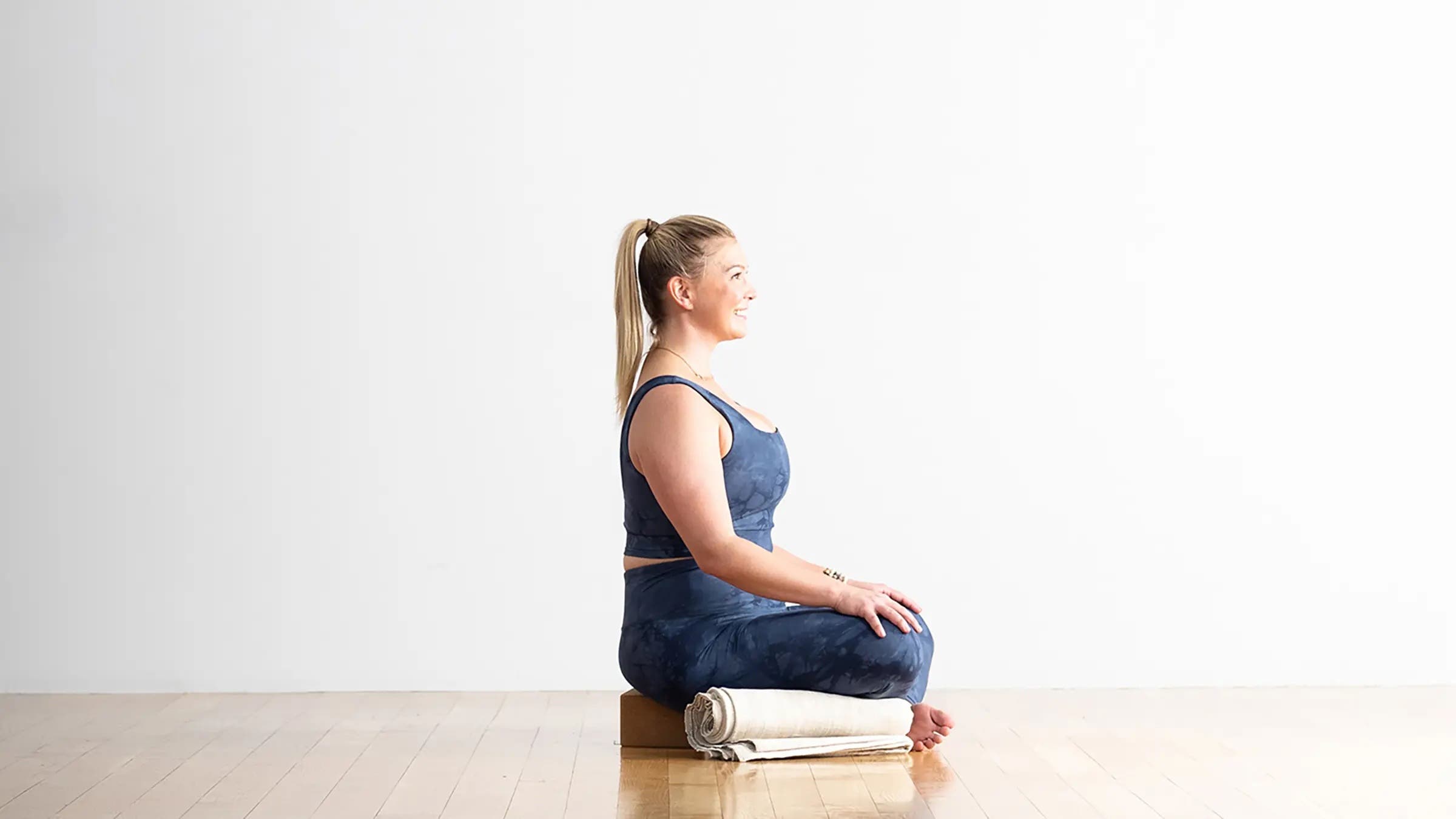
1. Supported Easy Pose (Sukhasana)
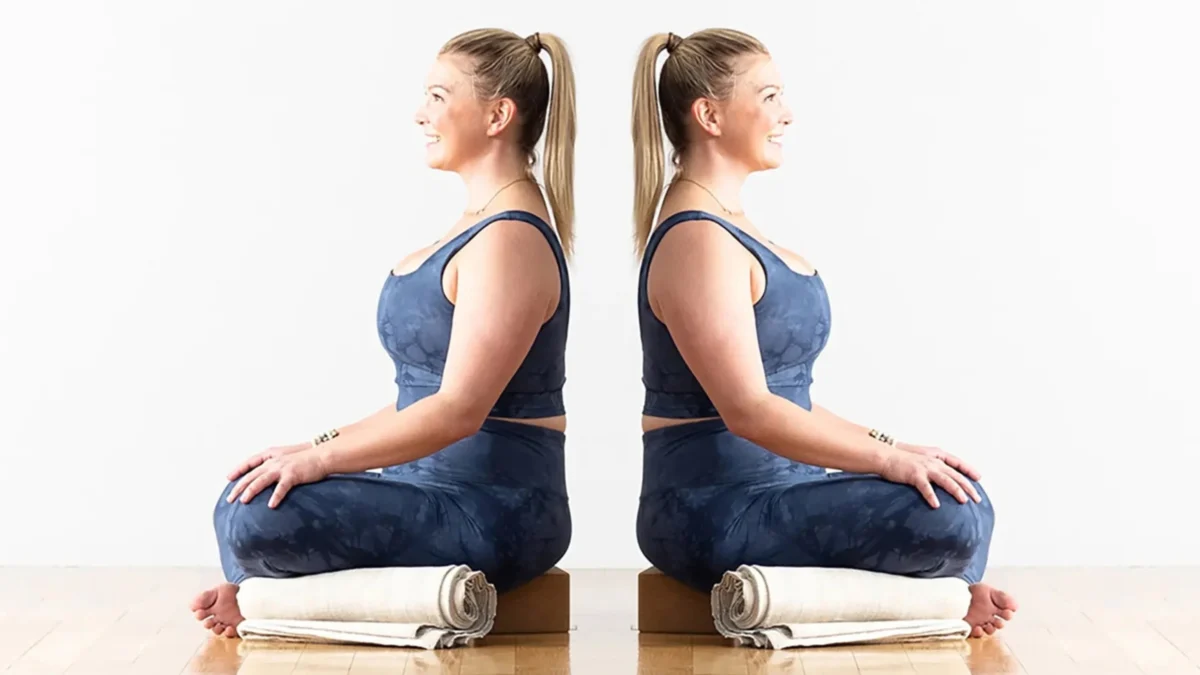
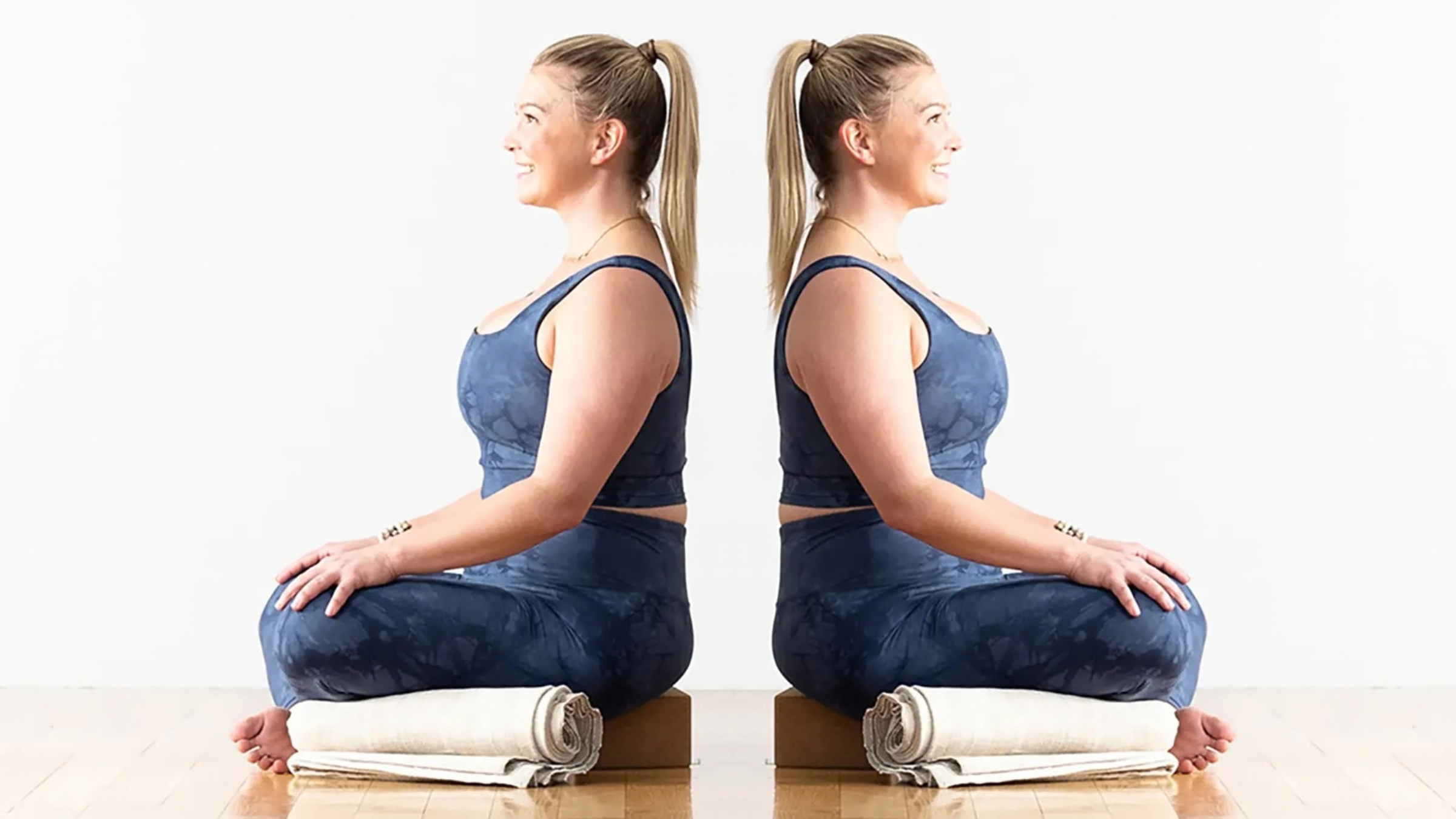
The meditative seat is the foundation of yoga, yet for many, it is a source of hip strain. By placing a bolster under the sit-bones and supporting the knees with rolled-up blankets, the practitioner can maintain a straight spine without the fatigue of hip-flexor engagement. This allows the mind to settle into stillness rather than distraction.
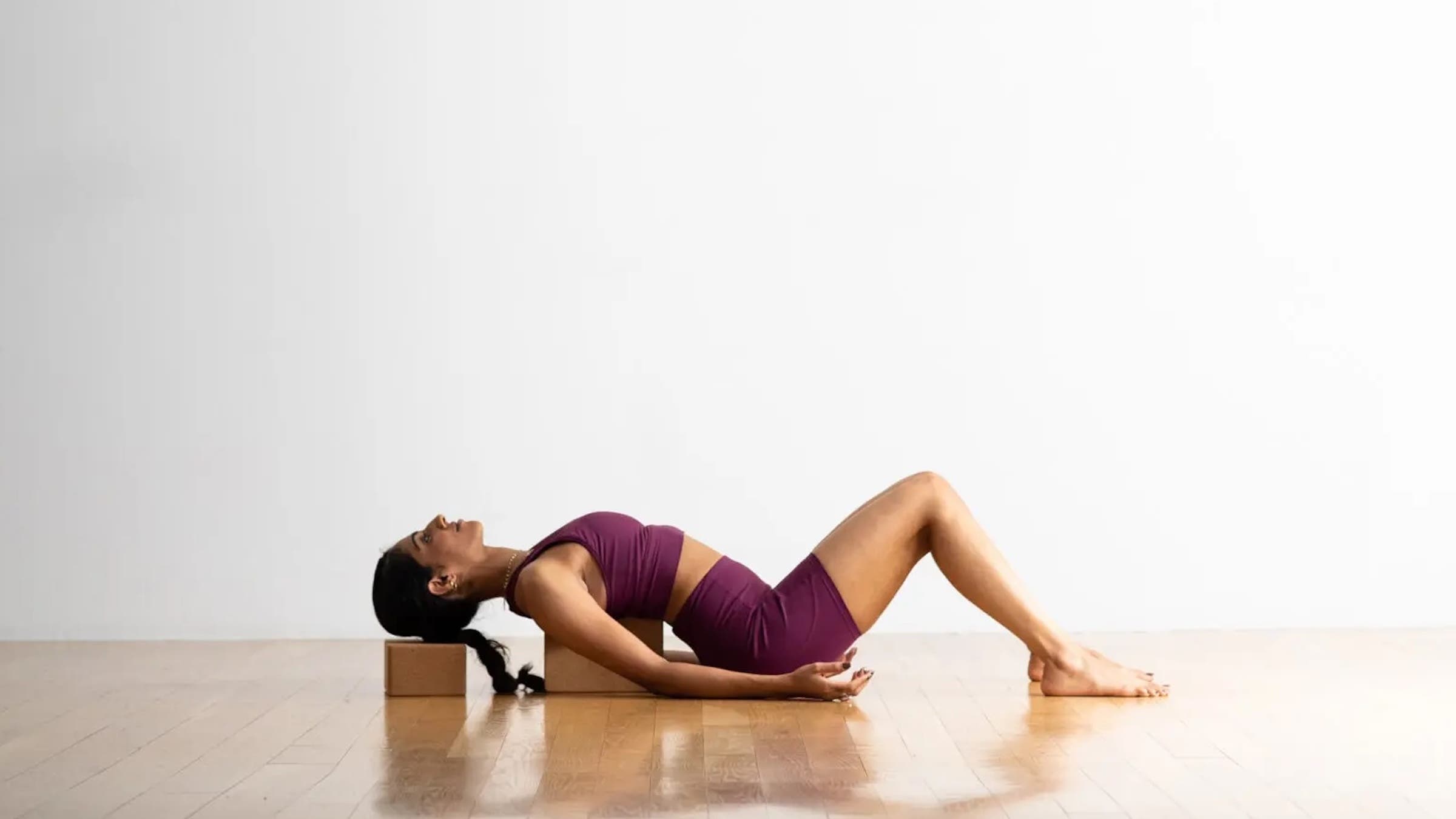
2. Supported Fish Pose (Matsyasana)
This is the ultimate antidote to the "tech-neck" caused by hours of smartphone and laptop use. By placing blocks under the mid-back and head, the chest is allowed to open passively. The result is a deep, sustained stretch of the pectorals and a gentle opening of the thoracic spine that can be held for 5 to 10 minutes, significantly longer than an active, unassisted variation.
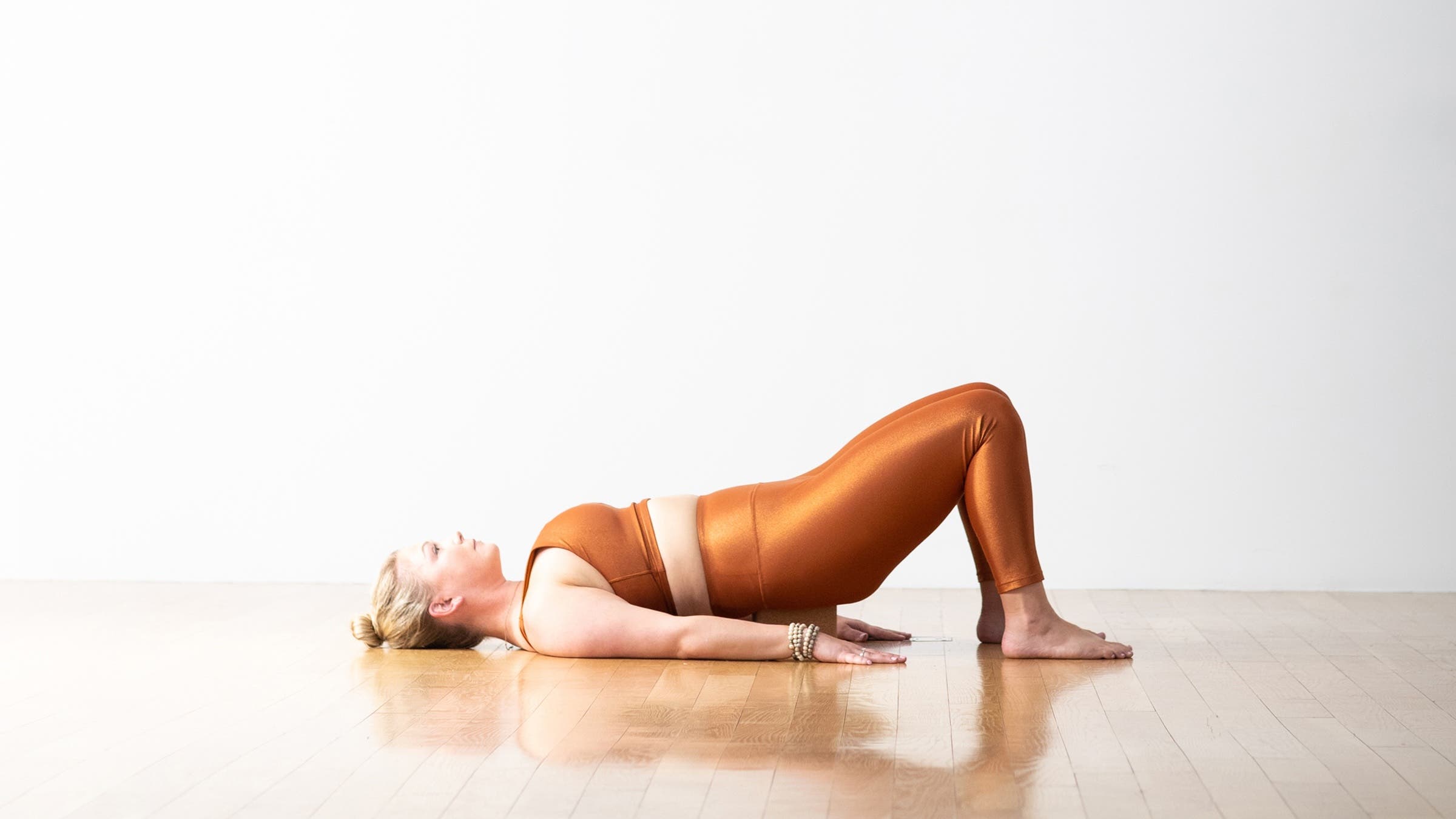
3. Supported Bridge Pose (Setu Bandha Sarvangasana)
By sliding a sturdy block under the sacrum, the practitioner creates a gentle inversion. This shape is widely recognized for its ability to lower blood pressure and calm the mind. It is the perfect bridge between a busy day and a restful night of sleep.
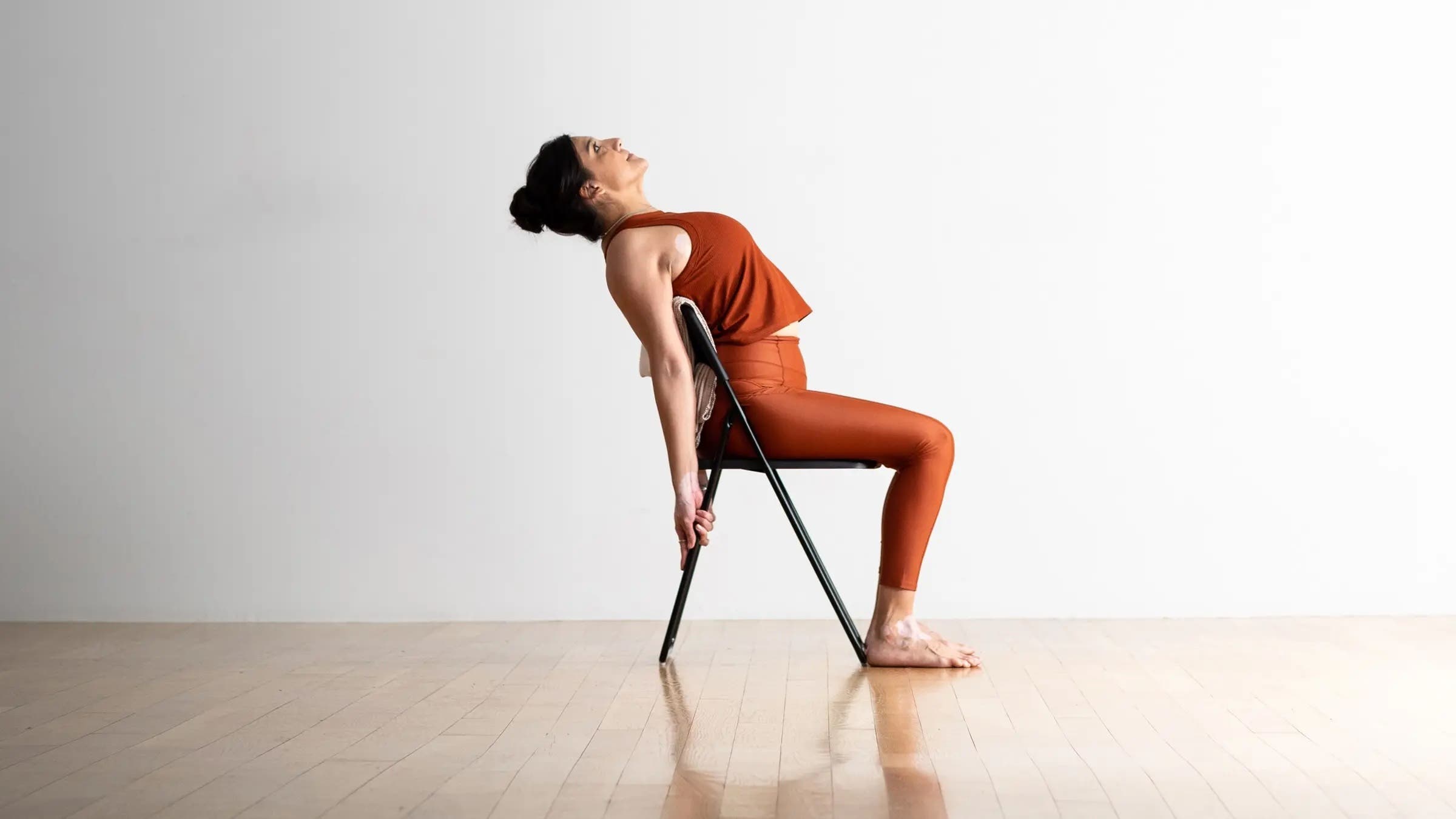
4. Supported Camel Pose (Ustrasana)
Camel is notoriously intimidating due to the back-bending required. Using a chair as a back-rest transforms this into a safe, accessible heart-opener. It allows the student to focus on the expansion of the lungs and the lift of the sternum without the fear of falling or the strain of reaching for the heels.
5. Supported Child’s Pose (Balasana)
By placing a bolster between the legs and resting the torso on it, the practitioner can surrender the weight of the head and shoulders completely. This pose removes the burden of gravity, allowing the lower back to widen and the breath to move into the posterior ribs.
Implications: A Sustainable Future for Yoga
The implications of this shift are profound. By normalizing the use of props, the yoga industry is becoming more inclusive of aging populations, those recovering from injury, and anyone suffering from chronic stress.
"We are entering an age where the quality of our recovery is just as important as the quality of our output," says Van Paris. "If we can teach students that they don’t have to ‘struggle’ to find the benefits of yoga, we will see a much higher retention rate and, more importantly, a much healthier, more balanced generation of practitioners."
As yoga moves forward into the latter half of the decade, the presence of a block or a bolster will no longer be seen as an admission of limitation. Instead, it will be recognized as the mark of a practitioner who has mastered the most difficult skill of all: the ability to let go.