Published: August 31, 2026
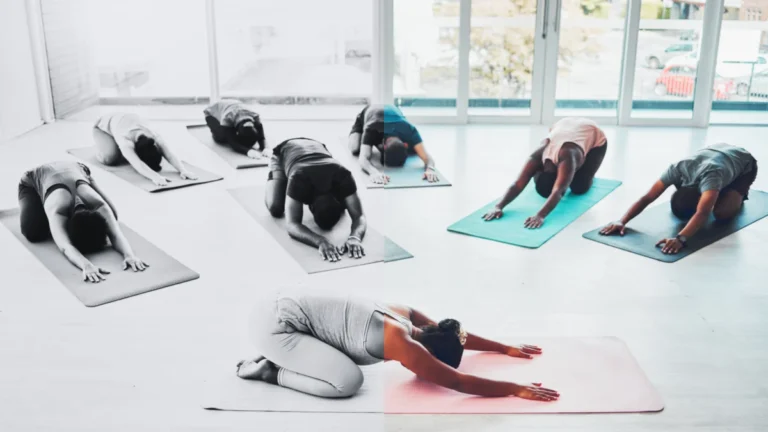
In an era defined by high-intensity interval training, rapid-fire digital notifications, and a societal obsession with "productivity," the practice of Yin Yoga offers a radical departure from the norm. It is not a workout in the traditional, muscular sense; it is a profound exercise in patience, connective tissue health, and nervous system regulation. For those new to the practice, the primary hurdle is often the psychological shift required to stop "doing" and start "being."
The Core Philosophy: Why Less is More
If you are new to Yin Yoga, the first principle to internalize is that there is no performance metric to meet. You cannot be "bad" at Yin. Unlike Vinyasa or Ashtanga styles, which emphasize rhythmic movement, muscle engagement, and cardiovascular endurance, Yin Yoga is a practice of stillness. There is no balance to hold, no rapid-fire flow to match, and—most importantly—no "ideal" aesthetic shape your body is expected to achieve.
The physiological logic is precise: while most fitness modalities focus on the muscles, Yin Yoga targets the deeper connective tissues, specifically the fascia and joints. Over years of sedentary behavior, repetitive motion, and the "tech-neck" posture induced by constant screen scrolling, these tissues tighten and dehydrate. By settling into a pose and lingering for several minutes, practitioners apply a gentle, sustained stress to these tissues. This is not about pushing or effort; it is about utilizing gravity to facilitate a slow, structural release.
A Chronology of the Practice: From Seated to Stillness
The structure of a Yin sequence is deliberate. It typically moves from seated postures to reclined positions, allowing the body to settle deeper into a parasympathetic state—the "rest and digest" mode of the nervous system.
When entering a pose, the approach should be methodical:
- Enter Slowly: Move with intention, avoiding any sudden jerks that might trigger a protective muscular response.
- Find the Edge: Stop at the first point of resistance. This is your "edge."
- The 60-80% Rule: Aim for about 60 to 80 percent of your full range of motion. If you push to 100 percent, your muscles will brace to protect the joint, defeating the purpose of the practice.
- Stillness: Once in position, minimize movement. While minor adjustments are permitted if you feel pain, the goal is to remain as still as possible to allow the fascia to release.
For beginners, a hold of two minutes per pose is the standard recommendation. As your comfort level grows, you may choose to extend these holds. However, there is no prize for endurance; the "work" is found in the ability to remain present with sensation without the need to escape it.
Supporting Data: The Science of Fascia and Connective Tissue
The effectiveness of Yin Yoga is supported by the unique way our body’s connective tissues respond to long-duration, low-intensity stress. Fascia is a web-like structure that envelops muscles, bones, and organs. Unlike muscle tissue, which responds best to repetitive, short-burst contractions, fascia requires time and consistent, static pressure to hydrate and become more pliable.
Research into myofascial release suggests that when we hold a stretch for two minutes or longer, the viscoelastic properties of the connective tissue change. The tissues begin to hydrate, potentially increasing long-term flexibility and joint mobility far more effectively than "bouncing" or dynamic stretching. Furthermore, by slowing the heart rate and focusing on rhythmic breathing, practitioners often experience a decrease in cortisol levels, helping to mitigate the chronic stress associated with modern life.
Official Guidance: The Role of Props and Modifications
A common misconception among beginners is that using props—such as blocks, bolsters, or folded blankets—is a sign of inadequacy. In professional practice, the opposite is true. Props are tools of accessibility that allow the body to fully release its muscular tension.
If you are gripping your muscles to stay upright, your connective tissue cannot relax. By using a cushion under the knees in a Butterfly pose or a block under the spine in Fish pose, you provide the body with a "floor" to rest upon. This external support tells the nervous system that it is safe to let go. When the body feels secure, the parasympathetic nervous system engages, and the deep, structural work of Yin can begin.
5 Essential Yin Yoga Poses for Beginners
The following sequence is designed to balance the body, moving from seated postures that open the hips to reclined postures that release the spine and chest.
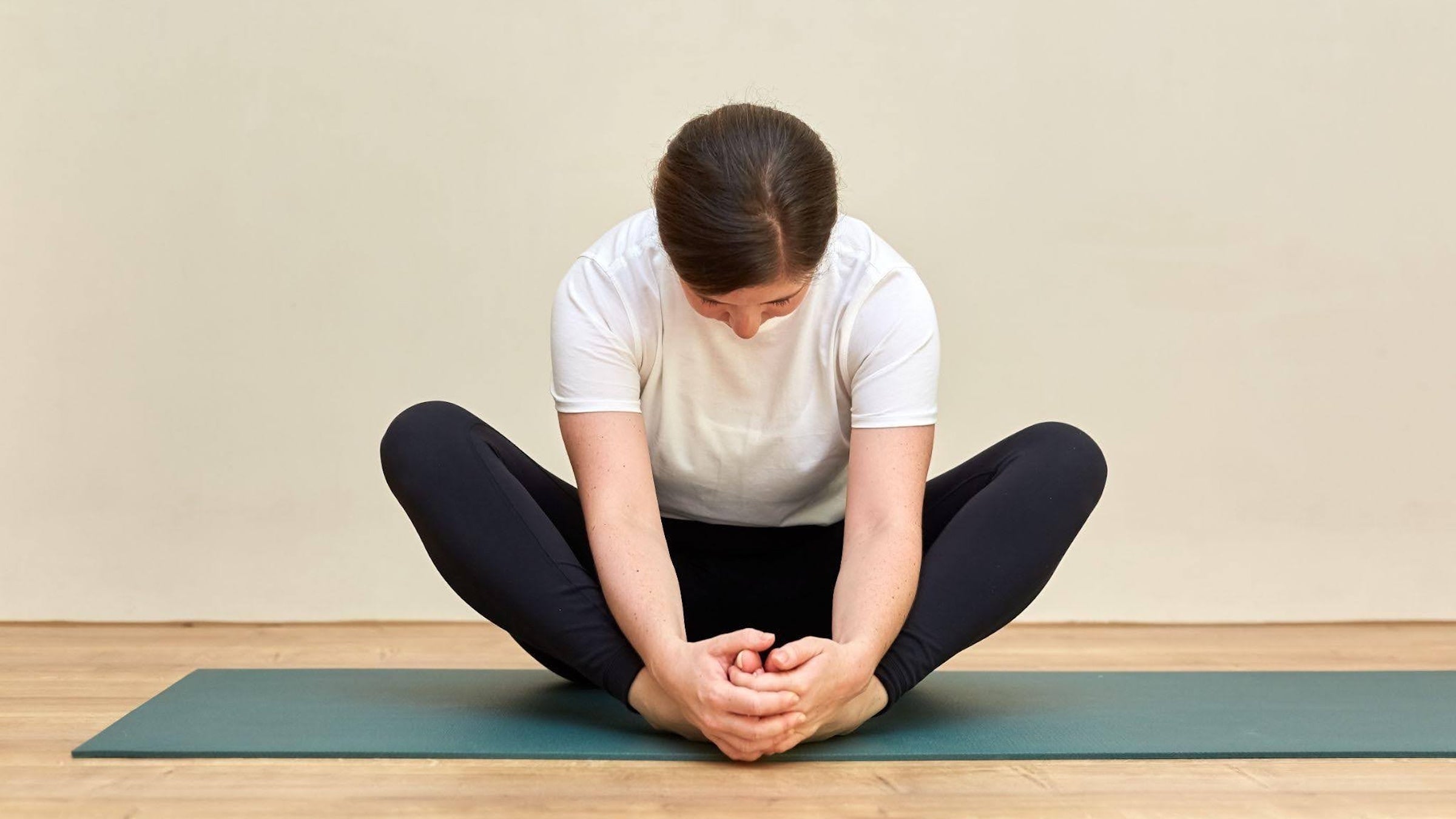
1. Butterfly Pose
This seated pose is the hallmark of Yin classes. It targets the inner thighs, pelvic floor, and lower back.
- The Technique: Sit with the soles of your feet together, knees splayed. Slide your feet forward to create a wide diamond shape. Fold forward from the hips, rounding the spine.
- Pro Tip: If your knees feel unsupported, place a block or cushion under each knee. Do not pull on your feet; let your arms rest passively on the mat.
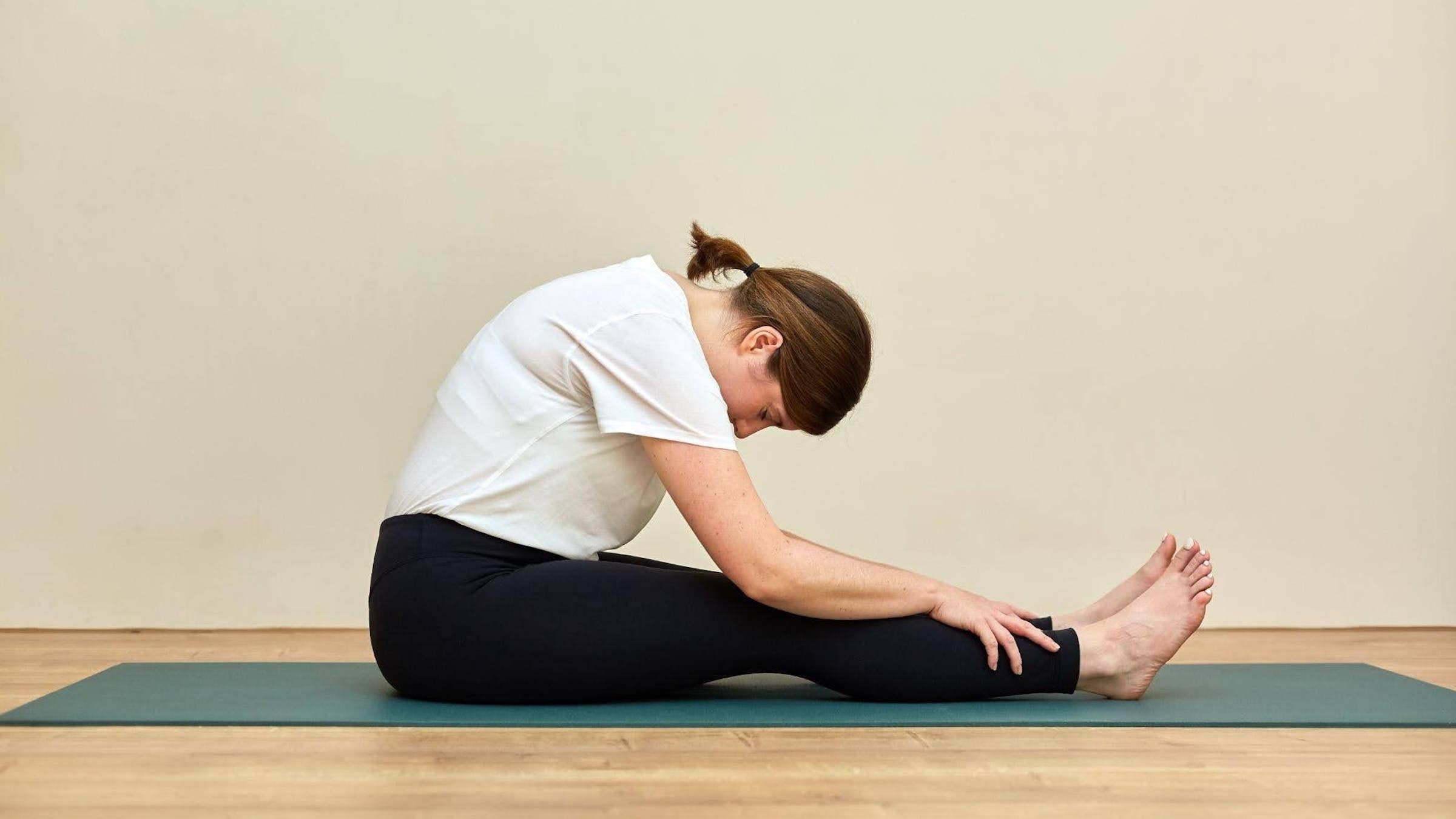
2. Caterpillar Pose
Designed to target the entire posterior chain, particularly the hamstrings and the muscles surrounding the vertebrae.
- The Technique: Extend your legs straight in front of you. Slowly fold forward. Allow your back to round completely.
- Pro Tip: If your hamstrings feel tight, do not strive for straight legs. A generous bend in the knees is highly encouraged. The goal is not to reach your toes; the goal is to feel a gentle pull along the back of your legs and spine.
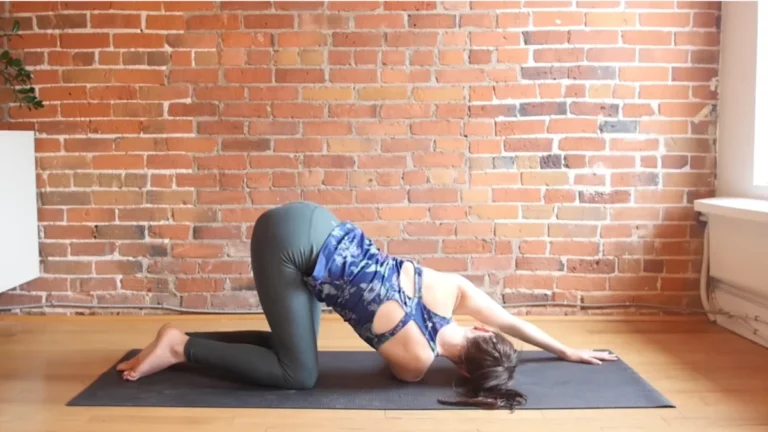
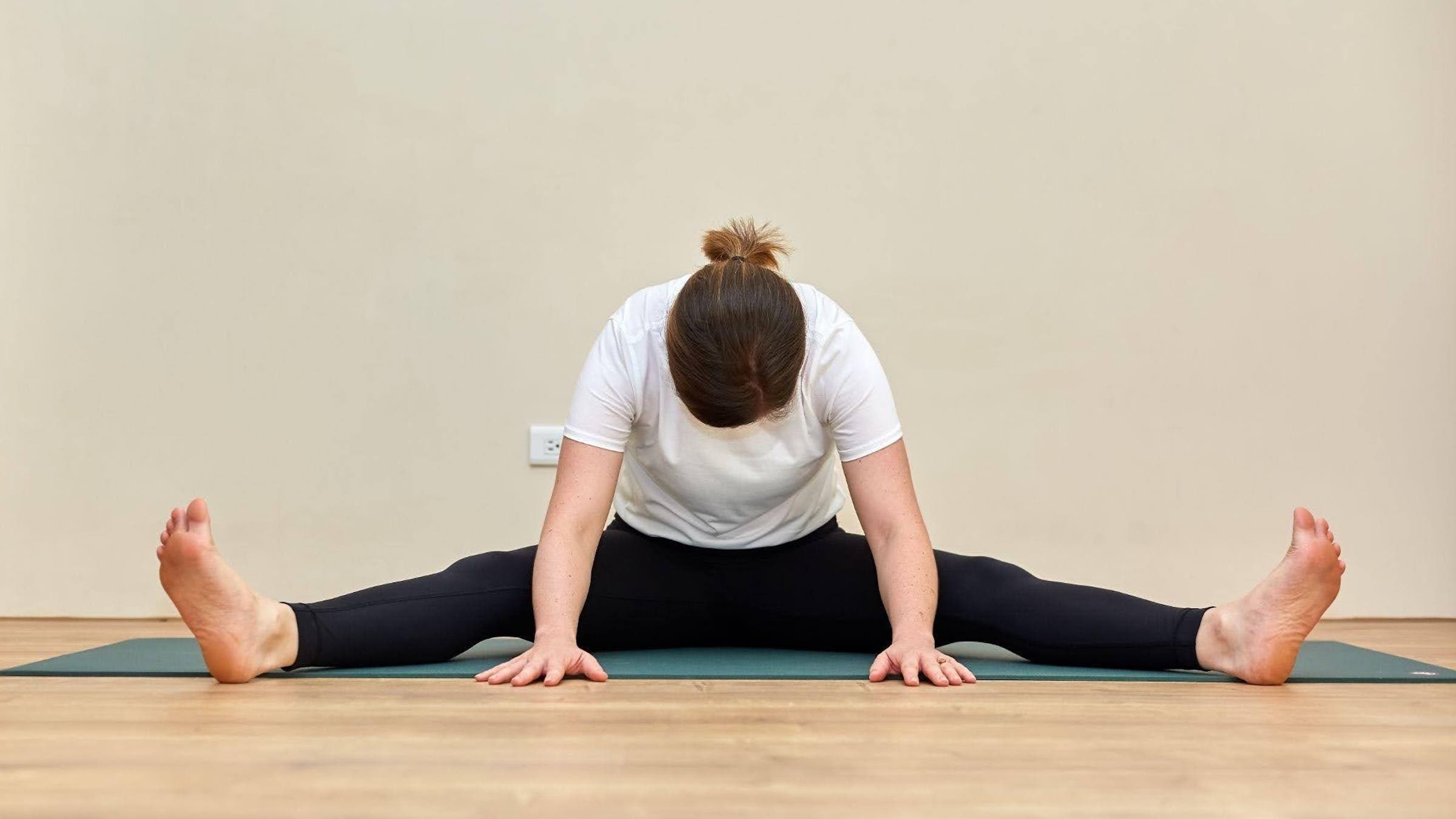
3. Dragonfly Pose
A wide-legged seated forward fold that accesses the inner thighs and hip joints.
- The Technique: Sit with your legs apart. The key is to find the first point of resistance, not to perform a perfect split. Fold forward, perhaps resting your forehead on stacked fists or a bolster.
- Pro Tip: If you feel you are "working" to sit upright, sit on the edge of a folded blanket to tilt your pelvis forward, which makes the forward fold more sustainable.
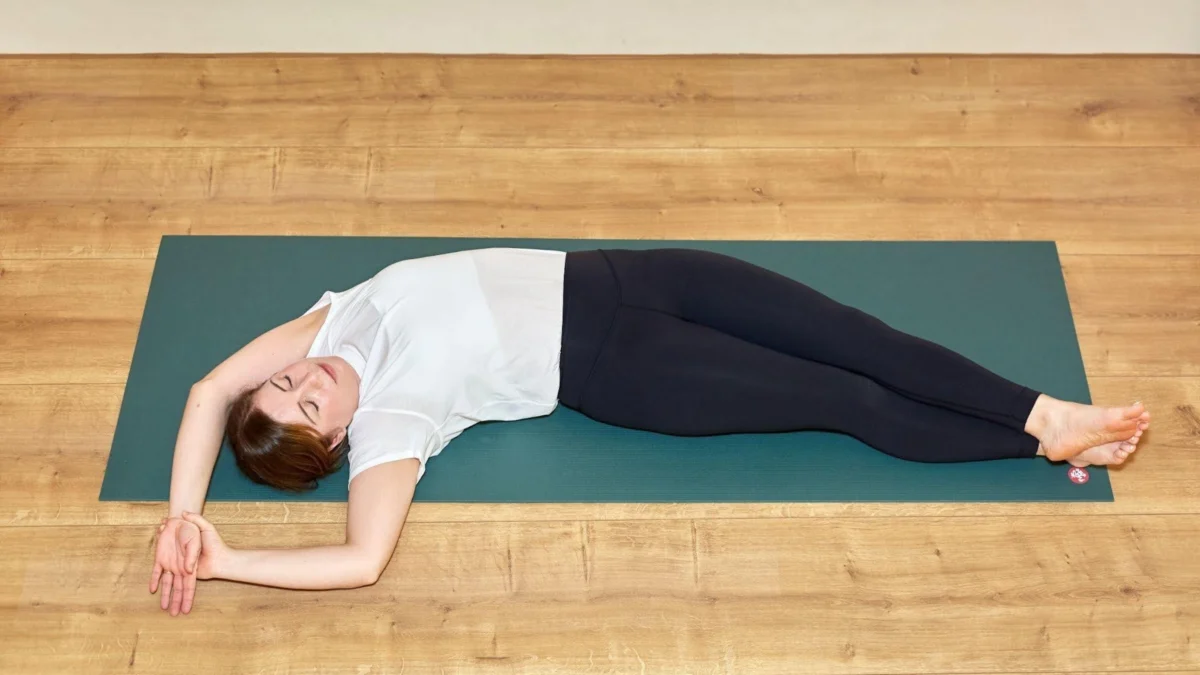
4. Banana Pose
This reclined lateral stretch targets the intercostal muscles between the ribs and the entire side body.
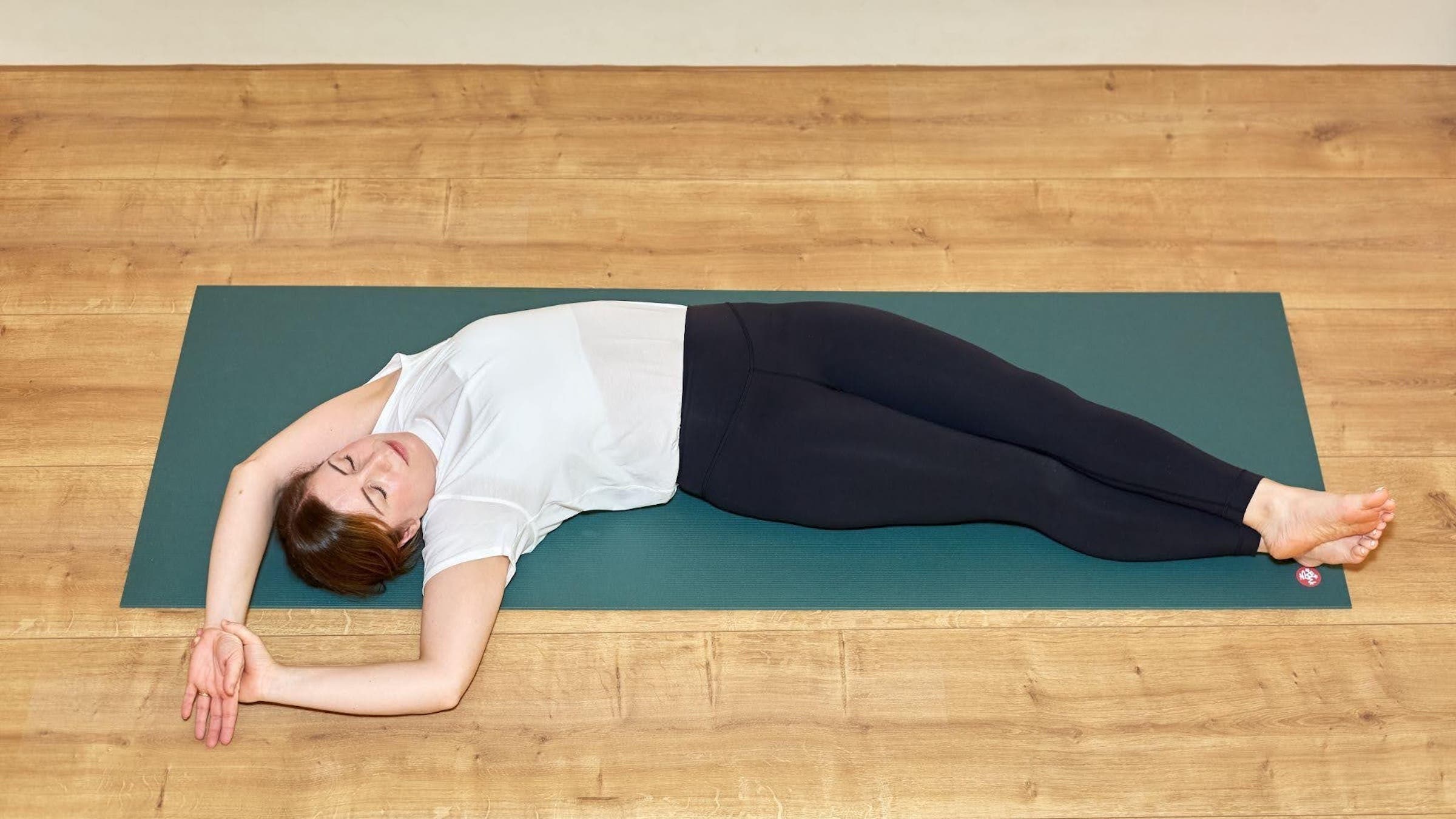
- The Technique: Lie on your back. Move your feet and shoulders to the right, creating a crescent shape with your body. Cross your left ankle over your right. Reach your arms overhead.
- Pro Tip: After holding for two to three minutes, slowly return to center, take a few breaths, and repeat on the other side. You should feel the stretch "bloom" along your side body around the 60-second mark.
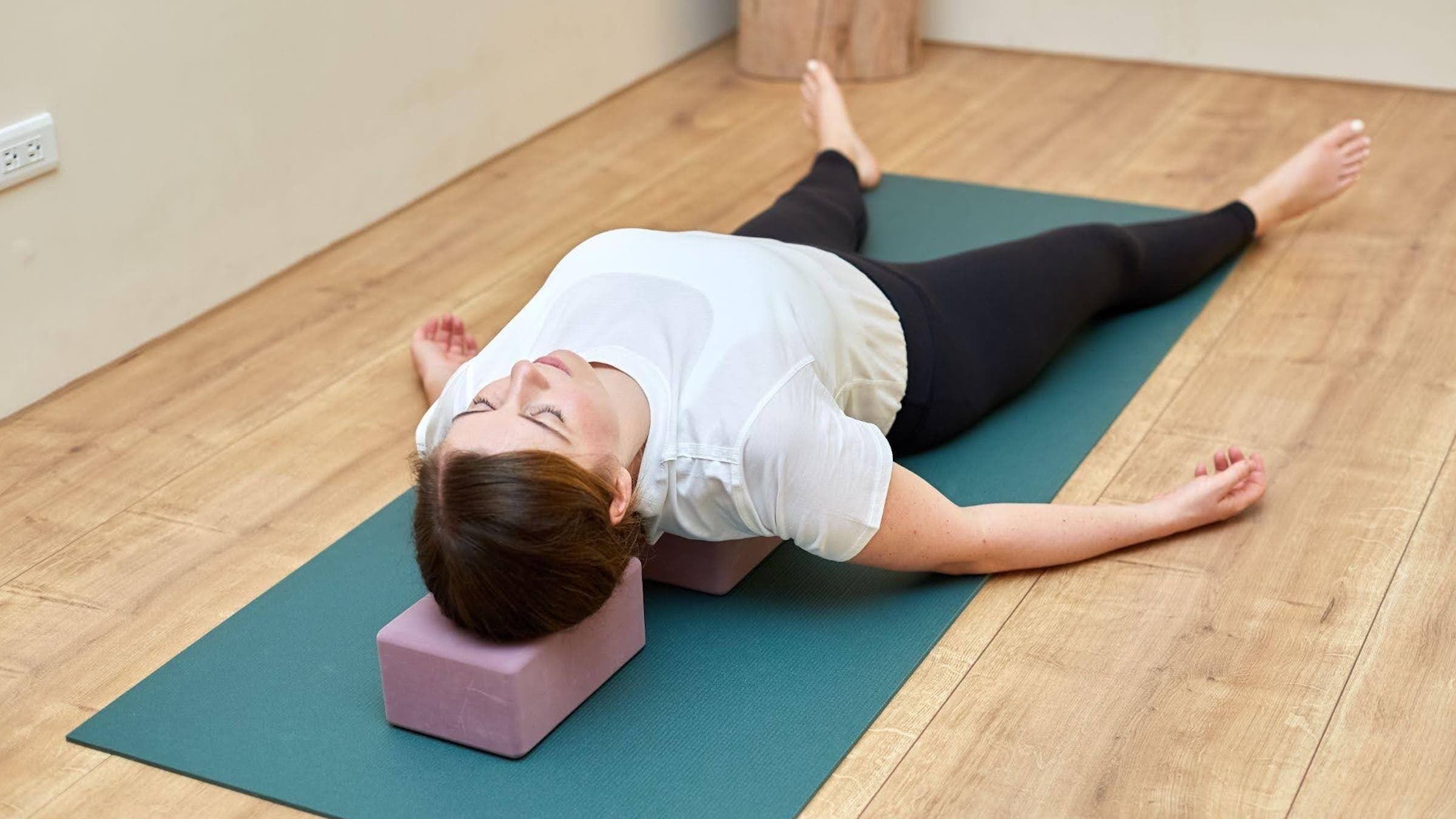
5. Supported Fish Pose
A counter-pose to the previous forward folds, this opens the chest and counters the "rounded-forward" posture of daily life.
- The Technique: Place a block at its lowest height along your spine, positioned between the shoulder blades. Support your head with a second block or cushion.
- Pro Tip: If the lowest height is too intense, place a thick folded blanket instead of a block. This is a restorative pose, so ensure your neck and shoulders feel entirely supported.
Implications for Mental and Physical Health
The implications of incorporating a consistent Yin Yoga practice extend far beyond the mat. By intentionally staying in positions that may feel uncomfortable or "quiet," practitioners develop a greater capacity for emotional regulation. This "holding space" for oneself is a transferable skill; it builds patience in traffic, in professional conflicts, and in personal relationships.
Furthermore, the physical benefits—increased joint lubrication and improved fascial health—serve as a vital counterbalance to the high-impact stress of modern athletics and the physical stagnation of office work. As the body learns to surrender, the mind often follows suit.
Conclusion: Embracing the Silence
Beginners often ask, "What should I be doing with my thoughts while I’m holding these poses?" The honest answer is: less than you think. There is no requirement to meditate, no requirement to clear the mind, and no requirement to achieve a state of enlightenment. Simply breathe. Observe the sensation in your body, acknowledge the pull of gravity, and allow yourself the grace of silence. In the world of Yin Yoga, the stillness isn’t the absence of activity—it is the practice itself.
By dedicating time to these five poses, you are not just stretching your muscles; you are recalibrating your relationship with your own body, one long, quiet breath at a time. Finish your practice by sliding the props away and resting in Savasana (Corpse Pose), allowing your body to integrate the stillness. You’ve earned the rest.