Published June 4, 2026
In an era defined by constant connectivity and the relentless pace of digital life, the human nervous system often exists in a state of chronic activation. Finding a "reset button" that is both accessible and effective has become a primary objective for those seeking to maintain mental clarity and physical longevity. On certain days, the weight of the world manifests as tension in the shoulders, tightness in the hips, and a fragmented focus. It is in these moments that a dedicated, 15-minute full-body yoga practice serves not merely as exercise, but as a vital tool for autonomic regulation.
This sequence, developed by yoga instructor Taylor Lorenz, is designed to be gentle, ground-focused, and restorative. By prioritizing slow, circular movements and intentional breath-work, the flow invites practitioners to step away from the clutter of their daily obligations and return to a state of equilibrium.
The Philosophy of the 15-Minute Reset
The modern physiological landscape is often cluttered by the "fight or flight" response, triggered by stress, sedentary desk work, and cognitive overload. When the body remains locked in these states, the fascia tightens, and the breath becomes shallow. The 15-minute window is, according to movement experts, the "sweet spot" for a mid-day or evening intervention. It is long enough to signal a transition to the parasympathetic nervous system—the body’s "rest and digest" mode—but short enough to fit into the most demanding schedules.
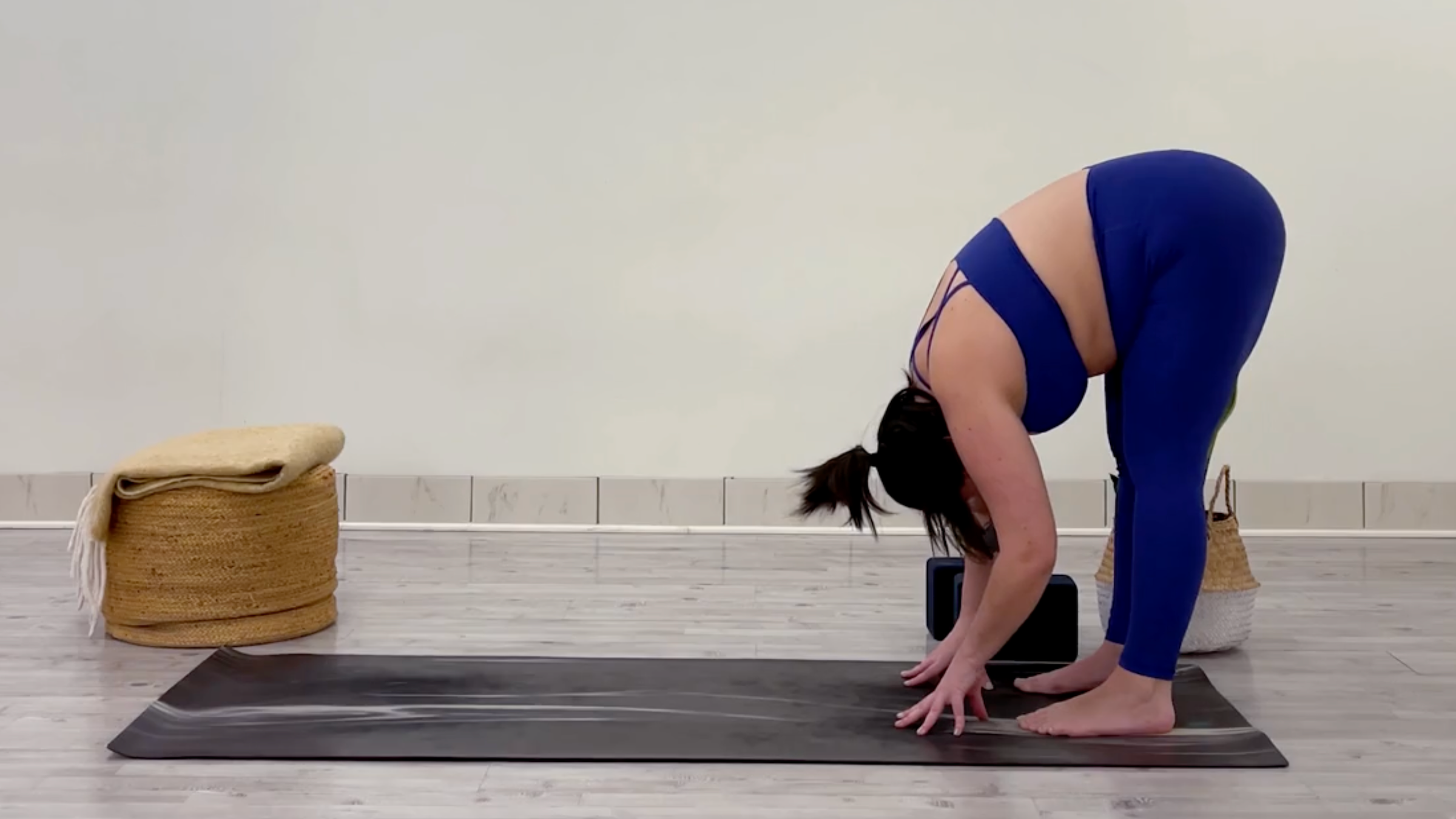
This practice requires no specialized equipment. While yoga blocks or similar props are encouraged for those seeking additional support or alignment adjustments, the sequence is intentionally curated to be performed using only a standard mat or a flat, stable surface.
Chronology of the Practice: A Step-by-Step Flow
The following sequence is structured to move from grounding postures to active releases, ensuring the body is warmed up before deeper stretches are introduced.
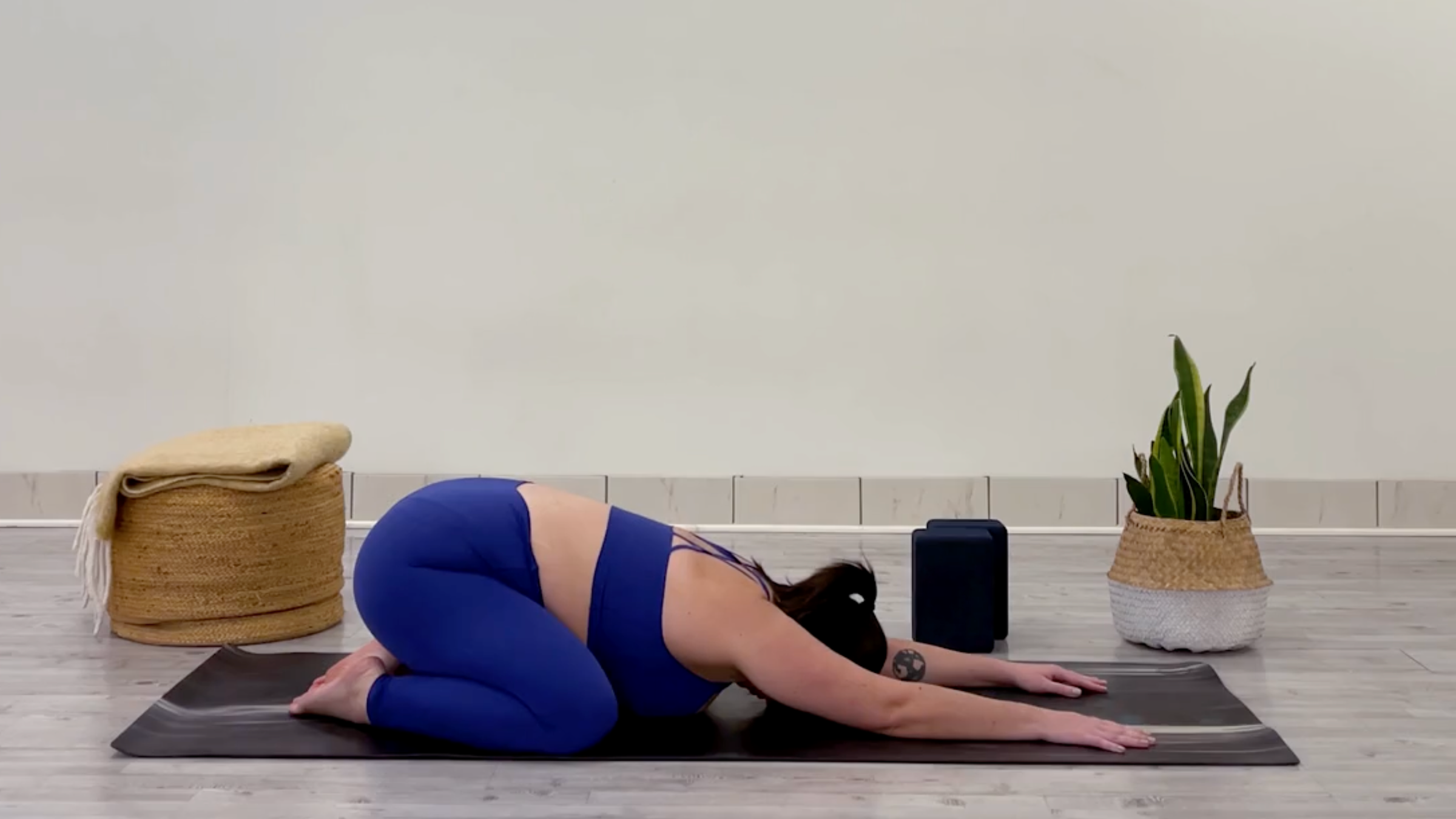
1. Establishing the Foundation: Child’s Pose
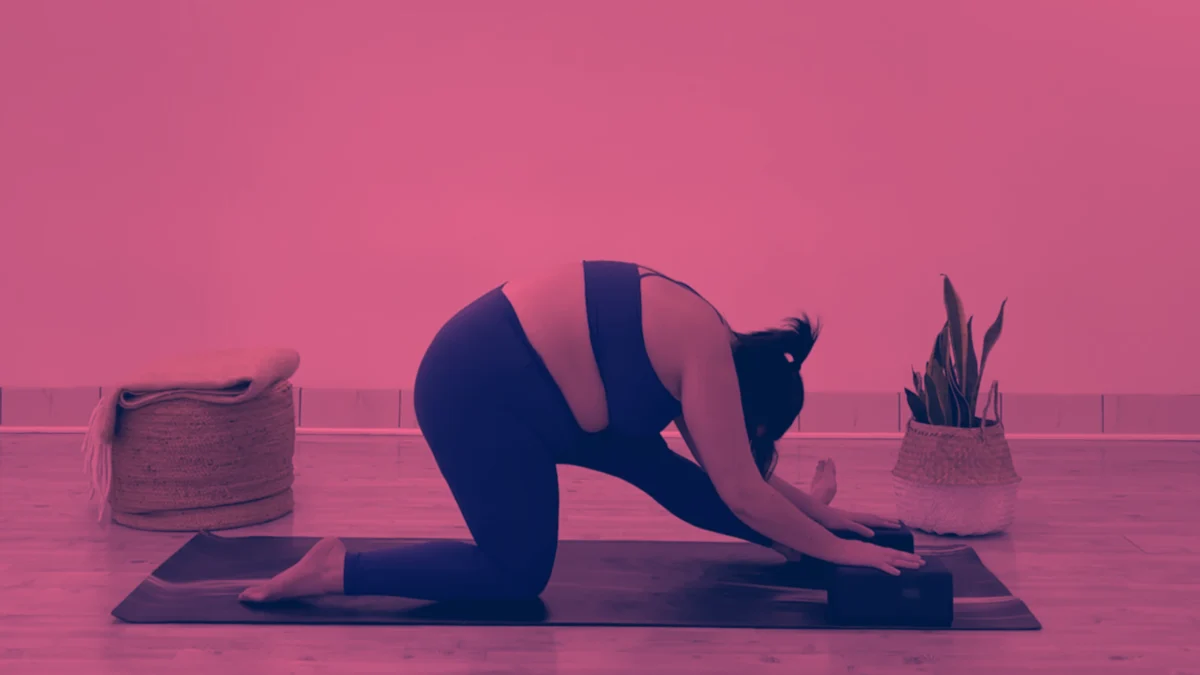
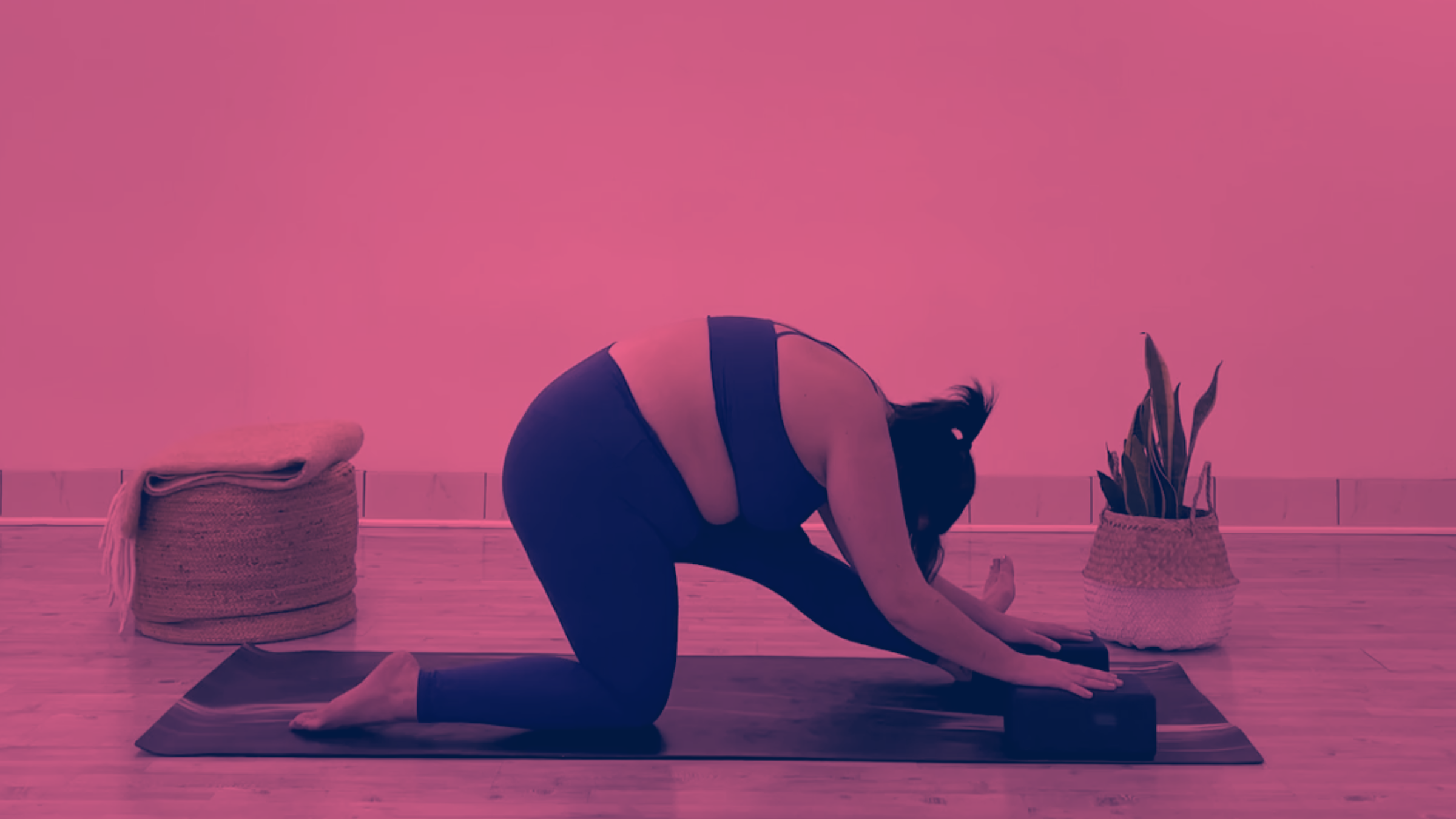
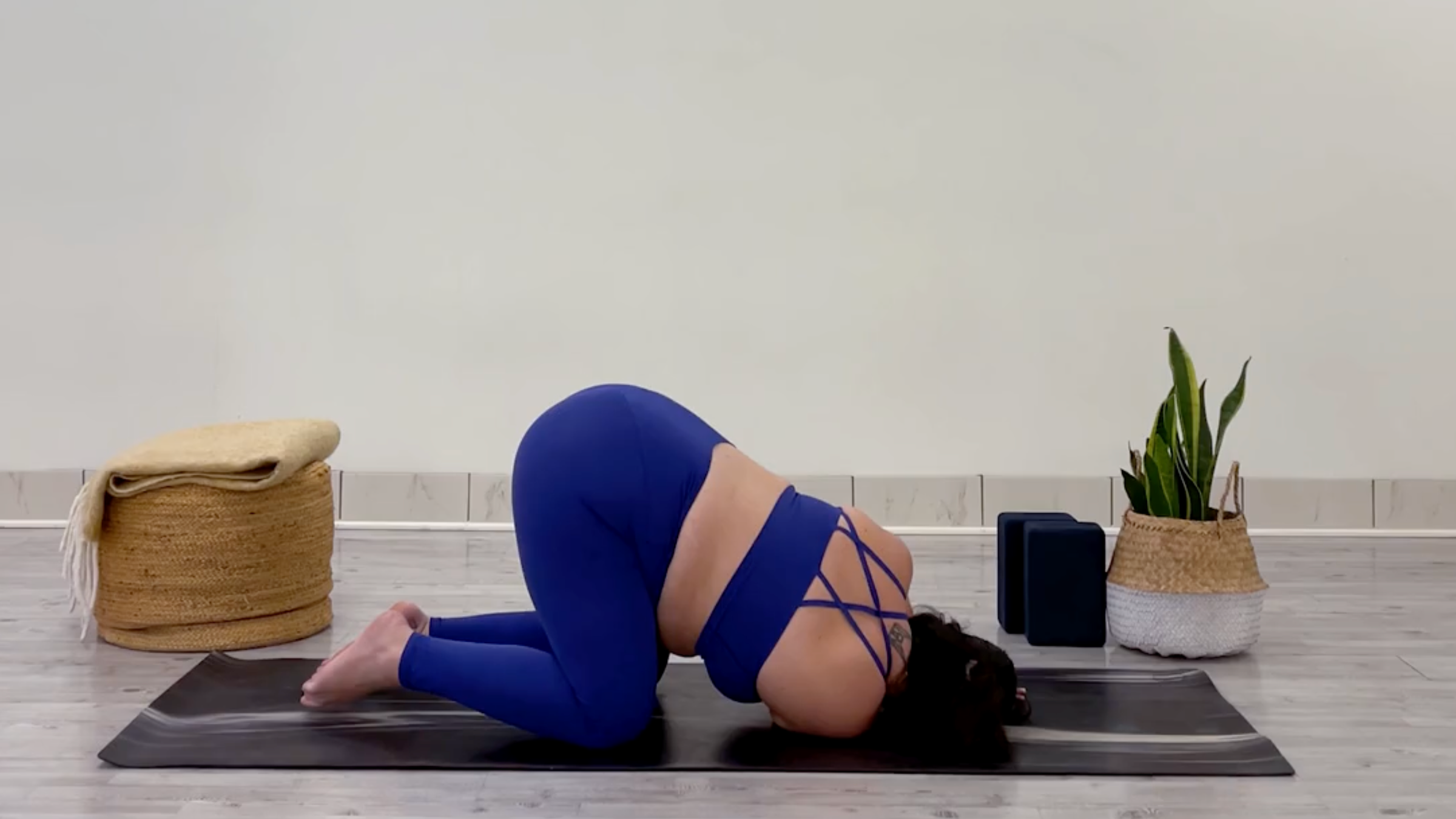
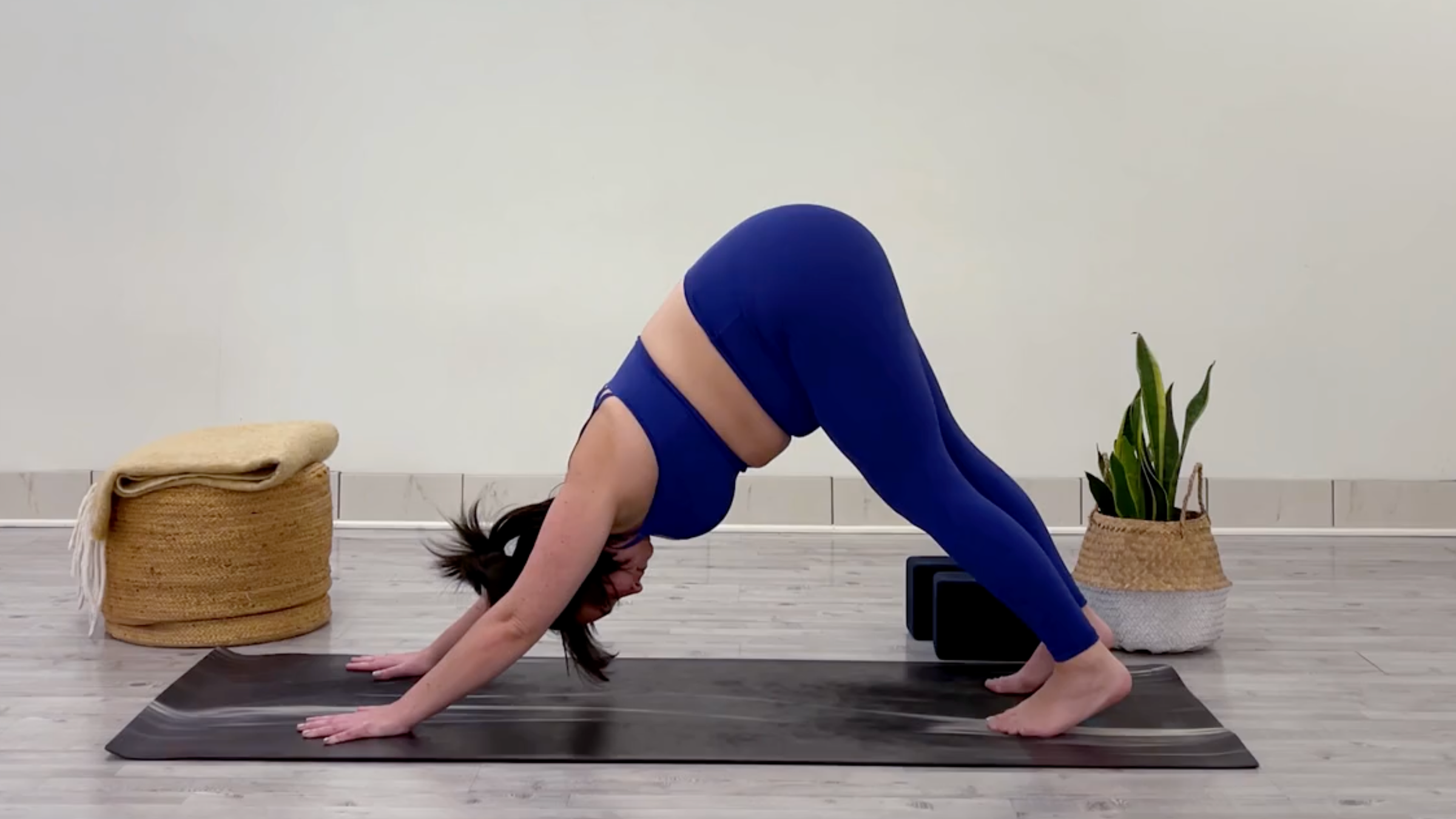
The practice begins in Child’s Pose, the quintessential posture of surrender. By kneeling and shifting the hips back toward the heels, the practitioner anchors their weight into the earth. Keeping the knees hip-to-mat width apart allows the torso to sink comfortably between the thighs. Extending the arms forward engages the lats and shoulders gently. Holding this for 1–2 minutes encourages the lower back to release and signals the brain that the transition to "practice mode" has begun.
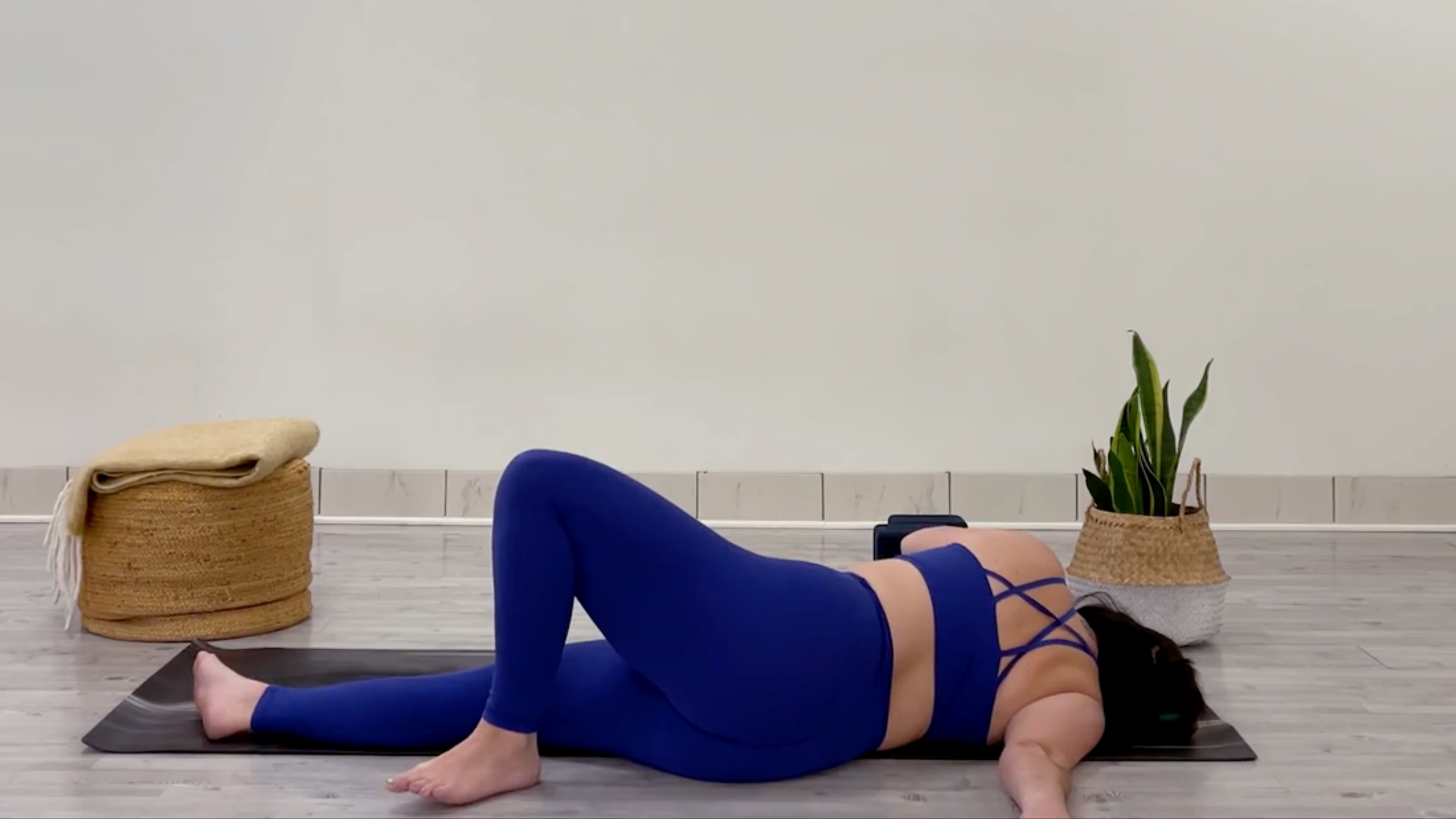
2. Opening the Heart: Broken Wing
Transitioning from the ground, the practitioner slides forward onto their abdomen. The Broken Wing pose is a targeted stretch for the chest and shoulders. By placing the left hand beneath the shoulder and extending the right arm out at a 90-degree angle, the user creates a stable base. Rolling onto the right shoulder while stepping the left foot over the right leg provides a deep, corrective opening. Maintaining this for six breath cycles allows the tight pectorals—often constricted by poor posture—to finally lengthen.
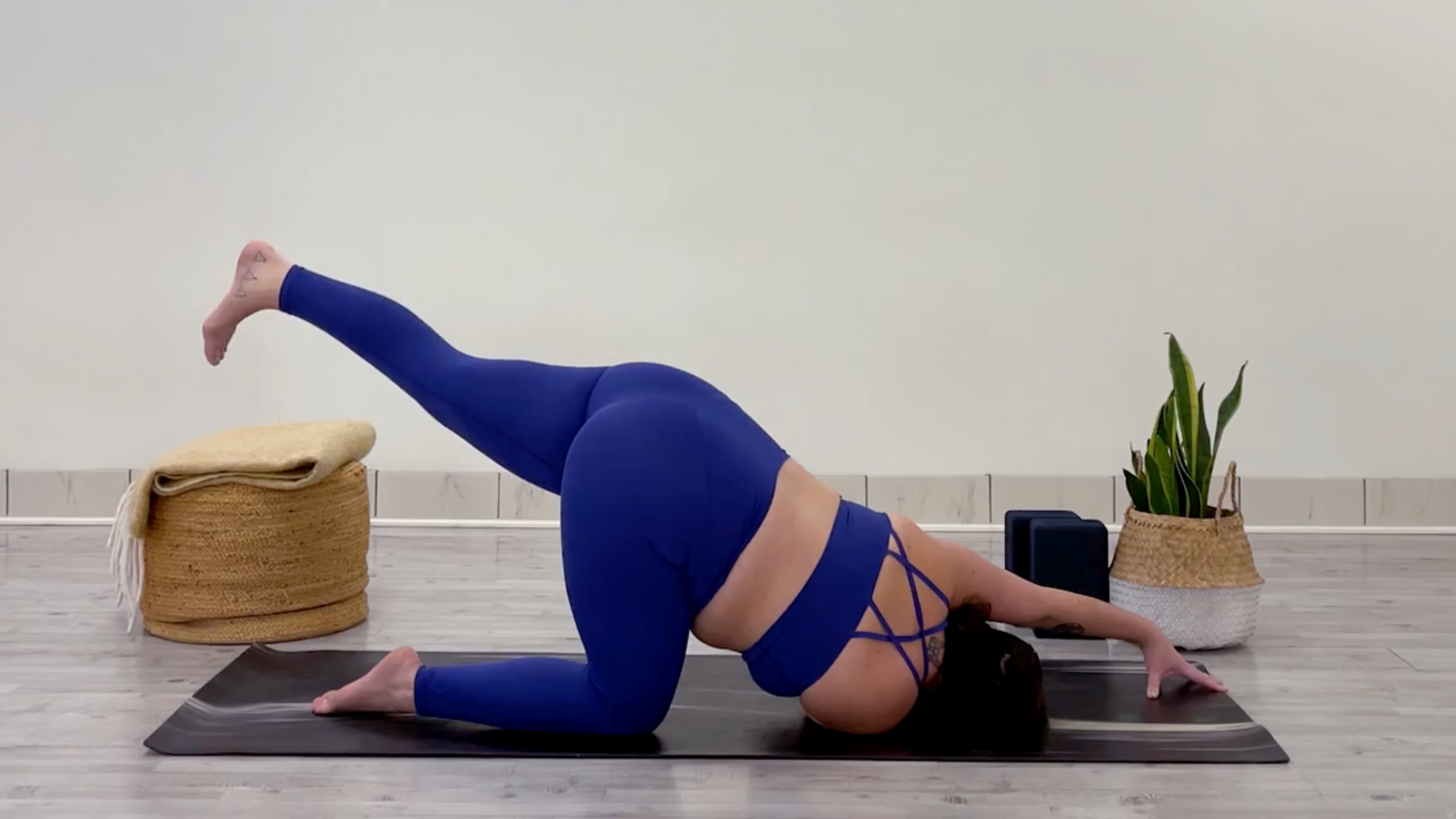
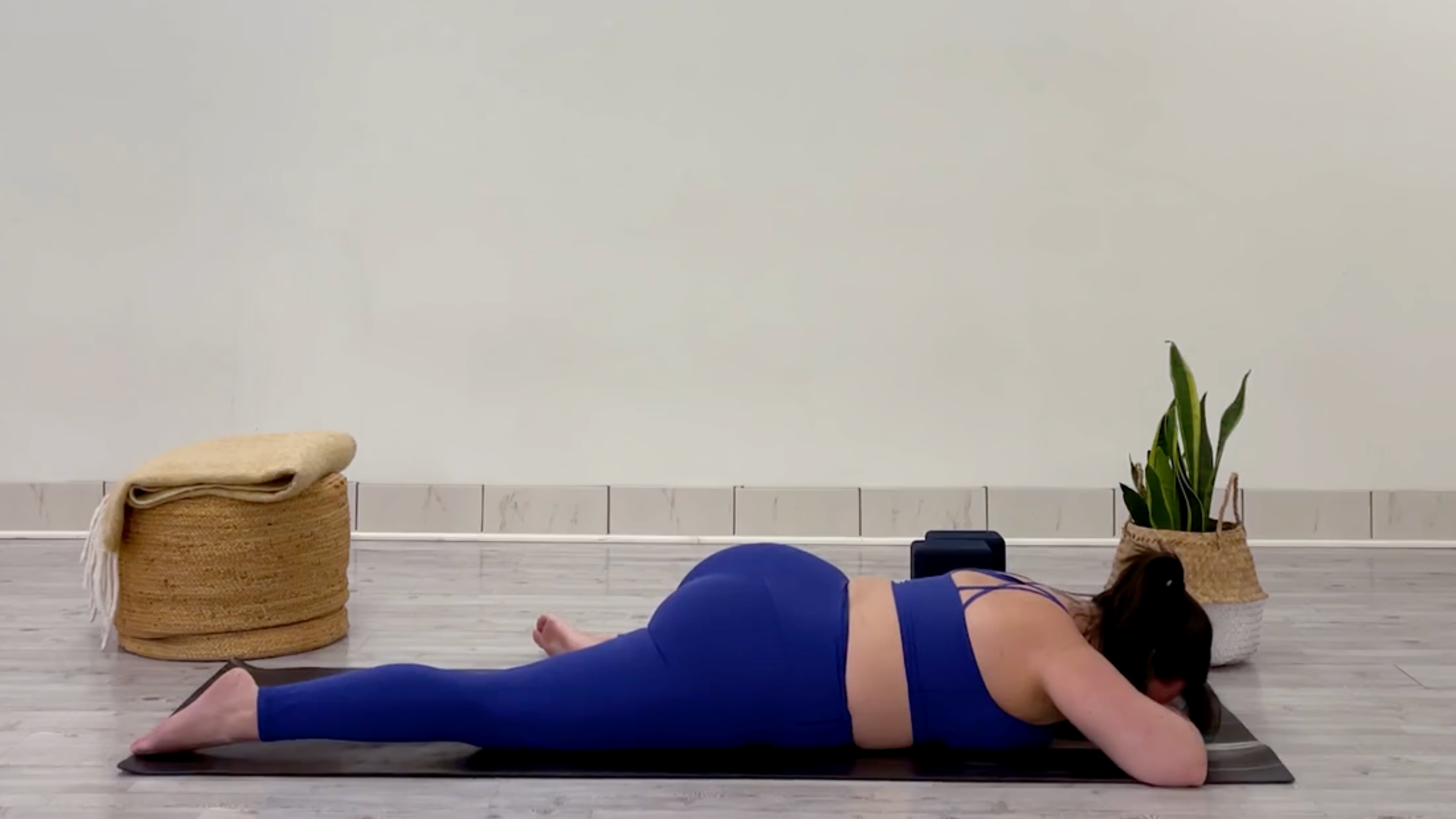
3. Pelvic Release: Resting Half Frog
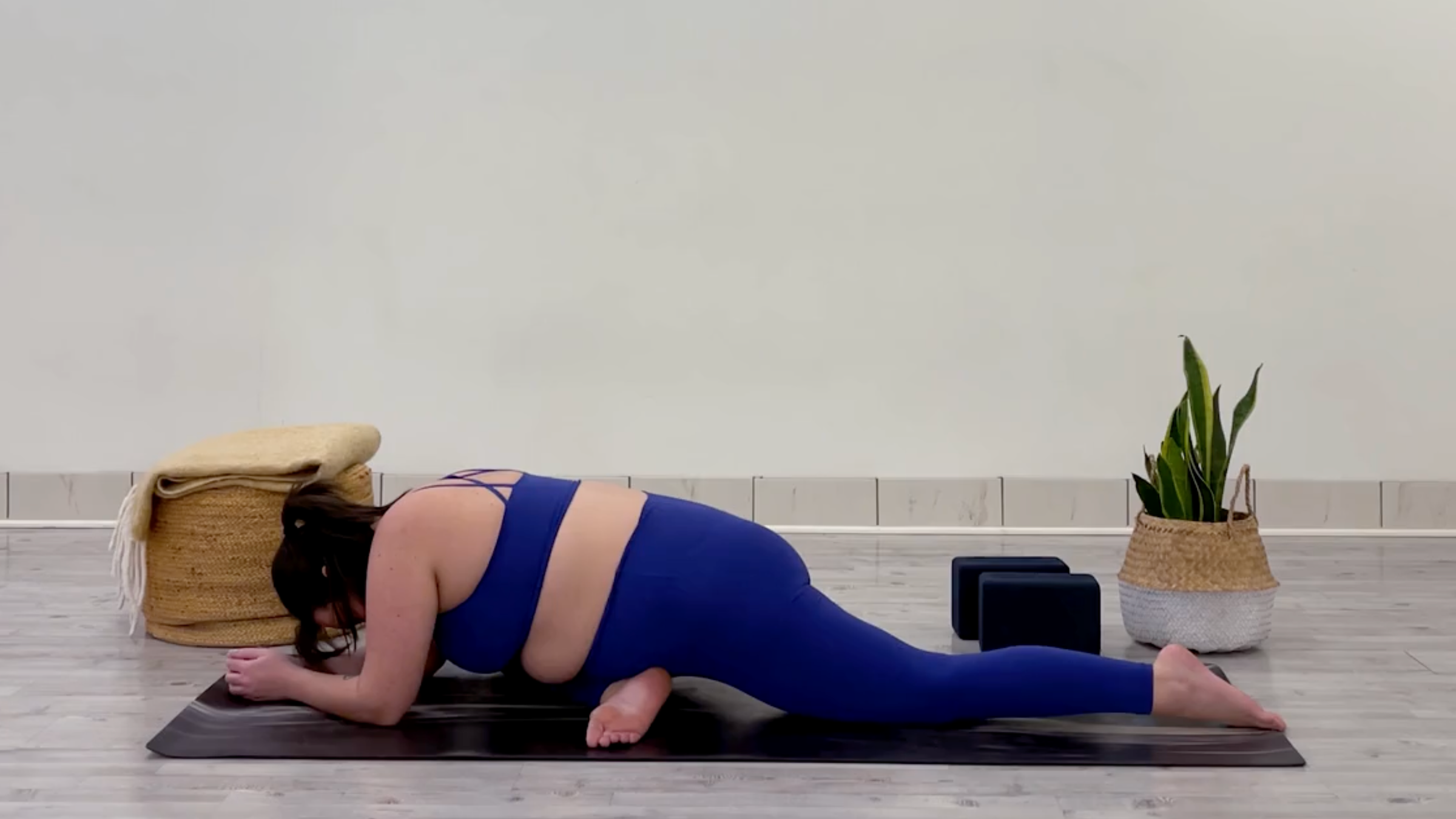
To counter the intensity of the shoulder work, the sequence moves into Resting Half Frog. By stacking the hands to create a pillow for the forehead, the practitioner maintains a neutral cervical spine. Drawing the left knee out to the side allows for a passive hip-opener. This pose is crucial for releasing the psoas, a muscle group that often holds emotional and physical stress. Three breath cycles here provide a necessary pause before repeating the previous two postures on the opposite side.
4. Spinal Mobility: Dynamic Cobra
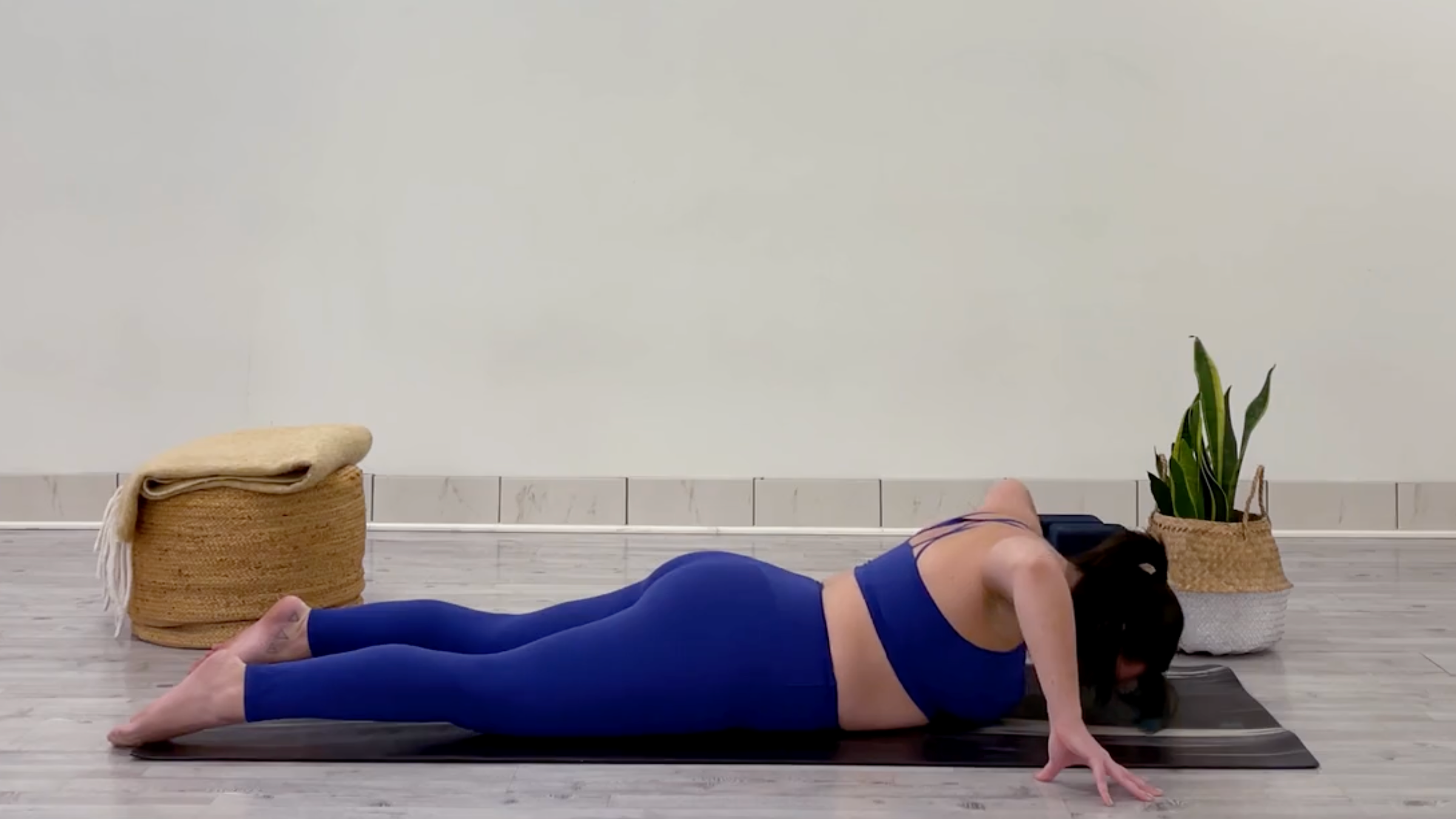
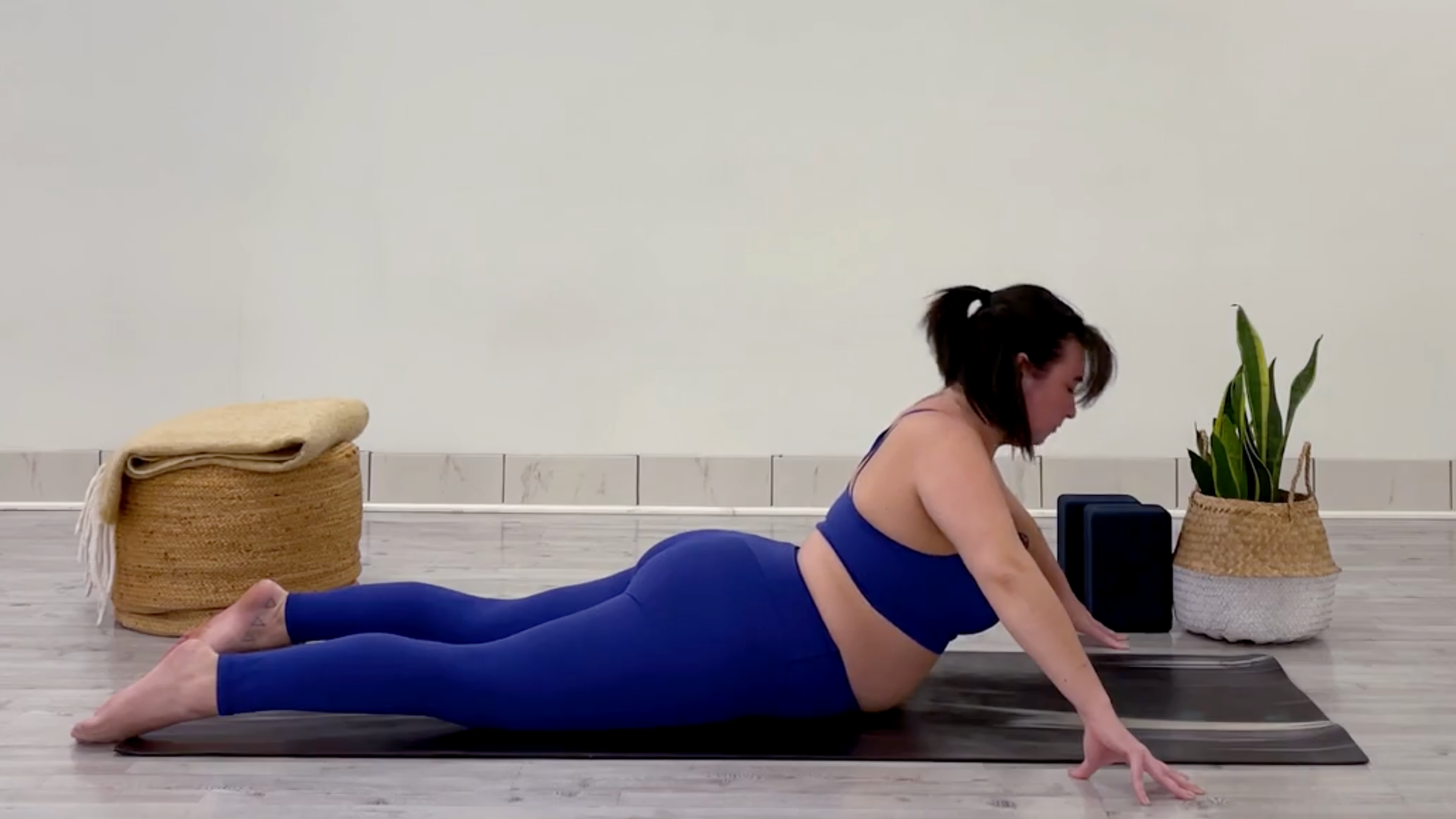
The Dynamic Cobra introduces movement into the stillness. By tenting the fingers wide off the mat, the practitioner gains greater thoracic range of motion. Inhaling to lift the chest and exhaling to dip the shoulders—looking left and right—creates a rhythmic "flossing" of the spine. This motion lubricates the vertebrae and encourages blood flow to the spinal erectors.
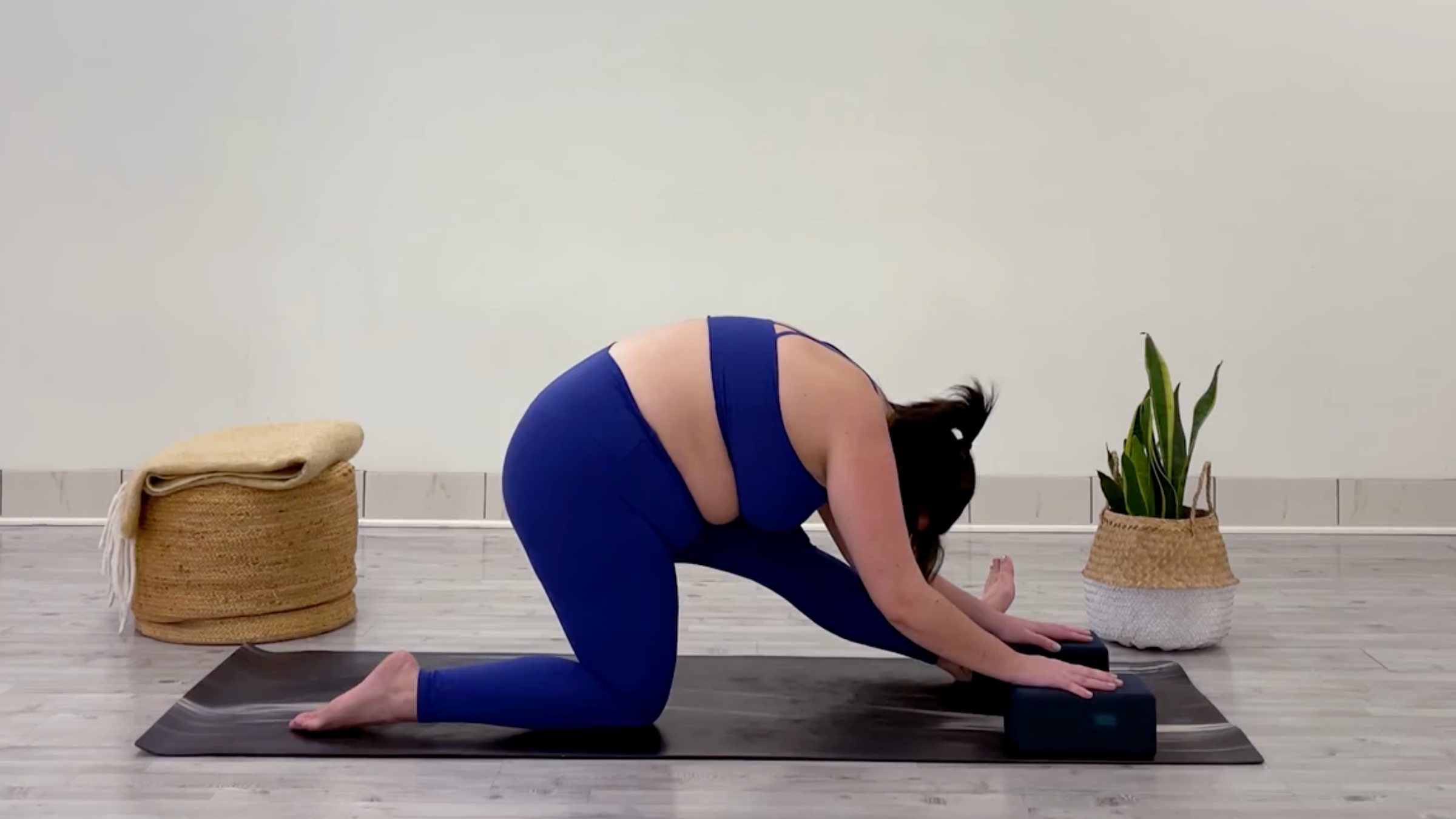
5. Deep Tissue Release: Thread the Needle
Returning to the hands and knees, Thread the Needle provides a deep twist. By threading the right arm beneath the chest and resting the shoulder on the mat, the upper back is stretched. Advanced practitioners may choose to extend the left leg or lift the left toes to challenge their balance, further integrating core engagement into the stretch.
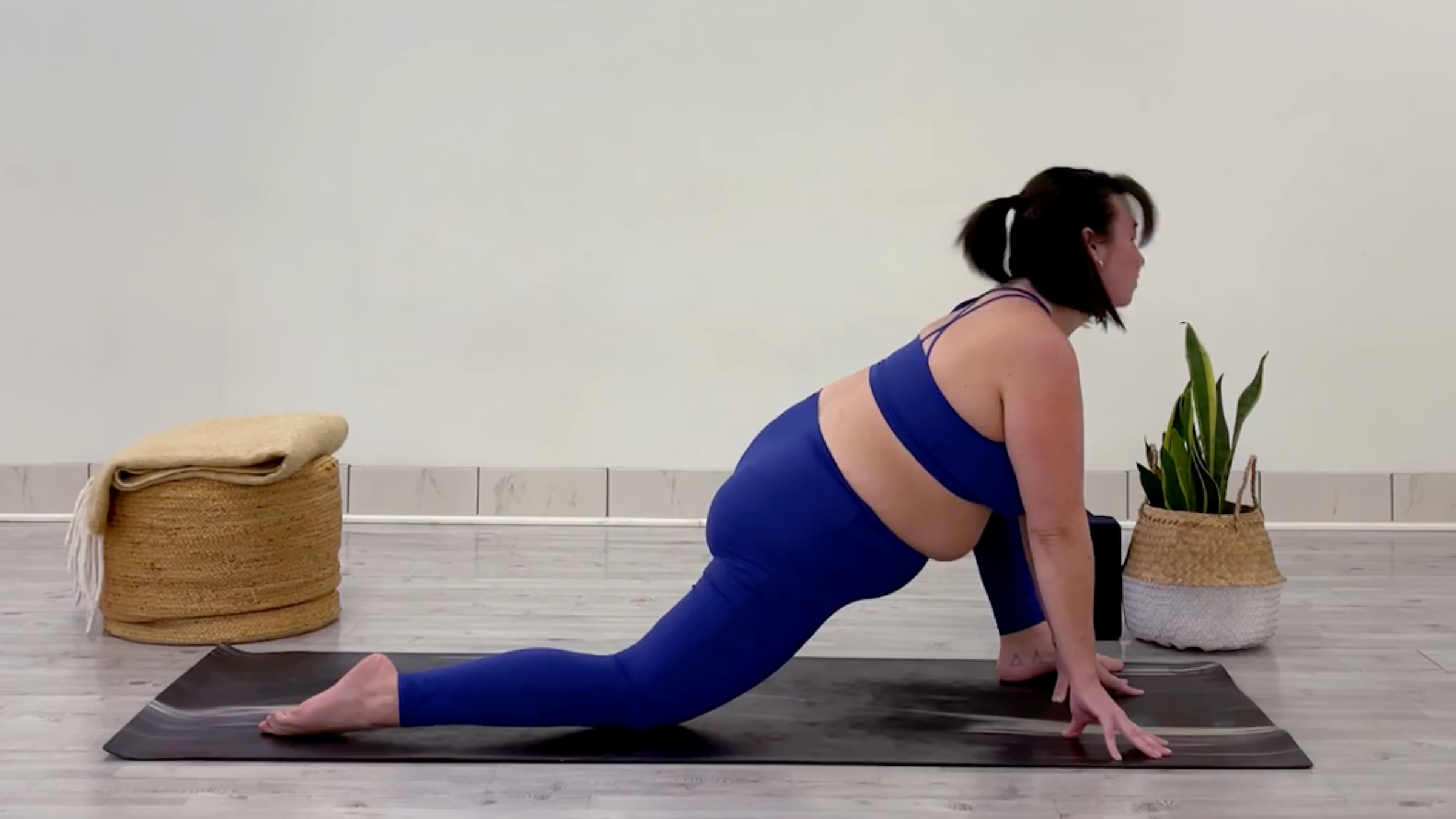
6. Hip Mobility: Lizard Pose and Half Splits
The sequence reaches its peak intensity with Lizard Pose and Half Splits. Lizard Pose is a powerful tool for opening the hip flexors, while the transition to Half Splits stretches the hamstrings. By moving between these two postures three times, the practitioner facilitates a "dynamic stretch," which is significantly more effective at increasing long-term flexibility than static holding alone.
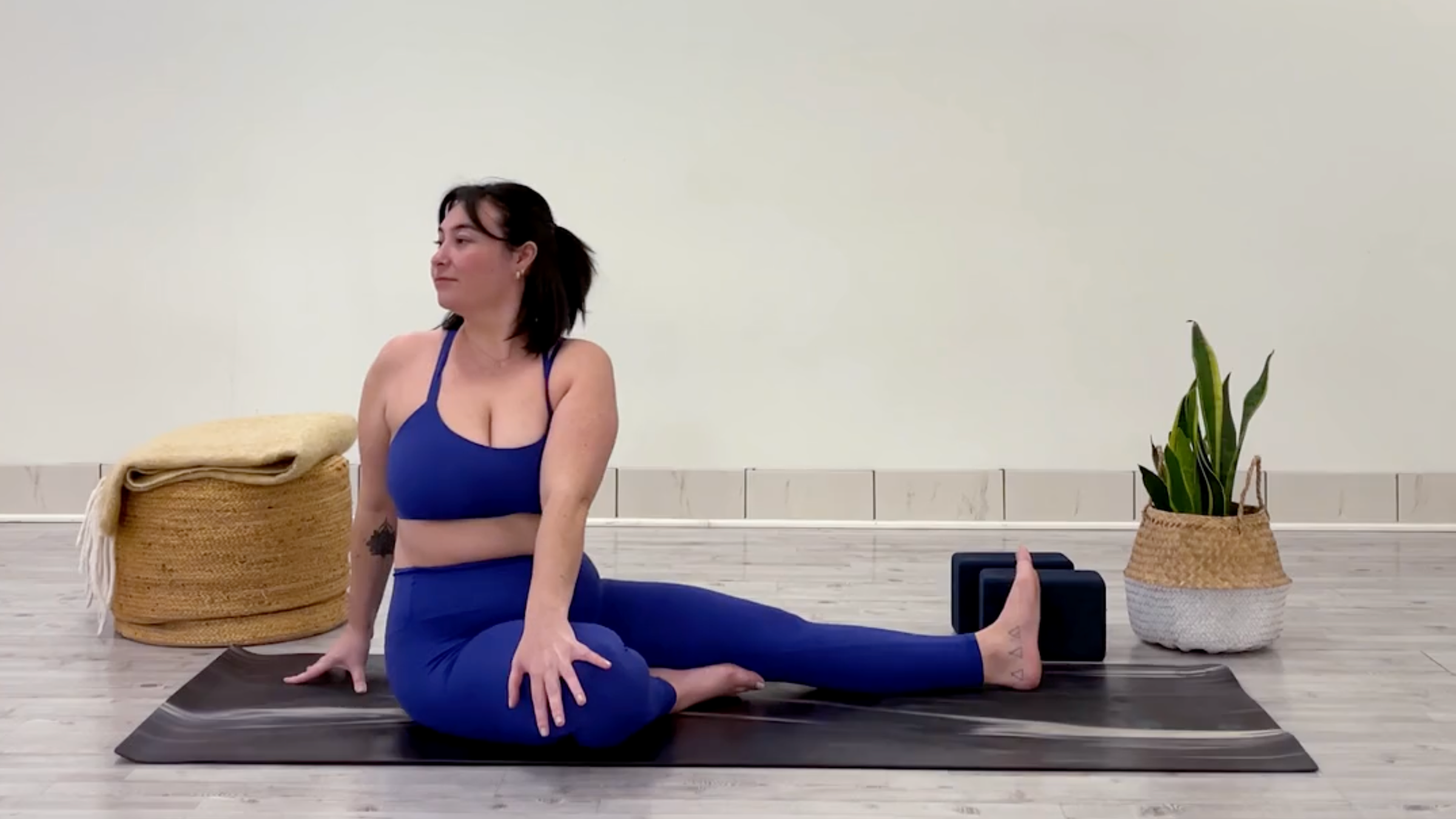
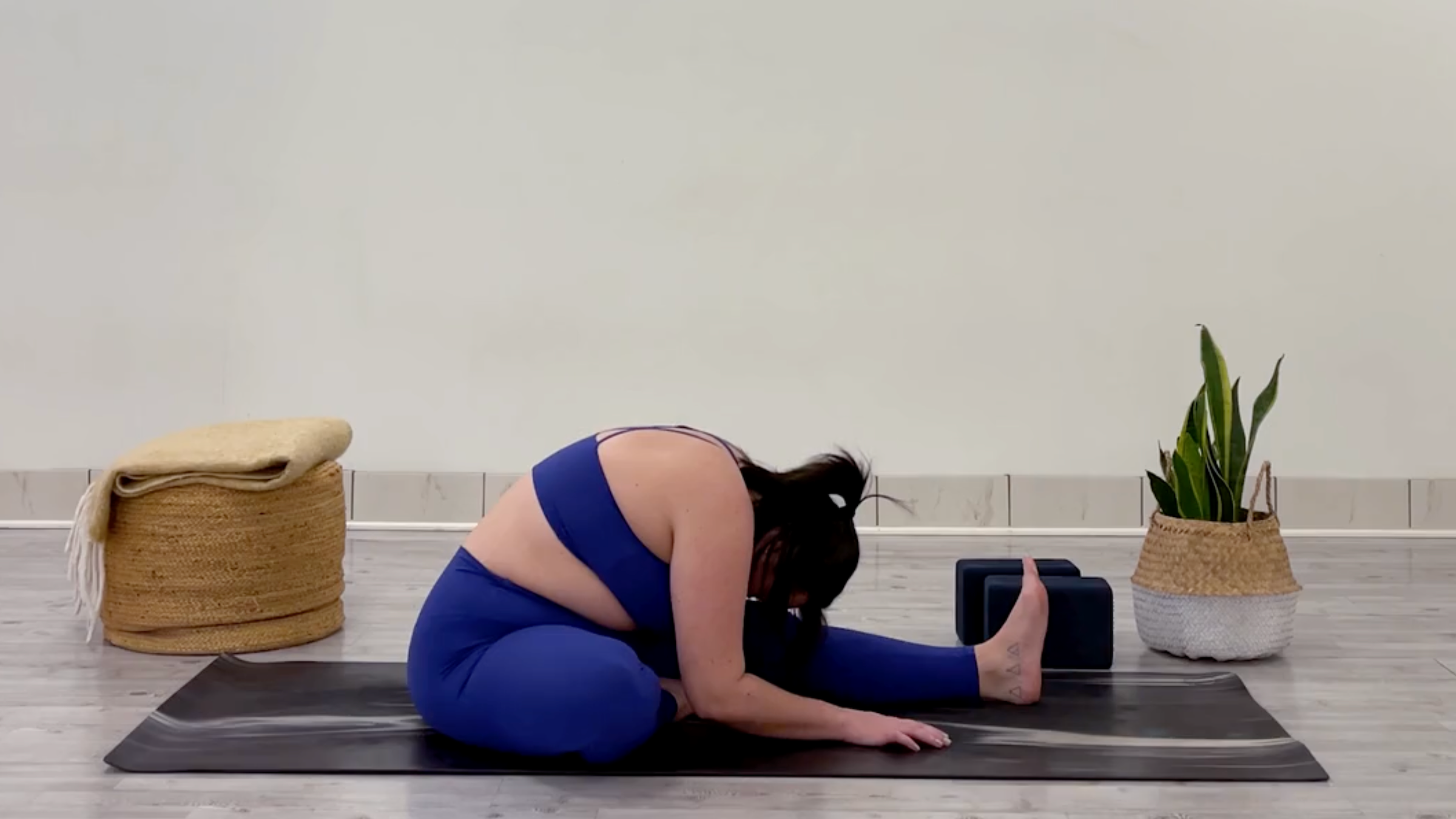
7. Symmetry and Closure: Head-to-Knee, Seated Twist, and Pigeon
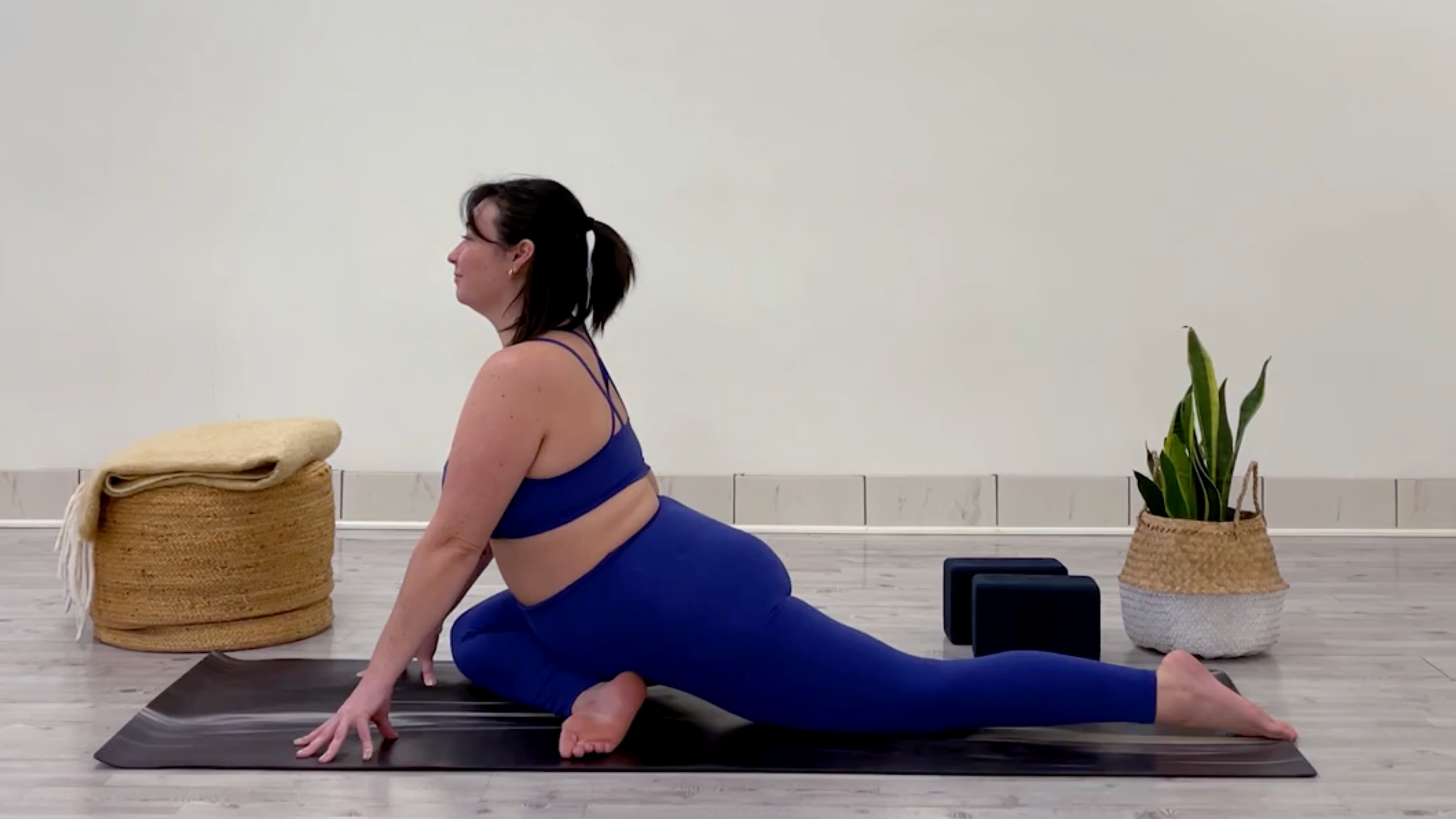
The final seated portion of the flow addresses the lower body and core. Head-to-Knee Pose targets the hamstrings and lower back, while the Seated Twist facilitates spinal detoxification. The sequence concludes with Pigeon Pose, the gold standard for gluteal release. Holding Pigeon for five breath cycles provides a deep, restorative finish that prepares the body for the final integration.
Supporting Data: Why 15 Minutes Matters
Recent studies in sports medicine and psychology have validated the efficacy of short-duration movement sessions. According to research from the American Council on Exercise, consistent, low-intensity movement—even when limited to 15 minutes—results in measurable reductions in cortisol levels.
- Autonomic Nervous System Regulation: Moving from a seated position to ground-based stretches triggers the vagus nerve, which helps shift the body from sympathetic (stress) to parasympathetic (calm) dominance.
- Fascial Hydration: Movement sequences that include both static and dynamic elements, like the one outlined here, help rehydrate the fascia, the connective tissue that wraps our muscles.
- Cognitive Benefits: A 15-minute break acts as a "cognitive circuit breaker," preventing decision fatigue and improving post-practice focus.
Implications for Daily Wellness
The implications of adopting a 15-minute, full-body yoga practice extend beyond mere physical flexibility. By committing to this flow, individuals are creating a boundary between their "work self" and their "home self." In a world where the lines between the two are increasingly blurred, this practice acts as a ritual of transition.
Furthermore, the emphasis on "listening to the body"—as seen in the inclusion of blocks for support and the option to modify intensity—promotes body autonomy. It teaches the practitioner to move away from performance-based exercise and toward maintenance-based movement.
Conclusion: Showing Up for Yourself
The final moments of the practice—the closing, where the practitioner sits with hands at heart center—are arguably the most important. This is a moment of gratitude. Whether performed at the start of a grueling workday or as a wind-down before sleep, this sequence offers a structured path back to the self. By showing up for 15 minutes, the practitioner acknowledges that their well-being is not a luxury, but a necessity. In the quiet of the mat, amidst the rhythm of the breath, the clutter clears, and the body finds its natural, harmonious state once more.