










Published August 3, 2026
In the vast lexicon of yoga asana, few postures possess the universal recognition and multifaceted utility of Adho Mukha Svanasana, or Downward-Facing Dog. While modern practitioners often view it as a transitional movement in a Vinyasa flow, its roots run deep into the classical traditions of the practice. Originally featured in the November-December 1986 issue of Yoga Journal, the following exploration remains as relevant today as it was nearly four decades ago. By examining the mechanics, the philosophy, and the physiological implications of this foundational inversion, we uncover why this "pose-as-a-practice" remains the gold standard for students of all levels.
The Anatomy of a Classic: Main Facts and Physiological Benefits
At its core, Adho Mukha Svanasana is often described as a comprehensive yoga session distilled into a single shape. By engaging the entire posterior chain, the pose provides a potent stretch for the hamstrings, gastrocnemius, and soleus muscles. For athletes—particularly runners, cyclists, and those engaged in high-intensity interval training—the pose acts as an essential counter-balance to the repetitive, forward-propelling nature of their sport.
Musculoskeletal Impact
The posture serves as a multi-dimensional tool for structural health:
- Shoulder Girdle: It encourages a full range of motion in the shoulders while simultaneously toning the triceps, stabilizing the scapulae, and improving posture.
- Spinal Decompression: Unlike gravity-loaded standing poses, Down Dog allows the spine to hang in a state of traction, relieving pressure on the vertebral discs.
- Core Engagement: While it may appear to be a stretch, it is a functional strength-builder, requiring active recruitment of the transverse abdominis to maintain stability.
- Nervous System Regulation: As noted by the legendary B.K.S. Iyengar, the pose is highly effective at mitigating chronic fatigue, acting as a gentle restorative tool when held with awareness.
Chronology of Practice: From Ancient Sutras to Modern Desks
The intellectual history of Downward-Facing Dog is anchored in the Yoga Sutras of Patanjali. In verses 20-23 of the first chapter, Patanjali delineates the dual paths of abhyasa (practice/effort) and vairagya (surrender).
Historically, this pose has evolved from a quiet, meditative hold in the mid-20th century to a dynamic, rhythm-driven component of modern flow sequences. Yet, the essence remains unchanged. Whether utilized as a warm-up for standing postures or as a "reset" button between intense bouts of physical exertion, the pose functions as a bridge between high-energy activity and inward reflection.
The "Office-Ready" Adaptation
In our modern, sedentary era, the utility of Down Dog has expanded beyond the yoga mat. For those tethered to desks, the "Half-Dog" variation—placing hands on the edge of a sturdy desk or table while walking the feet back until the torso is parallel to the floor—offers a discreet way to decompress the spine. This modification replicates the physiological benefits of the full pose, providing immediate relief from "tech-neck" and lower back tightness without requiring a change of clothes or floor space.
Supporting Data: The Science of the Partial Inversion
One of the most critical, yet often overlooked, aspects of Adho Mukha Svanasana is its status as a "partial inversion." For practitioners who are contraindicated from performing full inversions like Salamba Sirsasana (Headstand) or Salamba Sarvangasana (Shoulderstand)—such as those dealing with high blood pressure or cervical spine sensitivities—Down Dog offers a safer alternative to gain the benefits of blood flow regulation and cranial pressure balance.
The Mental Architecture
Psychologically, the pose acts as a focal point for the mind. By introducing a "manageable difficulty" to the body, the practitioner is forced to move from a state of external distraction to internal concentration. The pose requires the practitioner to marry the "surrendering" sensation of a forward bend with the "active engagement" of an arm-strengthening pose. This synthesis prevents the mind from falling into a state of dullness or lethargy, keeping the practitioner present and alert.
Expert Perspectives: The Philosophy of Effort and Surrender
The philosophy of the pose hinges on the delicate balance between determination and letting go. As outlined in the classical teachings, the practitioner must possess the "will" to hold the form, maintaining the structural integrity of the long spine and active legs. Simultaneously, they must cultivate a "softness"—an intellectual detachment from the ego’s need for perfection.
When these two forces—effort and surrender—converge, the pose transcends its physical form. It becomes a vessel for what many yogis call "coming home." This state is characterized by:
- Silence: The cessation of internal chatter.
- Peace: The regulation of the breath, which directly influences the heart rate.
- Bliss: A state of awareness where the distinction between the self and the environment softens.
Implications for Practice: How to Master the Form
Achieving the correct geometry in Adho Mukha Svanasana is an iterative process. Beginners often make the mistake of setting the distance between hands and feet too short, which forces the spine to round, or too long, which causes the shoulders to collapse.
A Step-by-Step Guide for the Modern Practitioner
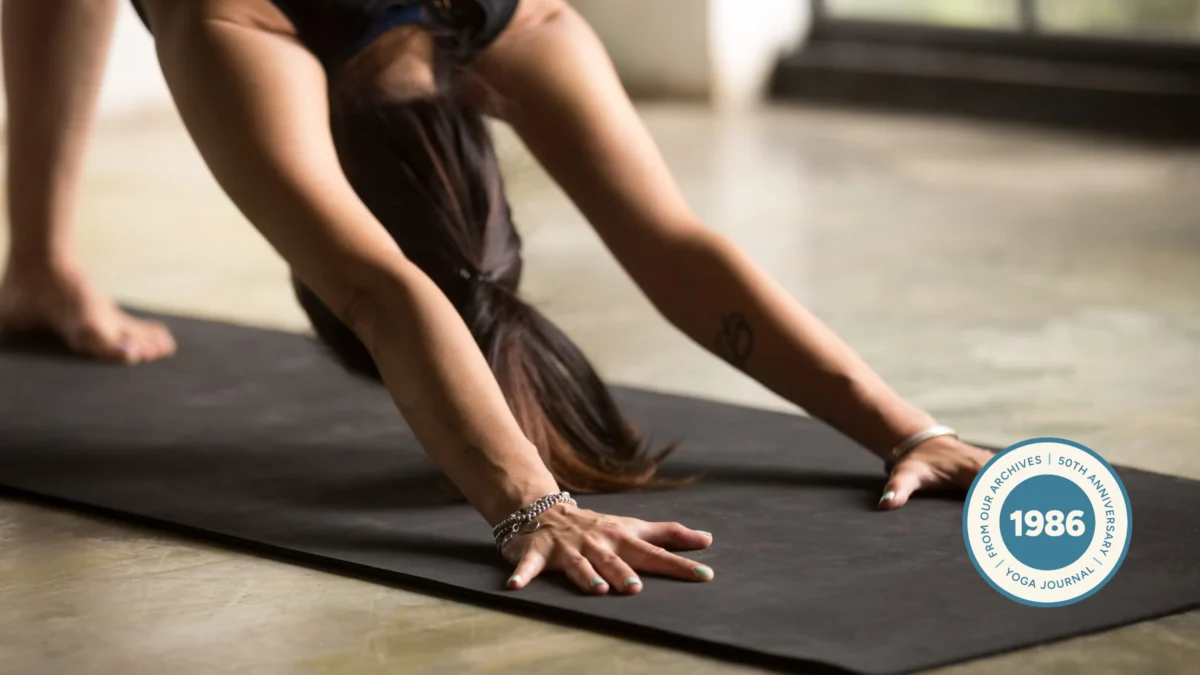
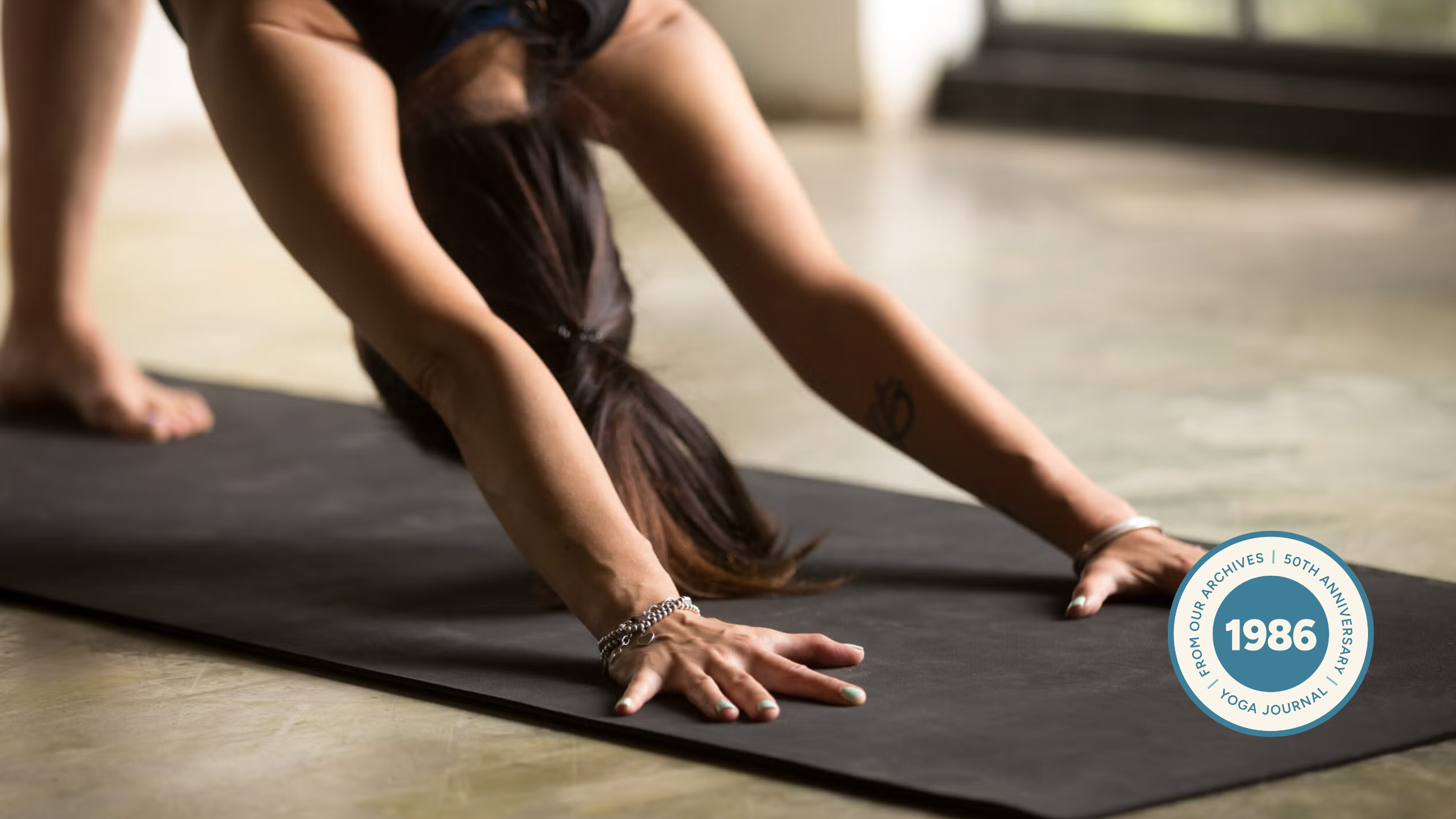
- The Setup: Begin on hands and knees (tabletop position). Ensure hands are shoulder-width apart, fingers spread wide to distribute weight evenly, particularly pressing into the base of the index finger.
- The Transition: Tuck the toes and, on an exhalation, lift the hips toward the ceiling. Focus on pushing the floor away with the hands rather than just pulling the heels toward the ground.
- The Geometry: Prioritize the length of the spine over the straightening of the knees. If the hamstrings are tight, keep a micro-bend in the knees to allow the back to lengthen fully.
- The Refinement: Avoid "crashing" into the shoulders. Keep the energy moving backward and upward through the sit bones. Relax the neck by gazing toward the thighs or the navel, ensuring the head does not hang with excessive tension.
- The Release: To exit, gently lower the knees back to the floor during an exhalation, resting in a child’s pose to integrate the experience.
Common Pitfalls to Avoid
- Hyper-extension: Flexible students often overarch the lumbar spine. Engage the lower abdominals to keep the ribs tucked and the spine neutral.
- Uneven Weight Distribution: Avoid dumping weight into the heels of the hands. Distribute the force across the entire palm to protect the wrists.
- Forcing the Heels: The goal is not to touch the heels to the floor, but to create length in the spine. If the heels do not touch, recognize this as a natural anatomical variation rather than a failure of practice.
Conclusion: A Legacy of Balance
As we revisit these teachings from 1986, the enduring nature of Adho Mukha Svanasana becomes clear. It is not merely an exercise in stretching; it is a profound architectural study of the human body. By integrating the path of determined effort with the path of surrender, the practitioner finds a sanctuary within the pose. Whether at a rest stop on a long drive, in the quiet of an office, or on a mat in a dedicated studio, Downward-Facing Dog remains a testament to the fact that the most transformative movements are often the ones we return to, day after day, year after year.