By Emily Olsen | June 4, 2026
The landscape of modern healthcare is undergoing a silent, digital transformation. Across the United States, the wrist-worn monitor and the smart ring have evolved from niche fitness gadgets into ubiquitous accessories. According to a comprehensive new report from Rock Health, nearly 60% of U.S. adults now report owning at least one wearable or connected health device. However, as these devices proliferate, a stark reality has emerged: the technology designed to democratize health data is currently skewed toward the affluent and the already healthy, creating a "digital divide" that leaves the most vulnerable populations behind.
The Rapid Ascent of Consumer Health Tech
The integration of technology into personal wellness has seen an exponential trajectory over the last decade. In 2015, only 13% of Americans reported owning a wearable device. By last year, that figure had ballooned to 46%, with a significant portion of that growth driven by smartwatches and rings.
The Rock Health survey, which drew insights from 8,000 respondents, paints a picture of a population that is increasingly tethered to its own biometric data. For the majority of these users, the primary motivation for adoption is the tracking of fundamental metrics: physical activity levels, sleep quality, and heart rate variability. The commitment to these devices is substantial, with 59% of owners reporting that they wear their devices "always or almost always."
This shift represents a fundamental change in the patient-consumer relationship. Healthcare is moving out of the clinic and into the living room, the gym, and the bedroom. Yet, as ownership numbers climb, the critical question remains: are these devices serving as tools for preventative care, or are they merely high-tech toys for the "worried well"?
Chronology: From Fitness Trackers to Medical Monitors
To understand the current state of the wearable market, one must look at the progression of the technology over the last decade:
- 2015–2018 (The Fitness Era): Wearables were primarily marketed as lifestyle trackers. Devices focused on step counts and calorie burning, with little to no integration into the formal medical record.
- 2019–2021 (The Clinical Pivot): Manufacturers began seeking FDA clearances for specific features, such as EKG sensors for AFib detection. The COVID-19 pandemic accelerated the demand for remote patient monitoring, forcing a broader conversation about data accuracy.
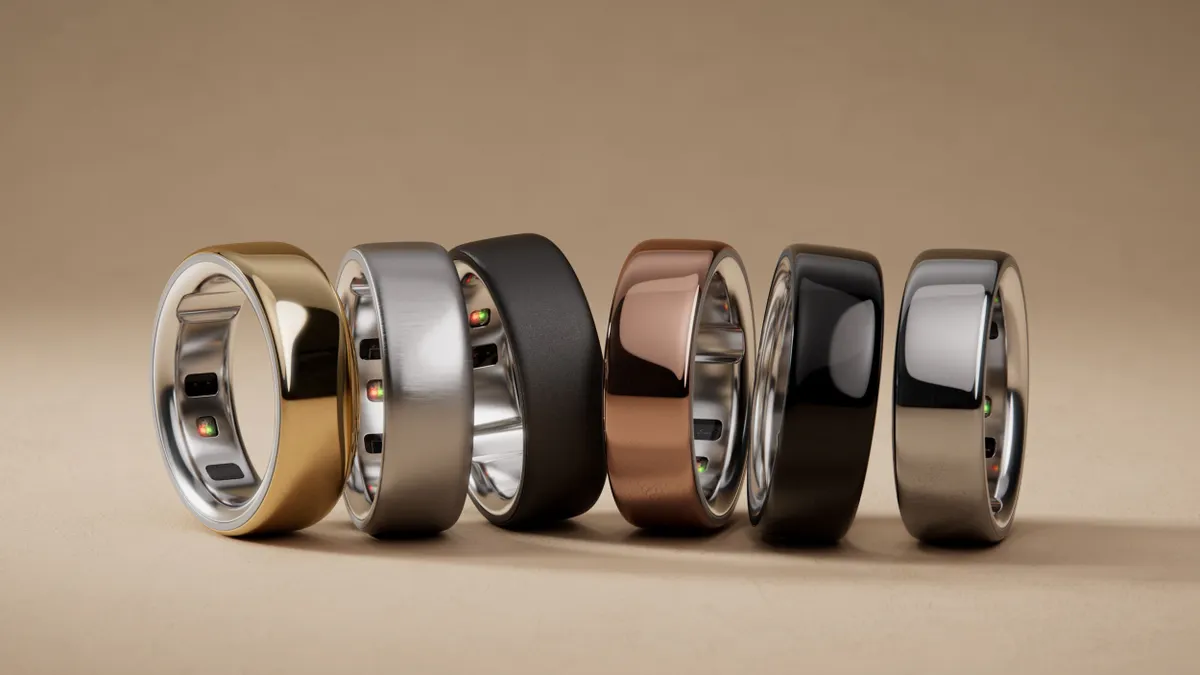
- 2022–2024 (The Integration Push): Companies like Oura, Apple, and Whoop pushed for deeper integration with healthcare ecosystems. This period saw the launch of sophisticated hardware, such as the Oura Ring 4, which offers more discreet, continuous monitoring.
- 2025–2026 (The Policy Shift): The current regulatory environment, characterized by the Trump administration’s push for deregulation and the FDA’s recent guidance on wellness devices, has lowered the barrier to entry for health-tech companies, effectively moving them away from strict medical device oversight for wellness-focused products.
Supporting Data: The Demographic Disparity
The Rock Health data reveals a concerning demographic skew. Ownership of connected health technology is not distributed evenly across the socioeconomic spectrum. Instead, current owners are disproportionately younger, wealthier, and more likely to live in urban centers.
Perhaps most revealing is the self-reported health status of these users: 23% of wearable owners describe their health as "excellent." This creates a paradox where those who arguably have the least need for constant monitoring are the ones most heavily invested in it, while those suffering from chronic illnesses—who could benefit most from early alerts regarding blood pressure, glucose, or heart rhythms—are less likely to have access to these tools.
Furthermore, the "on-ramp" to this technology is largely independent of the medical establishment. More than 50% of users purchased their devices directly from retailers. Only 15% obtained their devices through a healthcare provider, and a mere 12% received them via an employer or insurance plan. This suggests that the healthcare industry is currently a passive observer of a digital revolution it did not initiate and does not control.
Official Responses and Regulatory Maneuvers
The regulatory and payment landscape is shifting to accommodate this influx of data, albeit with significant friction. The FDA’s early 2026 guidance was a watershed moment; it clarified that devices measuring blood pressure or glucose do not necessarily require medical device classification if they are marketed for "wellness purposes." While this eases the burden on tech manufacturers, it creates a "gray zone" that worries medical professionals.

The Centers for Medicare & Medicaid Services (CMS) is simultaneously testing the waters. In December 2025, the agency announced a payment experiment aimed at expanding access to technology-backed care for chronic conditions. By bringing companies like Whoop and Withings into the fold, CMS is attempting to bridge the gap between consumer tech and reimbursable clinical care.
However, the medical community remains cautious. Many health systems have refused to enable integrations with platforms like Apple HealthKit or Google Health. The barriers are twofold:
- Liability: If a patient’s wearable records an anomaly—such as a fall or an arrhythmia—and the clinician fails to act on it, who is responsible?
- Reimbursement: Without clear billing codes for the time required to interpret "big data" from patients, physicians view these integrations as an uncompensated administrative burden.
"The liability question alone—what happens if a clinician misses a flagged fall or AFib alert?—has been enough to keep many traditional providers on the sideline," the report’s authors noted.
Implications: The Future of Patient-Provider Collaboration
Despite the systemic hesitation, the demand from patients is undeniable. The majority of wearable owners report that they have already discussed their device-generated data with their providers at least once. This creates an inevitable pressure on clinicians to incorporate this data into the standard of care.
For the healthcare system to successfully leverage this data, several structural changes must occur:

1. Standardizing Data Interpretation
Clinicians need a way to filter "noise" from "signal." If a patient brings a year’s worth of heart rate data to a fifteen-minute appointment, it is currently impossible to parse that information effectively. AI-driven platforms that summarize trends rather than providing raw data feeds will be essential.
2. Addressing the Equity Gap
If wearables are to become a legitimate part of the standard of care, they must be subsidized. Relying on patients to purchase their own devices guarantees that the "digital health divide" will persist. Insurers must pivot toward viewing wearables as a cost-saving measure for chronic disease management rather than an elective expense.
3. Redefining the Standard of Care
The Trump administration’s push for greater adoption of wearables suggests that the federal government views these devices as a lever to reduce costs and improve health outcomes. However, the medical community must ensure that this transition does not lead to "diagnostic creep," where healthy individuals are over-medicalized, while at-risk populations are left without the necessary diagnostic tools.
Conclusion
The era of the "passive patient" is effectively over. With 60% of the population adopting wearable technology, the healthcare system is being forced to adapt to a reality where patients arrive at the office with more data than the doctor can process.
While the technology offers immense potential for early detection and personalized medicine, the path forward is fraught with challenges. Bridging the gap between the wellness-tech industry and the clinical establishment will require more than just better software; it will require a fundamental reassessment of liability, payment models, and the role of the physician in a world of constant, real-time health monitoring. As we move into the latter half of the decade, the winners of this transition will be those who can turn this flood of data into actionable, equitable, and safe healthcare outcomes.