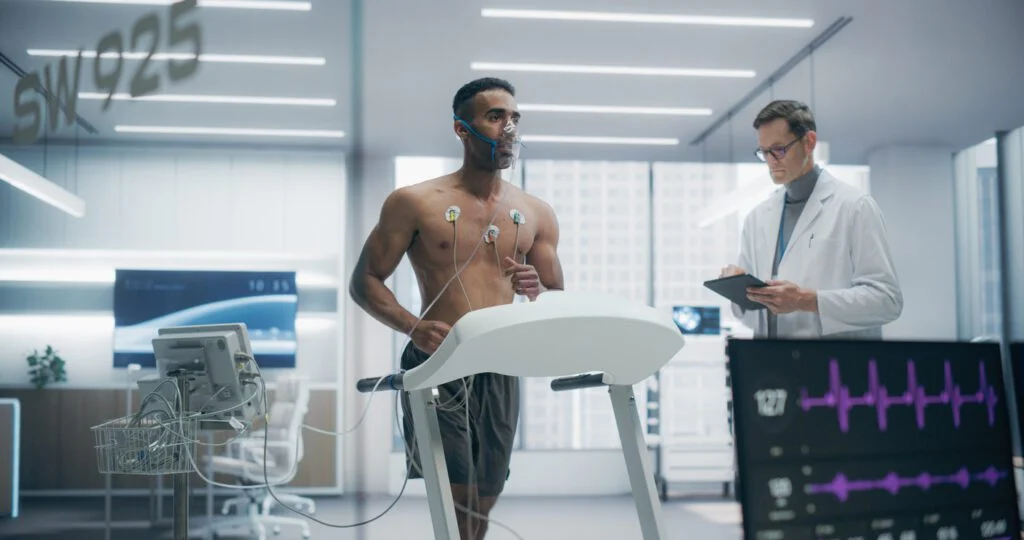
In the age of tech-driven wellness, the pursuit of longevity has moved from the fringes of science fiction into the mainstream. At the center of this cultural phenomenon is tech billionaire Bryan Johnson, whose relentless, multi-million-dollar quest to “not die” has popularized the concept of “biological age” (bio age) testing.
While Johnson claims his radical protocols—ranging from hyperbaric oxygen therapy to experimental plasma infusions—have successfully turned back his internal clock by over five years, the medical community remains deeply divided. As the trend trickles down from Silicon Valley elites to the average consumer via accessible mail-order kits, the central question remains: Is bio age testing a groundbreaking tool for health optimization, or is it merely an expensive, unproven obsession?
The Science of the "Inner Clock"
Biological age is distinct from chronological age—the simple tally of years since birth. It represents the functional health of your cells and organs. Two people may share the same birth year, but their physiological state can differ vastly based on genetics, environment, and lifestyle choices.
Think of it as the difference between a 2010 sedan that has been meticulously maintained in a climate-controlled garage versus one that has been driven 200,000 miles on dirt roads without a single oil change. Both are the same age, but their "biological" condition is worlds apart.
Scientists measure this gap using biomarkers—indicators of biological processes, such as DNA methylation (chemical modifications to your genetic material), telomere length (the protective caps on chromosomes), and systemic inflammation levels. These markers act as proxies for the "wear and tear" your body has accumulated over time.
A Chronology of the Anti-Aging Obsession
The obsession with quantifying aging has evolved rapidly over the last decade:
- 2013: Steve Horvath publishes the first "epigenetic clock," a revolutionary way to measure biological age by tracking DNA methylation. This provided the foundational technology for most modern commercial tests.
- 2018–2020: The rise of longevity-focused podcasts—hosted by figures like Peter Attia and Andrew Huberman—brings complex, high-level biomarker science to the public. Concepts like VO2 max and insulin resistance become standard water-cooler talk.
- 2023: Bryan Johnson’s "Don’t Die" campaign goes viral, fueled by a Netflix documentary and a transparent, data-heavy social media presence. The public interest in bio age testing spikes, prompting a wave of startups to offer consumer-grade diagnostic kits.
- 2024: Skepticism mounts. A New York Times investigation challenges the efficacy of Johnson’s specific "reverse aging" claims, highlighting that biological age is notoriously difficult to measure accurately, with results often fluctuating based on the specific test used.
Supporting Data: What Should You Measure?
While commercial testing kits often command high prices, the medical community emphasizes that the most valuable data often comes from routine, inexpensive, and scientifically validated testing.
The "Free" Biomarker Tests
You do not need a billionaire’s budget to gauge your vitality. Several physical tests serve as powerful indicators of systemic health:
- The Sitting-Rising Test (SRT): A measure of musculoskeletal strength and balance. Difficulty in rising from the floor without using your hands is linked to higher mortality rates.
- Grip Strength: A surprisingly accurate predictor of long-term muscle mass and overall longevity.
- One-Leg Balance: A test of the neurological and physical systems working in concert. Inability to maintain balance for 10 seconds is associated with higher risks of age-related health declines.
- Fatigability Scales: Using tools like the Pittsburgh Fatigability Scale, individuals can track whether persistent exhaustion is an early warning sign of underlying metabolic or systemic disease.
- Body Composition: Rather than focusing on the scale, measuring waist-to-hip ratios provides a clearer picture of metabolic health and inflammation risk.
Clinical Biomarkers
When visiting a doctor, standard panels provide the most actionable data. Key markers include:
- Lipid Profiles (ApoB, LDL, HDL): Essential for assessing cardiovascular risk.
- Inflammatory Markers (C-reactive protein): High levels are a primary driver of chronic, age-related diseases.
- Metabolic Health (Fasting Glucose, HbA1c): These markers predict insulin resistance, a cornerstone of accelerated biological aging.
- Bone Density (DEXA): Vital for understanding skeletal health, which acts as an endocrine organ that influences everything from muscle function to brain health.
The Commercial Frontier: Pros and Pitfalls
For those who choose to go beyond standard blood work, high-tech options exist. However, they come with significant caveats.
DNA Methylation (Epigenetic Clocks): Tools like the Horvath Clock are brilliant for population-level research but can be noisy for individuals. Because different organs age at different rates, a blood-based test may not accurately reflect the health of your heart or brain.
Telomere Analysis: While often marketed as a "length equals life" metric, the commercial versions (qPCR) are not the same as the research-grade (flow-FISH) tests used in medicine. They offer curiosity, but rarely provide actionable medical guidance.
VO2 Max Testing: This remains the gold standard for cardiorespiratory fitness. Higher VO2 max is consistently linked to lower all-cause mortality. While lab testing is superior, modern wearables provide "good enough" trend data that can alert you to changes in your cardiovascular efficiency.
Official Responses and Medical Reality
The medical establishment generally advises caution regarding "bio age" marketing. The primary concern is that these tests are being used to sell proprietary, expensive supplement protocols that lack rigorous clinical validation.
"Biological age is not a static number," says Dr. Elena Rossi, a specialist in geriatric medicine. "It is a snapshot of current physiology. The danger in these tests is that they encourage ‘number-chasing.’ A patient might see a slightly higher bio age and panic, ignoring the fact that they have already improved their blood pressure, muscle mass, and dietary quality—which are the true determinants of longevity."
Implications: Moving From Data to Action
If you choose to track your biological age, it is critical to frame the data correctly.
1. Avoid the "Silver Bullet" Trap
Many people become fixated on the latest trendy supplement, hoping it will reset their clock. This is a mistake. The evidence for the "big rocks"—consistent resistance training, high-quality sleep, a nutrient-dense diet, social connection, and stress management—is orders of magnitude stronger than for any experimental anti-aging compound.
2. Data Must Inform Behavior
Biomarker testing is useless if it does not lead to a change in lifestyle. If your blood work reveals elevated fasting glucose, the response should not be to buy a $200 supplement, but to adjust your fiber intake, increase your post-meal movement, and prioritize sleep. If your SRT score is low, the intervention is strength training, not a bio-hacking app.
3. The Role of Professional Guidance
For health and fitness professionals, the key is to help clients cut through the noise. Clients often feel overwhelmed by the barrage of "longevity" information. By providing a framework—emphasizing sleep, stress management, and functional movement—coaches can guide clients toward lasting change rather than temporary, data-heavy fads.
Conclusion: The Long Game
Bryan Johnson’s experiment is a fascinating case study in human potential, but it is not a blueprint for the general public. The true "fountain of youth" is not hidden in a test tube or a plasma transfusion; it is found in the tedious, daily repetition of habits that support cellular health.
If you decide to measure your biological age, do so with a clear head. Use the data as a mirror, not a scorecard. If the mirror shows you that your habits need adjustment, adjust them. If it shows you that your current lifestyle is working, keep going. In the final analysis, the most successful bio-hackers are the ones who show up consistently for their health, year after year, until they have reached a ripe old age—not because they tried to stop time, but because they lived well enough to make it worth the ride.