








By [Your Publication Name] Medical Desk
The quest to understand the origins of bipolar disorder has long been one of the most complex frontiers in modern psychiatry. For decades, the condition was viewed through a fragmented lens, often caught between the rigid structures of biological determinism and the fluid theories of psychological trauma. However, as of late 2026, a new consensus is emerging. According to leading mood spectrum expert Dr. Jim Phelps and a growing body of genomic research, bipolar disorder is not a singular "glitch" in the brain, but rather the result of five intersecting biological drivers.
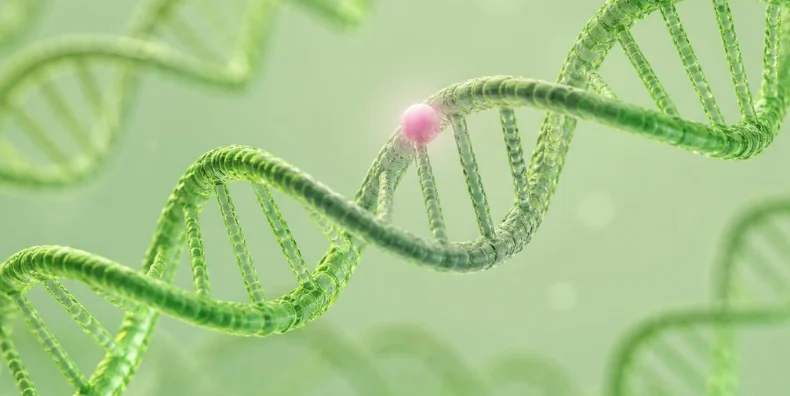
This report, the first in a comprehensive five-part series, examines the foundational layer of this architecture: the intricate relationship between hereditary genes and the epigenetic modifications that dictate how those genes behave in the real world.
Main Facts: The Five-Factor Model of Bipolarity
While the experience of bipolar disorder is deeply personal and varies significantly between individuals, researchers have identified five primary biological channels that drive the shifts in mood and energy characteristic of the condition. These factors do not exist in isolation; instead, they act as the "hardware" and "software" through which life experiences—such as trauma, hormonal shifts, and social stressors—are processed.
The five pillars of modern bipolar research include:
- Genes and Epigenetics: The inherited blueprints and the environmental "switches" that turn them on or off.
- Circadian Rhythms: The internal biological clock that regulates sleep, wakefulness, and cellular repair.
- Mitochondrial Function: The "power plants" of the cells, which may struggle to manage energy demands in the bipolar brain.
- Inflammation: The immune system’s overactive response, which can affect neurochemistry and brain health.
- Reward Sensitivity: The brain’s hyper-reactivity to goals, successes, and dopamine-driven stimuli.
Understanding these factors is shifting the paradigm of treatment from a "one-size-fits-all" approach to a model of precision psychiatry. By identifying which of these drivers is most prominent in a specific patient, clinicians are moving closer to personalized interventions that go beyond symptom management to address root biological causes.
Chronology: From Family Trees to Genome-Wide Mapping
The journey to identifying the "bipolar gene" has been fraught with both breakthroughs and setbacks. For over a century, clinicians observed that bipolar disorder tended to run in families, but the specific mechanisms remained elusive until the digital age.
The Era of Observation (Pre-2000s)
Before the advent of high-speed genetic sequencing, evidence for the heritability of bipolar disorder came primarily from twin and adoption studies. These studies consistently showed that if one identical twin had bipolar disorder, the other had a significantly higher chance of developing it compared to fraternal twins. This established that the condition had a strong genetic component, but it could not pinpoint which genes were responsible.
The "Gee Whiz" Moment (2013)
The landscape changed dramatically in 2013 with the rise of Genome-Wide Association Studies (GWAS). These studies were made possible by technology that allowed researchers to read the entire DNA code across all 23 pairs of human chromosomes. By comparing the genetic data of thousands of individuals with a bipolar diagnosis against those without one, scientists began to see "hits"—specific variations in the DNA that appeared more frequently in the bipolar population.
These studies were so revolutionary that the acronym GWAS was colloquially dubbed the "Gee Whiz" studies. However, early GWAS results were messy. A gene that appeared significant in one study might disappear in the next, leading to a period of "genetic noise" where a clear path forward was difficult to find.
The Precision Era (2024–2026)
In the last two years, the "noise" has begun to clear. Large-scale meta-analyses have consolidated the data, identifying at least 30 genes that are consistently linked to bipolarity. Rather than looking for a single "bipolar gene," researchers are now identifying clusters of genes that affect specific neurological functions, such as how neurons communicate and how the brain responds to lithium.
Supporting Data: The Case of AKAP11 and the Lithium Connection
One of the most significant breakthroughs in recent genetic research involves a gene known as AKAP11. This gene has risen to the top of the list in multiple GWAS studies, providing a concrete example of how genetic research translates into clinical potential.
The Function of AKAP11
AKAP11 codes for a protein that is essential for the survival and communication of neurons. In individuals with certain "loss-of-function" variants of this gene, the protein does not work efficiently, potentially leaving neurons vulnerable or impairing the brain’s ability to regulate mood.
The "Lithium Rescue"
What makes AKAP11 particularly fascinating is its relationship with lithium, the gold-standard treatment for bipolar disorder for over 70 years. Recent laboratory studies have shown that when AKAP11 function is blocked, the introduction of lithium can partially "rescue" or restore that function.
This discovery provides a biological explanation for why lithium is so effective for some patients while remaining ineffective for others. It suggests that patients carrying specific AKAP11 variants may be the "super-responders" to lithium therapy.
Toward a Diagnostic "Cheek Swab"
The discovery of AKAP11 and similar genes brings the field closer to a long-held goal: a laboratory test for treatment selection. While we are not yet at the stage where a simple cheek swab can diagnose bipolar disorder, we are nearing a point where a test could estimate the probability of a patient responding to a specific medication. This could eliminate the "trial and error" phase of psychiatric treatment, which often takes months or years and causes significant distress for patients.
Official Responses and Expert Perspectives: The Role of Epigenetics
While genes provide the blueprint, they do not dictate the final structure. This is where the field of epigenetics—the study of how environment modifies gene expression—becomes crucial. Experts like Dr. Phelps emphasize that "genes are not fate."
The "Gum" Metaphor
To explain epigenetics to a general audience, researchers often use the "gum" metaphor. If DNA is the instruction manual for the body, epigenetic molecules are like bits of gum stuck onto the pages. The "gum" doesn’t change the words in the manual (the DNA sequence), but it makes certain sections impossible to read.
For example, a person might inherit a gene that makes them highly sensitive to stress. However, if that person grows up in a stable, supportive environment, their body may place "gum" (chemical markers like methyl groups) on that stress gene, silencing it. Conversely, a traumatic childhood can remove those markers or place them on "calming" genes, leaving the individual more vulnerable to mood swings later in life.
The Transgenerational Aspect
One of the most profound findings in epigenetics is that these "gum" markers can sometimes be passed down to the next generation. A parent’s lived experience of extreme stress or stability can leave an epigenetic footprint on the DNA they pass to their children. However, researchers are quick to note that these changes are reversible. A child’s own environment and lifestyle can "re-gum" the DNA, shifting the biological expression once again.
Scientific Consensus on "Vulnerability"
The scientific community is moving away from labeling these genes as "defects." Instead, they are increasingly viewed as "sensitivity genes." In a negative environment, this sensitivity may manifest as bipolar disorder; in a positive or structured environment, the same genetic profile may manifest as high levels of creativity, empathy, or goal-directed energy.
Implications: A New Language for Bipolar Disorder
The enrichment of our understanding of genes and epigenetics has profound implications for the future of mental health care, societal stigma, and patient self-perception.
1. The End of "Nature vs. Nurture"
The data suggests that the debate between nature and nurture is obsolete. Bipolar disorder is a product of "nature via nurture." This realization empowers patients, as it suggests that while they cannot change their genetic code, they can influence their gene expression through environment, routine, and therapy.
2. Reducing Stigma through Biology
By framing bipolar disorder as a complex interaction of protein functions (like AKAP11) and cellular triggers, the condition is moved into the realm of "physical" medicine, similar to diabetes or heart disease. This biological grounding helps dismantle the archaic view that mood disorders are a failure of character or "all in the head."
3. The "Bipolar Advantage"
Researchers are increasingly exploring the link between bipolar-related genes and human advancement. The same genetic traits that drive mania are often linked to "reward sensitivity"—a trait that fuels the pursuit of ambitious goals, artistic innovation, and leadership. By understanding the genetic roots of the condition, society may begin to see bipolarity not just as a burden to be suppressed, but as a powerful, high-energy biological variation that requires specific management to harness its gifts.
4. Precision Psychiatry
The ultimate implication is the transition to precision psychiatry. In the coming decade, the integration of genetic testing into standard clinical practice could revolutionize outcomes. Rather than waiting for a crisis to determine if a medication works, clinicians will use a patient’s genetic and epigenetic profile to build a proactive, individualized "manual" for their mental health.
Conclusion
As Dr. Phelps notes, the trail of the "bloodhound" in bipolar research is finally picking up a clear scent. While genes and epigenetics are only the first chapter in this five-part story, they provide the essential context for everything that follows—from the rhythm of our sleep to the fire in our cells.
This concludes Part 1 of our series. In Part 2, we will explore the "Internal Clock" and how Circadian Rhythm disruption serves as a primary engine for mood cycling.
About the Expert:
Dr. Jim Phelps, MD, has spent over 30 years specializing in the mood spectrum. He is the founder of PsychEducation.org and the author of "Bipolar, Not So Much." His work focuses on making the complex neuroscience of mood disorders accessible to the public.