










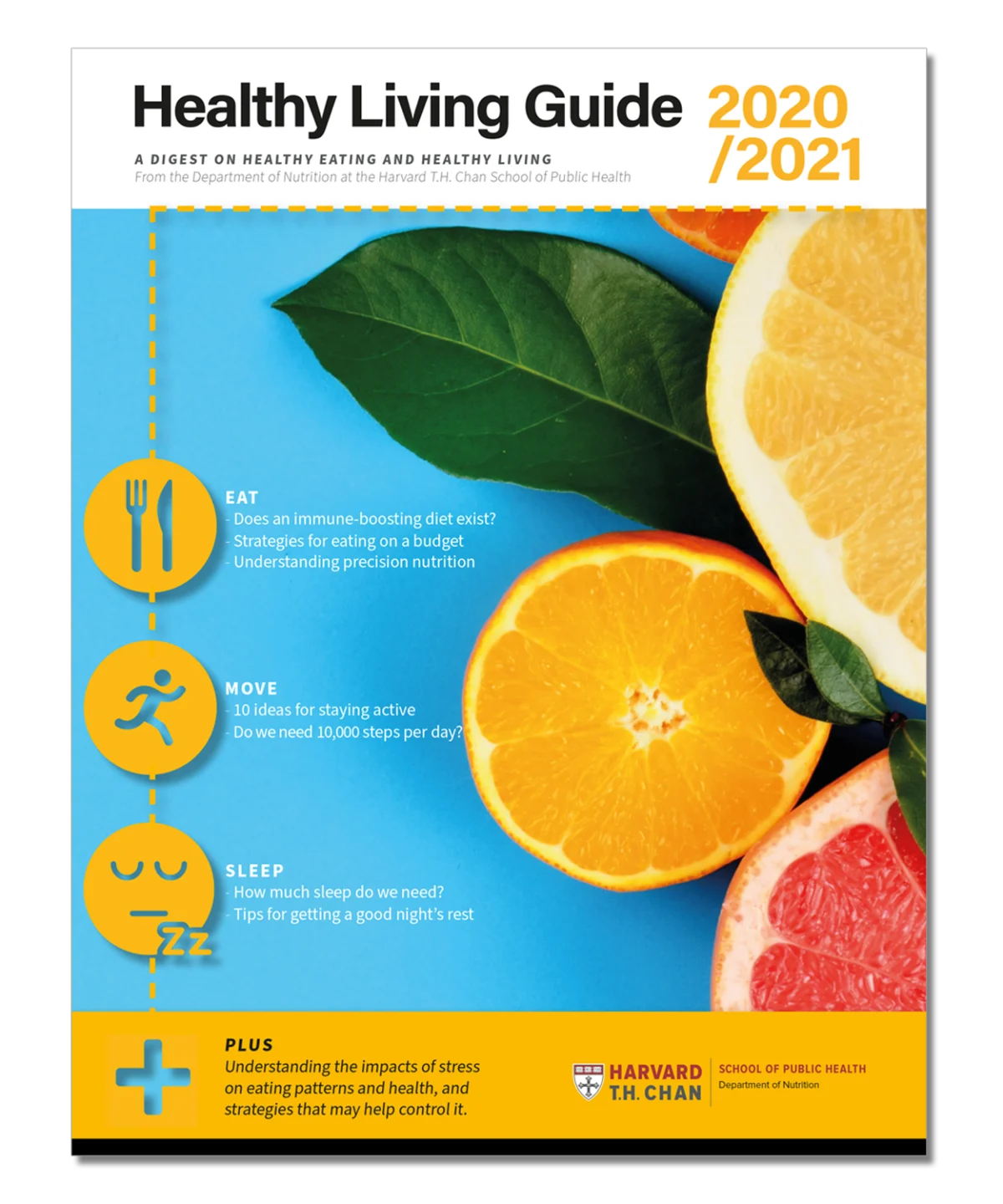
In an era defined by global health challenges and shifting societal norms, the quest for physical and mental well-being has transitioned from a personal pursuit to a public health imperative. As the world navigates the long-term echoes of the COVID-19 pandemic, the importance of foundational health habits—diet, movement, and lifestyle choices—has never been more pronounced. A newly released resource, the Healthy Living Guide, offers a data-backed roadmap for individuals seeking to fortify their immunity, extend their lifespan, and compress the duration of chronic disease in their later years.
Main Facts: The Pillars of a Longer Life
The fundamental premise of modern preventive medicine is that small, consistent actions compound into significant health outcomes. Research conducted by the Harvard T.H. Chan School of Public Health underscores five specific pillars that dictate long-term health trajectories:
- Nutritional Excellence: Prioritizing whole, nutrient-dense foods while limiting ultra-processed options.
- Regular Physical Activity: Engaging in consistent movement that maintains cardiovascular health and muscular strength.
- Weight Management: Maintaining a healthy body mass index (BMI) to reduce the strain on vital organs and metabolic pathways.
- Moderate Alcohol Consumption: Limiting intake to avoid the systemic inflammatory and toxic effects of excess alcohol.
- Tobacco Abstinence: Completely avoiding smoking, which remains the single most preventable cause of death worldwide.
The evidence suggests that individuals who adhere to these five habits live, on average, more than a decade longer than those who do not. However, the true value of these habits lies not just in the quantity of life, but in the quality. By adopting these behaviors, individuals are significantly more likely to live their extended years free from the debilitating impacts of type 2 diabetes, cardiovascular disease, and various cancers.
A Chronological Perspective: Navigating the Pandemic Shift
The inception of this guide was a direct response to the unique stressors of the 2020-2021 period. As the pandemic altered the rhythm of daily life, it brought to the forefront several critical challenges:
- 2020: The Disruption of Routine. The onset of global lockdowns led to widespread income instability, food insecurity, and a rapid increase in emotional distress. For many, the "default" healthy habits—gym memberships, access to fresh produce, and social outlets—were abruptly severed.
- Early 2021: The Response. As the pandemic stretched into its second year, health professionals recognized that while concrete evidence linking specific diets to COVID-19 prevention remained elusive, the indirect link—a strong immune system—was undeniable. The Healthy Living Guide was synthesized to provide actionable, low-barrier entry points for people feeling overwhelmed by the "new normal."
- The Modern Era: Today, the guide serves as a foundational reference. It acknowledges that health is not a static goal but a dynamic process that must be adjusted during periods of societal instability.
Supporting Data: Why Lifestyle Matters
The clinical correlation between lifestyle choices and chronic disease prevention is robust. Longitudinal studies indicate that the "big five" habits act as a prophylactic shield.
The Burden of Chronic Disease
Data shows that even middle-aged adults who adopt these habits experience a significantly reduced "disease burden." This means that even if a chronic condition eventually develops, it tends to manifest much later in life, allowing for a longer period of high-functioning independence.
Immunity and the Microbiome
While we often view the immune system as a singular entity, it is, in fact, a complex network dependent on gut health, sleep, and nutrient availability. Diets high in fiber, antioxidants, and healthy fats support the microbiome, which in turn regulates systemic inflammation. This inflammation is a known precursor to both metabolic syndrome and susceptibility to infectious diseases.
Official Responses and Expert Strategies
Public health experts emphasize that the greatest barrier to healthy living is the "all-or-nothing" mentality. The Healthy Living Guide explicitly rejects the notion that health is achieved through extreme diets or grueling exercise regimens that are impossible to sustain.
The Strategy of Incrementalism
The guide suggests that individuals should start small. Rather than overhauling an entire lifestyle in a week, the focus should be on "micro-habits." This includes:
- Replacing, not restricting: Swapping a sugary beverage for sparkling water rather than simply eliminating all joy from a diet.
- Movement snacking: Incorporating ten minutes of movement throughout the day if a one-hour workout feels unattainable.
- Gamification: Resources like the "Healthy Living Bingo Challenge" (featured in the guide) encourage users to track their progress in a way that feels rewarding rather than punitive.
According to health professionals, the goal is to create a "positive feedback loop." When an individual experiences the mood-boosting effects of exercise or the sustained energy of a nutritious meal, they are more likely to repeat that behavior, eventually transforming a conscious choice into an automatic habit.
Implications: Building Resilience for the Future
The implications of these findings extend far beyond the individual. On a macroeconomic level, the widespread adoption of these five habits could dramatically reduce the strain on public healthcare systems. By delaying the onset of chronic diseases, societies can reduce the enormous costs associated with long-term care, medication, and lost labor productivity.
Mental Health and Lifestyle
It is impossible to discuss physical health without acknowledging the psychological dimension. The pandemic highlighted that "healthy living" is a powerful tool for emotional regulation. Physical activity releases endorphins and reduces cortisol levels, serving as a vital buffer against the anxiety induced by external crises.
A Call to Action
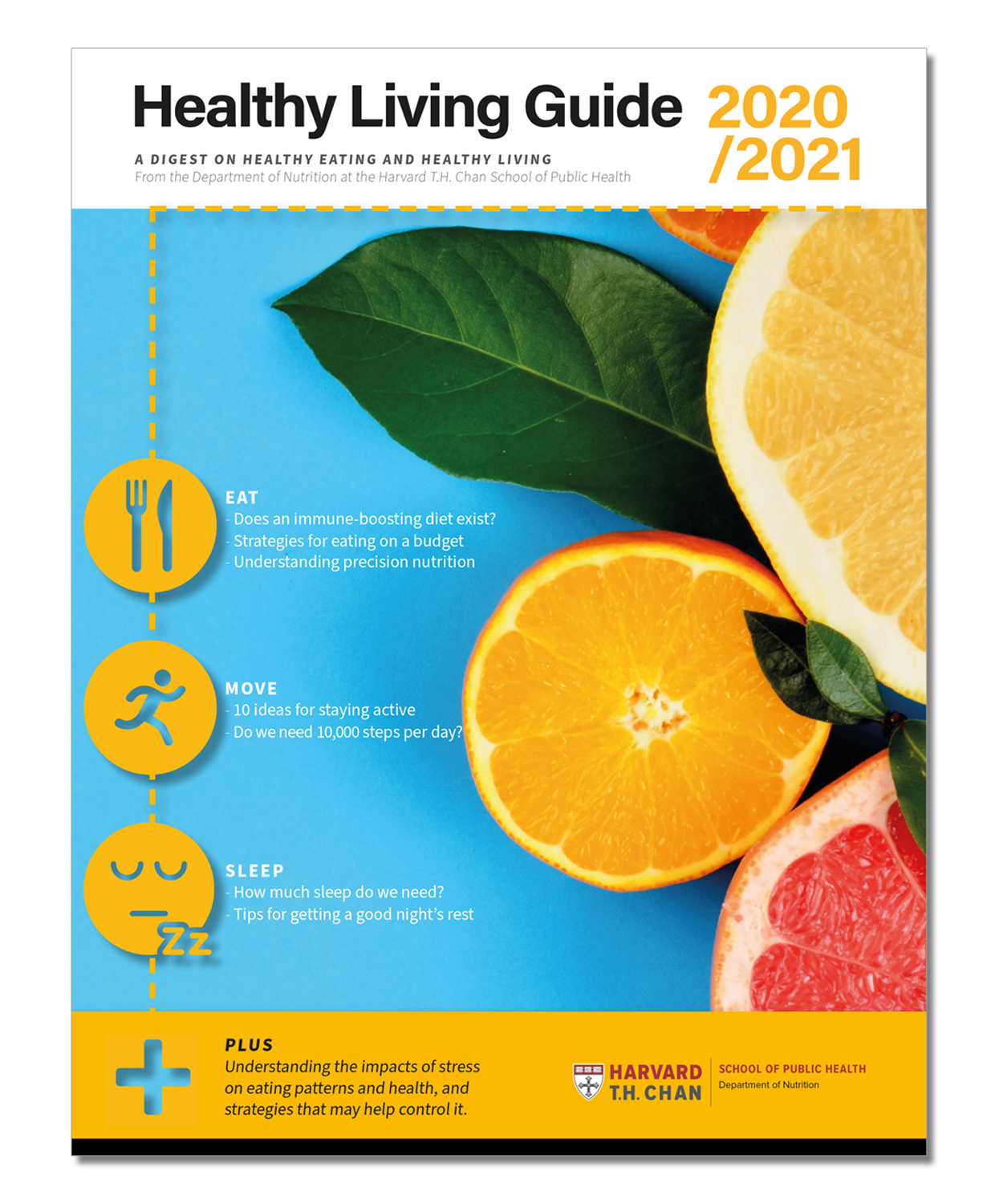
The Healthy Living Guide is not merely a document; it is an invitation. It encourages readers to view their health as an asset that requires regular maintenance. By providing printable tip sheets and actionable summaries, the guide demystifies the science of nutrition and fitness, making it accessible to individuals regardless of their socio-economic status or current fitness level.
In conclusion, the path to longevity is paved with mundane, repetitive actions. While the world may remain uncertain, the ability to influence one’s own health trajectory remains within reach. Whether through preparing a new, nutrient-rich recipe or engaging in a fulfilling hobby, every small step contributes to a more resilient, longer-living version of oneself.
As we move forward, the message from the research community is clear: invest in your health today, not because of the fear of disease, but for the promise of a more vibrant, capable, and enduring future.
Resources for Further Exploration:
- Download the printable Healthy Living Guide (PDF)
- Access the Healthy Living Bingo Challenge
- Review longitudinal studies on middle-age lifestyle habits and chronic disease prevention.