






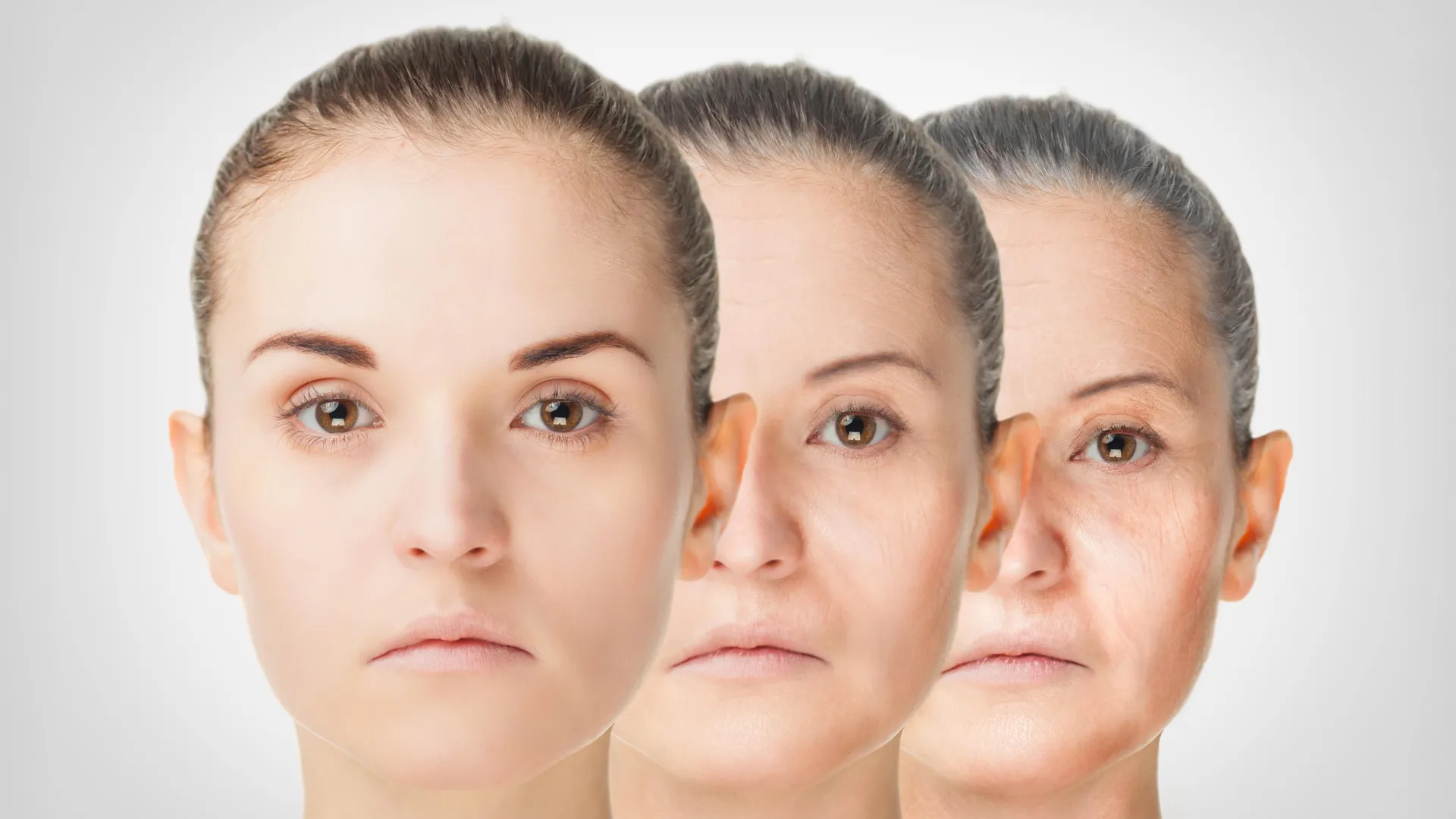
For centuries, aging was viewed as an inevitable, systemic wearing down of the body’s parts—a cumulative degradation of cells, tissues, and organs akin to the rust accumulating on a machine. However, a revolutionary shift in gerontology is reframing this perspective. Researchers are increasingly focusing on the brain, specifically the hypothalamus, as a "master control center" that may actively orchestrate the aging process throughout the body. Recent breakthroughs involving a protein called Menin have provided the most compelling evidence yet that aging may not be a passive decay, but a regulated biological program that—in theory—could be slowed or even partially reversed.
The Menin Breakthrough: A Potential Key to Longevity
The conversation surrounding the biology of aging was fundamentally altered in March 2023, when a team of researchers led by Lige Leng of Xiamen University published a landmark study in PLOS Biology. The team investigated the hypothalamus—a small, almond-sized region at the base of the brain responsible for regulating essential life functions such as metabolic rate, body temperature, hunger, and hormone secretion.
Leng and his colleagues identified that as mice age, the expression of a protein known as Menin significantly declines within the ventromedial hypothalamus (VMH). When the researchers genetically engineered mice to lack this protein, the results were dramatic: the animals exhibited rapid physical decline, including thinning skin, reduced bone mass, chronic neuroinflammation, and significant cognitive impairment.
Crucially, when the scientists used gene-delivery techniques to restore Menin levels in the brains of 20-month-old mice—the biological equivalent of elderly humans—the transformation was striking. Within just 30 days, the mice showed measurable improvements in physical vitality, thicker skin, stronger bones, and a rejuvenation of learning and memory capabilities. Furthermore, the treated mice lived longer than their untreated counterparts, suggesting that Menin is a critical gatekeeper of the aging process.
Chronology of Discovery: Mapping the Brain’s Role in Aging
The path to these findings was paved by years of neurobiological research, but the timeline of discoveries has accelerated rapidly since 2023.
- March 2023: The landmark Menin study in PLOS Biology establishes the link between hypothalamic protein depletion and systemic aging phenotypes in mice.
- Early 2024: Research in Cell Metabolism by scientists at Washington University School of Medicine demonstrates that hypothalamic neurons communicating with fat tissue regulate metabolic function and lifespan, reinforcing the "brain-as-control-center" hypothesis.
- Mid-2024: A study in the Journal of Physiology and Biochemistry confirms that Menin provides protective benefits to hippocampal cells, shielding them from the neurotoxic effects of stress hormones like corticosterone.
- January 2025: A massive transcriptomic analysis of 1.2 million mouse brain cells, published in Nature, identifies the area around the third ventricle of the hypothalamus as a "hotspot" for aging, where gene expression shifts toward inflammatory and immune-related profiles.
- 2026 Breakthroughs: Research published in Cell indicates that stabilizing biological rhythms in the hypothalamus extends lifespan and resets epigenetic clocks, while a separate study in Cell Metabolism identifies "Mimecan" as a signaling protein connecting skeletal muscle health to hypothalamic function.
The Role of D-Serine and Cognitive Signaling
A fascinating secondary finding in the Menin study involved D-serine, a naturally occurring amino acid that acts as a neurotransmitter. The researchers discovered that the decline of Menin directly disrupted the biochemical pathway required to produce D-serine.
D-serine is a vital co-agonist for NMDA receptors, which are the biological switches in the brain responsible for synaptic plasticity—the ability of neurons to form new connections and store memories. By supplementing the drinking water of older mice with D-serine, the team was able to improve learning and memory in just three weeks, independent of restoring Menin.
However, this finding came with a vital caveat: unlike the restoration of Menin, which reversed both cognitive and physical markers of aging, D-serine supplementation focused almost exclusively on brain health. It did not restore bone density or skin thickness. This nuance serves as a reminder to the scientific community that aging is a multifaceted process; while D-serine may address the "software" issues of cognitive decline, the "hardware" issues of systemic physiological decay require broader interventions.
Official Perspectives and Scientific Caution
While the prospect of a "longevity supplement" is alluring, the scientific community maintains a posture of rigorous skepticism. Lead researcher Lige Leng emphasizes that the study is a foundational step in understanding the genetic and metabolic drivers of aging.
"We speculate that the decline of Menin expression in the hypothalamus with age may be one of the driving factors of aging," Leng noted. "Menin may be the key protein connecting the genetic, inflammatory, and metabolic factors of aging. D-serine is a potentially promising therapeutic for cognitive decline."
However, translating these findings to human patients is fraught with complexity. A 2016 clinical trial involving 50 healthy older adults tested D-serine supplementation; while participants showed minor improvements in spatial learning, there was no widespread improvement in other cognitive domains. Furthermore, recent research published in Cellular and Molecular Life Sciences (April 2025) highlighted the "Goldilocks" nature of D-serine. In models of Alzheimer’s disease, an overabundance of D-serine was actually linked to brain signaling disruptions, suggesting that the timing and dosage of such interventions are critical.
Furthermore, safety concerns regarding high-dose amino acid supplementation, particularly concerning kidney health, mean that D-serine is currently considered an experimental tool rather than a clinical reality.
Implications: The Future of Aging Research
The implications of this research are profound. If the hypothalamus acts as a central hub that coordinates the aging of distal tissues—like skin, bone, and muscle—then the focus of anti-aging medicine may need to shift from localized treatments to neuro-centric ones.
1. Neuro-Metabolic Interventions
The discovery that hypothalamic circuits communicate with peripheral tissues like brown fat and skeletal muscle suggests that we might eventually target the brain to treat systemic age-related diseases like osteoporosis or sarcopenia. By "resetting" the signals the brain sends to the body, we might be able to prevent the wasting away of these tissues.
2. Inflammation as a Target
The persistent inflammation (or "inflammaging") observed in the hypothalamus suggests that neuro-inflammation is not just a side effect of aging, but a driver. Future therapies might aim to stabilize Menin or similar proteins to suppress this chronic inflammatory response, potentially shielding the body from age-related degradation.
3. Precision Longevity
The 2026 findings regarding biological rhythms and Mimecan signaling underscore that there is no "single master switch" for aging. Instead, it is a complex, networked system of signaling pathways. The future of longevity likely lies in "precision gerontology," where we monitor specific hormonal and protein signatures to determine which neural circuits are failing in a specific individual, and then apply targeted interventions to repair those specific pathways.
Conclusion: A Shift in Perspective
The research surrounding Menin and the hypothalamus represents one of the most exciting shifts in modern biology. For decades, we have viewed the physical decline of the human body as an immutable fact of existence. We now have a growing body of evidence that the brain is constantly sending out signals that dictate the pace of this decline.
While we are far from a cure for aging, the ability to reverse signs of senescence in mice by manipulating a single protein in a specific brain region is a watershed moment. It transforms aging from an unstoppable force of nature into a series of biological processes that—through diligent research and careful clinical validation—might one day be brought under our control. As we continue to map the neural circuits of longevity, we move closer to a reality where the "golden years" are defined not by decline, but by the sustained health of the mind and body alike.