



For over a century, the nutritional guidance provided to the public has been anchored in a deceptively simple metric: the calorie. Whether printed on the back of a cereal box or tracked via a fitness app, the calorie is treated as an objective, universal measure of energy. We are taught that if a label says 300 calories, our bodies absorb 300 calories. However, a groundbreaking new study from Arizona State University (ASU) suggests that this century-old assumption is fundamentally incomplete.
By unveiling a sophisticated mathematical model known as DAMM—short for digestion, absorption, and microbial metabolism—researchers have demonstrated that human digestion is not a solo act performed by the body, but a complex, ongoing collaboration with the trillions of microorganisms residing in our gut. This discovery challenges the long-standing "Atwater parameters," the system currently used to calculate energy values in food, and suggests that our internal ecosystem plays a much larger role in metabolic health than previously understood.
The Evolution of Nutritional Science: Beyond the Atwater Parameters
Since the late 19th century, nutritional science has relied on the Atwater system to estimate the energy potential of food. This method assigns average caloric values to the three primary macronutrients—fats, carbohydrates, and proteins—based on their chemical structure. While this system has been a cornerstone of dietary regulation, it operates on a "black box" philosophy: it measures what goes in and what is excreted, but it remains largely agnostic toward the intricate biological processes occurring in between.
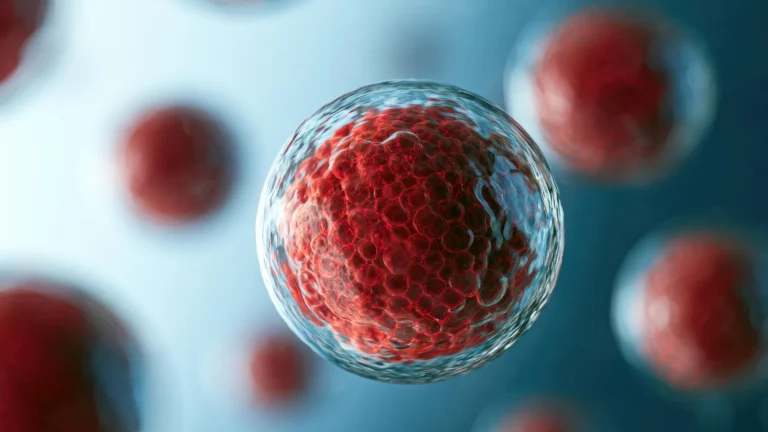
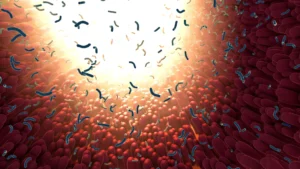
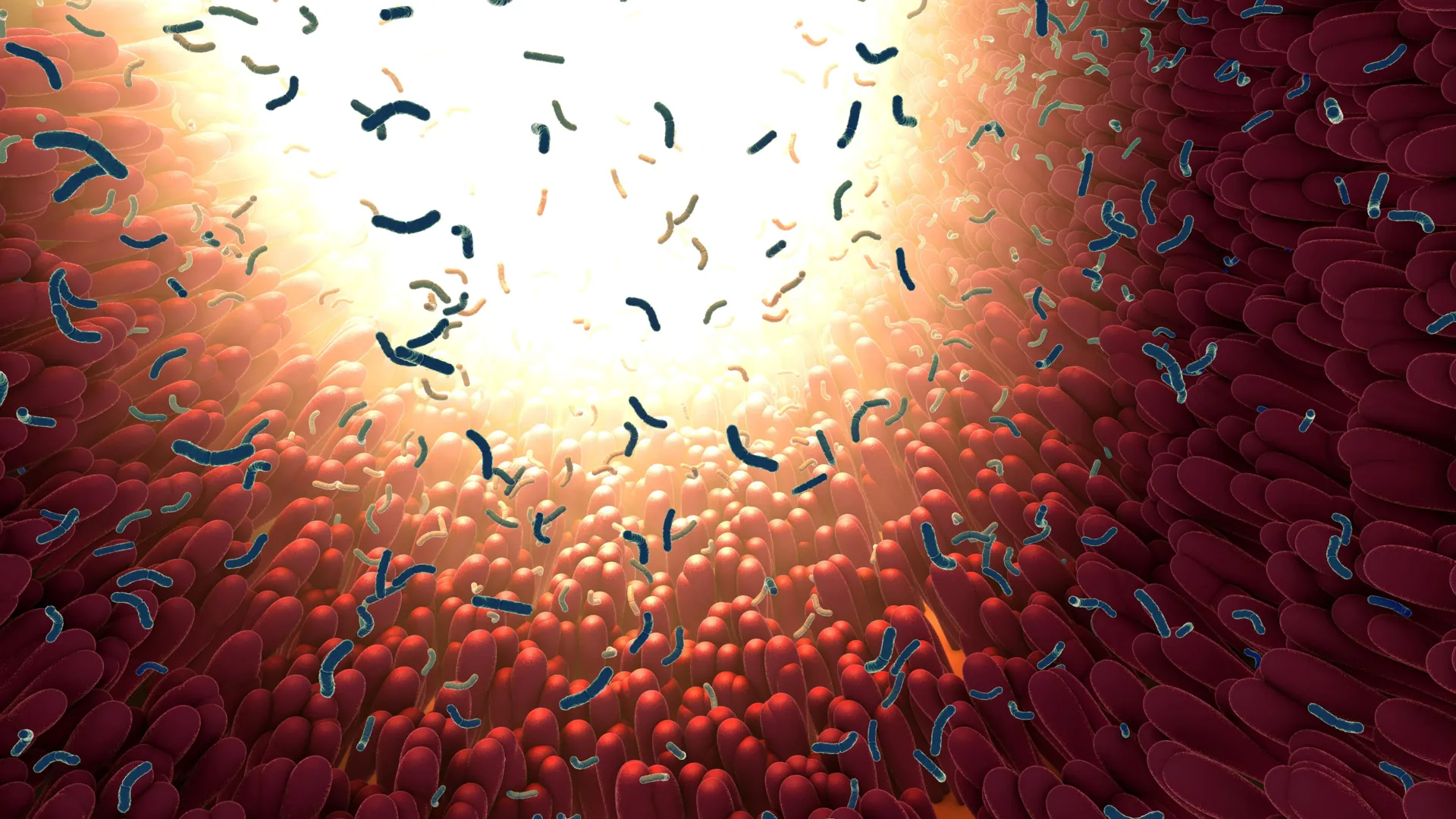
The Atwater approach fails to account for the human microbiome, a vast, diverse community of bacteria, fungi, and other microbes that inhabit the gastrointestinal tract. These microorganisms do not simply "hitch a ride" within our systems; they are active metabolic participants. They break down fiber, synthesize vitamins, and influence how our bodies process the food we consume. By ignoring this microbial contribution, the traditional calorie-counting method has been operating with a significant blind spot.
The DAMM Model: A New Mathematical Framework
To bridge this gap, a team at ASU, led by Professor Rosa Krajmalnik-Brown and Professor Bruce Rittmann, developed the DAMM model. The framework is designed to track the journey of food through the digestive tract with unprecedented granularity. Unlike static calculations, DAMM treats the digestive system as a dynamic reactor.
The model functions by segmenting the digestive process into distinct stages. First, it evaluates the macronutrient content of a diet to estimate energy absorption in the upper gastrointestinal tract. Second, it accounts for the "leftovers"—the fiber and resistant starches that escape early digestion—as they enter the colon. Here, the model calculates how gut bacteria ferment these materials, producing short-chain fatty acids (SCFAs) that the body can then absorb as secondary energy sources. Finally, it accounts for the metabolic byproducts, such as methane gas, that are released during this microbial processing.
By integrating these variables, DAMM provides a comprehensive map of how energy is partitioned, absorbed, or discarded. When tested against data from controlled clinical trials, the model demonstrated a superior ability to predict actual caloric absorption compared to the legacy Atwater system, which consistently underestimated the complexity of the process.
The Fiber Paradox: Why More Isn’t Always More
One of the most counterintuitive findings revealed by the DAMM model relates to the role of dietary fiber. In a recent clinical study, researchers compared two distinct eating patterns: a "microbiome-enhancer" diet, rich in fiber and resistant starch, and a "Western" diet, characterized by processed foods and lower fiber content.
The results were striking. Despite the microbiome-enhancer diet fostering a more active microbial community—which in turn produced more energy-dense SCFAs—participants on this high-fiber plan actually absorbed fewer net calories than those on the Western diet. Specifically, individuals on the Western diet absorbed approximately 116 more calories per day.
This phenomenon, dubbed the "fiber paradox," highlights the importance of the entire digestive journey. While gut microbes do indeed produce extra energy through the fermentation of fiber, the structural composition of fiber-rich, less-processed foods often limits the amount of energy the body can extract in the upper gastrointestinal tract. The DAMM model successfully distinguished between these two competing factors: the energy gained from microbial fermentation versus the energy lost due to the physical structure of the food.
Official Responses and Scientific Context
The research team, which included ASU graduate research assistant Taylor Davis and collaborators from the AdventHealth Translational Research Institute, emphasizes that this model is a significant step forward for precision nutrition.
"Digestion is not just a human process—it is a collaboration between our bodies and trillions of microbes living in the gut," says Professor Rosa Krajmalnik-Brown, director of ASU’s Biodesign Center for Health Through Microbiomes. "DAMM gives us a powerful new way to quantify how those microbial partners contribute to human health and energy balance, and also points at the importance of properly feeding our gut microbes."
Professor Bruce Rittmann, a Regents Professor of environmental engineering, adds that the model’s strength lies in its quantitative integration. "What is truly unique about the DAMM model is that it links human metabolism to the metabolism of the microorganisms in the colon in a way that matches the results from the clinical study," Rittmann notes. By validating the model against real-world clinical measurements, the team has proven that microbial activity is not a minor footnote in human nutrition, but a major contributor, accounting for roughly 15% of usable energy in the lower gastrointestinal tract.
Implications for Metabolic Health and Personalized Medicine
The implications of these findings extend far beyond the accuracy of food labels. If we can accurately model how individual microbiomes process different types of food, we may be on the verge of a revolution in personalized medicine.
1. Combating Metabolic Disorders
Obesity, Type 2 diabetes, and other metabolic syndromes are often treated with blanket dietary advice. However, the DAMM model suggests that the "one-size-fits-all" approach may be flawed because individual microbiomes differ significantly from person to person. A diet that causes a caloric surplus in one individual might be processed quite differently in another due to the specific composition of their gut flora.
2. The Future of Dietetics
With further development, health care professionals could eventually use frameworks like DAMM to design diets tailored to a patient’s unique microbial profile. By analyzing the bacterial makeup of a patient, doctors might predict how they will respond to specific fiber-rich foods or carbohydrates, allowing for nutritional interventions that are both more effective and more sustainable.
3. A Living Framework
The researchers are quick to clarify that DAMM is currently a research framework, not an app-based solution for the average consumer. However, its modular design is intentional. As the scientific community continues to uncover the complexities of the gut-brain axis and microbial-human nutrient exchange, these new insights can be "plugged into" the model.
"The DAMM model is more than just a tool for characterizing diet," says first author Taylor Davis. "It’s a framework designed to evolve. As we discover more on how diet, metabolism, and the microbes interact, the new insights can be incorporated into the model, allowing it to grow with us as we learn."
Conclusion: A New Era of Nutritional Awareness
The publication of these findings in PLOS One marks a critical shift in how we perceive the human body. We are beginning to view ourselves not as isolated biological entities, but as complex "holobionts"—assemblages of human cells and microbial partners working in tandem.
While the humble calorie will likely remain a useful shorthand for consumers for years to come, the science behind it is undergoing a radical update. By acknowledging that our gut bacteria are not just bystanders, but are active "business partners" in our energy management, we are moving closer to a deeper, more accurate understanding of what it means to be nourished. As the DAMM model continues to be refined, it promises to peel back the layers of the mystery that is human digestion, leading us toward a future where our health is no longer measured by generic counts, but by the unique, biological dialogue between our bodies and the trillions of tiny residents within.