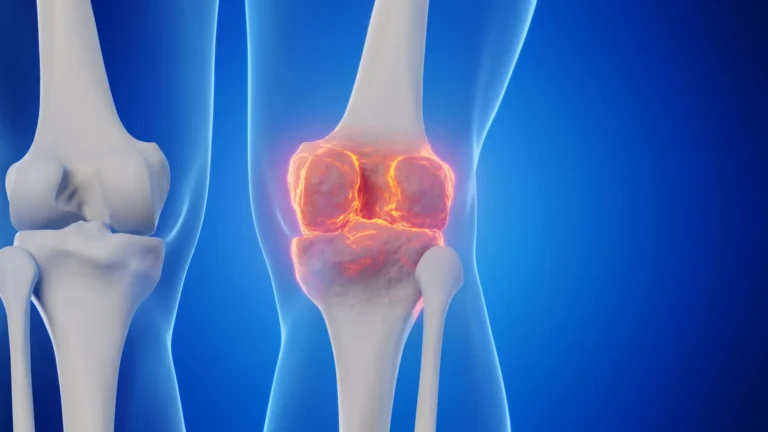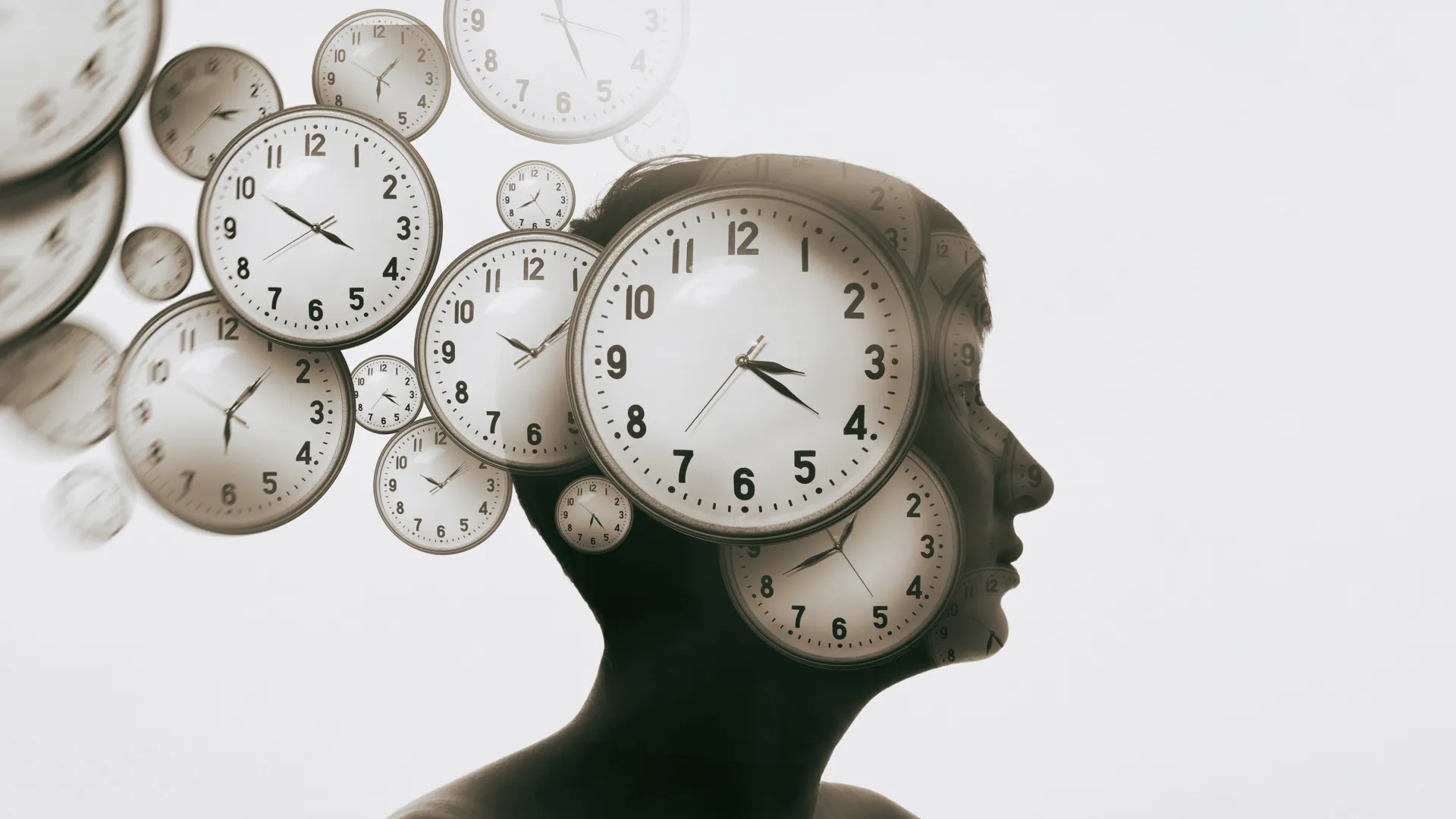
For decades, the physical manifestations of aging—sagging skin, brittle bones, and the fog of cognitive decline—were viewed as separate processes occurring independently in disparate organ systems. We treated them as a collection of localized failures rather than a unified collapse. However, groundbreaking research emerging from Xiamen University and subsequent studies have begun to stitch these disparate threads together. The discovery centers on a protein known as Menin, a molecular regulator deep within the hypothalamus that appears to act as a master conductor for the body’s aging orchestra.
The Main Facts: The Hypothalamus as a Biological Thermostat
The hypothalamus, a region no larger than an almond, is the brain’s central command center. It regulates body temperature, hunger, thirst, and, as recent evidence suggests, the rate at which we age. In a pivotal study published in PLOS Biology in March 2023, lead researcher Lige Leng and his colleagues demonstrated that the hypothalamus is not merely a bystander in the aging process; it is an active participant.
The study identified that Menin, a protein responsible for restraining inflammatory signaling within the ventromedial hypothalamus (VMH), naturally declines as organisms age. When this protein levels drop, the brain’s internal "firewall" fails, leading to chronic neuroinflammation. This inflammatory state does not stay localized to the brain; instead, it triggers a cascade of systemic effects, including accelerated bone mass loss, dermal thinning, and cognitive impairment. By restoring Menin levels in aged mice, researchers were able to reverse these physical signs of aging, effectively turning back the biological clock for these tissues.
A Chronology of Discovery: From Benchtop to Broader Complexity
The scientific journey to understand Menin and its role in aging has unfolded through a series of increasingly nuanced experiments:
- March 2023 (The Discovery): Leng et al. establish the link between Menin, hypothalamic inflammation, and multi-organ aging. They prove that conditional "knockout" mice—engineered to lack Menin—exhibit premature aging, while targeted restoration extends lifespan and improves vitality.
- March 2024 (Stress Mechanisms): Researchers exploring hippocampal health found that the compound itaconate could boost Menin levels, shielding cells from the destructive effects of corticosterone, a primary stress hormone. This reinforced the idea that Menin acts as a structural defense mechanism.
- January 2025 (Mapping the Aging Brain): A massive study from the Allen Institute, analyzing 1.2 million mouse brain cells, provided a high-resolution map of the hypothalamus. They confirmed that the area around the third ventricle is a primary "hotspot" for aging-related gene expression changes, validating the anatomical focus of the Menin research.
- April 2025 – September 2026 (The D-Serine Complication): Investigations into Alzheimer’s models revealed that the relationship between brain chemistry and aging is not linear. While D-serine was initially hailed as a cognitive booster, newer studies demonstrated that excessive or improperly regulated D-serine can be detrimental in specific disease states, adding a layer of caution to the concept of simple supplementation.
Supporting Data: Decoding the Chemistry of Memory
The Menin-aging connection is inextricably linked to D-serine, an amino acid essential for long-term potentiation—the process by which neurons strengthen their connections to store information. Menin governs the activity of enzymes responsible for D-serine production. When Menin is lost, D-serine levels plummet, causing the brain’s "synaptic glue" to weaken.
It is critical to distinguish between laboratory-grade D-serine and the L-serine found in common dietary staples like eggs, soybeans, and fish. While the body can synthesize D-serine from L-serine, they are not biologically interchangeable. The study underscored that while supplemental D-serine could sharpen cognitive performance in older mice, it did not resolve the physical ailments (like bone density loss) that Menin restoration addressed. This serves as a vital reminder: fixing one symptom of aging does not necessarily rectify the entire systemic degradation.
Official Responses and Scientific Perspective
The academic community has received these findings with a mix of excitement and measured skepticism. Dr. Lige Leng, in his initial remarks following the 2023 publication, framed the discovery as a potential paradigm shift. "We speculate that the decline of Menin expression in the hypothalamus may be one of the driving factors of aging," Leng stated. "Menin may be the key protein connecting the genetic, inflammatory, and metabolic factors of aging."
However, subsequent researchers have urged caution regarding the "more is better" fallacy. The 2025 study on Alzheimer’s models, which found that overactive D-serine production could exacerbate cognitive decline, serves as a sobering counterpoint. These findings illustrate the concept of biological homeostasis: the brain requires a precise balance of neurochemicals. Attempting to force an increase in these chemicals through unmonitored supplementation could inadvertently disrupt delicate signaling pathways, leading to unforeseen consequences rather than rejuvenation.
Implications for Human Longevity
The implications of the Menin research for human medicine are profound, yet we remain in the early stages of translation. We are currently far from a "Menin pill" that can prevent aging in humans.
1. Moving Beyond Symptom Management
Current medical interventions for aging are largely reactive—treating osteoporosis with bisphosphonates or cognitive decline with anti-dementia drugs. The Menin hypothesis proposes a proactive, upstream approach: stabilizing the brain’s command center to prevent the systemic collapse from occurring in the first place.
2. The Danger of Over-the-Counter Speculation
The allure of "longevity supplements" is immense, but the scientific literature on D-serine and L-serine highlights the risks of self-experimentation. The 2016 randomized study on healthy older adults, which showed only marginal and inconsistent improvements in cognitive tasks, demonstrates that human physiology is significantly more complex than the controlled environment of a mouse model. There is no evidence currently supporting the use of serine supplements as a legitimate anti-aging therapy.
3. Future Research Directions
The path forward requires addressing three fundamental unknowns:
- The Trigger: What specific physiological stressor or genetic timer causes Menin expression to drop as we reach middle age?
- The Specificity: How can we target the hypothalamus without affecting other regions of the brain or body?
- The Duration: Even if we could restore Menin, is the improvement permanent, or does the brain eventually override the intervention?
Conclusion: A New Frontier, Not a Final Answer
The research into Menin represents a sophisticated evolution in our understanding of aging. It moves us away from the reductionist view of organs acting in silos and toward a systems-biology perspective where the brain acts as the primary governor of physical decline.
While the prospect of targeting a single protein to delay the systemic effects of aging is a captivating vision, it remains an experimental pathway. The evidence suggests that while the hypothalamus is indeed a "master switch," it is part of a vastly complex network of checks and balances. For now, the most significant takeaway from these studies is not the promise of a quick fix, but the confirmation that aging is a biological process that can be interrogated, mapped, and—perhaps one day—modulated with precision. Until then, the science serves as a reminder to approach longevity claims with the same rigor that the scientists use in their labs: with careful experimentation, clear distinctions between variables, and a deep respect for the complexity of the human brain.