










As the calendar turns to September, the focus shifts to a critical yet often overlooked demographic: the family caregiver. With Self-Care Awareness Month in full swing, the "Caregiving Club On Air" podcast, hosted by corporate gerontologist and author Sherri Snelling, has dedicated its latest episode (Season 6, Episode 74) to addressing the "marathon, not a sprint" reality of caregiving.
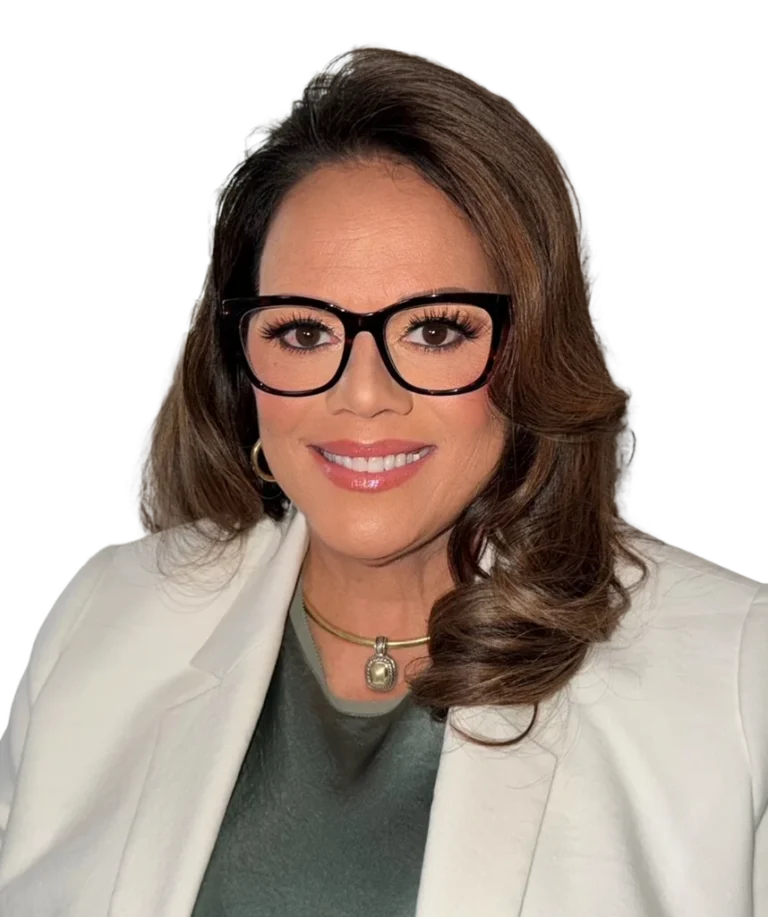
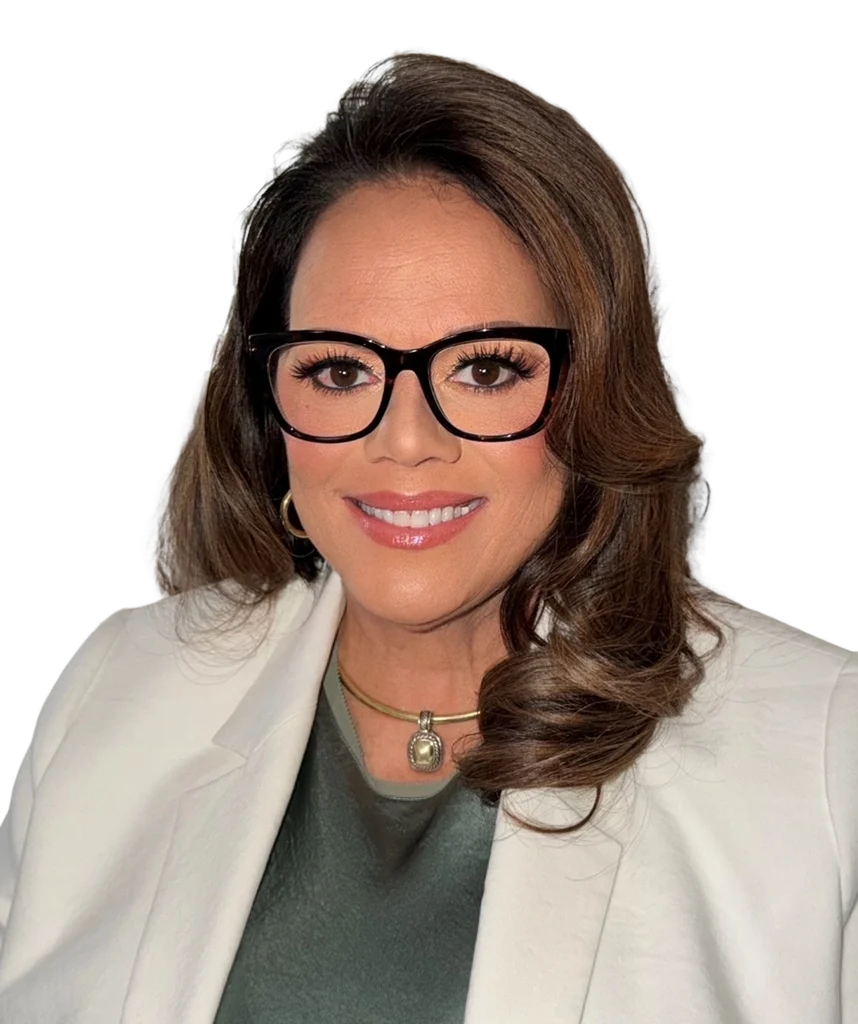
In this installment, Snelling sits down with Laura Williams, the founder and CEO of Respitely, to explore a modern solution to the burnout crisis: "CareGifting."
The Anatomy of the Caregiver Crisis
Caregiving is often described as the most challenging job a person will ever take on without pay or training. For the millions of Americans navigating the "Sandwich Generation"—simultaneously caring for aging parents and raising their own children—the mental and physical toll is immense.
"We often talk about caregiving as a marathon, not a sprint," says Snelling. "In order to continue in the race, you have to take the breaks—both physically and mentally—that let you take a breath. It is the only way to create calm in the chaos of caregiving."
The challenge, however, is that caregivers rarely prioritize themselves. They are often so deeply entrenched in the daily needs of their loved ones that the concept of "self-care" feels like an impossible luxury. This is where the industry is seeing a pivot: moving the burden of care coordination away from the caregiver and onto their support network.
A New Model: What is "CareGifting"?
During the interview, Laura Williams shared her personal journey, which serves as the foundation for her platform, Respitely. As a working mother and long-distance caregiver for her own mother, Williams experienced the profound isolation and logistical exhaustion that defines the caregiving experience.
She realized that while technology had revolutionized food delivery—Uber Eats and DoorDash being the prime examples—no one had successfully digitized the "gift" of time for caregivers.
"Respitely is not ordered by the caregiver," Williams explains. "It is a gift from those who care about the caregiver."
This model, dubbed "CareGifting," empowers friends, family, and colleagues to fund and arrange professional respite care for the primary caregiver. It functions similarly to a crowdfunding platform but with a specific, functional purpose: giving the caregiver the gift of a break. Whether it is a few hours of companion care or a full day of respite, the platform allows the "village" to step in and provide the relief the caregiver desperately needs but is too exhausted to coordinate themselves.
Chronology of a Caregiving Evolution
The conversation between Snelling and Williams highlights a significant evolution in how society approaches eldercare and disability support:
- The Early 2000s: Caregiving was largely viewed as a private, familial duty. Resources were fragmented, and "respite care" was a buzzword rarely accessed by the average family.
- The 2010s: The rise of digital platforms like Care.com and CaringBridge began to bridge the gap, offering marketplaces for independent caregivers and communication tools for families.
- The 2020s: The COVID-19 pandemic acted as an accelerant, forcing a national conversation about the fragility of the caregiving infrastructure. Employers began to recognize that their workforce was suffering from "caregiver brain drain," leading to the integration of caregiving benefits in corporate HR packages.
- Present Day: Platforms like Respitely are now moving beyond simple matchmaking to "CareGifting," which treats caregiver mental health as a collective responsibility rather than an individual burden.
Supporting Data: Why Respite Matters
The necessity for these services is backed by sobering statistics. According to recent research on the "Gen C" (Caregiving) continuum, family caregivers report higher levels of depression, anxiety, and chronic illness than their non-caregiving peers.
When a caregiver fails to take a break, the quality of care for the recipient also diminishes. Research consistently shows that respite care—short-term, temporary relief provided to those who are caring for family members—significantly reduces the risk of caregiver burnout and delays the need for permanent institutionalization of the care recipient.
For businesses, the implications are equally clear. With the "Sandwich Generation" making up a significant portion of the workforce, companies that offer respite care stipends or support platforms report higher employee retention and productivity. As Snelling’s work on the "Future of Caregiving in the Workplace" suggests, shifting from a benefits checklist to a culture of care is no longer optional—it is a business imperative.
Official Resources for Respite
For those looking to secure a break, the landscape of resources has become more robust. During the episode, Snelling and Williams curated a list of essential services:
- ARCH National Respite Care Network: The gold standard for locating agencies and services nationwide.
- UsAging: The network of Area Agencies on Aging, which provide localized, often free or low-cost, guidance on respite options.
- Veteran’s Administration (VA): Offers up to 30 days of free, in-home, or facility-based respite care per year for eligible veteran caregivers.
- Hilarity for Charity (HFC): Provides "care grants" specifically for dementia caregivers, removing the financial barrier to hiring professional help.
- Comfort Keepers: A longstanding leader in professional, in-home companion care that provides the human connection necessary for both the patient and the respite-seeking caregiver.
Implications for the Future
The success of the "Caregiving Club On Air" podcast, which recently reached the #3 spot on Feedspot’s list of top caregiving podcasts, underscores a burgeoning public appetite for practical, empathetic, and expert-led advice.
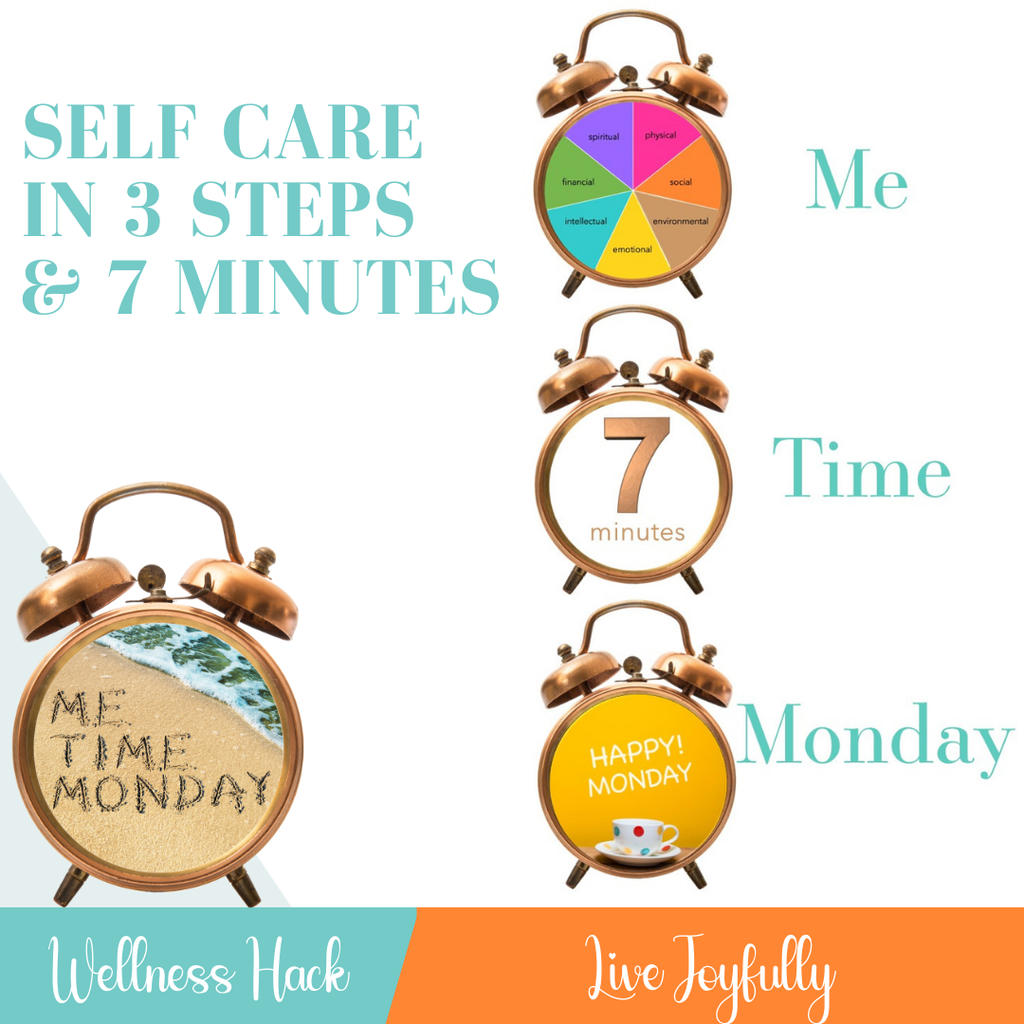
The implications for this shift are profound. By normalizing the need for a break and creating tools that allow communities to "gift" that time, society is slowly destigmatizing the struggle of the caregiver. As Sherri Snelling often notes in her "Me Time Monday" video series, even seven minutes of intentional self-care can be a game-changer.
When family, friends, and employers start viewing caregiving not as an individual task to be endured, but as a community effort to be supported, the entire ecosystem of aging in America stands to gain.
Final Thoughts: Moving Toward a Culture of Care
The interview with Laura Williams is a poignant reminder that we are all either caregivers, care recipients, or will eventually become one of the two. The "CareGifting" movement serves as a template for a more compassionate future.

As we continue through September Self-Care Awareness Month, the takeaway is clear: If you know a caregiver, don’t just say "let me know if you need help." Use tools like Respitely, CaringBridge, or reach out to local Area Agencies on Aging to facilitate the break they would never ask for, but desperately need.
For more resources, listeners are encouraged to visit the Caregiving Club website and subscribe to their YouTube channel for ongoing updates on caregiver wellness, workplace advocacy, and the latest in home design for longevity.