As we navigate the later chapters of life, the body undergoes a series of inevitable physiological shifts. From a natural decline in lean muscle mass—a condition known as sarcopenia—to hormonal fluctuations and a general decrease in daily activity levels, the midsection often bears the brunt of these changes. For many individuals over the age of 60, the "expanding waistline" becomes a source of frustration. However, the solution to reclaiming your fitness doesn’t require a high-end gym membership or complex equipment. In fact, the most effective tool for your transformation might be sitting right in your dining room.
The Reality of Midsection Fitness: Debunking the "Spot Reduction" Myth
Before embarking on any new fitness regimen, it is crucial to address a common misconception that persists in the wellness industry: spot reduction. Many people begin exercise programs with the hope that they can "burn" fat specifically from their abdomen or waistline.
Portia Page, a renowned Balanced Body Educator and certified fitness expert (CPT, NCPT, PMA, ACE, and AFAA), offers a dose of reality. "No exercise, whether seated, standing, or on the floor, can selectively burn fat from the waist or midsection," Page explains.
This, however, is not a reason to lose hope. While you cannot dictate where your body sheds fat, you can dictate your metabolic health and muscular integrity. "What chair exercises can do is build strength, improve posture, increase daily movement, and give someone over 60 an accessible starting point that builds confidence and consistency," says Page. "Those benefits make it much more likely they’ll stick with the bigger, broader habits that truly influence body composition."
The Chronology of Change: Why Consistency Matters
The aging process is a marathon, not a sprint. The decline in physical activity often occurs incrementally; a missed walk here, a skipped stretch there. Over time, these small gaps in movement lead to a loss of core stability.
The strategy Page advocates for is one of "functional consistency." By utilizing a sturdy chair, individuals create an accessible entry point to fitness. By starting with seated movements, the barrier to entry is lowered, reducing the risk of injury and the intimidation factor that often prevents seniors from beginning an exercise program. Over weeks and months, these movements evolve from simple exercises into foundational pillars of daily mobility.
Supporting Data: The Pillars of Functional Movement
The efficacy of seated exercise is supported by its ability to engage deep stabilizing muscles without the high-impact stress that can sometimes discourage older adults. By focusing on the core, back, hips, and pelvic stabilizers, practitioners are not just aiming for a slimmer waistline—they are building the infrastructure required for independent living.
1. Seated Marches: The Foundation of Stability
Seated marches are more than just moving your legs; they are a masterclass in pelvic control. "This exercise activates the deep core while improving balance and hip strength," Page notes. "It teaches the body to stabilize the pelvis as one leg moves, which is a fundamental movement skill we use every day." By pushing through the grounded foot, the exerciser also builds isometric strength in the stable leg, creating a dual-benefit movement.
2. Seated Knee Extension: Protecting the Spine
Lower back pain is a common deterrent for seniors attempting to exercise. Seated knee extensions provide a way to strengthen the quadriceps—essential for climbing stairs and standing—without placing excessive load on the spinal column. Furthermore, this move gently stretches the "backline" of the body, from the lower back through the glutes and hamstrings, alleviating the tightness that often accompanies sedentary lifestyles.
3. Seated Spinal Rotation: Combatting Stiffening
Loss of rotational mobility is a hallmark of aging that often goes unnoticed until it creates a functional deficit—such as difficulty reaching for a seatbelt or grabbing an item from a high shelf. Gentle, controlled spinal rotation engages the obliques, the muscles responsible for the "corset" effect around the waist. Improving this mobility is vital for daily safety and overall physical fluidity.
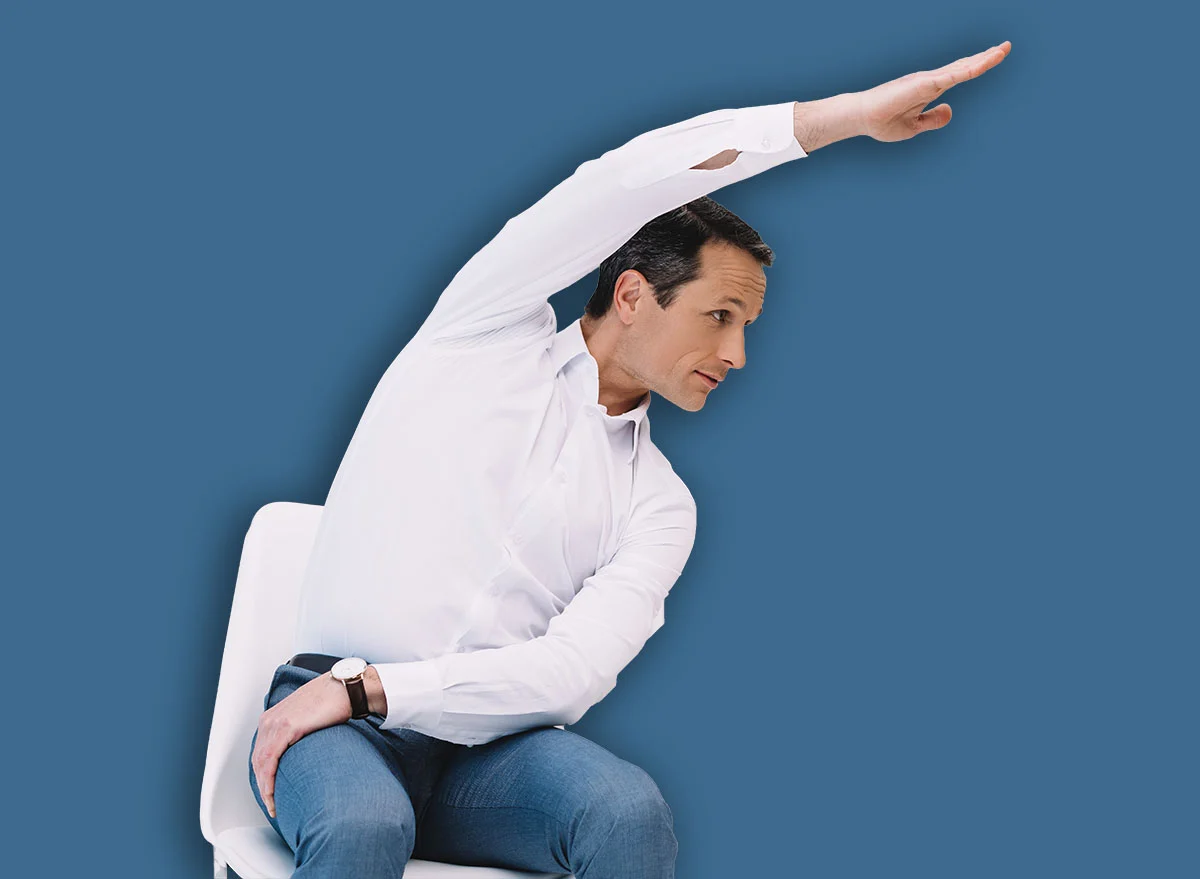
4. Seated Side Bends: Targeting the Obliques
The lateral muscles of the torso are frequently ignored in standard fitness routines. Side bends provide a targeted approach to strengthening the lateral core. By improving trunk stability and control, these movements help create a more balanced physique and, more importantly, provide the structural support needed for better posture.
5. The "Gold Standard": The Sit-to-Stand
If there is one exercise that serves as a diagnostic tool for longevity, it is the sit-to-stand. "If I could only prescribe one exercise for healthy aging, this would be near the top of the list," Page asserts. This movement is a full-body engagement, utilizing the legs, hips, glutes, and core. By mimicking the most basic act of human movement—getting up from a chair—this exercise maintains the independence that is so highly prized in the aging process.
Expert Perspectives on Long-Term Wellness
The implications of adopting these movements are profound. Page suggests that while a chair is a perfect place to start, the ultimate goal should be to bridge the gap between seated movement and floor-based activity. "I would maybe ‘start’ at the chair, yet definitely work to the floor, as getting up/down from the floor is truly a measure of longevity and vitality," she adds.
This philosophy emphasizes a "progressive threshold" approach. By mastering the core and pelvic control required to safely sit and stand, an individual builds the confidence to challenge themselves with more complex movements. This cumulative effect is what truly impacts body composition. When the heart rate is elevated through consistent movement, and the metabolic demand is increased through sustained muscle engagement, the body becomes more efficient at burning energy.
Implications for Future Health
The journey to a leaner, stronger waistline is a holistic one. It is not found in a single, "magic" exercise, but in the intersection of nutrition, sleep, and consistent, purposeful movement.
For the reader over 60, the message is clear: Your chair is not just furniture; it is a gym. By integrating these five movements into your daily routine, you are doing more than just tightening your midsection. You are reclaiming your posture, securing your independence, and investing in the most important asset you possess: your mobility.
Summary Checklist for Daily Success:
- Consistency: Aim for at least 15–20 minutes of movement daily.
- Quality over Quantity: Focus on form. Ensure your chair is sturdy, stable, and placed on a non-slip surface.
- Listen to your body: If a movement causes sharp pain, stop and consult with a physical therapist or your primary care physician.
- Progressive Challenge: Once you feel confident with these movements, consider adding resistance (such as light hand weights) or gradually increasing the repetitions.
By shifting the focus from "spot-reducing" fat to "building-up" functional capacity, you transform the workout from a chore into a celebration of what your body is capable of achieving. Every march, every rotation, and every sit-to-stand is a step toward a more vibrant, mobile, and confident version of yourself.