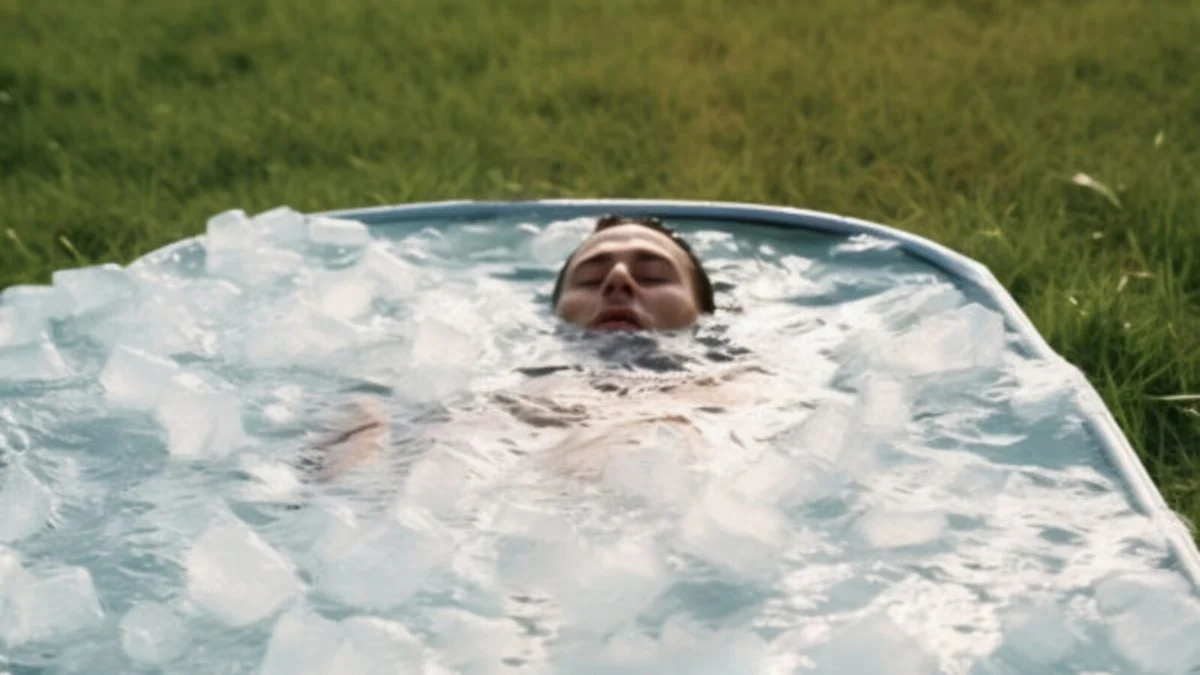
In the modern landscape of high-performance athletics and wellness culture, few trends have permeated the mainstream as rapidly as cold-water immersion (CWI). Once the exclusive domain of elite athletes and Scandinavian sauna enthusiasts, the "cold plunge"—the practice of submerging the body in near-freezing water for several minutes—has become a cornerstone of daily recovery routines for millions. From boutique cryotherapy centers to DIY ice baths in suburban backyards, the practice is marketed as a panacea for inflammation, delayed onset muscle soreness (DOMS), and nervous system regulation.
However, as the practice has moved from the locker room to the living room, a nuanced debate has emerged within sports science. While the physiological benefits of cold exposure are well-documented, emerging research suggests that the timing and frequency of these plunges can act as a double-edged sword. For those chasing muscle hypertrophy and strength gains, the icy waters may inadvertently be washing away the hard-earned physiological adaptations of a grueling workout.
Main Facts: The Physiology of the Freeze
At its core, cold-water immersion works through two primary mechanisms: vasoconstriction and metabolic modulation. When the body is submerged in cold water, the blood vessels near the surface of the skin constrict, shunting blood toward the core to protect vital organs. This process helps to mitigate the inflammatory response triggered by intense physical exertion.
The primary appeal for athletes lies in the mitigation of DOMS—the localized pain and stiffness that follows strenuous exercise. By reducing the temperature of the muscle tissue, CWI lowers the rate of metabolic activity, effectively "cooling down" the inflammatory cascade that results from microscopic muscle fiber damage.
However, the "main fact" that proponents often overlook is that inflammation is not inherently "bad." In the context of strength training, the inflammatory response is a signaling mechanism. It is the body’s way of communicating that tissue has been stressed and requires repair, which leads to structural strengthening and growth (hypertrophy). By blunt-forcing this process with extreme cold, users may be silencing the very biological alarm bells that trigger muscle development.
Chronology: From Ancient Remedy to Biohacking Trend
The history of cold exposure is as long as it is diverse, spanning centuries of human endeavor before arriving at its current iteration in the "biohacking" era.
- Ancient Antiquity: The practice of cold bathing dates back to ancient civilizations, including the Greeks and Romans, who utilized frigidariums in their bathhouses to close pores and invigorate the spirit after exercise.
- The 19th Century: Father Sebastian Kneipp, a Bavarian priest, popularized "Kneipp therapy," which emphasized the use of cold water for healing and systemic health, setting the stage for modern hydrotherapy.
- The 20th Century (1970s–1990s): Sports science began to institutionalize CWI. Trainers for professional football and rugby teams introduced ice baths as a standard post-game recovery protocol to get players back on the field faster.
- 2010–2020 (The Rise of the Influencer): Figures like Wim Hof, the "Iceman," brought cold exposure into the zeitgeist by pairing it with breathwork. The focus shifted from pure athletic recovery to mental fortitude, stress reduction, and metabolic health.
- 2021–Present: The widespread availability of portable cold plunges has moved the practice into the home environment, leading to a surge in daily, unregulated usage.
Supporting Data: The Hypertrophy Paradox
The most compelling data regarding the pitfalls of cold exposure comes from studies examining the "anabolic window." A landmark study published in the Journal of Physiology explored the impact of post-exercise cold water immersion on long-term strength training adaptations.
Researchers found that individuals who performed cold-water immersion immediately following resistance training sessions exhibited significantly lower activation of satellite cells—the precursors to muscle growth—compared to those who engaged in active recovery (such as light cycling or walking).
Key Research Findings:
- The Hypertrophy Blunting Effect: Cold exposure immediately following strength training can suppress the phosphorylation of p70S6K, a key protein kinase that regulates muscle protein synthesis.
- Short-term vs. Long-term: While cold exposure is highly effective at reducing subjective feelings of soreness (the "short-term benefit"), it does not necessarily correlate with faster recovery of muscle function or power output in the long term.
- Frequency Sensitivity: Data indicates that habitual, high-frequency cold plunging after every workout is more likely to interfere with muscle adaptation than sporadic use during periods of high-volume training or competition.
For the general population, the data suggests a pivot in strategy. If the goal is pure muscle mass and strength, the cold plunge should be treated as a tool for recovery on "off days" or as a stand-alone wellness practice, rather than an immediate post-workout ritual.
Official Responses: Guidance from the Scientific Community
The sports science community has adopted a cautionary tone. Organizations such as the National Strength and Conditioning Association (NSCA) and various academic research bodies have released position statements suggesting that "recovery" is a context-dependent endeavor.
Dr. Jonathan Peake, a leading researcher in the field of exercise science, has frequently noted that "the goal of training is to induce stress, not to avoid it." His research emphasizes that if an athlete is in a phase of the season where the goal is adaptation (e.g., the off-season or a hypertrophy block), they should minimize post-workout cold exposure. Conversely, if the athlete is in a tournament scenario where immediate performance (the next day) is more important than long-term gains, then CWI is an effective tool to suppress inflammation and restore function.
Personal trainers and strength coaches are increasingly being trained to periodize recovery protocols. The consensus is shifting toward a "menu of recovery" rather than a "one-size-fits-all" approach.
Implications: How to Integrate Cold Plunge into Your Life
If the cold plunge is not a "default" post-workout habit, how should it be used? The implications for the modern wellness enthusiast are clear: precision and purpose are paramount.
1. Separate the Goals
If you are a recreational lifter focused on building muscle, move your cold plunge to a time when you are not training. Ideally, schedule it for the morning or evening on a day when you are not lifting, or at least six to eight hours post-workout. This allows the physiological signaling of the training session to complete its work before the "anti-inflammatory" reset of the cold plunge begins.
2. Monitor Total Volume
Do not over-rely on cold water to "fix" poor recovery habits. If you are not sleeping, eating enough protein, or managing your stress, a three-minute ice bath is not a substitute for these foundational pillars of health. Treat the plunge as a supplement, not a foundation.
3. Use for Performance, Not Adaptation
Reserve immediate post-workout cold plunges for scenarios where speed of recovery is the absolute priority. If you have an event, a double-header, or a high-intensity session the following day, the short-term benefits of reduced soreness outweigh the long-term cost of slightly diminished muscle growth.
4. Listen to the Nervous System
Beyond muscle growth, the cold plunge has profound effects on the autonomic nervous system. The acute cold shock triggers the release of norepinephrine and dopamine, which can improve mood and focus. If your primary goal is mental clarity or stress management rather than raw strength, the "blunting" effect on hypertrophy is irrelevant. Tailor your practice to your specific intent.
Conclusion
The cold plunge is a powerful physiological tool, but it is not magic. Like any tool in a gym—a barbell, a squat rack, or a supplement—it works best when applied with intent. The modern athlete must move past the hype and understand that while cold water can wash away the pain of yesterday’s workout, it may also be washing away the gains they are working so hard to achieve. By strategically timing your exposure and aligning it with your specific goals—whether that be hypertrophy, endurance, or mental wellness—you can harness the power of the ice without freezing your progress in its tracks.