Introduction: A Life Transformed by Diagnosis
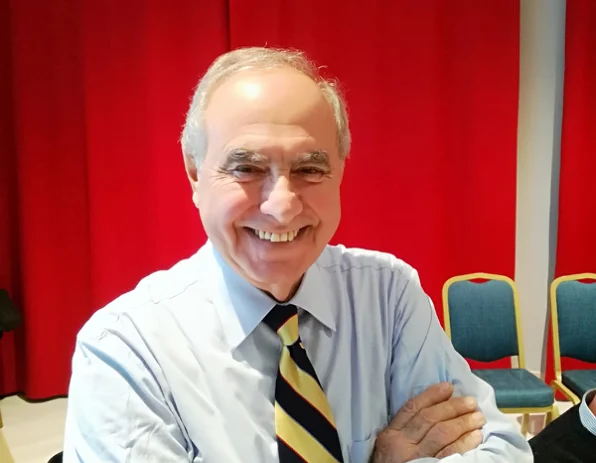
For decades, Luciano Cattani navigated the high-stakes world of global pharmaceuticals and medical devices. As a senior executive, he was accustomed to analyzing healthcare systems from the vantage point of corporate strategy, global boardrooms, and international policy. However, his perspective shifted fundamentally at age 65 when he received a diagnosis that would dismantle his professional life and redefine his purpose: late-onset severe asthma.
Today, Cattani serves as a leading voice for the European lung health community, bridging the gap between clinical research and the lived experience of patients. His journey—from a high-flying executive to a co-founder of Italy’s Severe Asthma Association (AsmaGrave)—serves as a poignant case study on the systemic failures in diagnosing chronic respiratory conditions and the transformative power of patient-led advocacy.
Chronology: The Long Road to Clarity
Cattani’s story is not merely one of illness, but one of systemic navigation. His timeline reflects the sobering reality faced by thousands of patients across Europe:
- The Prime Years: Cattani spent his career in leadership roles at top-tier pharmaceutical and medical device companies, frequently traveling and advising private equity firms. His health was not a primary concern until his mid-60s.
- The Onset (Age 65): The sudden emergence of severe asthma symptoms brought his professional life to an abrupt halt.
- The "Lost" Years: For six years, Cattani cycled through a frustrating medical labyrinth. He endured multiple emergency room visits, countless consultations, and repeated, exhausting courses of oral corticosteroids and antibiotics. During this time, he lived without a definitive diagnosis, leading to a significant decline in his quality of life and financial stability.
- The Turning Point: After six years of searching, a correct diagnosis was finally reached. It would take another two years of specialized treatment before he regained a level of stability that allowed him to reclaim his life.
- The Advocacy Shift (2022–Present): Having navigated the Italian healthcare system’s shortcomings, Cattani co-founded AsmaGrave. His work expanded to the European level, where he joined the European Lung Foundation’s (ELF) Asthma Patient Advisory Group (PAG) and began contributing to European Respiratory Society (ERS) research initiatives.
Supporting Data and the Burden of Disease
Cattani’s experience is far from an outlier. The data surrounding severe asthma in Europe suggests that his struggle with diagnostic delays is a systemic failure.
Current statistics indicate that the average diagnostic delay for severe asthma patients in Europe remains near three years. This delay is not merely a matter of inconvenience; it is a clinical failure that leaves patients reliant on "bridge" therapies—specifically high-dose oral corticosteroids—that carry long-term risks.
The Health Toll
The overuse of corticosteroids and the lack of targeted biologics in the early stages of the disease contribute to:
- Secondary Comorbidities: Increased prevalence of diabetes, osteoporosis, and cardiovascular disease resulting from prolonged systemic steroid use.
- Diagnostic Gaps: A significant portion of the patient population remains misdiagnosed as having mild or moderate asthma, preventing them from accessing the multidisciplinary care they require.
- Economic Impact: Beyond the loss of personal income for patients, the societal cost of underdiagnosed, poorly managed asthma manifests in repeated emergency hospitalizations and lost productivity across the European workforce.
Official Perspectives: The Role of the Patient Advocate
As a participant in the 2026 ERS Congress, Cattani represents a growing movement that insists on the integration of "Patient-Expert" voices into high-level research. In his view, the inclusion of patients in scientific discussions is not a token gesture; it is a necessity for clinical accuracy.
"Patients bring invaluable personal experience," Cattani notes. "They offer insight into what quality of life truly means beyond clinical measures. Researchers can measure lung function, but they cannot measure the day-to-day struggle of navigating a healthcare system that does not understand your condition."
The ERS Task Force
Cattani is currently working with an ERS Task Force to analyze the evolution of severe asthma in elderly patients across 23 European countries. By incorporating patient data alongside clinical metrics, the task force aims to define "remission" in ways that are clinically valid and patient-centered. This collaboration underscores a new era in medicine where the patient is viewed as a stakeholder rather than a subject.
Implications: Building a New Model of Care
The theme for the 2026 ERS Congress—"Partnership"—is a direct response to the fragmented care models that Cattani experienced firsthand. To move forward, he proposes four pillars for reform:
1. Earlier Identification
The current pathway relies too heavily on primary care physicians who may not be equipped to recognize the markers of severe, as opposed to moderate, asthma. Establishing earlier referral pathways to specialized centers is critical.
2. Quicker Diagnosis
Diagnostic delays of three years are untenable in the modern era of precision medicine. Standardizing diagnostic protocols across Europe is essential to ensure that patients do not spend years in a state of medical limbo.
3. Effective Treatment
The goal is to shift the standard of care away from generalized, systemic treatments (like long-term corticosteroids) toward targeted, personalized therapies that offer better long-term outcomes with fewer side effects.
4. Together (The Collaborative Spirit)
Communication is the final frontier. Cattani points to the discrepancy in "flare-up" management across Europe. In some regions, patients are equipped with comprehensive kits and clear action plans; in others, they are left to manage emergencies alone. Establishing a uniform standard for patient education and communication between clinicians and their patients is a low-cost, high-impact intervention.
Conclusion: The Executive Advocate
Luciano Cattani’s career transition from the executive suite to the patient advocacy group is a testament to the resilience of the human spirit and the importance of lived experience in shaping health policy. He emphasizes that for effective change to occur, there must be a bilateral effort: patients must be supported to navigate the complex language of research, and researchers must make their findings and processes more accessible to the public.
As he looks toward the future of the European respiratory community, his mantra remains: Earlier, quicker, effective, and together. By aligning these four objectives, the medical community has the potential to transform severe asthma from a life-altering, isolating diagnosis into a manageable condition.
For the millions of patients who, like Cattani, once felt lost in the system, his work offers more than just hope—it offers a roadmap to a more equitable and efficient future in lung health. The partnership between patients and professionals is no longer an aspiration; it is the most vital tool in the arsenal against chronic respiratory disease.