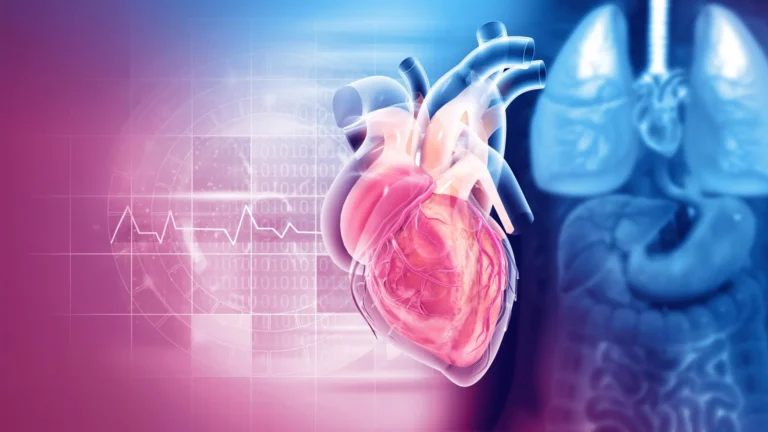




For millions of people worldwide, the morning ritual is non-negotiable. Whether it’s a quick espresso at a bustling café or a meticulously brewed pour-over at home, coffee has cemented itself as a global dietary staple. On average, individuals now consume nearly two kilograms of coffee annually. Yet, beneath the aroma and the caffeine-induced energy boost, a lingering medical debate persists: Is your daily cup of joe a silent threat to your cardiovascular system?
As we delve into the science of caffeine metabolism and its impact on the human body, the reality is far more nuanced than a simple "yes" or "no." While coffee can trigger a temporary spike in blood pressure, it does not necessarily pave the way to chronic hypertension. Understanding the relationship between your brew and your blood pressure requires looking beyond the stimulant and into the complex chemistry of the coffee bean itself.
Main Facts: The Caffeine-Blood Pressure Dynamic
At its core, coffee is a complex chemical cocktail. Its primary active ingredient, caffeine, is a well-known muscle stimulant. When consumed, caffeine enters the bloodstream and travels to the brain, where it interacts with the adenosine receptors in our reward system. However, its peripheral effects are what concern cardiologists.
Caffeine acts as a catalyst for the adrenal glands, prompting them to release a surge of adrenaline. This "fight or flight" hormone increases the heart rate and triggers the constriction of blood vessels. As the vessels narrow and the heart beats with greater force, the pressure exerted against the arterial walls—your blood pressure—naturally rises.
The Metabolism Timeline
The impact of caffeine is not instantaneous, nor is it permanent. Blood caffeine levels typically peak between 30 minutes and two hours after consumption. The "half-life" of caffeine—the time it takes for your body to eliminate half of the dose—ranges from three to six hours. This variability is dictated by several factors:
- Genetics: Some individuals are "fast metabolizers" due to specific liver enzymes, while others retain caffeine in their systems much longer.
- Habituation: Regular coffee drinkers develop a tolerance, allowing them to clear the stimulant more efficiently than those who consume it sporadically.
- Age and Health: Younger individuals and those with specific liver conditions may process caffeine at different rates, altering the window of cardiovascular impact.
Chronology: From First Sip to Arterial Response
To understand the physiological impact of coffee, it is helpful to view the process through a chronological lens.
Phase 1: Absorption (0–30 minutes)
As the coffee enters the digestive tract, caffeine is absorbed into the bloodstream. During this phase, the body begins the initial signaling process to the central nervous system.
Phase 2: The Peak (30 minutes – 2 hours)
This is the window of maximum physiological impact. Research reviews indicate that during this peak, systolic blood pressure can rise by 3–15 mm Hg, while diastolic pressure may increase by 4–13 mm Hg. For a healthy individual, this transient spike is rarely dangerous. However, for someone with existing hypertension, this period of increased force on the arterial walls requires careful monitoring.
Phase 3: The Elimination (3–6+ hours)
The liver works to break down the caffeine molecules. As the levels in the blood drop, the stimulatory effects on the adrenal glands fade, and heart rate and blood vessel constriction return to baseline levels.
Supporting Data: Hypertension and Long-Term Risks
"Hypertension" is a term that carries significant weight in medical circles, yet it is often misunderstood. Blood pressure is measured by two numbers: systolic (the pressure when the heart beats) and diastolic (the pressure when the heart rests between beats). A reading of 120/80 mm Hg is considered optimal, while anything consistently at or above 140/90 mm Hg is classified as hypertension.
The danger of hypertension lies in its invisibility. It is frequently called a "silent killer" because it rarely presents with symptoms until significant damage has occurred. Approximately 31% of the adult population lives with hypertension, and alarmingly, half of those individuals are entirely unaware of their condition. Even among those being treated with medication, nearly half struggle to keep their numbers within a healthy, controlled range.

The "No-Link" Evidence
Recent large-scale studies have attempted to determine if habitual coffee consumption leads to the development of chronic hypertension. A comprehensive review of 13 studies, encompassing over 315,000 participants, found that coffee intake was not associated with an increased risk of developing hypertension. Whether the participants drank caffeinated or decaffeinated, or whether they were heavy smokers or non-smokers, the conclusion remained consistent: coffee, in and of itself, does not appear to be a primary driver of hypertension.
The Exception: Grade 2-3 Hypertension
While the general population appears safe, caution is warranted for specific groups. A long-term study in Japan tracked 18,000 adults over nearly two decades. The researchers found that for individuals already suffering from severe (grade 2–3) hypertension, the consumption of two or more cups of coffee daily was linked to a doubling in the risk of cardiovascular mortality. Notably, this risk was not observed in individuals with normal blood pressure or mild (grade 1) hypertension.
Official Responses: Navigating the Phytochemical Landscape
It is a common misconception that caffeine is the only player in the coffee bean. Coffee is a powerhouse of phytochemicals—compounds that contribute to the drink’s unique flavor and aroma while also influencing human health.
The Beneficial Phytochemicals
Emerging research highlights that coffee contains compounds that may actually counteract the blood-pressure-raising effects of caffeine:
- Melanoidins: These compounds help regulate fluid volume in the body and influence the enzymes that manage blood pressure.
- Quinic Acid: This phytochemical has been shown to improve the endothelial lining of blood vessels. By making the blood vessels more flexible, quinic acid allows the vascular system to better accommodate the transient rises in pressure caused by caffeine.
Medical experts increasingly suggest that the net impact of coffee is a balance between the stimulatory effects of caffeine and the protective effects of these phytochemicals. For the vast majority of the population, the body is more than capable of managing these fluctuations.
Implications: Practical Advice for the Coffee Lover
Given the current body of evidence, there is no mandate to banish coffee from your life. However, if you are concerned about your heart health, a strategic approach is recommended.
1. Know Your Numbers
Because hypertension is asymptomatic, you cannot "feel" if your blood pressure is high. Regular screenings are essential. If you are regularly hitting the 140/90 threshold, you must consult a healthcare professional.
2. Respect Your Tolerance
If you notice that coffee makes you jittery, anxious, or causes heart palpitations, your body is providing clear feedback. In such cases, reducing your intake or switching to decaffeinated versions (which still contain many of the beneficial phytochemicals) is a prudent step.
3. Moderation and Timing
Avoid heavy coffee consumption immediately before a stressful event or a high-intensity workout, as these situations already place significant demand on your cardiovascular system.
4. Consult Your Doctor
If you have been diagnosed with grade 2 or 3 hypertension or have existing kidney or heart disease, have an honest conversation with your physician about your coffee habits. They can provide guidance tailored to your specific medication and cardiovascular profile.
Final Thoughts
The narrative that coffee is a cardiovascular hazard is largely outdated. While it does induce a temporary physiological response, the evidence suggests that for those with normal blood pressure or mild hypertension, it is not a direct path to heart disease. By understanding your own health status and listening to your body’s signals, you can continue to enjoy your daily cup with confidence—and perhaps even reap the benefits of the phytochemicals hidden within those roasted beans.