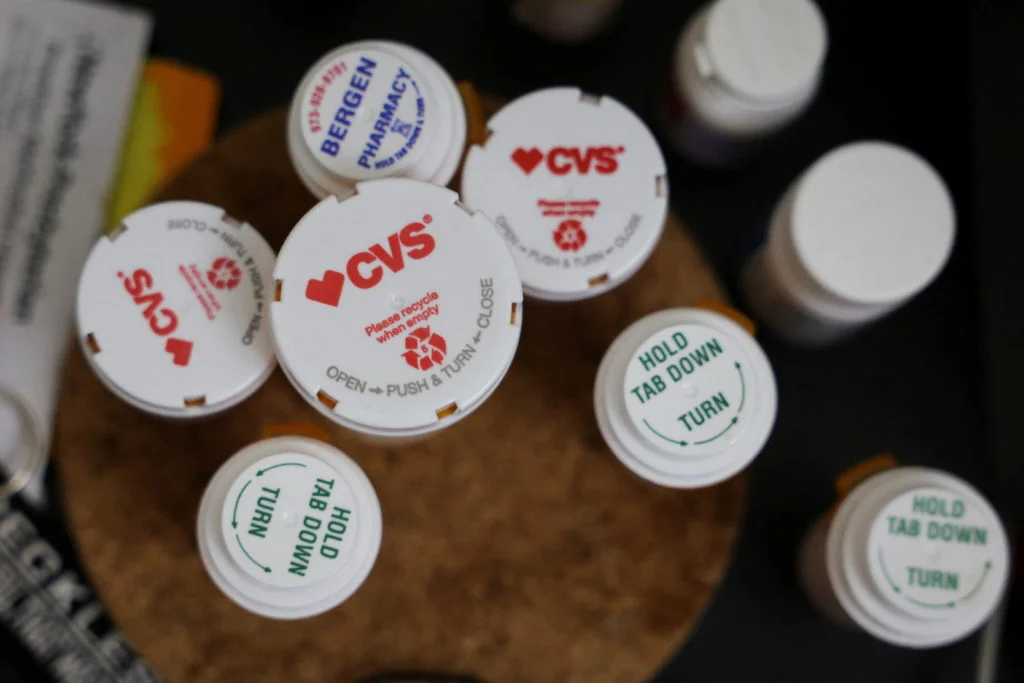
NEW YORK — A recent report from the U.S. Department of Labor, indicating that prescription drug prices fell by 0.8% in July and have plummeted 3.1% over the past year—the most significant annual decline since 1963—has ignited a fierce debate in Washington. President Donald Trump has been quick to seize upon these figures as a vindication of his administration’s pharmaceutical policies. However, healthcare economists and policy experts suggest that the reality of the healthcare marketplace is far more nuanced, driven by a confluence of legacy legislation, market-based competition, and technical nuances in how the government tracks inflation.
The Official Narrative: The Trump Administration’s Claim
The White House has framed the record-breaking price drop as the direct result of proactive intervention. According to administration officials, the decline is the tangible outcome of the "Most Favored Nation" (MFN) drug deals, which aim to align U.S. pharmaceutical pricing with the lower costs seen in other developed economies. Furthermore, the administration credits the "TrumpRx" website, a digital platform designed to offer price transparency and direct savings, with "delivering real relief to American families and putting patients first."
President Trump and his allies argue that by aggressively negotiating with pharmaceutical giants and providing consumers with better information, the administration has successfully checked the rising costs of essential medications. The White House claims the TrumpRx initiative alone has generated an estimated $700 million in savings for patients.
A Complex Web: The Experts’ Counter-Perspective
While the administration touts its policies as the primary driver of the decline, independent experts and researchers—including those from the Kaiser Family Foundation (KFF), Harvard Medical School, and Vanderbilt University—urge caution. They argue that attributing a macroeconomic shift of this scale to any single policy initiative is a fundamental misunderstanding of how the pharmaceutical supply chain functions.
"It’s difficult to know in one number what’s going on beneath the hood," said Juliette Cubanski, vice president and director of the Program on Medicare Policy at KFF. "I don’t think we can attribute this price reduction to any one specific policy change or initiative."
Instead, experts point to a "perfect storm" of factors that have converged over the last 18 months, ranging from structural changes in Medicare to the natural cycle of drug patent expirations.
Chronology: The Evolution of Drug Pricing Policy
To understand the current data, one must look at the timeline of events that have reshaped the pharmaceutical landscape over the last several years:
- August 2022: The Inflation Reduction Act (IRA) is signed into law, marking a watershed moment in U.S. healthcare policy. For the first time, the federal government is empowered to negotiate prices for a selection of high-cost, top-selling drugs under the Medicare program.
- January 2025: The first negotiated prices resulting from the IRA framework officially take effect. Analysts suggest these mandated reductions are a significant contributor to the aggregate price drops observed in the Consumer Price Index (CPI) throughout the year.
- Early 2025: The Trump administration launches the TrumpRx initiative, aiming to provide consumers with a transparent portal for finding lower-cost drugs.
- July 2025: A new administration policy targeting the cost of GLP-1 weight-loss medications for eligible Medicare beneficiaries goes into effect, coinciding with the most recent monthly dip in the price index.
Market Forces: Competition as the Invisible Hand
Beyond legislative maneuvering, market-driven dynamics are arguably the most potent factor in lowering prices. When brand-name drugs lose patent exclusivity, the entry of generic or biosimilar competitors typically triggers a sharp decline in costs.
Dr. Benjamin Rome, a health policy researcher at Harvard Medical School, highlights the impact of biosimilars—biological products that are highly similar to already approved FDA products. "When big blockbuster products face generic competition, their prices fall," Rome explains. A clear example is the market for Humira, a high-cost drug for autoimmune conditions that has seen increased competition from lower-cost biosimilars, effectively forcing prices downward across the board.
Similarly, Vanderbilt University professor Stacie Dusetzina notes that popular biologic medicines like Stelara have seen price corrections as more competitive alternatives have flooded the market. These market-based corrections, while not as politically resonant as "deals," are the fundamental mechanics that have historically corrected pricing bubbles in the healthcare sector.
The Mechanics of Measurement: Understanding the CPI
One of the most critical elements in this debate is the nature of the data itself. The prescription drug price index, maintained by the Labor Department, does not measure the price a consumer pays at the pharmacy counter. Instead, it measures the amount pharmacies receive for those drugs—a figure that includes payments from insurers, government programs, and the patient.
Because the index is essentially a "net price" metric, it is highly sensitive to the way insurance plans negotiate with drug manufacturers. When Medicare or private insurers secure rebates or lower prices, those savings are reflected in the CPI. However, this creates a disconnect between the official index and the lived experience of the American patient. If a patient’s insurance premium rises, or their out-of-pocket deductible increases, they may feel no relief at all, even if the "index" shows a downward trend.
Scrutinizing the TrumpRx Claims
While the Trump administration promotes TrumpRx as a success, it has faced significant skepticism from lawmakers and policy analysts. The administration’s assertion that the site has saved patients $700 million remains unverified by independent audits.
Senator Elizabeth Warren (D-MA) has led calls for transparency regarding these figures. In a recent letter to Health Secretary Robert F. Kennedy Jr., Warren questioned the reliability of the data, noting that the administration has admitted the TrumpRx portal does not store patient, health, or prescription information. Without a robust data-tracking mechanism, experts argue it is impossible to verify whether these savings are actually reaching the average consumer or if they are merely theoretical projections based on list prices.
Furthermore, experts point out that many of the brand-name drugs featured on the site are often available at lower prices through private insurance or generic alternatives not highlighted on the platform. The utility of the tool, while positive in its intent to increase transparency, remains a subject of ongoing study.
Implications for the Future
The debate over drug prices underscores a deeper, more systemic problem: the U.S. healthcare system is notoriously difficult to navigate. Even if the current downward trend in the CPI continues, the "real-world" experience for most Americans remains one of high volatility.
1. The Burden of Overall Healthcare Costs
While drug prices may be dipping, other healthcare expenses—such as insurance premiums, hospital fees, and administrative costs—continue to rise. As Dr. Rome noted, the CPI for prescription drugs is not a holistic health-cost index. "A price measure like the CPI is not going to adequately capture consumers’ experience with healthcare," he said.
2. The Role of Legislative Continuity
The fact that the current administration has continued the IRA’s Medicare negotiation program suggests that despite partisan rhetoric, there is an acknowledgment that federal price-setting mechanisms are now a permanent fixture of the U.S. healthcare economy. Whether future administrations choose to expand or contract these programs will be the defining factor in long-term pricing trends.
3. The Need for Transparency
The controversy surrounding the TrumpRx claims highlights a broader public demand for legitimate, verifiable price transparency. For patients, the "list price" of a drug is often meaningless; what matters is the "net price" after insurance, rebates, and pharmacy benefit manager (PBM) involvement.
Conclusion: A Nuanced Success
The 3.1% decline in drug prices is an objective, positive development for the U.S. economy, but it is not the result of a single political stroke. It is the outcome of a complex interplay between the Inflation Reduction Act’s negotiation powers, the aggressive entry of biosimilar competition, and the evolving strategies of the current administration.
As the debate continues, the focus for policymakers and the public alike should remain on the "net" impact: ensuring that these price reductions are not offset by rising insurance costs and that the tools provided to the public are grounded in accurate, transparent data. The recent CPI data is a promising indicator, but it is merely one chapter in a much larger, ongoing struggle to bring affordability and predictability to American healthcare.