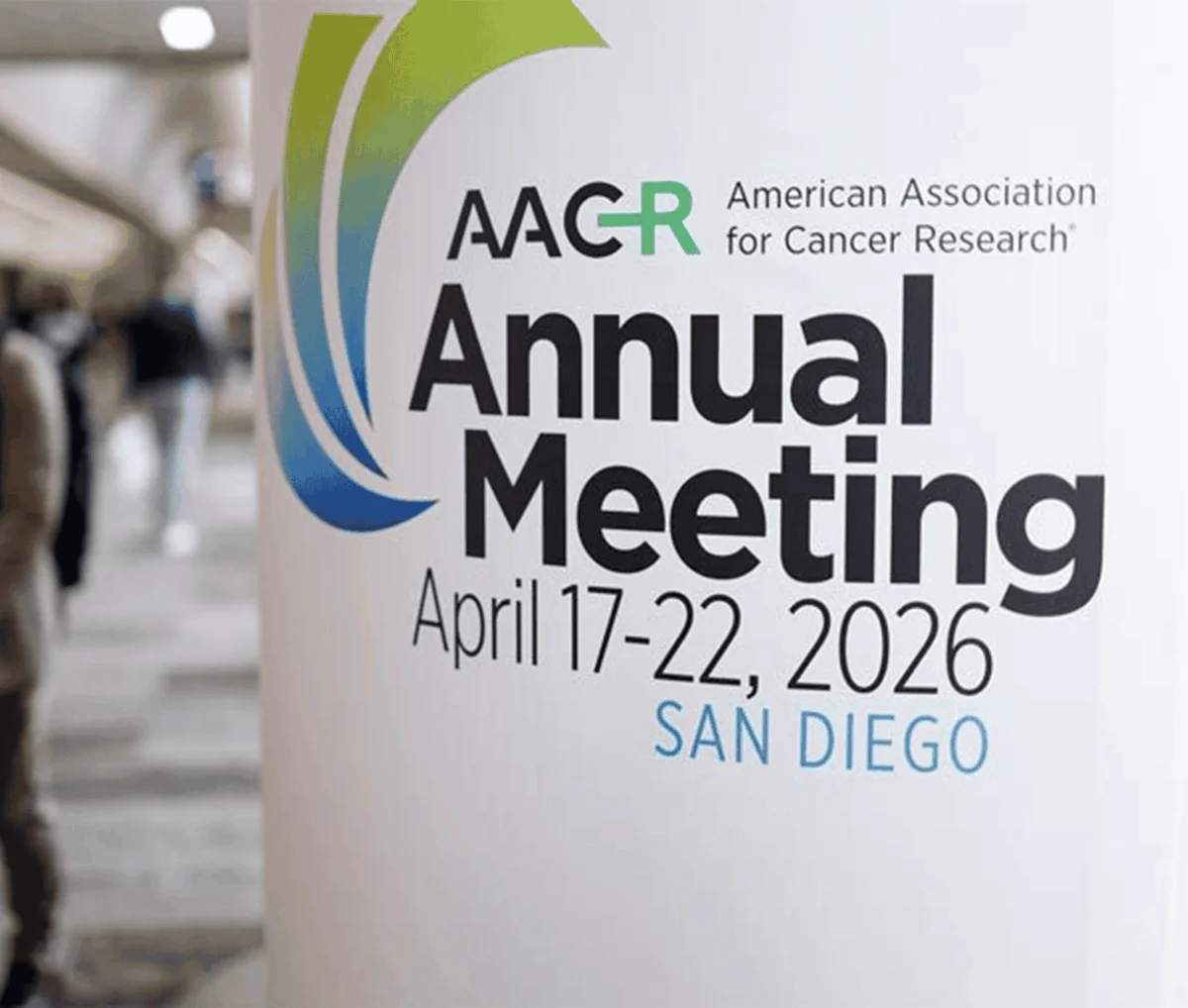
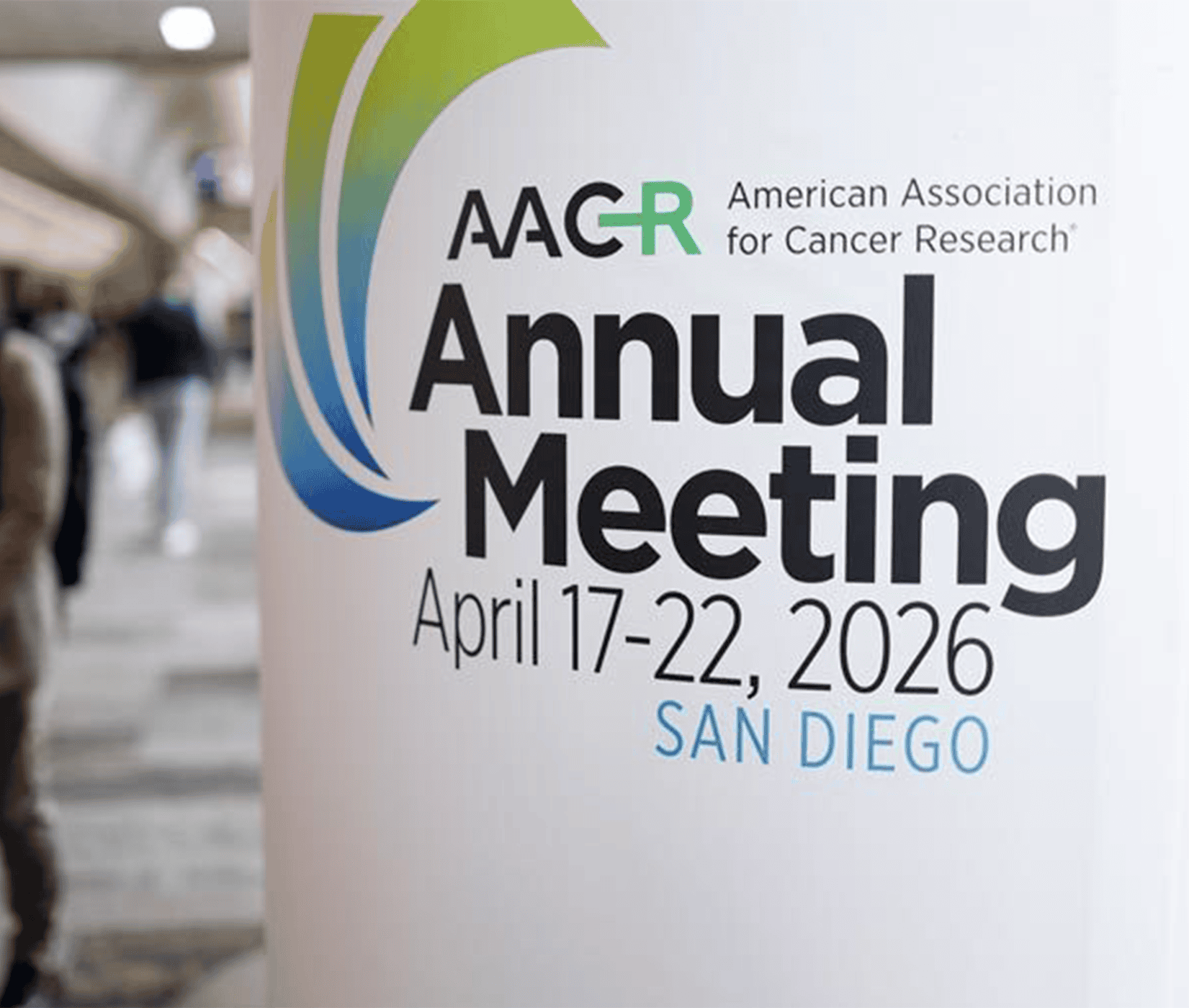
The 2026 American Association of Cancer Research (AACR) Annual Meeting, held in San Diego from April 17–22, served as a definitive crossroads for the oncology community. If previous years were defined by singular "breakthroughs," the 2026 assembly was defined by convergence. The scientific discourse moved decisively away from siloed research, focusing instead on how the synthesis of deep biological insights, advanced computational technology, and strategic policy shifts can dismantle the barriers that have historically slowed the transition from laboratory discovery to bedside reality.
The Chronology of Innovation: AACR 2026
The six-day conference was structured to reflect the translational pipeline. The early sessions focused on the fundamental "ecology" of the tumor microenvironment, followed by mid-week sessions on the clinical application of immunotherapy and the integration of artificial intelligence in trial design. The conference concluded with a series of high-level policy town halls, addressing the socioeconomic and structural mandates required to bring these scientific advancements to a global patient population.
Cancer as a System: A New Biological Paradigm
The most significant shift in understanding articulated at the meeting was the move toward "Systems Oncology." Researchers are no longer viewing cancer as an isolated mass of malignant cells. Instead, the consensus is that a tumor is an active, evolving ecosystem.
The Neurological Connection
One of the most compelling discussions focused on the role of the nervous system in tumor progression. Evidence presented at the meeting suggests that nerves are not passive bystanders in the tumor microenvironment. Instead, they appear to secrete neurotransmitters that can actively suppress anti-tumor immune activity. This "neuro-oncology" frontier offers a potential explanation for treatment resistance; in some cancers, the infiltration of nerve structures by malignant cells is now being evaluated as a high-fidelity biomarker for immunotherapy response.
The Microbiome and Metabolic Influence
The meeting also highlighted the inextricable link between host metabolism, the gut microbiome, and treatment efficacy. As scientists map these interactions, they are uncovering why two patients with identical genetic profiles may have vastly different responses to the same checkpoint inhibitor. The integration of metabolic profiling into standard clinical diagnostics is no longer a peripheral interest—it is becoming a central pillar of patient stratification.
Immunotherapy: Moving from "Broad-Spectrum" to "Precision"
Immunotherapy has undeniably altered the landscape of cancer care, but the "first wave" of broad, system-wide immune activation is being replaced by a more surgical approach.
Solving the "Cold Tumor" Problem
A central theme at AACR 2026 was the quest to turn "cold" tumors (those that evade the immune system) into "hot" tumors. Researchers are moving beyond simple checkpoint blockade, focusing instead on the dynamic, often reversible, states of immune dysfunction. By identifying why T-cells become exhausted or sequestered within a tumor, teams are developing combination therapies that "re-prime" the immune system to recognize targets it previously ignored.
Next-Generation CAR T-Cell Therapies
The AACR-ASCO Joint Session underscored the ambition to bring Chimeric Antigen Receptor (CAR) T-cell therapy—which has seen success in hematological cancers—into the realm of solid tumors. This is widely considered the "Holy Grail" of modern immunotherapy. Data presented suggested that next-generation engineered cells are being designed with "logic gates" and enhanced environmental sensors, allowing them to remain active longer and navigate the hostile, immunosuppressive microenvironment of solid organs like the pancreas and lungs.
Prevention: The New Frontier
Perhaps the most striking data came from MD Anderson Cancer Center researchers, who demonstrated the potential for immunotherapy to act as a preventative measure. In a study on oral precancer, the direct injection of nivolumab (Opdivo®) resulted in a 60% reduction in lesion size, with an 80% success rate in maintaining cancer-free status after one year. This pivot from "treatment of advanced disease" to "early intervention" signals a massive potential shift in oncology, one that could preserve organ function and significantly improve patient quality of life.
The Technological Catalyst: AI and Spatial Biology
While biological discovery provides the "what," technology is increasingly providing the "how." The 2026 meeting served as a showcase for the rapid integration of artificial intelligence (AI) and spatial analysis into the research pipeline.
Artificial Intelligence as a Strategic Partner
AI is no longer just a tool for image recognition; it is being deployed as a strategic architect for clinical trials. By simulating patient outcomes and identifying patterns in complex genomic data, AI platforms are shortening the time required to design effective trial protocols. This speed is essential for keeping pace with the rapid discovery of new molecular targets.
Spatial Resolution
New platforms, including advanced spatial transcriptomics from leaders like 10x Genomics, are allowing researchers to map the immune system in 3D. By visualizing exactly where immune cells sit in relation to cancer cells, researchers can understand the physical barriers to treatment efficacy. This high-resolution map is providing the "blueprints" for the next generation of targeted therapies.
Policy and Infrastructure: The "Valley of Death"
Despite the explosion of scientific progress, the meeting highlighted a growing concern: the disconnect between the speed of science and the speed of patient access.
Funding and Global Competition
The AACR Researcher Town Hall addressed the fragility of the current funding ecosystem. With rising global competition and stagnant federal research budgets in many regions, the sustainability of long-term oncology research is in question. There is a broad call for policies that incentivize high-risk, high-reward research while ensuring that the infrastructure—clinical trial sites, biobanks, and regulatory pathways—can keep up with the pace of innovation.
Addressing Clinical Trial Barriers
Dr. Cynthia Neben of the Cancer Research Institute (CRI) presented data that underscored the urgency of clinical trial reform. The current model for trial enrollment is often antiquated, slow, and overly restrictive. If the advancements in immunotherapy are to reach the patients who need them most, there must be a radical rethinking of how we facilitate access to trials. This includes decentralizing clinical research and leveraging digital health tools to ensure that enrollment is not limited by geography or socioeconomic status.
Implications for the Future
The implications of the 2026 AACR meeting are profound. We are entering an era where the divide between "basic science" and "clinical practice" is vanishing.
- For Patients: The move toward precision immunotherapy and preventative interventions suggests a future where cancer may be managed as a chronic, or even curable, condition rather than a terminal diagnosis.
- For Researchers: The emphasis on integration demands a new type of scientist—one who is as comfortable with a coding terminal as they are with a pipette. Interdisciplinary collaboration is no longer a "nice-to-have"; it is a professional requirement.
- For Policymakers: The message is clear: the science is moving faster than the system. There is an urgent need for policies that streamline regulatory approvals, encourage data sharing, and remove the geographic and socioeconomic barriers that currently prevent universal access to life-saving innovation.
Conclusion: The Path Ahead
The 2026 AACR Annual Meeting did not just present new data; it presented a new philosophy. The path forward is not merely the accumulation of individual breakthroughs. It is the integration of those discoveries into a cohesive, patient-centered framework. By connecting the dots between the tumor microenvironment, the power of AI, and the necessity of policy reform, the global oncology community is moving toward a future where cancer research is defined not by what is possible in the lab, but by what is achieved in the clinic.
The challenge for the coming decade will be execution. The science has provided the tools; now, the focus must shift to ensuring that these innovations are implemented with the speed, equity, and precision that patients deserve.