





For billions of people around the globe, the day does not truly begin until the first cup of coffee is poured. Whether it is a quick espresso shot, a carefully crafted pour-over, or a milky latte, our collective coffee habit is substantial. On average, we consume nearly two kilograms of coffee per person every year. These preferences are rarely accidental; they are often dictated by our biology, specifically the intricate interplay between our genetics, the brain’s reward circuitry, and our individual capacity to metabolize caffeine.
However, as our reliance on this stimulant grows, so too does the scrutiny surrounding its long-term physiological impacts. Chief among the concerns for many is the question of heart health: Does our morning ritual contribute to the "silent killer" that is hypertension?
The Anatomy of the Issue: Understanding Hypertension
To understand how coffee interacts with your cardiovascular system, one must first understand the mechanism of blood pressure. It is, quite simply, the force exerted by circulating blood against the walls of the arteries. This is measured via two primary metrics: systolic pressure (the force during a heartbeat) and diastolic pressure (the force between beats).
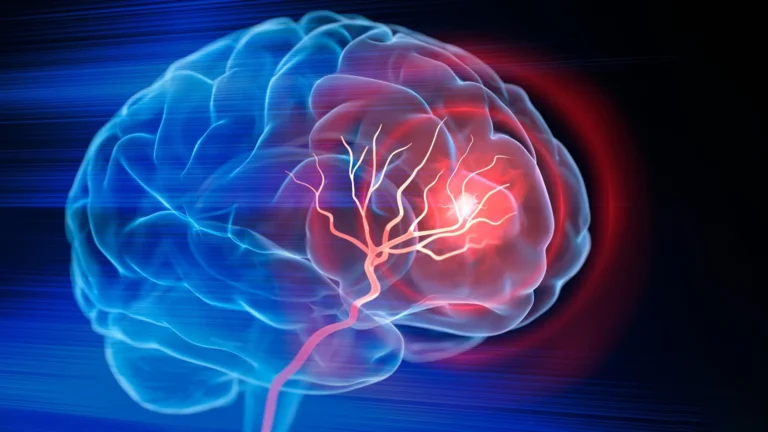
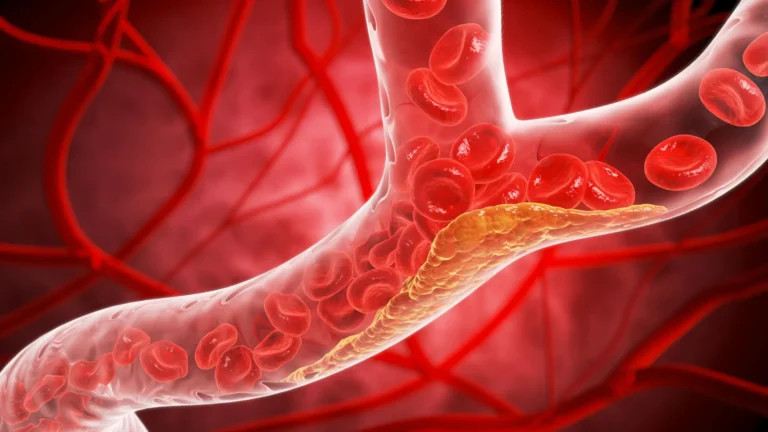
According to global health standards, a "normal" reading is defined as anything below 120/80 mm Hg. Once those numbers consistently climb to 140/90 mm Hg or higher, the condition is classified as hypertension. The danger of hypertension lies in its invisibility; it is a clinical condition that frequently manifests without symptoms. If left unmanaged, this chronic strain on the arterial walls significantly elevates the risk of myocardial infarction (heart attack) and stroke, while exacerbating existing kidney and heart disease.
The prevalence of this issue is staggering. Roughly 31% of the adult population suffers from hypertension, with a concerning 50% of those individuals entirely unaware of their diagnosis. Even among those who have been diagnosed and are undergoing treatment, nearly half fail to keep their blood pressure within a healthy, controlled range.
The Physiological Mechanism: How Caffeine Impacts the Heart
Caffeine is a potent stimulant, and its effects on the body are immediate and measurable. When consumed, caffeine acts as a muscle stimulant that can increase the heart rate. In some individuals, this surge can trigger an irregular heartbeat, clinically known as arrhythmia.
Furthermore, caffeine serves as a trigger for the adrenal glands, prompting them to release adrenaline. This "fight-or-flight" hormone causes the heart to beat faster and forces blood vessels to constrict. The result is a short-term, acute increase in blood pressure.
The Chronology of Consumption
The journey of a cup of coffee through your system follows a predictable timeline:
- 0–30 Minutes: Caffeine enters the bloodstream through the stomach and small intestine.
- 30 Minutes to 2 Hours: Blood caffeine levels reach their absolute peak. This is the window during which the most pronounced effects on blood pressure are observed.
- 3 to 6 Hours: This represents the "half-life" of caffeine. During this period, the concentration of the stimulant in your blood decreases by approximately 50%.
The speed at which this process occurs is highly individualized. It is influenced by age—younger individuals or those with developing livers process caffeine differently—and genetics. Some people are "fast metabolizers" who clear caffeine rapidly, while others are "slow metabolizers" who feel the effects for much longer. Additionally, regular coffee drinkers tend to build a tolerance, clearing the stimulant from their systems more efficiently than those who consume it sporadically.
Research indicates that after consuming a caffeinated beverage, systolic blood pressure can increase by 3–15 mm Hg, while diastolic pressure may rise by 4–13 mm Hg. However, the significance of this spike depends heavily on the individual’s baseline blood pressure. If you are already struggling with hypertension or have pre-existing cardiovascular or liver conditions, these fluctuations carry more weight.

The Paradox: Phytochemicals and Protective Properties
While caffeine is the star of the show, coffee is far more than just a delivery system for a stimulant. It is a complex chemical matrix containing hundreds of phytochemicals—naturally occurring compounds that contribute to flavor, aroma, and human health.
Interestingly, while caffeine may raise blood pressure, other compounds in the bean may work to counteract that effect. Melanoidins, for example, are compounds that regulate the body’s fluid volume and modulate the activity of specific enzymes that control blood pressure. Furthermore, quinic acid has been shown in various studies to support the lining of the blood vessels, allowing them to remain more elastic and better accommodate temporary rises in pressure. This suggests that the coffee bean is a "double-edged sword," containing both hypertensive and potentially vasoprotective elements.
Supporting Data: Does Coffee Actually Cause Hypertension?
For years, the medical community debated whether chronic coffee consumption could be a primary driver of long-term hypertension. Recent large-scale data has provided significant clarity.
In a landmark review of 13 studies involving over 315,000 participants, researchers sought to determine if coffee intake correlated with a long-term risk of developing hypertension. Over the course of the follow-up periods, 64,650 participants developed the condition. The conclusion was telling: regular coffee consumption was not associated with an increased risk of developing hypertension. This held true across variables such as gender, the amount of coffee consumed, the use of decaffeinated versus caffeinated varieties, and even smoking status.
However, context is vital. A separate, long-term Japanese study following 18,000 adults over nearly two decades highlighted a critical caveat. Among participants with severe (Grade 2–3) hypertension—those with readings of 160/100 mm Hg or higher—the risk of cardiovascular-related death doubled for those consuming two or more cups of coffee daily compared to non-drinkers. Notably, this increased mortality risk was not observed in individuals with normal blood pressure or only mild (Grade 1) hypertension.
Official Responses and Clinical Implications
Medical organizations generally do not suggest that the average, healthy adult needs to abstain from coffee. The consensus is shifting toward a model of "mindful consumption" rather than total elimination.
For the vast majority of the population, coffee does not pose a structural threat to long-term heart health. However, for those with severe, uncontrolled hypertension, the clinical advice is clear:
- Monitor your baseline: You cannot manage what you do not measure. If you are a coffee drinker, ensure you are checking your blood pressure regularly.
- Consult a specialist: If you have been diagnosed with high blood pressure, discuss your coffee habits with your doctor. They may suggest a temporary reduction or a transition to decaffeinated options to see if your readings stabilize.
- Watch the additives: Often, the health risks of coffee are not in the bean, but in the additions. Excessive sugar, heavy creams, and high-calorie syrups can lead to weight gain, which is a known driver of hypertension.
- Listen to your body: If you notice palpitations, dizziness, or headaches after your morning cup, your body may be signaling that your caffeine intake is exceeding your metabolic capacity.
The Bottom Line
The narrative that coffee is inherently "bad" for your heart is largely unsupported by modern, large-scale data. While caffeine provides a temporary, acute spike in blood pressure, it does not appear to cause the chronic development of hypertension in the general population.
The relationship between your morning brew and your cardiovascular health is deeply personal. It is a matter of individual genetics, metabolic speed, and existing health status. For the healthy adult, a moderate coffee intake remains a safe and potentially even beneficial part of a balanced lifestyle. But for those navigating the challenges of severe hypertension, prudence is required. By keeping an eye on your numbers and staying in communication with your healthcare provider, you can enjoy the ritual of coffee without compromising the integrity of your heart.