











In the sophisticated landscape of modern football, the role of the "Deep-Lying Playmaker"—often referred to by the Italian term regista—has evolved from a luxury position into the foundational heartbeat of the world’s most successful teams. As the game has become increasingly data-driven and tactically rigid, these players serve as the primary conduits between defensive stability and offensive fluidity.
Beyond the simple act of passing, a world-class deep-lying playmaker must possess elite spatial awareness, the ability to read the game three steps ahead, and the composure to dictate the tempo under extreme pressure. This article delves into the origins, evolution, and tactical significance of this vital position, exploring why it remains the most cerebral role on the pitch.
Defining the Regista: A Tactical Evolution
The term "regista" translates literally to "director." In the context of football, this player acts as the conductor of an orchestra, stationed deep in the defensive third or just in front of the backline. Unlike traditional defensive midfielders, whose primary mandate is destruction and ball-winning, or traditional "number 10s," who operate in the congested space behind the strikers, the deep-lying playmaker operates in the relative calm of the midfield base.

Historical Context and Origins
The concept of the regista originated in Italian football, where the tactical demand for control led to the utilization of players who could manage the game’s rhythm from a low position. While the game has become globalized and the terminology has shifted to "deep-lying playmaker," the fundamental goal remains unchanged: to organize the team’s transition and ensure possession is recycled with purpose rather than desperation.
Chronology: The Rise of the Tactical Midfield General
To understand the deep-lying playmaker, one must look at how the tactical evolution of football has demanded their presence.
- The Early Era (1950s–1970s): Tactical structures were rigid. Midfielders were often split into "stoppers" and "link-men." The concept of a dedicated deep playmaker was nascent, often embodied by players who drifted back to collect the ball.
- The Golden Age of the Regista (1990s–2010s): With the rise of iconic figures like Andrea Pirlo, the role was perfected. These players proved that a team could thrive by prioritizing intelligence and passing range over sheer physical athleticism.
- The Modern Era (2020s–Present): Today, the role has become more dynamic. Playmakers are now expected to be part of a high-pressing structure, contributing to defensive transitions while simultaneously acting as the primary point of attack initiation.
Technical and Tactical Proficiency: Supporting Data
The efficacy of a deep-lying playmaker is reflected in specific performance metrics that separate them from other midfield roles.
1. Tempo Dictation and Passing Volume
A top-tier deep-lying playmaker will typically record between 80 to 120 touches per match. Their primary responsibility is to manipulate the game’s speed—slowing it down to frustrate the opposition or accelerating it with incisive forward passes to catch a defense out of position. Statistical analysis confirms that successful registas maintain a passing accuracy rate exceeding 90%, even when under high-press conditions.
2. Long-Range Distribution
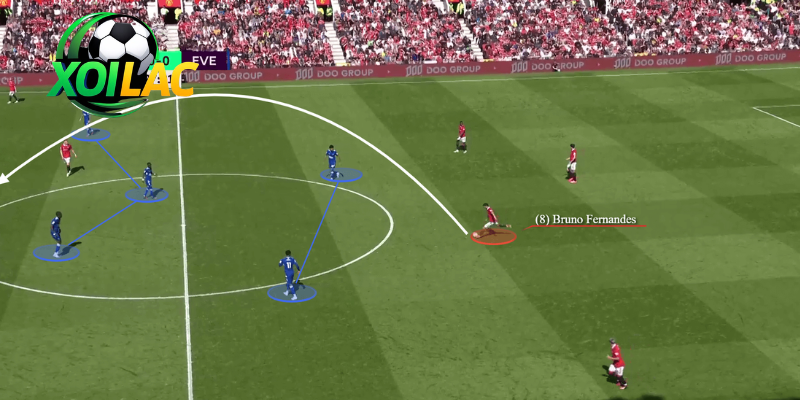
The ability to switch play across 40 to 60 meters is a hallmark of the position. By delivering diagonal balls to wide attackers, the playmaker forces the opposition’s defensive block to shift rapidly, creating gaps in the middle of the pitch. Elite players in this role average 8–12 successful long-range passes per game, serving as the "launchpad" for counter-attacks.
3. Spatial Control and Positioning
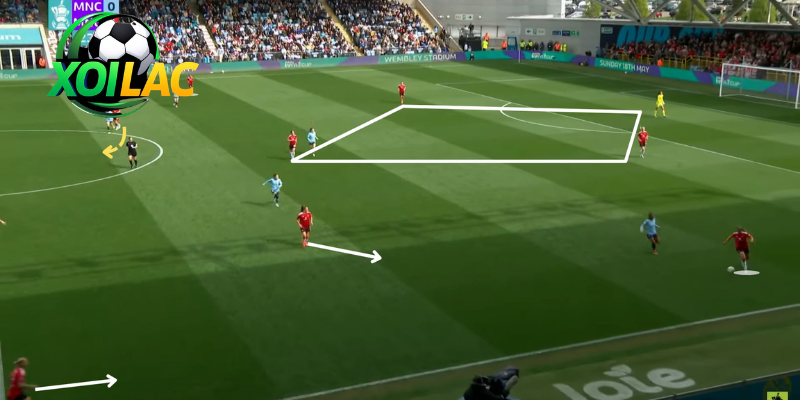
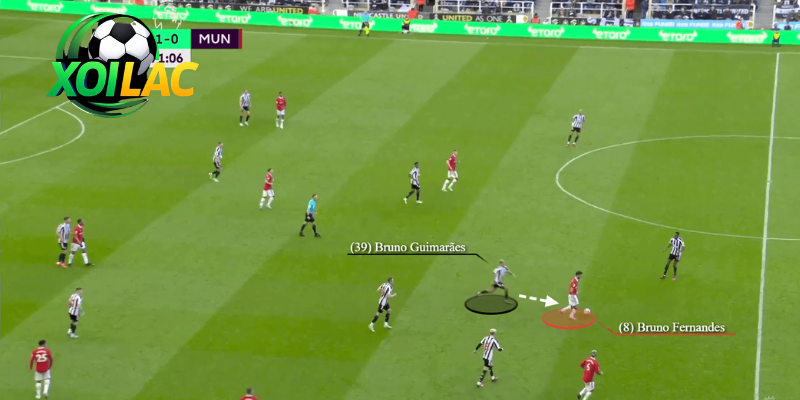
The playmaker’s greatest asset is their brain. They do not just wait for the ball; they move to create passing lanes. By dropping between the center-backs—a maneuver often called "splitting the center-backs"—they create a temporary back-three, which provides numerical superiority during the build-up phase and renders the opponent’s high press less effective.
Implications of the Role on Team Strategy
The presence of a deep-lying playmaker alters a team’s entire philosophy. It allows a squad to maintain possession under duress and provides a stable base that allows creative attacking players to take more risks in the final third.
Structural Balance
Because the regista is positioned deep, the entire team structure becomes more resilient. If a pass is intercepted, the playmaker is often already in a position to delay the opponent’s counter-attack, buying time for the defensive unit to reorganize. This provides a "safety net" that allows wing-backs and attacking midfielders to push higher up the pitch.
Breaking the "Press"
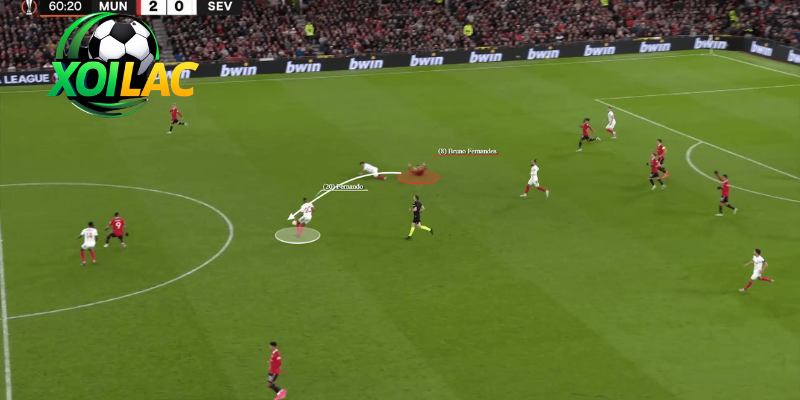
Modern football is defined by high-intensity pressing. A deep-lying playmaker serves as the antidote to this strategy. Their ability to make "one-touch" decisions under pressure allows the team to play through the press rather than resorting to long, hopeful balls. By constantly scanning the field, they identify the opposition’s weak point before the ball even arrives at their feet.
Limitations and Defensive Liabilities
Despite their brilliance, relying on a deep-lying playmaker carries inherent risks that coaches must manage.
The Defensive Trade-off
By nature, many registas are not physical giants or ferocious tacklers. When a team loses possession, the playmaker’s zone—the area in front of the center-backs—becomes a vulnerability. If the opponent targets this space with pace or physical strength, the team can be exposed. Consequently, coaches often pair the regista with a more physical, mobile "ball-winner" (a gattuso to their pirlo) to provide defensive cover.
Tactical Rigidity
If the opposition manages to man-mark the playmaker out of the game, the entire team’s build-up can collapse. This is why modern playmakers must be highly mobile. A player who is static is a liability. The evolution of the position now demands that the playmaker be capable of receiving the ball in tight spaces, turning, and finding an escape route, rather than relying on a fixed position.
The Future of the Position
As football continues to evolve, the deep-lying playmaker is becoming increasingly integrated into the defensive phase. We are seeing a move toward "total midfielders"—players who possess the vision of a playmaker but the stamina and defensive grit of a box-to-box midfielder.
The data provided by platforms like Xoilac consistently highlights that in high-stakes matches, the team that controls the midfield base often controls the outcome. As the game moves forward, the importance of the regista will not diminish; rather, it will demand even higher levels of athleticism and tactical versatility.
Conclusion
The deep-lying playmaker remains the most fascinating and critical component of a winning football team. They are the architects of the pitch, the individuals who transform chaotic defensive situations into controlled offensive movements. While the position requires a unique set of skills—ranging from elite technical passing to high-level cognitive processing—the impact of a truly great playmaker is immeasurable.
For those looking to deepen their understanding of how these tactical masterminds influence the beautiful game, keeping an eye on the technical analysis of midfield battles is essential. The regista is more than just a player; they are the logic of the team, the calm amidst the storm, and the silent hand that steers the destiny of the match.
For further insights into tactical setups, player performance, and the latest news in professional football, continue following our expert analyses and match breakdowns.