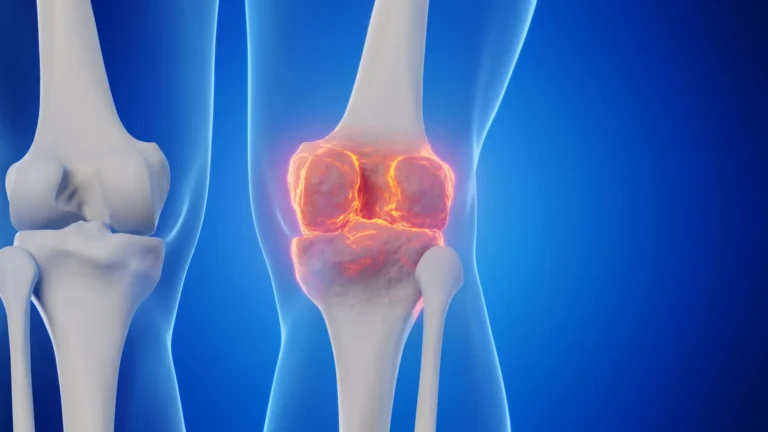












The health and wellness landscape is undergoing a tectonic shift. As machine learning, wearable sensors, and sophisticated data analytics become staples of the modern consumer experience, the fitness industry finds itself at a critical juncture. While technological integration has long been a hallmark of exercise science, the rapid emergence of generative artificial intelligence (AI) is forcing a re-evaluation of the relationship between human expertise and automated intelligence.
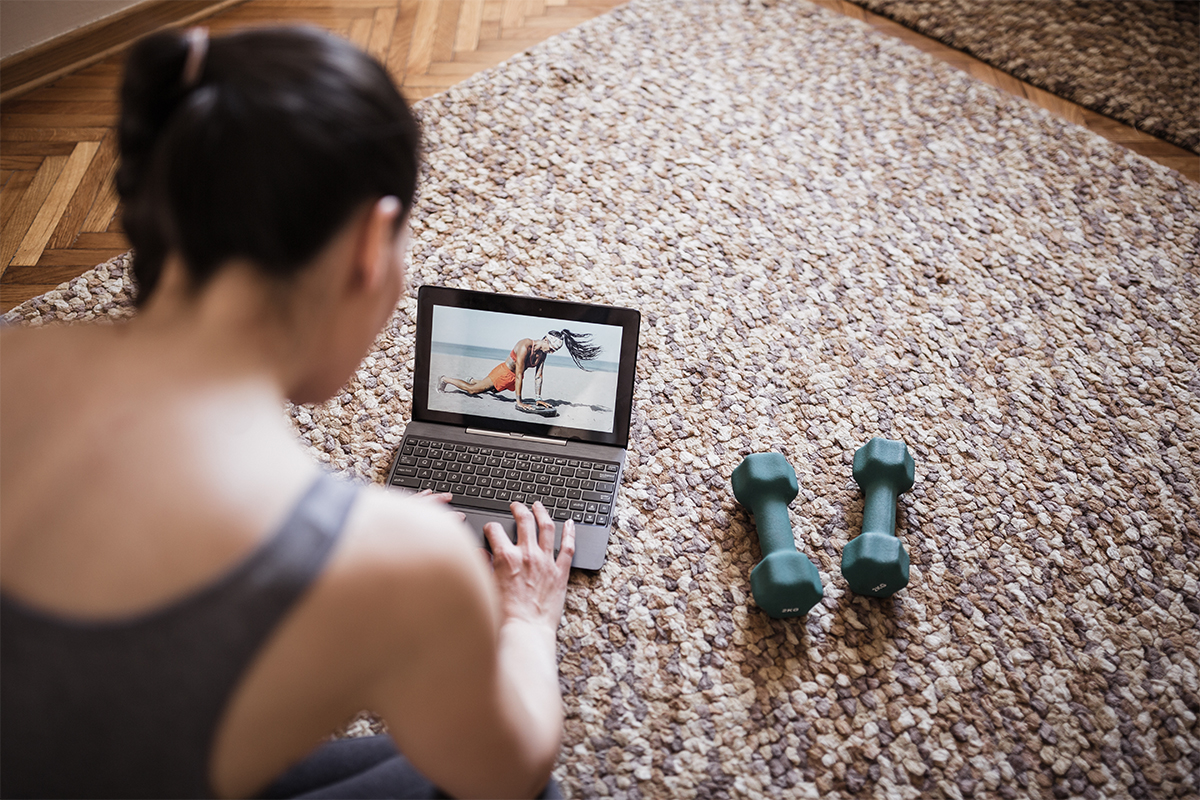
A recent comprehensive survey, conducted in early 2026, provides a rare, evidence-based look at how industry veterans—the personal trainers, group instructors, and coaches on the front lines—perceive this digital transformation. The findings reveal a workforce that is cautious, highly professional, and deeply invested in the human element of fitness, yet increasingly aware that the future of their industry will be defined by their ability to harmonize with AI.

Main Facts: The State of AI in Fitness
The core reality of the fitness industry today is one of "selective integration." While the average professional is highly comfortable with general digital tools—such as heart rate monitors and mobile activity apps—their engagement with true AI remains in its infancy.

According to the 2026 survey, which polled 74 highly experienced professionals (with two-thirds possessing over 15 years of industry experience), AI is not yet a cornerstone of daily operations. Instead, it is being utilized as a "force multiplier" for administrative tasks. Professionals are primarily leveraging AI to streamline program design, manage scheduling, and handle time-consuming operational duties. The most advanced applications, such as predictive performance modeling or virtual reality-based training, remain on the periphery, utilized by only a small fraction of the workforce.

A Chronology of Integration
The journey toward AI-assisted fitness began with the "Quantified Self" movement, fueled by the widespread adoption of wearable tech. Over the past decade, the industry has evolved through several distinct phases:

- The Monitoring Phase (2015–2019): This era was defined by the ubiquity of devices that tracked steps, sleep, and heart rate. These tools generated massive datasets but left the "interpretation" entirely to the user or their trainer.
- The Data-Driven Coaching Phase (2020–2023): As machine learning algorithms became more refined, platforms began offering automated insights, such as recovery scores and suggested training loads. This shifted the burden of analysis from manual calculation to software-aided synthesis.
- The Generative AI Transition (2024–Present): With the rise of large language models and advanced predictive systems, the industry is now in a phase where AI can draft personalized workouts, suggest nutritional adjustments based on biometric feedback, and even simulate client communication.
Supporting Data: The Voice of the Practitioner
The survey data paints a picture of a mature, educated, and tech-literate workforce. The demographics of the respondents—predominantly aged 45 and older, with high levels of academic attainment and professional certification—suggest that the industry is not being led by young "tech-first" disruptors, but rather by seasoned veterans who are cautiously evaluating the role of technology in their long-established practices.

Key Data Insights:
- Comfort vs. Familiarity: While 94.6% of respondents hold at least one professional certification (ACE, ACSM, NASM, AFAA), there is a distinct gap between being "tech-comfortable" and "AI-literate." Most respondents admit to being only slightly to moderately familiar with how AI systems function.
- Usage Patterns: About 50% of practitioners report that they rarely or never use AI tools in their daily work. When they do, it is almost exclusively for productivity-related tasks rather than direct client intervention.
- The "Human Connection" Imperative: When asked about the future, the vast majority of professionals rated "human interaction" as "very" or "extremely" important. This suggests that the industry views AI not as a replacement for the human coach, but as a subordinate tool that handles data while the professional handles the human psyche.
Official Perspectives and Ethical Considerations
The rapid growth of AI has brought the industry face-to-face with significant ethical dilemmas. As noted by experts like Dr. Jan Schroeder, a leader in kinesiology and a 2021 IDEA Leader of the Year, the primary responsibility of the fitness professional remains the safety and wellbeing of the client.

Concerns regarding data privacy, algorithmic bias, and the reliability of AI-generated advice have become central topics of debate. If an algorithm suggests a training intensity that leads to injury, who is liable? This question has pushed the industry to demand greater transparency in algorithm design and clear guidelines on "human-in-the-loop" protocols.

The consensus among professionals is that AI tools should function as decision-support systems. In this model, the AI performs the heavy lifting of data synthesis, while the human professional provides the contextual understanding—interpreting the "why" behind the data and offering the emotional support necessary for sustained behavior change.

Implications for the Future of Fitness
The findings of the 2026 survey suggest three major implications for the future of the health and fitness profession:

1. The Rise of the "Tech-Augmented" Professional
The industry is moving toward a model where the "generalist" trainer may struggle to compete. Instead, there will be an increasing demand for professionals who are "tech-savvy"—those who can effectively interpret AI-generated insights and translate them into actionable, safe, and personalized plans. Education and professional development programs will need to pivot to include data literacy and AI-integration modules.

2. A Shift in Value Proposition
As AI becomes better at the technical aspects of fitness—such as periodization and basic movement programming—the value of a human coach will shift further toward the "soft skills." Motivation, accountability, empathetic listening, and the ability to navigate the complex social and psychological hurdles of fitness will become the primary commodities of the fitness professional.

3. The Need for Industry-Wide Standards
There is a clear, urgent need for professional bodies to establish industry standards for AI use. This includes:

- Transparency: Clearly informing clients when and how AI is being used in their programming.
- Validation: Ensuring that the AI tools being utilized are backed by sound exercise science rather than mere marketing hype.
- Ethics: Protecting client data and ensuring that automated systems are not perpetuating biases.
Conclusion: A Supportive Partnership
The outlook for the fitness industry, as reflected in the collective experience of its practitioners, is one of cautious optimism. The industry is not facing a "robot takeover," but rather an evolution of the coaching craft.

As we look toward the latter half of the decade, the most successful professionals will likely be those who treat AI as an intern—a highly efficient, data-driven assistant that can handle the volume, while they remain the lead strategist and the primary source of human connection. The future of fitness is not about technology versus tradition; it is about the synthesis of both to create a more effective, personalized, and scalable approach to human health.

The path forward requires a commitment to lifelong learning, an adherence to ethical standards, and, most importantly, the recognition that while algorithms can calculate the optimal heart rate for a workout, they cannot provide the encouragement, the shared experience, or the genuine care that defines the true essence of a life-changing fitness coach.