








Published: September 25, 2026 | 07:00 AM
Choosing a yoga app in 2026 is an experience strikingly similar to walking into a high-end, brick-and-mortar studio for the first time. You are searching for a specific frequency—a blend of teaching styles that resonate with your personal philosophy, classes that accommodate your physical needs, and an atmosphere that fosters genuine growth. However, in the modern era, that studio has shrunk to fit inside your pocket.
As the digital wellness market reaches a fever pitch, the convenience of the “at-home practice” has become a cornerstone of the modern fitness landscape. With dozens of platforms boasting over one million downloads, the barrier to entry for a sustainable, consistent yoga practice has never been lower. Yet, the proliferation of choice has created a new dilemma: how does one discern quality in an oversaturated market?
Our team of Yoga Journal editors recently concluded an extensive deep-dive into the five most popular yoga applications of 2026. We tested interfaces, instructor authenticity, and the efficacy of algorithmic versus human-led programming. The verdict? While technology continues to streamline our lives, the most successful platforms are those that prioritize human connection, clarity, and holistic cohesion.
The Landscape: A Chronology of Digital Yoga
The evolution of yoga apps has moved in three distinct phases over the last decade. In the mid-2010s, the market was dominated by simple, static video libraries. By 2020, the “YouTube era” took over, with creators like Adriene Mishler building massive, community-driven followings.
Today, in 2026, we have entered the "Integration Era." Apps are no longer just for yoga; they are comprehensive wellness ecosystems featuring Pilates, high-intensity interval training (HIIT), mindfulness meditation, and sound healing. As the technology has become more sophisticated, so has the user demand for hyper-personalized content, leading to the rise of AI-driven sequencing and data-heavy performance tracking.
Data-Driven Wellness: The Top 5 Contenders
Our testing protocol focused on navigation, instructor quality, and the "human factor." Here is how the market leaders stacked up.
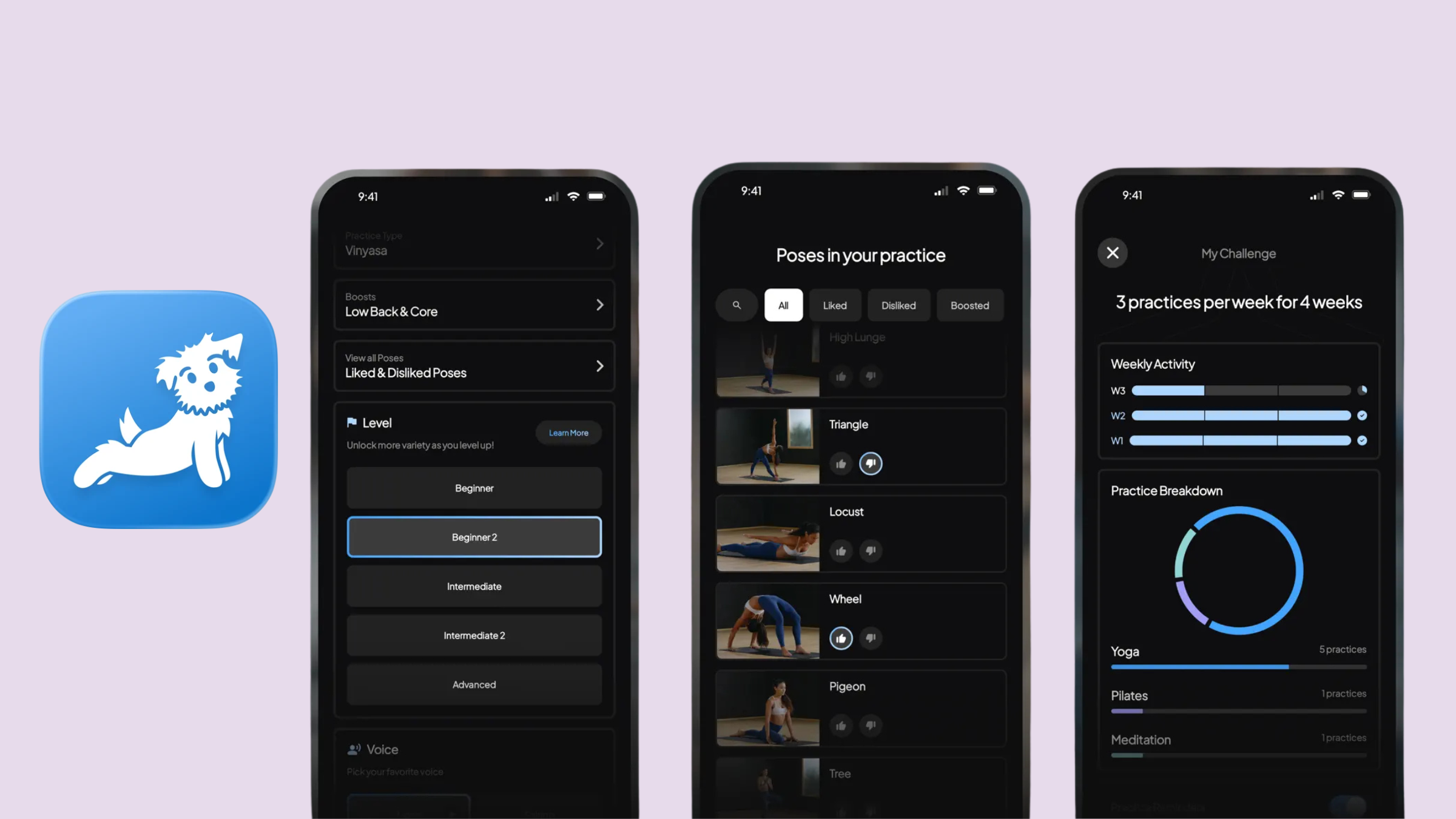
1. Down Dog: The Algorithmic Standard
- Cost: $9.99/month or $59.99/year
- The Experience: Down Dog is the undisputed king of the algorithm. It eschews static video libraries for dynamic, on-demand flows generated in real-time based on your specific needs—be it "restorative," "full practice," or "quick flow."
Editorial Analysis: We approached the AI-driven nature of Down Dog with skepticism, fearing it would feel sterile. Surprisingly, the sequencing was seamless, with transitions that felt intuitive and cues that matched the movement with uncanny precision. However, the limitation is inherent: the "robotic" nature of the audio cues lacks the nuance of a living teacher. There are no tangents on yogic philosophy, no personal anecdotes, and no corrections to one’s internal state. It is highly efficient, but it lacks a soul.
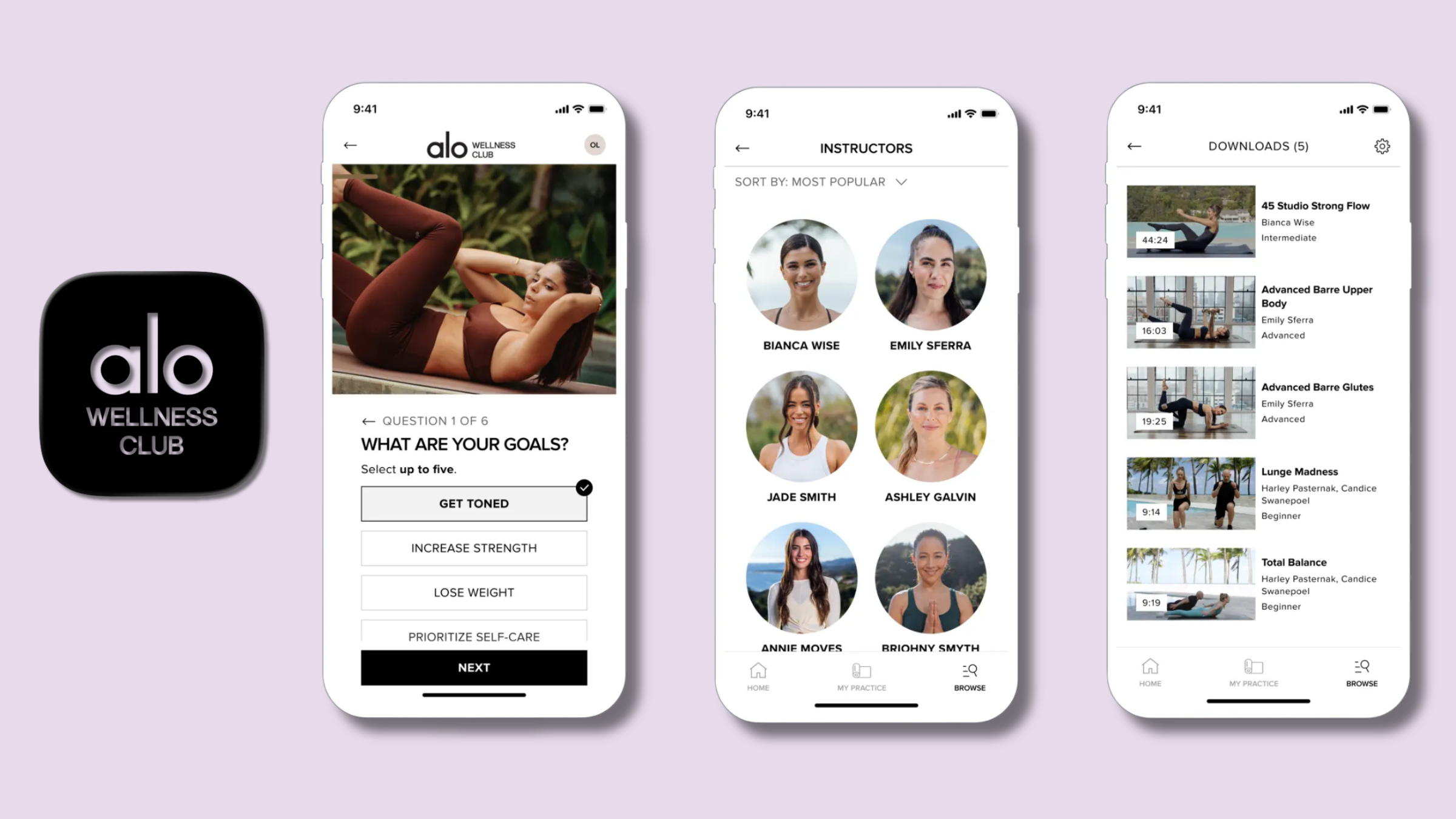
2. Alo Wellness Club: The Aesthetic Powerhouse
- Cost: Free (with Alo Access sign-up)
- The Experience: If yoga were a fashion show, Alo would win the gold medal. The app is a masterclass in brand cohesion, utilizing high-definition cinematography that turns a simple morning stretch into a cinematic event.
Editorial Analysis: Navigation is remarkably fluid, making it the most user-friendly interface we tested. With over 300 programs, the depth of content is vast. However, our testers noted a glaring lack of body diversity. In a field of over 100 instructors, the lack of representation for larger-bodied individuals was stark, potentially alienating a segment of the population that yoga is meant to serve.
3. Glo: The Educator’s Choice
- Cost: $30/month or $245/year
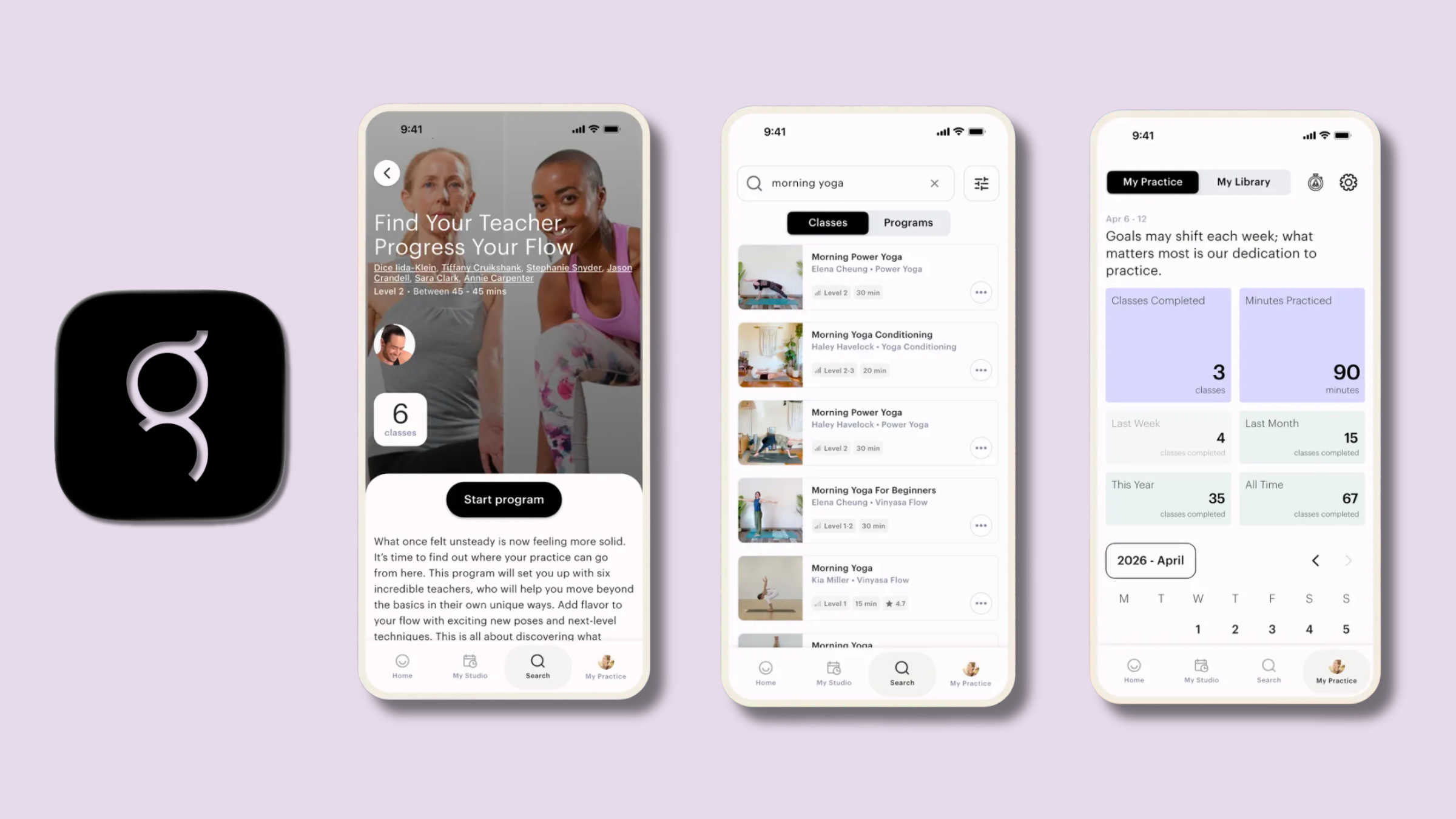
- The Experience: Glo positions itself as the "serious" student’s app. It goes beyond the physical asana to offer an "Education" tab, which houses deep dives into philosophy, teaching methodologies, and anatomy.
Editorial Analysis: Glo succeeds because it respects the practitioner’s intelligence. The "at-a-glance" feature—a set of icons identifying props, intensity, and duration—is a gold standard for UX design. While it is the most expensive option on our list, the inclusion of occasional live classes provides a level of accountability and community that justifies the premium price point.
4. Daily Yoga: The Pitfalls of Gamification
- Cost: $19.99/month or $69.99/year
- The Experience: Daily Yoga aims to be a comprehensive fitness tracker, but it suffers from severe identity issues.
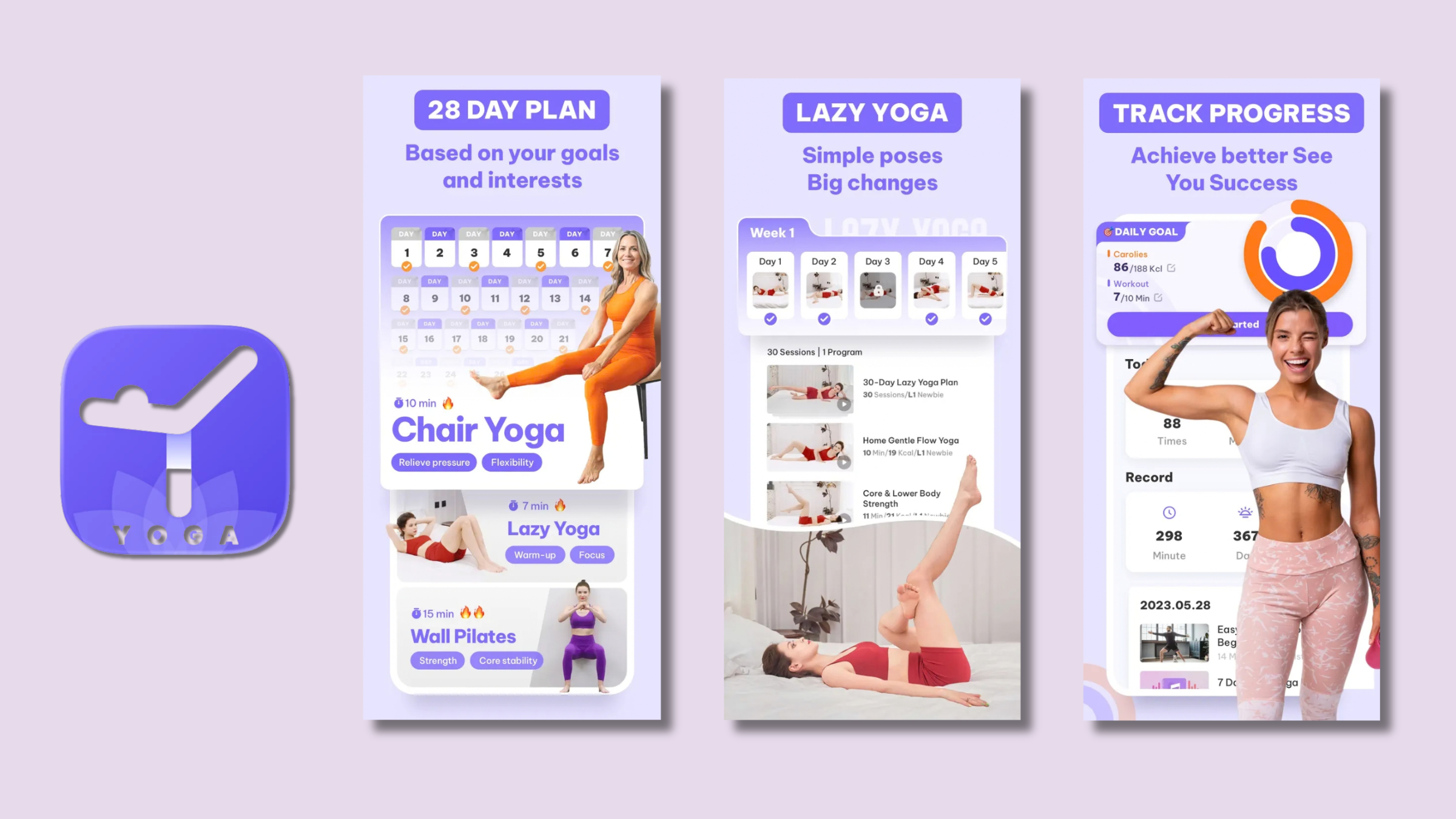
Editorial Analysis: During our trial, the app’s onboarding process was alarming. It immediately pushed weight-loss metrics, body-fat sliders, and calorie-counting goals before we were even allowed to view a yoga class. This hyper-focus on body image is, for many, antithetical to the meditative roots of the practice. The interface is cluttered with "leveling up" pop-ups that feel more like a mobile video game than a spiritual discipline. For those seeking a weight-loss tool, it may suffice; for those seeking yoga, it is a frustrating hurdle.
5. Find What Feels Good (FWFG): The Community Hub
- Cost: $15/month or $150/year
- The Experience: Adriene Mishler has essentially built a global village via the screen. FWFG is the digital home for her massive YouTube following, offering an ad-free, high-quality experience.
Editorial Analysis: The strength of FWFG lies in its "Community" tab. Through monthly check-ins, book clubs, and shared challenges, the app creates a sense of belonging. It is not necessarily the most "feature-rich" in terms of raw technical data, but it is the most emotionally resonant. It is the best choice for practitioners who want to feel like they are part of a lineage rather than just a customer.
Official Responses and Industry Implications
We reached out to the development teams behind these platforms for comment regarding the trend toward AI-generated content. A representative for Down Dog noted: "Our goal is to democratize access to high-quality sequencing. AI allows a user in a remote area to have the same quality of movement flow as someone in a premium Los Angeles studio."
Conversely, the team at Glo emphasized the human element: "The future of yoga is not just movement; it is context. We believe that by providing educational depth, we are helping users understand the ‘why’ behind the ‘what,’ which prevents burnout and encourages a lifelong practice."
Implications for the Future
The divide in the 2026 market is clear: platforms are splitting into "Utility-First" (Down Dog) and "Community-First" (FWFG/Glo). The implications for the future of the industry are profound. As AI becomes more advanced, it is likely that we will see "Synthetic Teachers" capable of mimicking the nuance of a human voice, potentially blurring the lines between algorithm and instructor.
However, our research indicates that the "Human Touch" remains the most valuable commodity. While we appreciate the convenience of an app that generates a flow based on our tight hamstrings, we find ourselves returning to apps that remind us to breathe, to be present, and to embrace the messiness of being human.
Conclusion: Which App is for You?
The best yoga app of 2026 is not necessarily the one with the most downloads or the most aggressive marketing—it is the one that fits your specific stage of life.
- For the busy minimalist: Down Dog offers the most efficiency.
- For the aesthetic-driven practitioner: Alo Wellness Club provides the most beautiful environment.
- For the student of yoga: Glo is the most intellectually satisfying.
- For the community seeker: Find What Feels Good is the clear winner.
- For those seeking a body-neutral experience: We suggest avoiding Daily Yoga until they pivot away from their current weight-focused metrics.
As you explore these digital studios, remember that the app is merely a tool. The practice—the real work of yoga—is not happening in the software or the algorithm; it is happening on the mat, within you. Choose the app that supports that reality, not one that distracts from it.