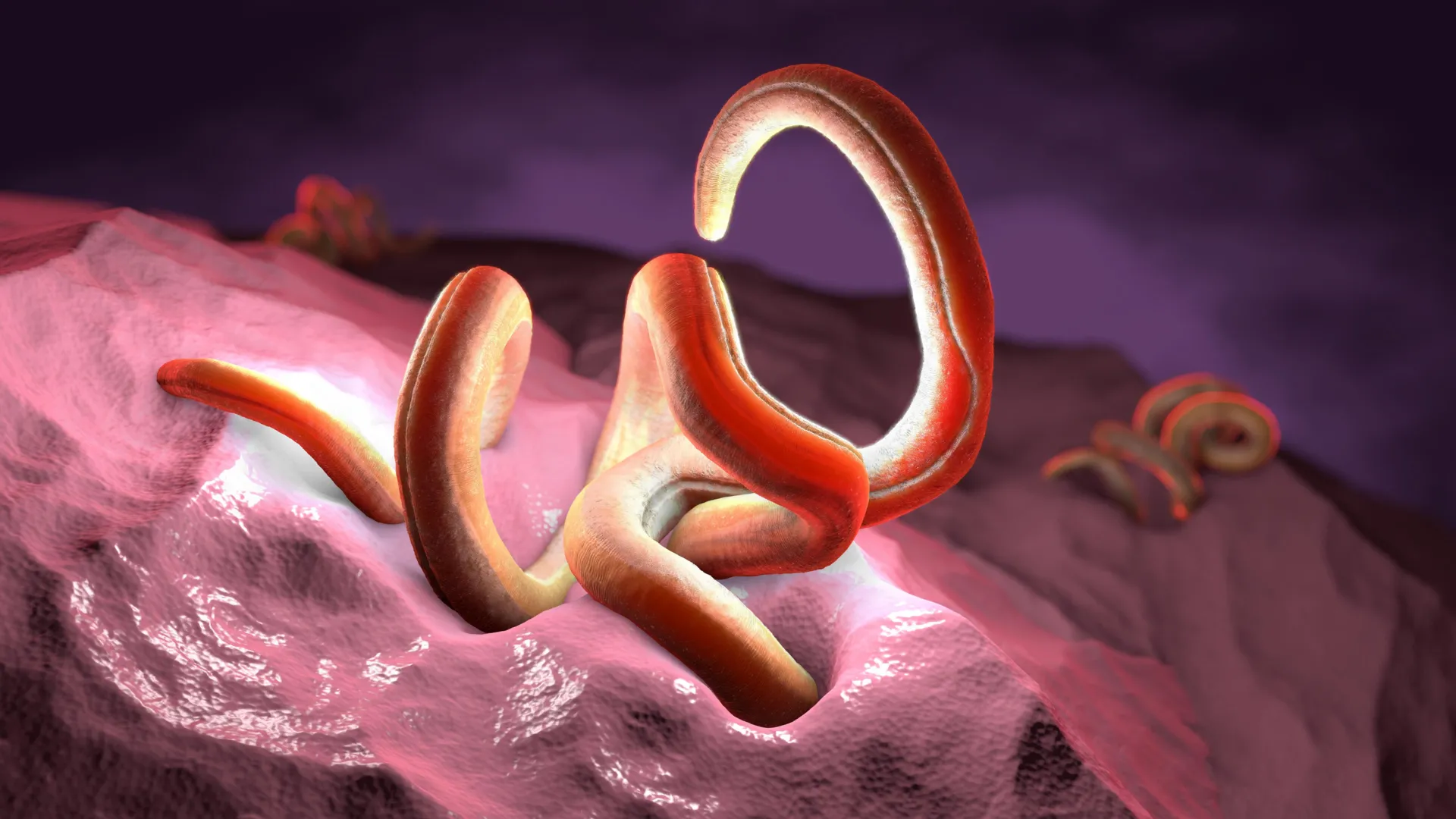
For the vast majority of human evolution, the human gut was a bustling, crowded ecosystem. Our ancestors lived in constant, intimate contact with a diverse array of intestinal helminths—parasitic worms that, while often viewed today as purely deleterious, appear to have been an omnipresent feature of the internal human environment. However, the advent of modern sanitation, advanced hygiene, and aggressive medicine in industrialized nations has effectively eradicated these organisms from the Western gut.
Coincidentally, the decline of these ancient commensals has mirrored a meteoric rise in autoimmune disorders, inflammatory bowel diseases (IBD), and metabolic syndromes. This "hygiene hypothesis" prompted scientists two decades ago to propose a radical idea: could reintroducing certain intestinal worms, a practice known as helminth therapy, actually calibrate our overactive immune systems?
While early trials showed promise, the results remained frustratingly inconsistent. Why would a therapy work in one patient and fail in another? A groundbreaking new study published in Nature Communications by parasitologists at the Biology Centre of the Czech Academy of Sciences (CAS) suggests the answer has been hidden in our dinner plates all along. The study posits that intestinal worms are not autonomous healers; they require a specific environmental catalyst—dietary fiber—to thrive and perform their anti-inflammatory functions. Without it, these organisms lapse into a dormant, ineffective state.
The Chronology of a Medical Mystery
The Rise of the Hygiene Hypothesis
In the late 20th century, epidemiologists noticed a striking inverse correlation: as infectious diseases plummeted in developed nations, the prevalence of immune-mediated conditions like Crohn’s disease, ulcerative colitis, and asthma surged. Researchers began to argue that the human immune system, deprived of its ancestral "training partners"—the helminths—had begun to misfire, attacking the body’s own tissues.
The Era of Helminth Therapy
By the early 2000s, clinical research into helminth therapy began in earnest. Scientists utilized non-pathogenic species, such as Hymenolepis diminuta (the rat tapeworm) and Trichuris suis (the pig whipworm), to treat patients with autoimmune conditions. The rationale was that these worms produce molecules that modulate the host’s immune response, effectively "dampening" systemic inflammation. However, the clinical data was erratic. Some patients saw remission of their symptoms, while others saw no improvement, leaving the medical community divided on the therapy’s viability.
The Czech Breakthrough
Recognizing the inconsistency in global findings, Kateřina Jirků and her colleagues at the Institute of Parasitology at the Biology Centre CAS shifted their focus from the worms themselves to the "gut landscape" they inhabit. Their hypothesis was that the nutritional status of the host—specifically the intake of complex structural fibers—dictated the efficacy of the parasite. Over several years of controlled laboratory experiments, the team systematically mapped how fiber levels dictate the metabolic and immunological state of the parasite.
Supporting Data: Fiber as a Biological Switch
To isolate the role of fiber, the research team utilized Hymenolepis diminuta as their primary model organism. This tapeworm is highly valued in parasitology because it is non-pathogenic in humans and naturally modulates the immune system to ensure its own survival.
The "Hibernation" Effect
The experimental findings revealed a stark binary in the behavior of the tapeworms:
- The Fiber-Rich State: In hosts fed a high-fiber diet, the tapeworms were vibrant and mature. Genetic expression analysis showed that the worms were metabolically active, producing the specific metabolites that trigger the host’s anti-inflammatory pathways.
- The Fiber-Poor State: When the host consumed a low-fiber, "Western-style" diet, the tapeworms entered an energy-saving state. This state closely resembles mammalian hibernation. They were observed to be several times smaller, failed to reach sexual maturity, and were completely unable to produce eggs.
"When fiber is lacking, the worm enters an energy-saving state… and its anti-inflammatory effect disappears," says Jirků. The implications were clear: the worm’s ability to act as an immune modulator is entirely dependent on its own nutritional health. If the worm is "starving" due to a lack of host dietary fiber, it simply does not have the metabolic resources to produce the signaling molecules that reduce inflammation.
Official Responses and Scientific Context
The scientific community has lauded the study for its integrative approach to host-parasite biology. By bridging the gap between nutritional science and parasitology, the Czech team has provided a logical explanation for the historical failures of helminth therapy.
"This is a fundamental shift in how we view the gut ecosystem," noted an independent observer familiar with the study. "We have spent decades looking at the immune system and the parasite as two separate entities. This research shows they are parts of a three-way interaction: Diet, Microbiome, and Parasite."
The researchers emphasize that the fiber doesn’t just feed the worm directly; it fundamentally reshapes the host’s gut microbiome. High-fiber diets promote the proliferation of beneficial bacteria—such as those that produce short-chain fatty acids (SCFAs)—which in turn create a symbiotic environment that supports the worm. Conversely, a low-fiber diet fosters an environment of dysbiosis, where the microbiome is depleted of diversity, further hindering the worm’s survival.
Implications: The Western Health Crisis
The findings of the Biology Centre CAS team carry profound implications for the modern Western health crisis. The discrepancy between current intake and biological need is staggering.
The Fiber Gap
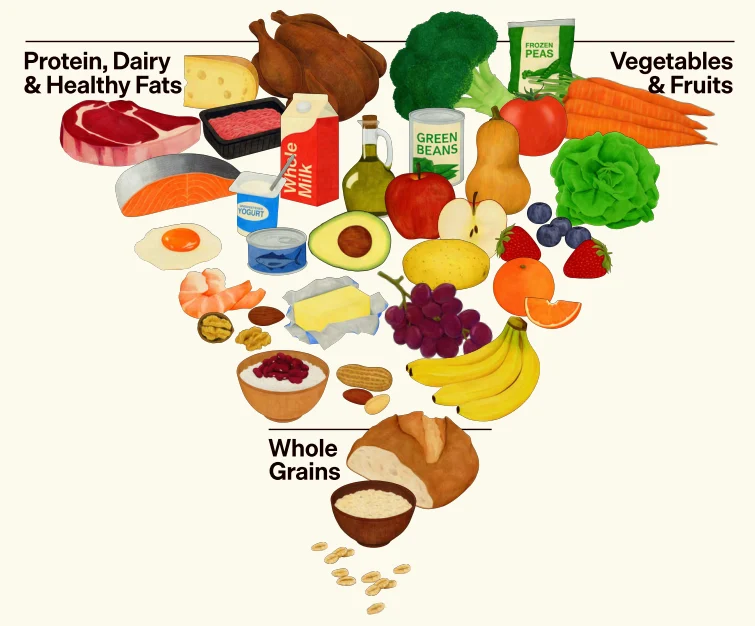
Health organizations typically recommend a daily intake of 25 to 30 grams of fiber. However, in many industrialized nations, the average intake frequently falls below 15 grams. In stark contrast, traditional, non-industrialized populations—who largely remain free of many modern inflammatory diseases—consume between 80 and 120 grams of fiber per day.
Broader Health Consequences
The study underscores that the consequences of low fiber intake extend far beyond the presence or absence of parasites. The research team points to a growing body of literature linking low-fiber diets to a weakened gut microbiome. This microbial depletion has been associated with:
- Metabolic Dysfunction: An inability to regulate blood sugar and lipids effectively.
- Neurological Decline: Emerging evidence suggests that the gut-brain axis is heavily influenced by microbial diversity. Low-fiber intake has been correlated with higher risks of depression, anxiety, and even neurodegenerative conditions such as Alzheimer’s disease.
- Immune Overdrive: Without the regulatory presence of commensal-microbial-parasitic interactions, the human immune system loses its "brakes," potentially leading to the rise in chronic allergies and autoimmune diseases.
The Future of Therapy
Could this discovery lead to a new generation of "Precision Helminth Therapy"? Instead of simply introducing worms into a patient, future treatments might involve a "pre-conditioning" phase, where the patient is placed on a high-fiber, microbiome-supporting diet to ensure the therapeutic organisms can actually function.
Furthermore, the study raises the possibility that we don’t necessarily need the worms themselves. If researchers can isolate the exact anti-inflammatory metabolites produced by Hymenolepis diminuta when it is fed a high-fiber diet, they might be able to create synthetic versions of these molecules. This would allow patients to reap the benefits of the "worm effect" without the need for actual infection.
Conclusion: A Call for Dietary Reform
The research from the Biology Centre of the Czech Academy of Sciences serves as a sobering reminder of the consequences of our dietary choices. For millions of years, the human body evolved to process high volumes of fiber, and our internal biology—including our symbiotic relationship with parasites—is calibrated to that reality.
In our rush to eliminate the "dangers" of the natural world through sterile environments and processed, low-fiber foods, we have inadvertently dismantled the regulatory systems that kept our immune responses in check. Whether or not helminth therapy becomes a standard medical practice, the message is clear: the modern Western diet is not only failing to feed our bodies, but it is also starving the vital ecosystems that maintain our long-term health.
As we look toward the future of medicine, the answer to complex inflammatory diseases may not be found in a new, high-cost pharmaceutical, but rather in a return to the dietary patterns that once sustained our ancestors. The fiber-parasite paradox reminds us that we are not solitary individuals, but complex, interconnected biological landscapes—and when we starve the landscape, we ultimately starve ourselves.