Reviewed by Brian St. Pierre, MS, RD, and Helen Kollias, PhD
It starts as a subtle erosion of the self. A word hangs on the tip of your tongue, refusing to materialize. A simple decision—where to eat dinner—becomes an insurmountable cognitive hurdle. You stare at your computer screen, your cursor blinking rhythmically, while your thoughts feel as though they are trapped beneath a dense, impenetrable layer of sludge.
For many women in their late 40s and early 50s, this is not just "getting older." It is a profound, debilitating brain fog that can mimic clinical depression, burnout, or cognitive decline. Yet, as one woman discovered after two years of chasing misdiagnoses, the culprit was not a mental health crisis, but a physiological transition: menopause.
The Chronology of a Misdiagnosis
For the author of this experience, the decline was gradual but absolute. It began with the "sludginess" of recalling proper nouns—the names of restaurants, colleagues, or film titles. Soon, the haze migrated into the workday. Tasks that once required minimal effort now felt like wading through deep water.
A Revolving Door of Medicine
The pursuit of answers led to a frustrating medical odyssey. Three separate healthcare professionals suggested antidepressants. Each trial resulted in failure: one left the patient feeling like a "zombie," while others offered no relief from the persistent mental exhaustion. Sleep aids were prescribed, yet they only deepened the sensation of being drugged. Thyroid panels and anemia tests returned normal, leading to a desperate search for answers in the supplement aisle, where "brain-boosting" mushroom coffees and nootropics failed to clear the haze.
The breakthrough occurred not during a mental health check-in, but during a routine gynecological exam. When the patient mentioned vaginal dryness, the physician pivoted, asking a series of holistic questions about energy, mood, and cognitive clarity. By the end of that single appointment, the realization was stark: the patient had been suffering from the systemic effects of menopause, not depression. A prescription for estradiol and progesterone acted like a master key, unlocking the mental clarity that had been missing for years.
Understanding the Menopausal Transition
Menopause is not a disease; it is a life stage. It is defined as the point at which a woman has gone 12 consecutive months without a period, marking the transition to the postmenopausal phase. During the lead-up, known as perimenopause, the body experiences a volatile fluctuation and decline in hormone levels.
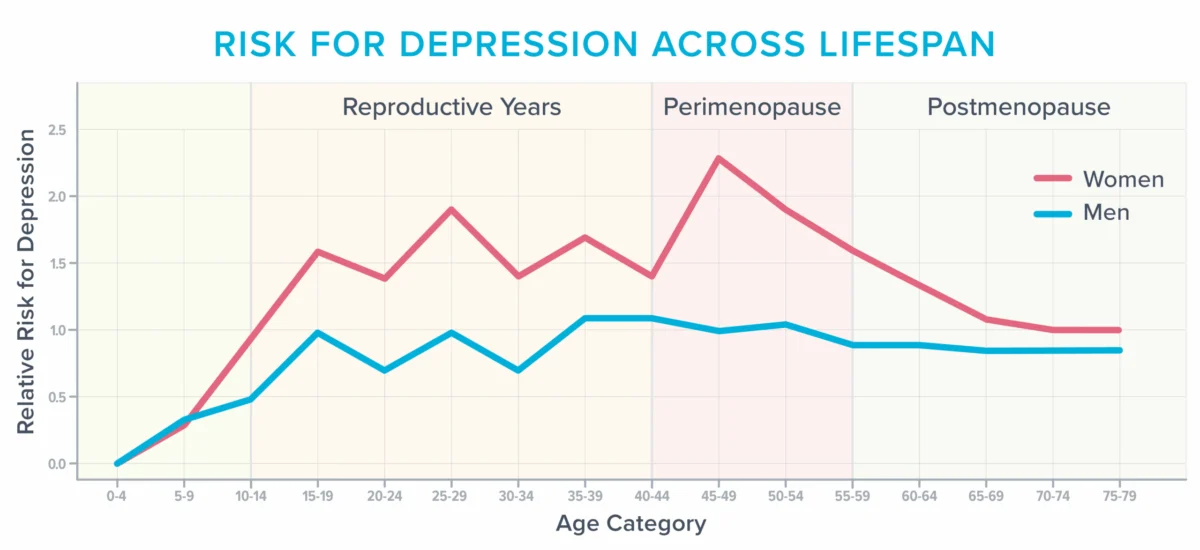
While popular discourse focuses on weight gain and libido, the internal experience is often one of psychological vulnerability. According to the American College of Obstetricians and Gynecologists, roughly 40 percent of women report increased irritability, anxiety, and profound fatigue during this transition. Research indicates that this period represents a peak risk for the onset of depression, particularly in women with a history of mood disorders.
The Anatomy of the Hot Flash: More Than Just Heat
The "brain fog" often blamed on stress or aging has a more physiological driver: the vasomotor symptom, commonly known as the hot flash.
A hot flash is not a benign event. It is a surge of norepinephrine and cortisol that triggers blood vessel dilation, elevated heart rate, and fluctuations in blood pressure. Scientists believe these events are caused by the hypothalamus—the brain’s internal thermostat—becoming "wonky" due to the loss of estrogen.

The Neurological Implications
Recent data suggests that frequent hot flashes are linked to structural changes in the brain. In studies involving MRI imaging, researchers identified an increase in "white matter intensities"—patchy lesions that are often associated with future cognitive decline and a higher risk of stroke or dementia. Furthermore, frequent hot flashes have been correlated with decreased blood vessel elasticity, suggesting that the cardiovascular impact of menopause extends directly into the brain’s vascular health.
The Sleep-Brain Axis
The disruption caused by night sweats is frequently misunderstood. Women may wake up feeling "off" without remembering the heat that triggered the arousal. These micro-awakenings prevent the brain from consolidating memories, metabolizing toxins, and maintaining the connectivity of the hippocampus. This, in turn, keeps the amygdala—the brain’s emotional center—in a state of hyper-reactivity, explaining the sudden surges of rage, anxiety, and "fight-or-flight" responses reported by many menopausal women.
The Challenge of Clinical Advocacy
Why does it take so long to get a diagnosis? The issue is twofold: systemic diagnostic overlap and a lack of clinical training.
Diagnostic Overlap
Healthcare professionals often use the PHQ-9 (Patient Health Questionnaire) to screen for depression. However, four of the nine symptoms on this scale—fatigue, sleep disturbance, concentration issues, and psychomotor changes—are also hallmark symptoms of menopausal hormone withdrawal. A woman battling menopause-induced insomnia may be incorrectly categorized as clinically depressed simply because her symptoms match the checklist.
The "Defensive Medicine" Trap
Surveys show that 80 percent of medical residents feel ill-equipped to discuss menopause, with few receiving formal training in the field. This knowledge gap often leads to "defensive medicine." When faced with a patient suffering from menopausal symptoms, doctors may shy away from hormone therapy (MHT) due to outdated fears regarding breast cancer and stroke risk—fears rooted in studies from the early 2000s that have since been clarified by more nuanced, modern research.
For women under 60 who are within 10 years of the onset of menopause, current expert consensus suggests that the benefits of hormone therapy—including protection against osteoporosis and potentially Alzheimer’s—far outweigh the risks.
Strategies for Empowerment and Health
For those currently navigating this transition, advocacy and lifestyle modification are essential tools for regaining control.
Advocating for Care
- Seek Specialized Support: Utilize databases like those from the Menopause Society to find practitioners with specific training in the field.
- Document Data: Use apps or journals to track sleep quality, the frequency of vasomotor symptoms, and emotional fluctuations. This objective data prevents "foggy" memory from undermining your ability to articulate your needs during a brief appointment.
- Shared Decision-Making: Initiate a dialogue with your physician about the pros and cons of hormone therapy. Ask: "What does the latest research say about my specific risk profile?"
Lifestyle Adjustments
While there is no "magic diet," the following strategies can help support the brain during the transition:
- Fundamental Health: Prioritize sleep hygiene, social connection, and consistent stress management.
- Creatine Supplementation: Research suggests that 5 to 7 grams of creatine monohydrate daily may help blunt the negative effects of sleep deprivation on mood and mental fatigue.
- Light Exposure: Consistent exposure to morning sunlight helps regulate the circadian rhythm, improving sleep quality and daytime alertness.
- Modify Intensity: If the body is exhausted, high-intensity exercise can be counterproductive. Balance vigorous sessions with Zone 2 cardio or restorative movement like yoga.
- Cognitive Behavioral Therapy for Insomnia (CBT-I): This evidence-based approach is the gold standard for treating the sleep fragmentation that accompanies hot flashes.
- Circulation-Focused Nutrition: Adopting MIND or Mediterranean dietary patterns—rich in nitrates from beets and dark, leafy greens—can help support healthy blood flow to the brain.
The Hidden Opportunity
While the physical and cognitive toll of menopause is undeniable, many women find that the process acts as a forced, yet necessary, audit of their lives. The inability to "do it all" allows for a radical re-evaluation of priorities. By shedding unnecessary obligations, many women discover that they are not losing their edge, but rather refining their focus.
Menopause, in this light, is not the end of a career or a vibrant life—it is a transition into a period where the capacity for "yes" is reserved only for what truly matters. As the brain fog lifts, the clarity that remains is often sharper, more intentional, and more powerful than before.