









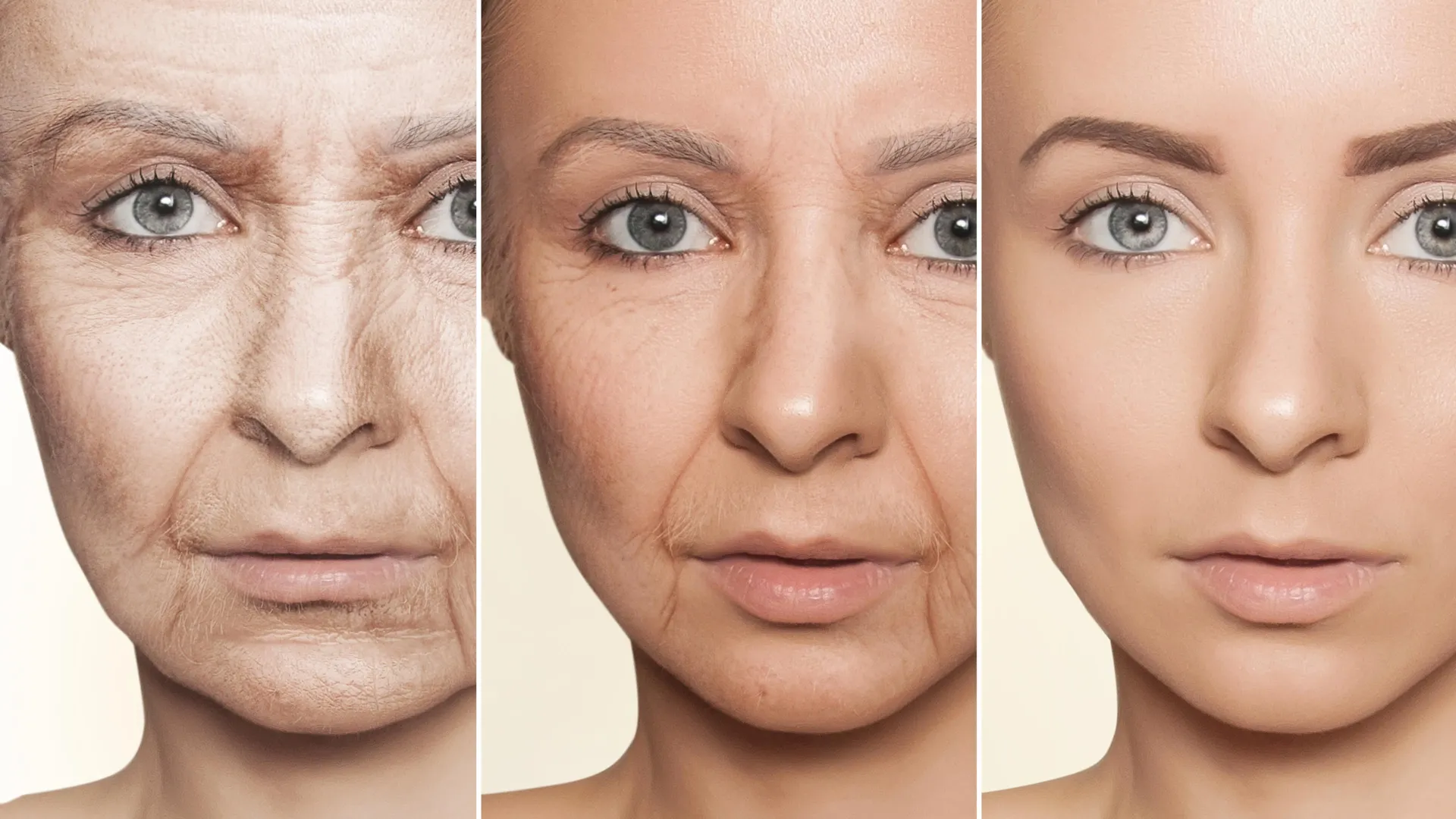
For as long as humanity has pondered its own mortality, we have sought to turn back the biological clock. While the external markers of aging—the graying of hair, the thinning of skin, and the deepening of wrinkles—are visible to the eye, the true battle of senescence takes place within the silent, complex architecture of the brain. Now, a groundbreaking collaborative study involving researchers from Xi’an Jiaotong-Liverpool University, Stanford University, Shanghai Jiao Tong University, and the University of Chinese Academy of Sciences has unveiled a promising new frontier in anti-aging science, hidden in an unlikely place: the humble sea squirt.
The research, which centers on the therapeutic potential of plasmalogens—lipids abundant in marine animals—suggests that we may be closer than ever to understanding how to not only slow the progression of cognitive decay but potentially reverse it.
The Science of Senescence: A New Target
Aging is characterized by a systemic decline in physiological function, but it is the cognitive toll that remains the most daunting challenge for modern medicine. As we age, our cells undergo a slow degradation, losing their structural integrity and their ability to communicate effectively. Central to this process are plasmalogens, a unique class of phospholipids that serve as essential components of cell membranes throughout the human body.
These molecules are particularly concentrated in the brain, heart, and immune cells, acting as vital sentinels that protect our cells from oxidative stress. However, as the body ages, the production and maintenance of these lipids naturally decline. This depletion has been identified as a recurring biomarker in the brains of patients suffering from neurodegenerative conditions, most notably Alzheimer’s and Parkinson’s diseases. The scientific community has long hypothesized that if these lipids could be replenished, the structural integrity of the brain might be preserved.
An Unlikely Source: The Sea Squirt
The discovery of a potential solution took the researchers to the ocean. Sea squirts, or Ascidiacea, are marine filter feeders that have been a culinary staple in parts of Asia for centuries. Known as meongge in Korea and hoya in Japan, these marine organisms are often consumed raw, prized for their unique texture and briny flavor. Beyond their role in regional diets, sea squirts are a rich natural reservoir of plasmalogens.
By isolating these compounds, researchers were able to create a dietary supplement that could be tested in a controlled laboratory setting. The aim was to see if the oral administration of these marine lipids could bridge the gap between systemic deficiency and cognitive impairment in aging organisms.
Chronology of a Breakthrough
The study followed a rigorous, multi-stage protocol designed to observe both behavioral and physiological changes in mice that had reached an advanced age.
- Baseline Assessments: The researchers began by identifying a group of aged mice, establishing their baseline cognitive function and physical condition.
- The Supplementation Phase: For a set period, the test group received dietary plasmalogen supplements, while a control group was maintained on a standard diet.
- Behavioral Testing: The scientists utilized the Morris water maze—a gold-standard test for spatial learning and memory. Mice were placed in a water tank with a hidden, submerged platform. Younger mice, possessing full cognitive faculties, typically learn the location of the platform within a few days. Older, untreated mice struggle to map the space, often failing to locate the platform efficiently.
- Physiological Analysis: Following the training period, the researchers conducted a post-mortem analysis of the mice’s brain tissues, focusing on synaptic density and markers of inflammation.
Supporting Data: Synaptic Renewal and Cognitive Recovery
The findings, published in the wake of these experiments, were described by the researchers as "striking." In the Morris water maze, the aged mice treated with plasmalogens performed with the speed and accuracy typically associated with much younger animals. By the end of the five-day training period, the treated group reached the hidden platform significantly faster than their untreated counterparts.
However, the improvements were not merely behavioral. When the researchers examined the brains of the treated mice, they discovered a physical rejuvenation of the neural architecture. The treated brains showed a higher density of synapses—the critical junctions that allow nerve cells to transmit signals.
"Our research suggests that plasmalogens may not just stop cognitive decline, but may reverse cognitive impairments in the aging brain," explained Professor Lei Fu, the corresponding author of the study. Beyond the brain, the physical manifestations of the treatment were equally notable; the aged mice receiving the supplements developed new, thicker, and glossier black hair, a sign of improved systemic health that mirrors the reversal of age-related biomarkers.
Official Responses and Mechanisms
Professor Fu and his colleagues have proposed several mechanisms to explain these results. First, the increase in synaptic density suggests that plasmalogens act as a catalyst for neuroregeneration—the process by which the brain repairs and renews its neural circuits.
"We found that plasmalogens significantly increase the number of molecules that aid the growth and development of neurons and synapses," Fu stated. "There is also an increasing body of evidence that plasmalogens directly affect the structural properties of synapses, increasing the fluidity and flexibility of synaptic membranes, which is essential for signal transmission."
Furthermore, the team observed a significant reduction in neuroinflammation. Chronic inflammation in the brain is a hallmark of the aging process, often leading to the damage of nerve cells. By lowering this inflammatory response, the plasmalogens appear to create a more hospitable environment for neurons to thrive.
Professor Fu also highlighted the "gut-brain axis" as a potential pathway. Emerging research suggests that the microbiome in our digestive tract communicates directly with the brain. It is possible that the dietary plasmalogens alter the gut’s microbial community, which in turn influences systemic health and neuroprotection. This two-way communication channel may be a key piece of the puzzle in how a simple dietary intervention can have such profound effects on the complex machinery of the human mind.
Implications for Future Human Therapy
The implications of this research are immense, yet the scientists remain cautious. While the transition from mouse models to human application is the ultimate goal, it is a path fraught with complexity.
"For the first time, we show that plasmalogen supplements might be a potential intervention strategy for halting neurodegeneration and promoting neuroregeneration," Professor Fu noted. In fact, he is so confident in the potential of these compounds that he has incorporated them into his own daily health regimen.
However, the scientific community emphasizes that human clinical trials are essential before any recommendations can be made for the general public. Issues such as bioavailability—how well the human body absorbs these lipids—dosage requirements, and long-term safety profiles remain to be established. The dietary consumption of sea squirts in Asia is long-standing, but it is a far cry from the concentrated, targeted supplementation used in the study.
Conclusion: A New Era of Cognitive Longevity?
As the global population ages, the prevalence of neurodegenerative diseases is expected to rise, placing an unprecedented strain on healthcare systems. The prospect of an intervention that targets the structural degradation of the brain is a beacon of hope. By looking to the natural world—specifically to the marine life that has thrived in our oceans for millions of years—scientists may have found a key to unlocking the mysteries of human aging.
While the "fountain of youth" remains a mythological concept, the research into plasmalogens suggests that the biology of aging is not necessarily a one-way street. Through the careful study of synaptic plasticity, inflammation, and the gut-brain axis, we are beginning to draft a blueprint for a future where cognitive health can be maintained well into our later years. Whether sea squirts become a common supplement for brain health remains to be seen, but the bridge between marine biology and neuroscience has been firmly established, opening a promising new chapter in the quest to preserve the most essential part of ourselves: our minds.