







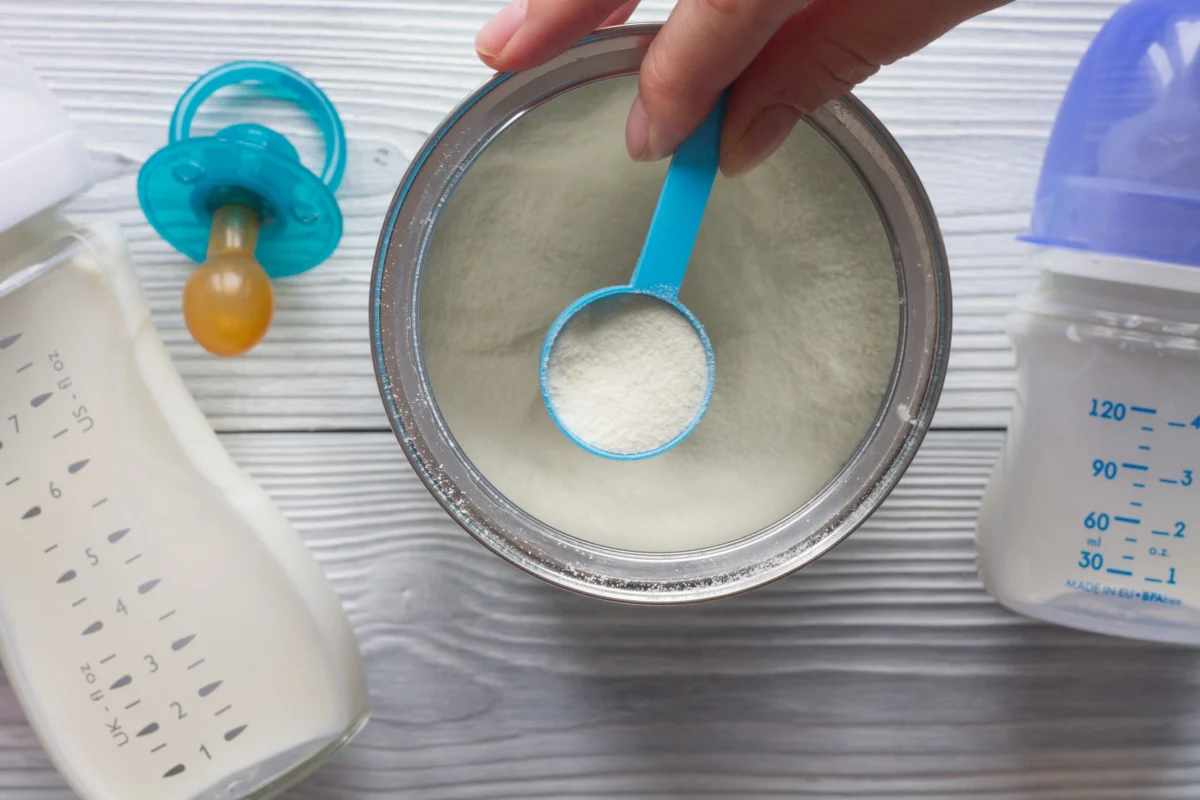
The sight of barren shelves in the baby aisle is perhaps one of the most visceral symbols of economic and supply-chain instability. For parents and caregivers, infant formula is not a luxury item; it is a fundamental nutritional necessity. Over the past two years, the United States has grappled with significant fluctuations in the availability of infant formula, a crisis that has transcended mere inconvenience to become a matter of public health urgency.
As the nation reflects on the vulnerabilities exposed by this shortage, experts, policymakers, and families are calling for a systemic overhaul of the infant nutrition market. The crisis has highlighted the precarious reliance on a consolidated manufacturing sector and the urgent need for a more resilient, diversified supply chain to protect the most vulnerable members of society.
The Anatomy of the Crisis: Main Facts
Infant formula serves as the primary, and often sole, source of nutrition for millions of infants during their most critical developmental stages. When human milk is unavailable—whether due to medical necessity, the complexities of modern working conditions, or individual physiological constraints—formula is the vital lifeline.
The recent shortages were precipitated by a "perfect storm" of factors:
- Supply-Chain Disruptions: The COVID-19 pandemic introduced unprecedented volatility into global logistics, creating bottlenecks that slowed the transit of essential ingredients and packaging materials.
- Manufacturing Vulnerability: A heavy concentration of production among a handful of major companies meant that any singular failure at a major facility had a disproportionate impact on the national supply.
- Regulatory Interventions: Safety recalls—while necessary for public health—abruptly removed large quantities of product from the market, exacerbating existing scarcity.
For families with infants requiring specialized, hypoallergenic, or metabolic-condition-specific formulas, the shortage was not merely a matter of switching brands; it was a crisis of medical stability.
Chronology of a National Emergency
The crisis did not emerge overnight, but rather developed through a series of cascading events.
Early 2020–2021: The Pandemic Onset
As global lockdowns began, panic-buying patterns emerged. While many households stockpiled dry goods, formula experienced similar inventory pressures. Manufacturers struggled with labor shortages and the inability to source key components from international suppliers, setting the stage for inventory thinness.
February 2022: The Recall Catalyst
The situation reached a breaking point when a major manufacturer issued a massive voluntary recall due to potential bacterial contamination at a key processing plant in Michigan. This facility was a primary producer of several widely used brands. The temporary shutdown of this plant effectively crippled the national supply, leaving parents scrambling to find alternatives.
Spring–Summer 2022: The Peak of Scarcity
By mid-2022, out-of-stock rates for formula surpassed 40% in many regions. The federal government was forced to invoke the Defense Production Act to prioritize ingredients for formula manufacturers and began the "Operation Fly Formula" initiative, which utilized Department of Defense aircraft to import safe, high-quality formula from international partners.
Late 2022–Present: The Long Road to Normalization
While production levels have largely stabilized, the market remains fragile. The industry is now under intense scrutiny to prevent a repeat performance, with legislative bodies and health organizations advocating for long-term structural changes.
Supporting Data: Understanding the Market
To grasp the severity of the crisis, one must understand the structure of the U.S. market. Historically, the infant formula industry is characterized by:

- Market Consolidation: A very small number of manufacturers produce over 90% of the formula consumed in the United States. This high level of concentration limits competition and creates a "single point of failure" scenario.
- The WIC Program Influence: The Special Supplemental Nutrition Program for Women, Infants, and Children (WIC) accounts for approximately 50% of all formula sales in the U.S. States typically award exclusive contracts to a single manufacturer for their WIC program, which dictates market dominance for those firms.
- Logistical Complexity: Formula is a highly regulated, perishable, and specialized product. Unlike shelf-stable grains, the manufacturing process requires rigorous safety testing and compliance with the FDA’s stringent nutritional standards, making it difficult for new, smaller players to enter the market quickly.
Official Responses and Public Health Guidance
The response from the federal government, including the FDA and the White House, focused on three pillars: increasing domestic production, expediting imports, and ensuring equitable distribution.
Guidance for Parents and Caregivers
During the height of the crisis, the American Academy of Pediatrics (AAP) and the FDA provided critical guidance:
- What to avoid: Parents were strongly advised against diluting formula (which can cause severe electrolyte imbalances) and against making homemade formula, which lacks the precise nutrient profile required for infant growth and can lead to dangerous deficiencies.
- Safe alternatives: Caregivers were encouraged to talk to their pediatricians about switching to store-brand or generic formulas, which meet the same FDA nutritional requirements as name-brand products.
- Consultation: In cases of children with metabolic disorders, doctors worked directly with regional suppliers to ensure that specialized formulas were prioritized for those with the greatest clinical need.
Future Directions: Lessons for Resilience
The American Journal of Clinical Nutrition and other policy researchers have proposed a framework to insulate the nation from future shortages. The strategy focuses on diversifying the production base and enhancing regulatory agility.
1. Diversification of Manufacturing
To reduce reliance on a few massive facilities, policy experts suggest providing incentives for mid-sized manufacturers to enter the market. A more decentralized production model ensures that a localized disruption does not become a national crisis.
2. Strengthening Global Supply Chains
The success of "Operation Fly Formula" demonstrated that the U.S. can rely on international partners when domestic supply fails. Establishing pre-approved, permanent pathways for the importation of formula from countries with equivalent food safety standards could serve as a "safety valve" during future shortages.
3. Reviewing WIC Contract Structures
Economists have argued that the current exclusive-contract model of the WIC program, while cost-effective for the state, may contribute to the market consolidation that makes the supply chain vulnerable. Rethinking how these contracts are structured could encourage more competition and, by extension, greater market robustness.
4. Enhancing Regulatory Monitoring
The FDA has been tasked with improving its oversight of manufacturing facilities to identify potential safety issues before they reach a level that requires a complete plant shutdown. Improved data-sharing between the industry and federal regulators is essential for early warning systems.
Implications for the Future
The infant formula shortage serves as a poignant reminder that, in a globalized economy, the availability of essential goods is not a guarantee. It has sparked a necessary national conversation about the support systems available to parents.
While breastfeeding is an optimal form of nutrition and is supported by public health organizations, the reality is that many families require formula as a supplement or a primary source of nutrition. The infrastructure supporting these families—be it through lactation support, parental leave policies, or a stable food supply—must be viewed as a collective responsibility.
Moving forward, the goal is to create a "nutritional safety net." This requires not only technological and industrial improvements but also a societal commitment to ensuring that the feeding of infants is insulated from the volatility of international logistics and market consolidation. By implementing the lessons learned from the past two years, the U.S. has the opportunity to build a more resilient system, ensuring that no family is ever again forced to wonder how they will nourish their child in times of uncertainty.
The crisis of the recent past was a trial by fire; the mandate for the future is to ensure that the flame of innovation and the foundation of public policy work in harmony to protect the next generation.