




In a breakthrough that could fundamentally reshape the landscape of modern medicine, researchers at the University of California, Los Angeles (UCLA) have unveiled a diagnostic innovation capable of identifying multiple cancers, liver pathologies, and organ-level stress through a single, relatively inexpensive blood draw. The technology, dubbed "MethylScan," represents a paradigm shift in liquid biopsy science, moving beyond traditional genetic mutation hunting to a more holistic approach that interprets the chemical "fingerprints" of cellular health.
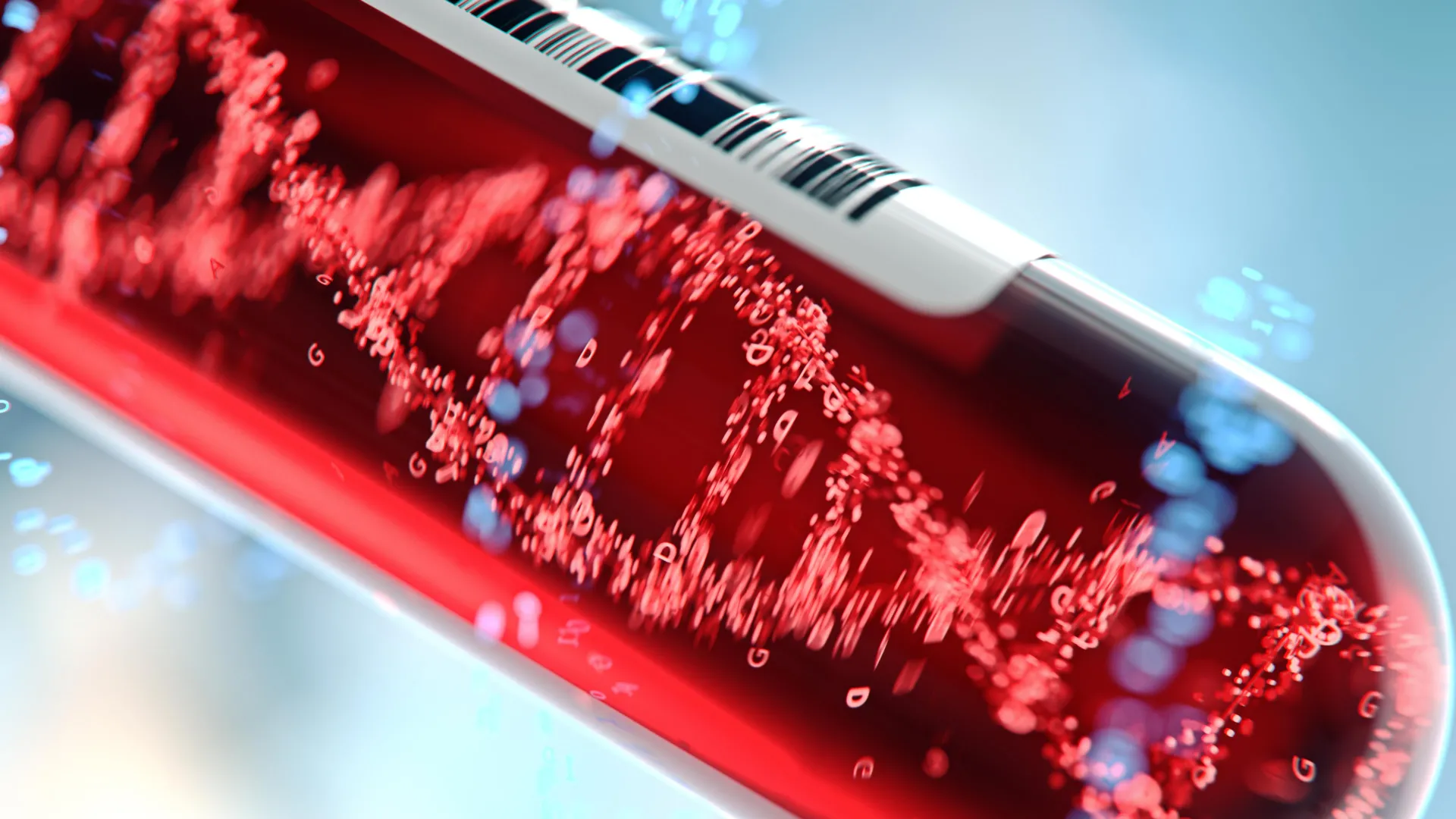
As the medical community grapples with the high costs and invasive nature of current diagnostic procedures, MethylScan offers a glimpse into a future where early detection is both routine and accessible. By analyzing cell-free DNA (cfDNA)—the genetic debris left behind by billions of dying cells—the UCLA team has demonstrated that our blood acts as a comprehensive, real-time repository of our physiological status.
The Science of Methylation: A New Diagnostic Frontier
The core of the MethylScan technique lies in its focus on DNA methylation. Unlike traditional liquid biopsies that search for specific, rare mutations—a process that is often akin to finding a needle in a haystack—MethylScan maps the chemical tags attached to DNA molecules. These tags act as regulators of gene expression, effectively turning genes on or off.
Because different tissues in the body possess distinct methylation patterns, these patterns undergo recognizable shifts when cells transition from a healthy state to a diseased or malignant one. By focusing on these epigenetic markers rather than simple mutations, the UCLA researchers have unlocked a way to read the "health status" of diverse organs simultaneously.
The Problem of Background Noise
The human bloodstream is a complex environment. A significant hurdle in liquid biopsy technology is the "background noise" created by normal biological processes. Approximately 80% to 90% of the cell-free DNA circulating in the blood originates from healthy blood cells, which can easily drown out the faint, critical signals released by nascent tumors or damaged organs.
To address this, the UCLA team developed a sophisticated filtering process. They employed specialized enzymes designed to selectively degrade unmethylated DNA, effectively "cleaning" the sample by stripping away the noise from healthy blood cells. This is followed by a genome-wide hybridization panel that enriches the remaining sample for methylated DNA specifically derived from solid organs. By reducing this noise before sequencing begins, the test achieves high sensitivity without the need for prohibitively expensive, high-depth genetic sequencing.
Chronology of Development and Trial Data
The journey to MethylScan began with a fundamental question: Could the chemical signatures of our organs be decoded from the blood in a cost-effective manner?
Refining the Methodology
The research, published in the Proceedings of the National Academy of Sciences (PNAS), details a rigorous development phase. After successfully isolating the relevant DNA fragments, the researchers utilized machine learning algorithms to decipher the complex, high-dimensional methylation patterns found in blood samples. The goal was not just detection, but accurate classification of disease states.
Clinical Evaluation: A Study of 1,061 Individuals
The efficacy of MethylScan was put to the test in a large-scale evaluation involving 1,061 participants. This cohort was diverse, encompassing healthy individuals, patients with benign lung nodules, and patients suffering from various pathologies, including:
- Oncological conditions: Liver, lung, ovarian, and stomach cancers.
- Liver pathologies: Hepatitis B, Hepatitis C, alcohol-related liver disease, and metabolic-associated fatty liver disease (MAFLD).
The results were striking. At a 98% specificity rate—meaning the test rarely yields false positives—MethylScan successfully identified approximately 63% of cancers across all stages. Perhaps most significantly, the test captured 55% of early-stage cancers, a critical metric given that survival rates plummet as diseases progress from stage one to stage four.
When applied to high-risk groups—such as patients with liver cirrhosis or chronic HBV—the diagnostic power increased, identifying nearly 80% of liver cancer cases with a false-positive rate of less than 10%.
Official Perspectives: The Experts Speak
Dr. Jasmine Zhou, the study’s senior author and a professor of pathology and laboratory medicine at the UCLA Health Jonsson Comprehensive Cancer Center, emphasizes the urgency of this development.
"Early detection is crucial," Dr. Zhou stated. "Survival rates are far higher when cancers are caught before they spread. If you detect cancer at stage one, outcomes are dramatically better than at stage four."
Dr. Zhou’s team notes that the body undergoes a constant cycle of renewal, with 50 to 70 billion cells dying daily. By capturing the DNA of these dying cells, the test creates a diagnostic "radar" for the entire body.
Dr. Wenyuan Li, a professor of pathology and laboratory medicine at UCLA and co-corresponding author, highlights the clinical utility of identifying the "tissue of origin."
"Being able to trace signals back to their source is important because a positive blood test needs to be followed by imaging or other diagnostic procedures directed at the right organ," Dr. Li explained. By narrowing down the specific organ affected, MethylScan provides physicians with a roadmap, reducing the "guesswork" often associated with early-stage diagnosis.
Implications for Modern Healthcare
The implications of MethylScan extend far beyond cancer detection. The researchers successfully demonstrated the technology’s ability to distinguish between various forms of liver disease, such as viral hepatitis and metabolic-associated conditions, with an 85% accuracy rate. This suggests a future where blood tests could replace or significantly reduce the need for invasive liver biopsies, sparing patients from pain and potential complications.
A Cost-Effective Revolution
Economic accessibility is a cornerstone of the MethylScan approach. By filtering out background DNA, the team reduced the required sequencing depth to just 5 Gb of data per sample. With current sequencing costs trending downward—often below $4 per gigabase—the cost of the data analysis could be kept under $20. While the final price of a commercialized test would include clinical overhead, the underlying technology is structured to be far more affordable than existing, high-intensity sequencing-based liquid biopsies.
The "Health Radar" Concept
The vision for MethylScan is to function as a universal "health radar." Because it analyzes organ-specific methylation signatures, it does not necessarily need to be programmed to look for a specific disease. Instead, it can detect if an organ—the liver, lungs, or others—is under stress. This could allow for the discovery of diseases in asymptomatic patients, shifting the medical paradigm from reactive treatment to proactive, preventative care.
Future Outlook: The Path to Clinical Adoption
Despite the promising results, the researchers are careful to maintain a measured outlook. They emphasize that while the PNAS study is a significant leap forward, larger prospective, longitudinal trials are necessary to validate the test’s performance in real-world clinical settings.
The next phase of research will likely involve expanding the study to include more diverse patient populations and assessing how MethylScan performs when integrated into routine annual checkups. As the machine learning models are trained on larger datasets, the sensitivity and accuracy of the test are expected to improve further.
Toward a Universal Assay
"This study demonstrates that blood-based methylation profiling can deliver clinically meaningful information across multiple diseases," Dr. Zhou concluded. "It’s an exciting advancement that brings us closer to realizing the dream of a single assay for universal disease detection."
As this technology matures, it holds the potential to democratize high-level diagnostics, providing rural or underserved areas with the same level of disease surveillance as major academic medical centers. In an era where healthcare costs continue to climb, a low-cost, multi-disease screening tool like MethylScan could become the cornerstone of 21st-century medicine, turning the tide in the fight against some of the world’s most lethal and elusive diseases.
Research contributions: Weihua Zeng, Shuo Li, and Yonggang Zhou served as co-first authors on the study, which received support from the National Cancer Institute.