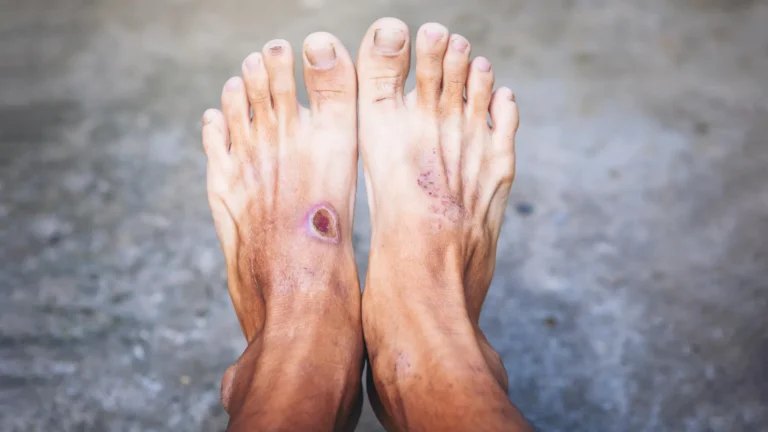










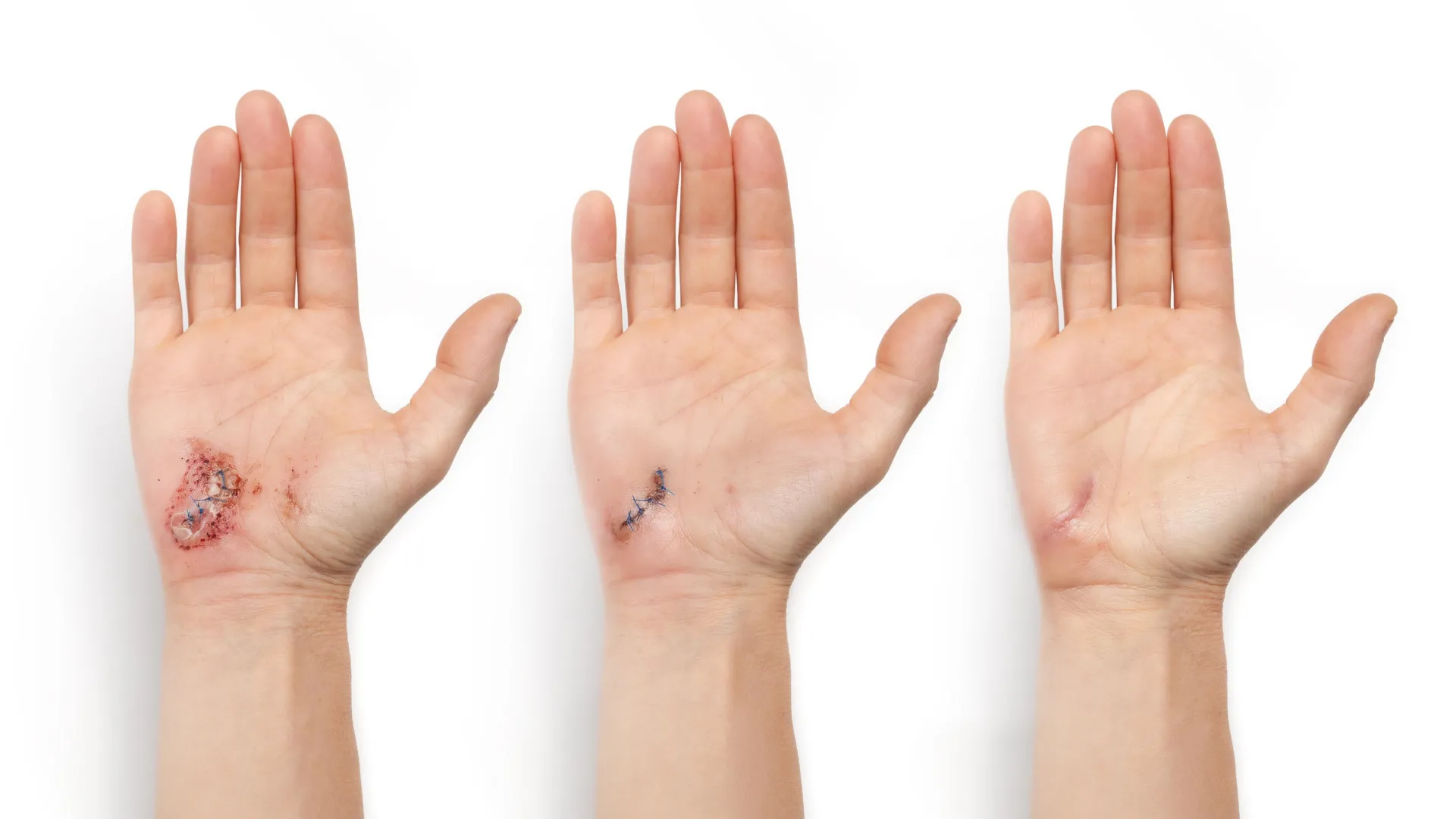
In the complex biological theater of wound healing, the body performs a delicate, multi-act play: clotting, inflammation, tissue proliferation, and final remodeling. For millions of people worldwide, particularly those suffering from diabetes, vascular diseases, or limited access to specialized care, this performance often stalls, leading to chronic wounds that refuse to close. Now, a pioneering team of researchers from the University of California, Santa Cruz (UCSC) and UC Davis has unveiled a transformative technology that promises to rewrite the script of recovery.
Known as "a-Heal," this innovative wearable device functions as an "AI physician" attached directly to the skin. By integrating high-resolution imaging, bioelectronic actuators, and reinforcement learning, the system creates a closed-loop environment that monitors and treats wounds in real-time. With recent preclinical results demonstrating a 25% faster healing rate compared to the current standard of care, the device is poised to redefine how we treat everything from acute lacerations to stubborn, chronic ulcers.
The Science of the "Closed-Loop" System
At its core, a-Heal is designed to eliminate the guesswork inherent in traditional wound management. Typically, a wound is checked during clinical visits, meaning that hours or days can pass between assessments. During that time, a wound might stall, become inflamed, or fail to progress, with the patient remaining unaware until their next appointment.
The a-Heal system shifts this paradigm by acting as a "microscope in a bandage." The device, which attaches to standard commercial dressings, utilizes an onboard camera developed by Associate Professor of Electrical and Computer Engineering (ECE) Mircea Teodorescu. Every two hours, the camera captures a high-resolution image of the wound bed. These images are transmitted to a machine learning model, the "AI physician," which evaluates the wound’s current state against an optimal healing trajectory.
If the AI detects that the healing process is lagging—perhaps due to excessive inflammation or a lack of cellular migration—it immediately triggers a corrective intervention. This is where the "closed-loop" nature of the device becomes vital: the system senses a problem, calculates the required dose of medication or the necessary strength of an electric field, and administers it without requiring human intervention. Once the treatment is delivered, the system recalibrates, taking a new image to observe how the wound responds, effectively creating a self-correcting cycle of care.
A Chronology of Innovation: From DARPA to the Lab
The development of a-Heal is the result of a multi-year, interdisciplinary effort funded by the Defense Advanced Research Projects Agency (DARPA) under the BETR program. Led by Marco Rolandi, the Baskin Engineering Endowed Chair and Professor of ECE at UCSC, the project brought together experts in bioelectronics, computer science, and clinical medicine.
Phase 1: The Imaging Foundation
The project began by solving the problem of continuous monitoring. Without the ability to track subtle shifts in tissue color, moisture, and closure, no AI could accurately diagnose a wound’s progress. Teodorescu’s development of a miniature, wireless camera system was the essential first step, allowing the device to document the wound’s evolution with clinical precision.
Phase 2: The "AI Physician" and Deep Mapper
With the imaging data established, the team turned to the challenge of interpretation. Assistant Professor of Applied Mathematics Marcella Gomez spearheaded the creation of the AI model. Her team developed "Deep Mapper," an algorithm capable of processing visual data to map a wound’s state against an idealized biological timeline. By analyzing historical data and current visual markers, the AI learns to predict how a wound should look at any given time, identifying stagnation before it becomes a clinical crisis.
Phase 3: Targeted Intervention
The final piece of the puzzle involved the actual delivery of medicine and bioelectric therapy. Working alongside the UC Davis team—specifically the group led by Roslyn Rivkah Isseroff—researchers identified that the application of fluoxetine (a selective serotonin reuptake inhibitor) and specifically tuned electric fields could significantly accelerate closure. The a-Heal device utilizes bioelectronic actuators to dispense these treatments topically, ensuring that the patient receives the exact dose needed at the exact time required.
Supporting Data: Why "a-Heal" Outperforms the Standard
The preclinical validation of a-Heal, published in the journal npj Biomedical Innovations, serves as the bedrock of the project’s credibility. In comparative studies, researchers applied the a-Heal system to preclinical wound models and measured the time to complete tissue closure against control groups receiving standard medical care.
The results were striking: wounds treated with the a-Heal device demonstrated a 25% faster healing trajectory. This is not merely an incremental improvement; in the context of chronic wounds, where infection risk grows exponentially with every day the wound remains open, a 25% increase in speed is life-changing.
Furthermore, the "Deep Mapper" algorithm’s ability to learn through reinforcement learning—a method where the model is rewarded for achieving the end goal of wound closure—means the system is self-optimizing. As the device interacts with different wounds, it refines its decision-making process. It essentially learns the unique biological "rhythm" of the patient’s body, adapting its treatment intensity based on how the tissue responds to the fluoxetine or the electric field. This high level of personalization is currently unheard of in standard wound dressings.
Official Perspectives: The Experts Weigh In
The lead researchers involved in the project emphasize that this is a marriage of biology and engineering. Professor Marco Rolandi notes that the goal was never to replace the physician, but to augment their capabilities.
"Our system takes all the cues from the body, and with external interventions, it optimizes the healing progress," Rolandi said. This sentiment is echoed by his colleague, Mircea Teodorescu, who describes the device’s utility in terms of data continuity. "Individual images say little, but over time, continuous imaging lets AI spot trends, wound healing stages, flag issues, and suggest treatments."
The role of the AI is not to operate in a vacuum, but to act as a powerful assistant. The device transmits all images and healing data to a secure web interface, allowing human clinicians to review the progress remotely. If the AI flags a particularly complex issue, the physician can intervene, adjusting the treatment plan or providing human guidance. This hybrid model—AI-driven automation with human-in-the-loop oversight—ensures that the technology remains safe and clinically responsible.
Marcella Gomez, who led the reinforcement learning component, highlights the complexity of the "Deep Mapper" approach: "It’s not enough to just have the image; you need to process that and put it into context. Then, you can apply the feedback control." By mapping the wound’s state through a linear dynamic model, the system can actually forecast the healing trajectory, allowing for proactive, rather than reactive, medicine.
Implications: A New Era for Telemedicine and Chronic Care
The implications of the a-Heal technology extend far beyond the laboratory. For patients in remote areas, or those who lack the mobility to visit a clinic several times a week for dressing changes and wound assessments, a-Heal could be a vital bridge to health.
Accessibility and Remote Monitoring
By digitizing the wound healing process, a-Heal effectively brings the wound clinic into the patient’s home. The device is low-profile and wireless, designed to work seamlessly with standard bandages. For the aging population or individuals with diabetes, this could mean the difference between a minor injury healing at home and a complication that requires hospitalization.
Addressing Chronic and Infected Wounds
While the current research focuses on the acceleration of healing, the team is now looking toward the next frontier: chronic and infected wounds. These wounds are often resistant to treatment because they are caught in a cycle of inflammation that is difficult to break. Because a-Heal can adjust the concentration of medication and the strength of the electric field in real-time, it holds the potential to "jump-start" stalled wounds that have resisted all other forms of therapy.
The Future of AI in Medicine
The success of the a-Heal project serves as a powerful proof-of-concept for the integration of reinforcement learning into wearable medical devices. As we move toward a future where healthcare is increasingly decentralized, the ability for devices to "learn" and "act" autonomously will become a cornerstone of patient care.
The UC Santa Cruz and UC Davis researchers have shown that when you combine the observational power of AI with the precision of bioelectronics, you do more than just monitor a condition—you actively participate in the body’s own recovery. As the team moves toward further clinical testing, the medical community will be watching closely, as a-Heal may very well be the first of a new generation of "smart" bandages that make the process of healing faster, safer, and accessible to everyone, everywhere.