Caregiving is often described as a marathon rather than a sprint. For millions of family caregivers, this long-distance journey is marked by profound love and dedication, but it is also frequently shadowed by physical exhaustion, mental burnout, and the erosion of personal identity. As we observe September Self-Care Awareness Month, the spotlight has turned toward a critical, often overlooked necessity: the need for respite.
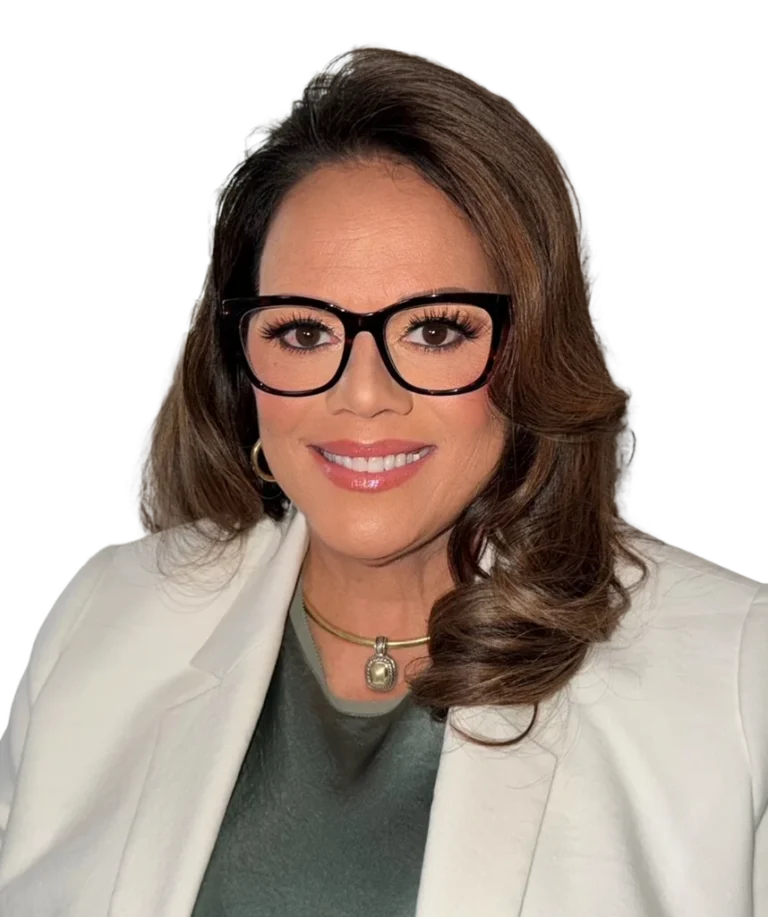
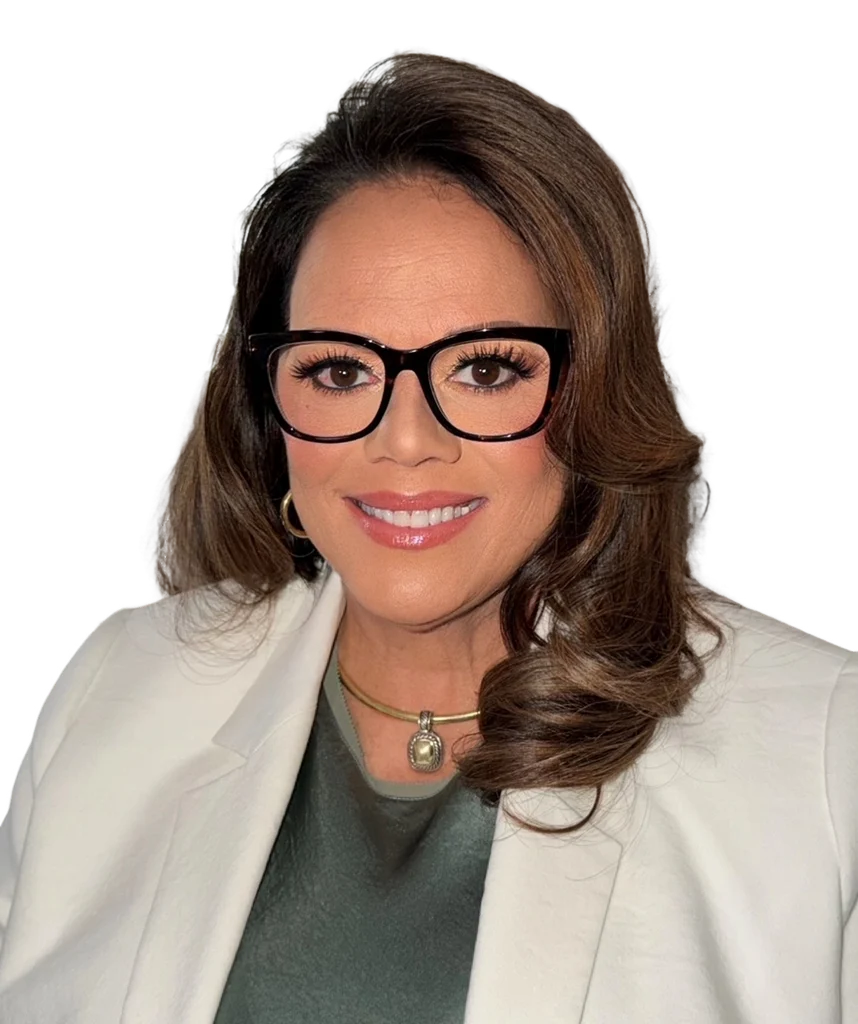
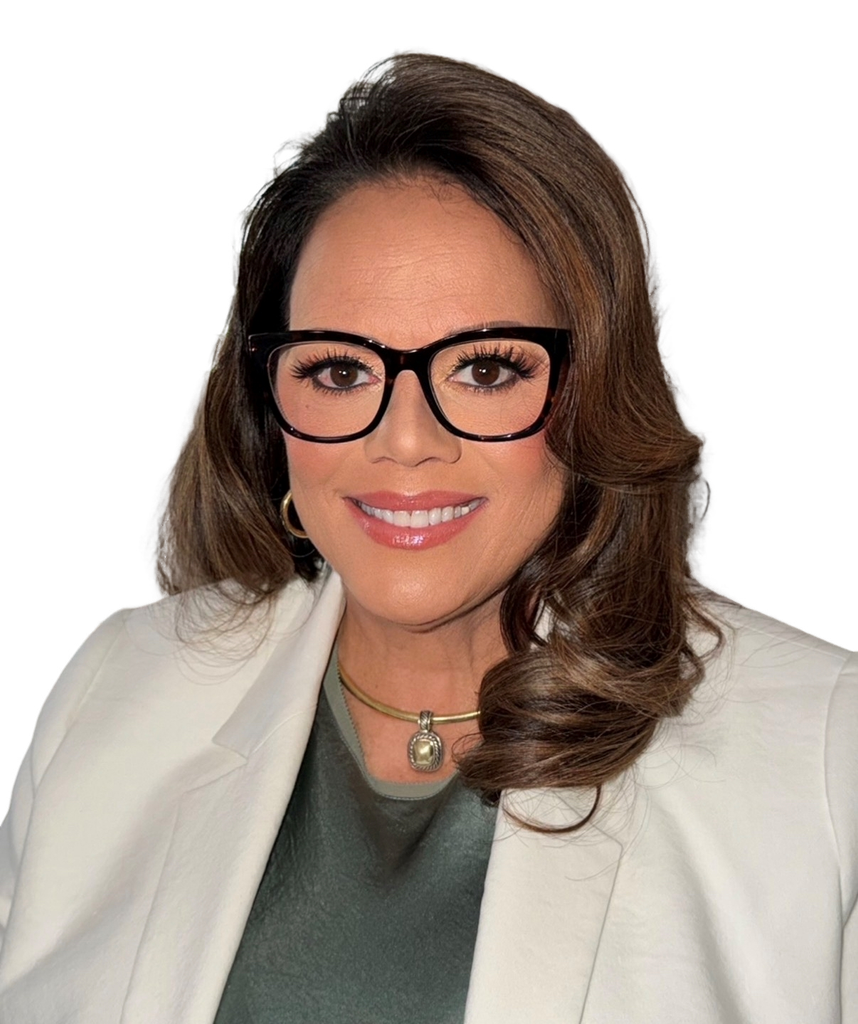
In the latest episode of the "Caregiving Club On Air" podcast (Season 6, Episode 74), host Sherri Snelling—a noted corporate gerontologist and author—sat down with Laura Williams, the visionary founder and CEO of Respitely, to discuss a paradigm shift in how we support those who provide care for our aging loved ones.
The Reality of the Caregiving Crisis
The statistics surrounding caregiving in the United States are staggering. Millions of Americans are balancing full-time careers, child-rearing, and the complex, time-intensive demands of aging parents or spouses. This group, often referred to as the "Sandwich Generation," faces a unique set of pressures.
"We often talk about caregiving as a marathon, and in order to continue in the race, you have to take the breaks—both physically and mentally—that let you take a breath," says Snelling. "It is the only way to create calm in the chaos."
However, for many, "taking a break" feels like an impossible luxury. Guilt, financial constraints, and the sheer logistical difficulty of arranging reliable substitute care often keep caregivers tethered to their responsibilities 24/7. This chronic stress, if left unchecked, leads to what experts call "caregiver burnout," a state of physical, emotional, and mental exhaustion that can have serious health consequences for both the caregiver and the care recipient.
Respitely: A New Model for Support
During the interview, Laura Williams shared her personal journey, which served as the genesis for her company, Respitely. As a working mother and long-distance caregiver to her own mother, Williams experienced firsthand the systemic gaps in support. She found that while many services exist, the burden of coordination—finding, vetting, and paying for care—often falls squarely on the already overwhelmed caregiver.
Respitely was designed to remove that burden. Williams describes the service as the "Uber Eats of respite care," but with a vital distinction: the service is not ordered by the caregiver, but gifted by those who care about them.
"It’s a ‘CareGifting’ platform," Williams explained. "It allows family, friends, and colleagues to pool their resources and fund respite care for the caregiver. It is a way for a community to say, ‘We see you, we value you, and we want you to have a moment of peace.’"
This model shifts the narrative from "self-care" (which implies the caregiver must find the time and money themselves) to "community care" (which recognizes that supporting a caregiver is a collective responsibility).
Chronology of a Movement: From Isolation to Community
The movement toward professionalizing and simplifying respite care has been building for years, but the post-2020 landscape accelerated the need for digital solutions.
- Pre-2020: Respite care was largely a fragmented industry, relying on local agencies and word-of-mouth recommendations, making it difficult for families to navigate during crises.
- 2023–2024: Increased awareness of the "Caregiver Crisis" in corporate America led to a surge in interest regarding employee benefits that include caregiving support.
- 2025: Platforms like Respitely began integrating social crowdfunding models with professional care networks, allowing for the "CareGifting" phenomenon.
- September 2026: The current "Self-Care Awareness Month" marks a milestone where digital, community-driven respite solutions are being recognized by major organizations like the Caregiving Club as essential components of long-term care strategy.
Supporting Data: Why Respite Matters
The medical and psychological necessity for respite cannot be overstated. According to the AARP and the National Alliance for Caregiving, caregivers who receive respite services report lower levels of depression, improved sleep quality, and a higher ability to manage the physical demands of caregiving.
Data also suggests that workplace productivity is inextricably linked to caregiver well-being. Employees who are supported in their caregiving roles—through flexible hours or access to respite programs—show higher retention rates and lower rates of absenteeism. As Snelling’s work with "Caregiving in the Workplace" highlights, companies that treat caregiving as a business priority rather than a personal issue are better positioned to retain talent.

Official Responses and Industry Insights
The collaboration between the Caregiving Club and innovators like Respitely signals a broader shift in the health and aging sector. Industry leaders are moving away from a "one-size-fits-all" approach to care.
"The goal," says Snelling, "is to move the needle from reactive crisis management to proactive, sustainable support." By utilizing resources like the ARCH National Respite Care Network and local Area Agencies on Aging, families are beginning to map out "respite calendars" long before burnout becomes a critical health event.
Furthermore, the involvement of organizations like Hilarity for Charity, which provides grants specifically for dementia caregivers, highlights that financial barriers are being met with creative, non-traditional solutions. The message from these experts is clear: you do not have to do this alone.
Implications for the Future
The implications of this shift are profound. If we normalize the idea that caregivers deserve, and should receive, the gift of time, we can fundamentally change the aging experience in America.
1. The Death of the "Martyr Complex"
Societal pressure often dictates that good caregivers are those who sacrifice everything. This cultural trope is dangerous. The rise of "CareGifting" provides a tangible way for friends and family to intervene, encouraging the caregiver to step away without the weight of financial guilt.
2. Digital Transformation of Care
From apps like CaringBridge, which help coordinate volunteer support, to digital marketplaces like Care.com, the infrastructure for care is becoming more accessible. This digital-first approach is essential for the "Sandwich Generation," who are already managing their lives through mobile devices.

3. Corporate Responsibility
As noted in the Caregiving Club’s recent publications, the future of work involves integrating caregiving benefits into the standard human resources package. When managers are trained to identify the signs of caregiver strain, and when companies provide access to respite resources, the entire ecosystem benefits.
Resources for Families
For those currently navigating the complexities of caregiving, the following resources are recommended by the Caregiving Club:
- Respitely: For setting up a "CareGifting" fund.
- ARCH National Respite Care Network: The gold standard for finding local, vetted respite services.
- Elder Care Locator (1-800-677-1116): An essential government-backed resource for connecting with local Area Agencies on Aging.
- Veteran’s Administration Caregiver Support Program: Offers up to 30 days of respite care for those caring for veterans.
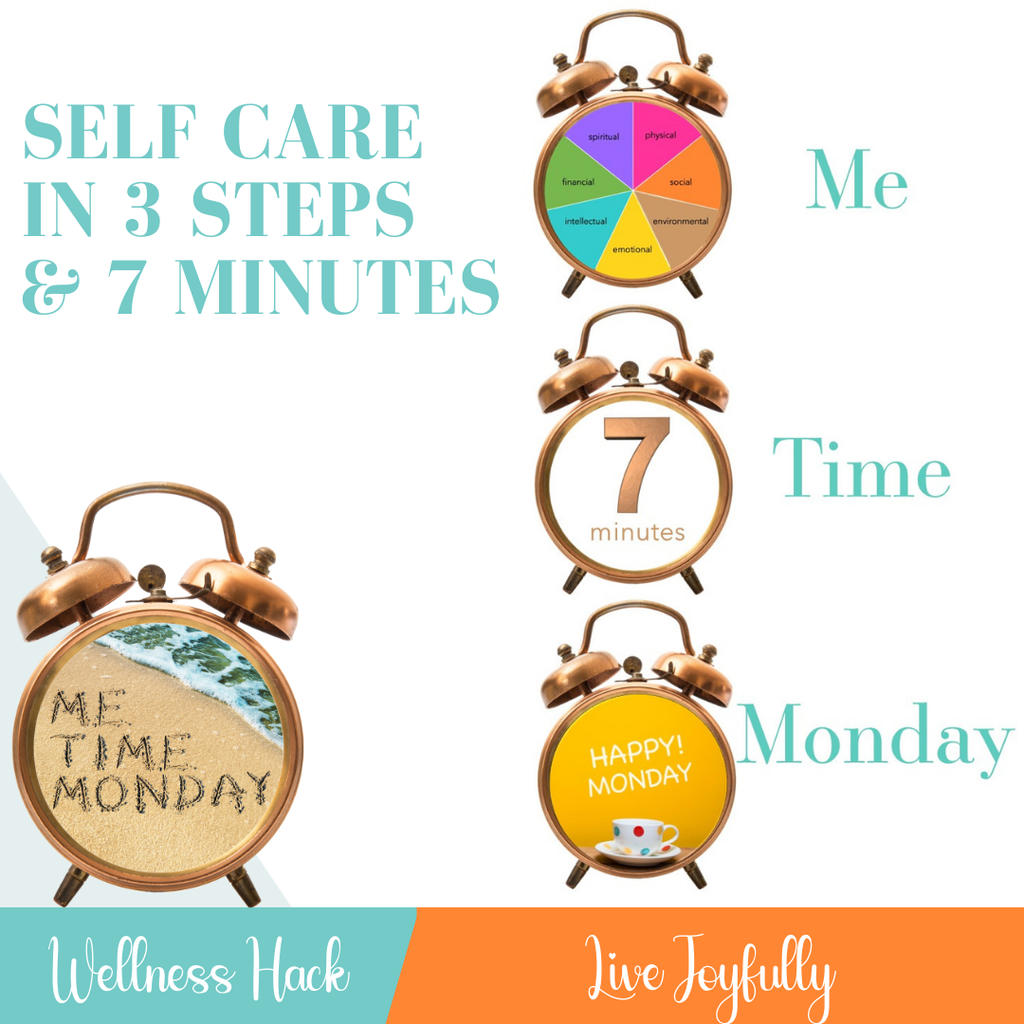
- "Me Time Monday" Series: Sherri Snelling’s own initiative provides 7-minute wellness hacks designed specifically for the time-strapped caregiver.
Conclusion: A Call to Action
The "Caregiving Club On Air" podcast reaching the #3 spot on the list of top 80 caregiving podcasts is a testament to the growing hunger for information, validation, and community in this space. As we move through September and beyond, the challenge for all of us—friends, family, employers, and policymakers—is to stop viewing caregiving as an individual burden and start viewing it as a communal commitment.

Whether it is through a direct gift to a Respitely fund, helping a friend navigate the Elder Care Locator, or simply providing a few hours of relief, the act of giving respite is a profound expression of love. In the marathon of caregiving, the water stations are not optional; they are the difference between those who finish and those who falter.
For more information on the "Caregiving Club On Air" podcast, or to watch the latest segments on caregiver wellness and workplace policy, subscribe to the Caregiving Club YouTube channel and join a community dedicated to changing the face of care.