









As the population ages, the focus of fitness has shifted from aesthetic goals to functional independence. Among the most critical metrics for assessing long-term mobility, injury prevention, and physical autonomy is core strength. While many gravitate toward crunches or planks, personal trainers and physical therapists are increasingly pointing toward a more comprehensive, foundational movement: the glute bridge.
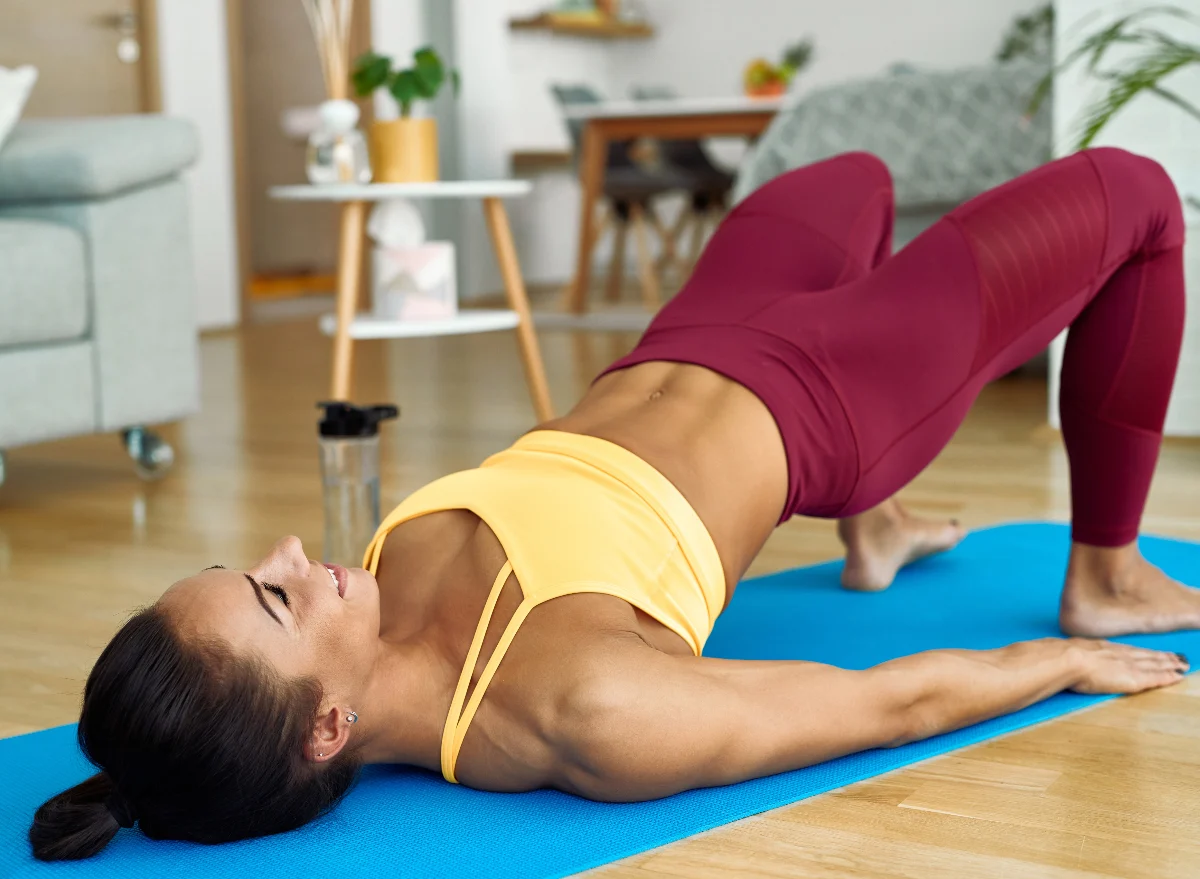
For those over the age of 60, the glute bridge is not merely an exercise—it is a diagnostic tool. By holding a simple, static bridge position, you can gain immediate, actionable insight into the coordination between your abdominals, lower back, and gluteal muscles.
The Core Metric: Why the Glute Bridge Matters
The glute bridge is a unique movement because it targets the "posterior chain"—the group of muscles on the backside of the body, including the hamstrings, glutes, and lower back—while simultaneously requiring deep engagement of the core.
For the aging athlete or the active senior, this exercise serves a dual purpose. First, it addresses "gluteal amnesia," a common condition where the glute muscles become inactive or "sleepy" due to prolonged sitting and sedentary habits. Second, it acts as a sentinel for lower back health. By strengthening the glutes and the core, the bridge offloads the lumbar spine, which is frequently the site of chronic pain and disc issues in the 60+ demographic.
Understanding the Mechanics
The bridge requires a precise synchronization of muscle groups. It is not simply about pushing the hips toward the ceiling; it is about maintaining a neutral pelvis, engaging the deep transversus abdominis, and ensuring the glutes are doing the heavy lifting rather than the lower back. If the movement is performed incorrectly, the lumbar spine may overarch, potentially causing more harm than good. This is why the test is as much about control as it is about endurance.
Chronology of Strength: Building the 60-Second Standard
Achieving a 60-second hold is a significant milestone for any individual over 60. However, the path to this goal is not linear, and attempting to force the position before the body is ready can lead to strain.
The Introductory Phase (Weeks 1–4)
For those who currently struggle to hold a bridge for more than 15 seconds, the objective is neural adaptation. Your body must learn how to recruit the gluteal fibers that have been dormant.

- The 2×10 Approach: Begin with 2 sets of 10-second holds. Focus entirely on the "mind-muscle connection." Ensure that your glutes are doing the firing, not your lower back.
- Form First: The goal at this stage is not duration, but perfect alignment. A straight line from the shoulder to the knee should be the goal, with no sagging in the hips.
The Development Phase (Weeks 5–12)
Once the 10-second holds become manageable without fatigue or pain, you can begin to increase the volume.
- Progressive Loading: Transition to 3 sets of 20 seconds.
- The Level Pelvis Check: During this phase, focus on keeping your hips level. A common mistake is a "hip hike," where one side of the pelvis drops or twists. Using a mirror can provide necessary visual feedback.
The Advanced Phase (Month 3 and Beyond)
After achieving a consistent 45-second hold with perfect form, the focus shifts to capacity.
- Stretching the Limit: Aim for a continuous 60-second hold. If you can reach this threshold while maintaining a tight core and level pelvis, you possess an exceptional level of hip and core strength, which is highly correlated with a reduced risk of falls and improved gait efficiency.
Supporting Data and Physiological Implications
Clinical research in gerontology emphasizes that core stability is the primary predictor of "functional reach"—the ability of a person to move through space without losing their balance.
The Link Between Glutes and Back Pain
According to orthopedic literature, weak gluteal muscles often force the lower back to compensate for stability. When the glutes are weak, the spinal erectors must work overtime to stabilize the torso, leading to fatigue and chronic lower back pain. By isolating the glutes through the bridge, seniors can "re-educate" their bodies to utilize the largest, strongest muscles in the body for stability rather than relying on the delicate structures of the lumbar spine.
Why 60 Seconds is the "Gold Standard"
In strength training for older adults, the 60-second benchmark is not an arbitrary number. It represents the ability of the muscle fibers to maintain an isometric contraction under load for a duration long enough to mirror daily activities, such as standing up from a chair, getting out of bed, or climbing stairs. It signifies that the muscular endurance of the core is sufficient to handle the stresses of daily living without succumbing to fatigue-induced injury.
Expert Perspectives on Functional Fitness
Industry experts, such as certified personal trainer Tyler Read, emphasize that the glute bridge is a foundational movement that should be included in every senior’s fitness regimen.
"The glute bridge is one of my favorite tests of core strength," says Read. "It tests the abdominals, the coordination of the glutes, and the lower back all in one go. Many people look at this and assume it’s easy, but when you hold it for 60 seconds, you realize the level of recruitment required to keep the pelvis stable."
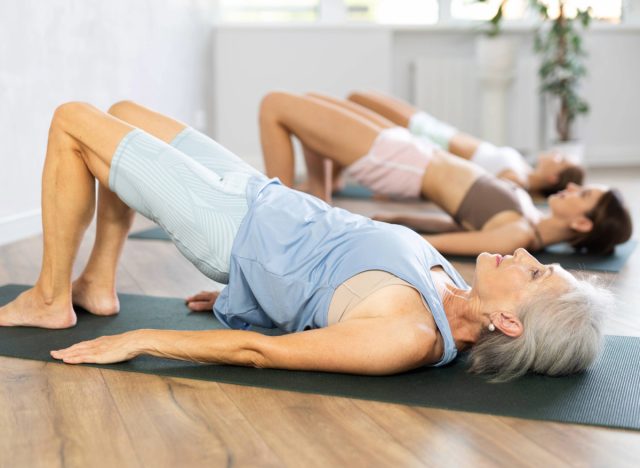
Read highlights that the most critical element of the exercise is the "brace." Without active abdominal bracing, the bridge loses its efficacy. "You want to imagine you are pulling your belly button toward your spine while pushing through your heels," he adds.
Implications for Longevity and Injury Prevention
The implications of mastering the glute bridge extend far beyond the gym floor.
Fall Prevention
Falls are the leading cause of injury-related deaths among adults over 65. Core and hip strength are the primary defenses against falls. A strong core allows for quick recovery of balance if a person trips, while strong glutes ensure that every step is stable and powerful.
Maintaining Mobility
As we age, the "use it or lose it" principle becomes undeniably true. Sedentary lifestyles lead to muscle atrophy, particularly in the lower body. By performing consistent bridge exercises, you are actively countering the natural decline in muscle mass (sarcopenia) and ensuring that your hips remain mobile and functional.
When to Seek Professional Guidance
While the glute bridge is generally safe, it is important to understand when to stop. The test should be terminated immediately if:
- Pain occurs: Any sharp pain in the lower back or knees is a signal to stop.
- Form breaks down: If your hips start to drop or tilt, you have reached your functional limit.
- Tremors become uncontrollable: While minor shaking is a sign of fatigue, severe shaking indicates that the nervous system is struggling to maintain the position.
Conclusion: A Lifetime of Strength
Testing your glute bridge hold is an excellent way to audit your current physical status. Whether you are currently at 15 seconds or pushing toward the 60-second goal, the key is consistency.
By incorporating this simple test into your routine, you are taking a proactive step toward maintaining your independence. Remember, it is not about how much weight you can lift or how fast you can run; it is about the foundational strength that allows you to move through the world with confidence and without pain. Start today, respect your current limits, and build your strength one bridge at a time.