In the modern wellness landscape, the term "detox" has become a ubiquitous buzzword, often associated with restrictive juice cleanses, fleeting water fasts, and temporary dietary overhauls. Yet, beneath the surface of trending wellness fads lies a profound, ancient tradition that views detoxification not merely as a physical necessity, but as a holistic necessity for the body, mind, and spirit. This is the realm of Panchakarma—the cornerstone of Ayurvedic healing.
As we navigate an era defined by sensory overload, environmental stressors, and the constant demand for peak performance, the Ayurvedic approach offers a return to equilibrium. By aligning our internal state with the rhythms of the natural world, Panchakarma provides a pathway to deep-seated healing that goes far beyond the surface-level benefits of standard cleanses.
Main Facts: The Philosophy of Living in Harmony
Ayurveda, translated as the "Science of Life," is one of the oldest healing systems in human history. Rooted in the intuition of ancient seers and sages, it posits that the human body is a microcosm of the universe—a concept famously championed by Vasant Lad, BAM&S, MASc, who often reminds us, "You are the world and the world is you."
Because we are mirrors of our environment, every facet of our existence—from the food we consume and the relationships we nurture to the stress we endure—leaves an imprint on our health. In Ayurveda, this state of balance is called prakruti, while the state of imbalance caused by external and internal stressors is known as vikruti. To return to our natural state, we utilize two primary methodologies:
- Shamana (Palliative Support): This involves the pacification of the doshas through lifestyle modifications, including consistent routines, balanced nutrition, yoga, pranayama (breathwork), and quality sleep.
- Shodhana (Cleansing): This is the domain of Panchakarma. It is the process of detoxification aimed at cleansing deep-seated tissues, clearing energetic channels, and ensuring the healthy flow of prana, or life force.
Chronology: From Ancient Roots to Modern Application
The history of Panchakarma is inextricably linked to the Vedic tradition, spanning thousands of years of observational science. Historically, these practices were designed to maintain the longevity of sages and practitioners, ensuring their physical vessels remained clear for spiritual pursuit.
In the contemporary context, the application of these ancient techniques has evolved to address the specific "modern" toxic load. In the 20th and 21st centuries, the integration of Ayurvedic clinics—such as the SoHum Mountain Healing Resort—has allowed for the rigorous, supervised application of these treatments in a way that respects classical methodology while adhering to modern safety standards. The progression of a typical Panchakarma journey involves:
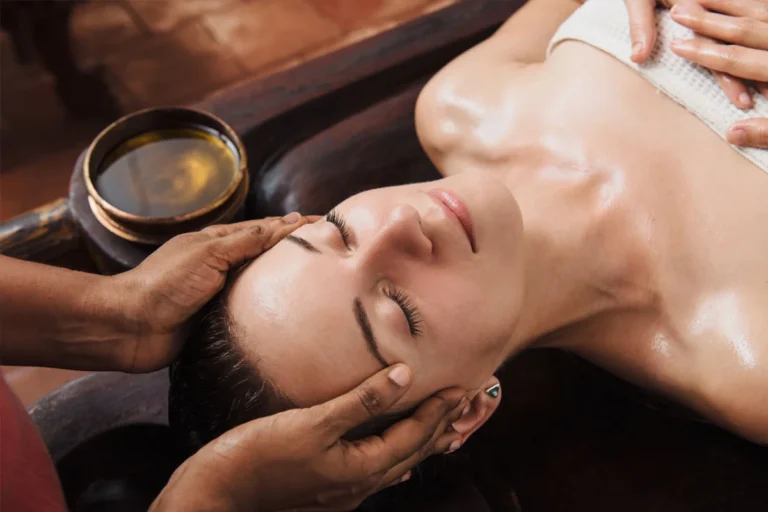
- Preparation (Purvakarma): Before any deep cleansing occurs, the body must be prepared. This involves internal and external oleation—saturating the body with medicated oils—and heat therapies to loosen the toxins, or ama.
- The Cleansing Phase (Pradhana Karma): Under the guidance of a practitioner, specific therapeutic procedures are performed to mobilize the ama from the tissues and guide it into the digestive tract for elimination.
- The Restoration Phase (Paschatkarma): Once the toxins are eliminated, the body requires a period of gentle rebuilding. This includes a strict dietary protocol and the reintroduction of routines that support the newly cleared system.
Supporting Data: Why Panchakarma Differs from Modern "Detox"
The primary distinction between a standard juice cleanse and Panchakarma lies in the "root cause" approach. Many modern detoxes focus on the digestive tract, offering a temporary reprieve from heavy foods. While this provides a sensation of lightness, it often fails to address the ama stored in deeper fatty tissues and organ systems.
The Science of Ama
In Ayurveda, ama is the metabolic byproduct of improper digestion and environmental toxicity. If left unaddressed, ama settles into the tissues (dhatus), creating blockages that manifest as fatigue, inflammation, and chronic illness.
- Systemic Extraction: Unlike a juice fast, which mostly cleanses the colon and provides a digestive rest, Panchakarma uses specific medicated oils (abhyanga) and specialized procedures (bastis or enemas) to draw toxins out of deep adipose tissue.
- Personalization: Ayurveda rejects the "one-size-fits-all" model. Because every individual has a unique constitution, a Panchakarma program is bespoke. A practitioner evaluates the client’s current state of vikruti to determine the exact herbs, oils, and procedures required, ensuring that the cleanse does not overwhelm the body’s innate healing intelligence.
Official Perspectives: The Role of the Practitioner
The guidance of a qualified Ayurvedic practitioner is not merely a suggestion—it is a safety imperative. Because Panchakarma triggers a deep mobilization of stored toxins, the process can be taxing on the body if not managed with clinical precision.
The Wisdom of Vasant Lad
Practitioners trained at institutions like The Ayurvedic Institute are taught that their duty extends beyond the mechanical application of treatments. Vasant Lad emphasizes the "art" of the process: holding the client in a space of compassion and awareness.
"We must ask ourselves," practitioners are taught, "How are we acting from compassion and grace? How are we supporting what is best for the client?" This mindset is essential for the practitioner, who must monitor the client daily. This daily check-in ensures that the extraction of ama is occurring at a pace the client’s system can handle, preventing the "detox flu" or systemic shock that often accompanies poorly supervised cleansing.
Implications for Future Health
The implications of integrating Panchakarma into one’s life are far-reaching. By committing to seasonal cleansing—ideally two to three times per year during the transition between seasons—individuals can proactively stay ahead of doshic imbalances.
Prevention as the Primary Strategy
Rather than waiting for a symptom to manifest as a disease, Panchakarma serves as a preventative maintenance cycle. It strengthens the agni (digestive fire), clears the srotas (channels), and revitalizes the immune system.
A Call to Awareness
The journey toward wellness is, ultimately, a journey of self-awareness. As modern society continues to bombard our sensory organs with digital and chemical stimulation, the necessity for a "reset" becomes increasingly clear. However, the true value of Panchakarma is found in the transition back to the daily routine. It teaches the individual how to live with greater awareness—choosing foods that honor their constitution, recognizing the early signs of stress, and maintaining the harmony between body, mind, and spirit.
For those seeking to explore this path, it begins with an admission of the need for support. Whether through the observation of clinics like the Vasanta Institute of Ayurveda in Pune or through a personal retreat at a dedicated facility, the path of Panchakarma offers a structured, time-tested, and profoundly effective method for regaining the vitality that is our natural birthright.
Summary of Recommendations
- Consultation: Never undertake a full Panchakarma cleanse without the direct supervision of a trained Ayurvedic practitioner.
- Preparation: Prioritize the Purvakarma (preparatory) phase; rushing into a cleanse without preparation is counterproductive.
- Consistency: View cleansing as a seasonal rhythm rather than a one-time "fix."
- Education: Deepen your understanding of your own prakruti to make informed daily choices that prevent the accumulation of ama.
As we move forward, the "Gold Standard" of wellness is not found in the latest supplement or the most restrictive diet. It is found in the wisdom of the ancients, adapted for the modern individual—a life lived in alignment, in balance, and in harmony with the greater macrocosm. To embark on a Panchakarma journey is to honor the wisdom of your body, and in doing so, to reclaim the health that is truly your own.