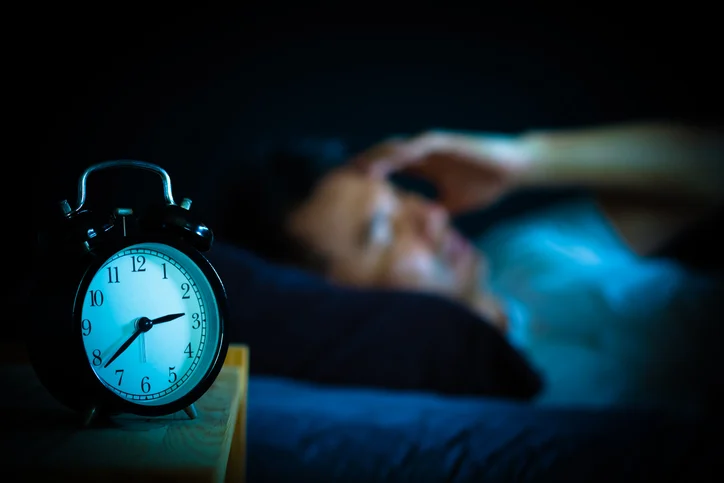
In an era defined by the pursuit of self-optimization, the American public has become obsessed with the metrics of rest. From high-tech wearable rings tracking REM cycles to the viral popularity of "sleepy girl mocktails" and curated nighttime routines, sleep has been transformed into a commodity—a problem to be hacked, coached, and purchased. Yet, beneath this veneer of wellness, a startling reality persists: nearly half of the American population does not wake up feeling rested on most days.
A new report from the U.S. Centers for Disease Control and Prevention (CDC) serves as a sobering indictment of this trend. While the consumer wellness industry booms, the fundamental health of the American sleep cycle is failing. This disconnect suggests that we are treating the symptoms of a global exhaustion epidemic while ignoring the clinical, often undiagnosed, medical conditions lurking beneath the surface.
The Reality of the Restless Nation
The CDC’s findings highlight a critical gap in our public health landscape. Despite the ubiquity of sleep-tracking technology, a substantial proportion of the population continues to struggle with chronic daytime sleepiness, non-restorative sleep, and cognitive impairment.
The prevailing narrative—often driven by social media influencers and wellness brands—suggests that sleep issues are merely lifestyle failures. We are told that if we simply buy the right silk pillowcase, ingest the correct magnesium supplement, or optimize our bedroom temperature, we can "buy" our way to perfect health. This "sleep-maxxing" culture encourages individuals to blame their own habits for their fatigue, effectively masking the presence of legitimate, treatable sleep disorders.
Experts estimate that one in five people lives with a chronic sleep disorder. When persistent fatigue, brain fog, and mood instability are dismissed as inevitable byproducts of a busy lifestyle, stress, or the aging process, the underlying medical reality—be it sleep apnea, narcolepsy, restless legs syndrome, or chronic insomnia—remains unaddressed.
A Personal Descent: From Ivy League Athlete to Medical Mystery
The danger of normalizing exhaustion is best illustrated through the journey of those who have lived it. Julie Flygare, JD, president and CEO of Project Sleep, recalls her own descent into chronic sleep deprivation, which began during her time as a Division I athlete at Brown University.
At 18, Flygare was a picture of health. Yet, she found herself battling an insurmountable heaviness in her eyelids during lectures. Her coping mechanisms were those of any overextended student: cold water, self-inflicted pinches to stay awake, energy drinks, and excessive caffeine. She, like millions of others, rationalized the symptoms.
"Everyone is tired in college," she told herself.
By age 22, as she entered law school, the situation escalated. She would finish reading dense legal briefs only to realize she had zero retention of the material. She questioned her intelligence and her aptitude for the law, never questioning her biology. She was, by her own account, a "great sleeper" compared to peers who suffered from insomnia; she could get eight to nine hours of rest and still feel as though she hadn’t slept at all.
The turning point came at 23, in a law school parking lot. After a full night’s sleep and a morning commute, Flygare arrived at campus with a terrifying gap in her memory. She realized she had "micro-slept" behind the wheel, a realization that shook her to her core. Despite this, when she presented her concerns to a primary care physician, she was met with dismissiveness. The doctor, citing his own fatigue, essentially gaslit her, suggesting that such exhaustion was a universal human experience.
It would take another four months of advocacy to secure a referral to a sleep specialist. The diagnosis was type 1 narcolepsy—a serious neurological condition caused by the inactivity of orexin, the neurotransmitter responsible for regulating the sleep-wake cycle. For Flygare, the diagnosis was not a sentence, but a liberation. It allowed her to access life-changing medication and, for the first time in years, experience true, restorative wakefulness.
The Knowledge Gap: Why Physicians Are Failing Patients
The delay in Flygare’s diagnosis is not an anomaly; it is a systemic failure. On average, medical professionals receive less than two hours of formal education on sleep health and sleep disorders throughout their entire medical training.
This educational deficit creates a dangerous feedback loop. Patients arrive at primary care offices with symptoms of sleep disorders, only to be told that their fatigue is lifestyle-related or stress-induced. Because physicians are not equipped to recognize the nuances of sleep medicine, they are often unable to distinguish between poor sleep hygiene and a pathological condition.
This failure of clinical recognition often results in patients suffering for over a decade before receiving a formal diagnosis. During those ten years, the patient is left to navigate a world that demands high performance while they struggle with the life-altering consequences of undiagnosed sleep disorders.
The Heavy Cost of Ignoring Sleep
The implications of the current "sleep crisis" extend far beyond individual fatigue. Undiagnosed sleep disorders are strongly correlated with a suite of severe health and safety risks:
- Public Safety: Drowsy driving is a leading cause of motor vehicle accidents, with the risk profile of an untreated sleep-disordered driver often rivaling that of an intoxicated one.
- Physical Health: Chronic sleep deprivation and undiagnosed disorders are linked to cardiovascular disease, metabolic dysfunction, and obesity.
- Mental Health: There is a well-documented connection between poor sleep and the development of depression and anxiety. Perhaps most alarming, among teenagers, undiagnosed sleep disorders are associated with triple the risk of suicidal ideation.
- Economic Impact: Impaired cognitive performance leads to decreased productivity, workplace injuries, and a reduced quality of life that compounds over time.
A Path Forward: Screening and Specialization
For the medical community, the new CDC report must be treated as a call to action. Clinicians can no longer afford to bypass sleep health in routine examinations.
To bridge the gap between patient complaints and clinical action, the integration of standardized screening tools is essential. The Sleep Disorders Symptom Checklist-25 (SDSCL-25) is a robust, evidence-based tool designed to help providers identify symptoms associated with 13 major sleep disorders. By incorporating such checklists into electronic health records and routine wellness visits, physicians can move beyond the "lifestyle advice" phase of treatment and begin identifying patients who require specialized care.
Conclusion: Redefining "Optimization"
True sleep optimization is not found in the latest wearable device or the most popular social media trend; it is found in the integrity of our biological systems. When those systems fail, no amount of sleep-tracking data can substitute for a medical diagnosis.
As we move forward, the goal must be a dual-pronged approach. We must foster a culture that respects the necessity of good sleep hygiene while simultaneously building a healthcare system that treats sleep disorders with the same urgency and seriousness as any other chronic illness.
For the millions of Americans currently struggling to find rest, the first step toward reclaiming their health is recognizing that their exhaustion may not be a personal failing—it may be a medical condition waiting to be understood. The "sleep wellness" industry offers a mirror; it is time for the medical community to provide the lens.
About the Author
Julie Flygare, JD, is the President and CEO of Project Sleep, a national nonprofit organization dedicated to raising awareness about sleep health, sleep equity, and sleep disorders. Through advocacy and education, Project Sleep empowers individuals to take control of their sleep health and navigate the often-complex path to diagnosis and treatment.