In the evolving landscape of American nutrition, the breakfast aisle has become a silent battleground. For decades, the technicolor glow of processed cereals has been a staple of the Saturday morning ritual, powered by synthetic dyes that made bowls of corn and sugar look like vibrant candy. However, a quiet, industry-wide transformation is currently underway—one that is shedding light on the hidden forces shaping what Americans consume.
This shift is highlighted in the forthcoming book, Sugar Coated: Unboxing the Hidden Forces Shaping America’s Favorite Breakfast Food, co-authored by Lisa Sutherland and food policy expert Marion Nestle. The work, slated for release on September 8, scrutinizes the growing influence of the "Make America Healthy Again" (MAHA) movement and its specific crusade against synthetic food additives. As the movement gains traction, a tangible change has emerged on supermarket shelves: the quiet introduction of "natural-color" versions of iconic breakfast staples.
Main Facts: The Transition to Natural Pigments
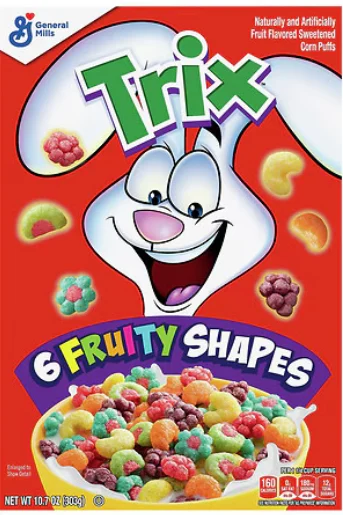
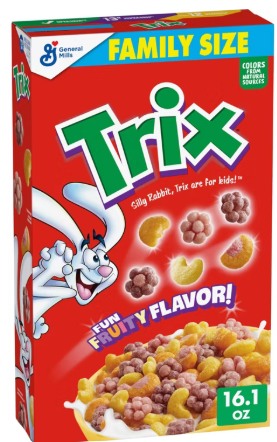
The most recent indicator of this shift is the subtle reformulation of Trix, one of the most recognizable cereals in the United States. While the cereal has long been criticized by health advocates for its high sugar content and reliance on petroleum-derived dyes, a new version has quietly entered the market. This iteration replaces the traditional chemical dyes—specifically Red 40, Yellow 6, and Blue 1—with pigments derived from vegetables and fruits, such as annatto and turmeric extracts.
The transition, however, has been marked by an industry reticence that is characteristic of "clean label" marketing. There are no splashy front-of-package advertisements heralding the removal of these controversial dyes. Instead, consumers must look closely at the upper right corner of the packaging to find a modest green label reading "colors from natural sources." This understated branding suggests that manufacturers are wary of alienating consumers who associate the original, neon-bright aesthetics with the "classic" taste profile of the product.
Chronology: From Chemical Reliance to Consumer Scrutiny
The trajectory of artificial food dyes in the United States is a decades-long narrative of convenience, cost-efficiency, and consumer pushback.
- The Mid-20th Century Boom: As food processing technology advanced, manufacturers embraced synthetic dyes for their shelf stability, vibrant consistency, and low cost. By the 1970s, "fun" cereals dominated the market, utilizing synthetic colors to appeal to children’s visual sensibilities.
- The Early 2000s: Scientific studies began to suggest potential links between synthetic dyes and behavioral issues in children, particularly hyperactivity. While the FDA remained largely unconvinced, European regulators began requiring warning labels on products containing these dyes, sparking a global divide in food safety standards.
- 2015–2020: Major cereal manufacturers began a slow, inconsistent phase-out of artificial dyes in response to growing consumer pressure for "cleaner" ingredient lists.
- 2024–2026: The emergence of the MAHA movement has accelerated these efforts. With increased visibility regarding metabolic health and the impact of ultra-processed foods, public discourse has shifted from mere "avoidance" to active pressure on corporations to reformulate.
- June 2026: The discovery of the newly reformulated Trix confirms that the industry is actively moving toward plant-based alternatives, albeit in a manner that attempts to avoid disrupting the brand’s visual identity.
Supporting Data: Comparing the Ingredients
The fundamental difference between the two versions of the cereal lies in the transition from synthetic chemical synthesis to botanical extraction.
Trix (Original Version):
- Primary Ingredients: Whole Grain Corn, Sugar, Rice Flour, Corn Syrup, Canola/Sunflower Oil, Salt, Trisodium Phosphate, Natural/Artificial Flavor, Citric Acid, Malic Acid, Rosemary Extract, Vitamins/Minerals.
- Coloring Agents: Red 40, Yellow 6, Blue 1.
Trix (New "Natural Sources" Version):
- Primary Ingredients: Whole Grain Corn, Sugar, Corn Meal, Corn Syrup, Maltodextrin, Rice Flour, Canola/Sunflower Oil, Salt, Trisodium Phosphate, Citric Acid, Malic Acid, Rosemary Extract, Vitamins/Minerals.
- Coloring Agents: Vegetable and Fruit Juice, Annatto Extract, Turmeric Extract.
While the removal of artificial dyes is a significant win for consumer safety, it does not fundamentally alter the nutritional profile of the product. The core ingredients—specifically the reliance on corn, sugar, and maltodextrin—remain largely unchanged. As nutritionists point out, swapping a synthetic dye for a vegetable-based one does not transform a high-sugar, ultra-processed cereal into a "health food."
Official Responses and Industry Stance
The cereal industry has largely adopted a defensive but accommodating posture regarding these changes. When queried about the quiet rollout of natural-color cereals, spokespeople for major manufacturers often cite "evolving consumer preferences" and "alignment with modern food trends."
However, the lack of marketing fanfare is telling. Industry analysts suggest that the quiet transition is a risk-mitigation strategy. By not drawing attention to the change, companies avoid a potential backlash from customers who might perceive a shift in taste or texture. Moreover, there is an inherent challenge in the supply chain: natural colors are often more expensive and less stable than their synthetic counterparts, leading to concerns about inventory turnover and shelf-life consistency.
Health advocates and organizations within the MAHA movement have taken a mixed view. While they applaud the removal of dyes—which many view as unnecessary chemicals that serve no nutritional purpose—they remain critical of the industry’s continued reliance on marketing ultra-processed sugar-delivery systems to children. Their message remains clear: removing the chemicals is a step toward safety, but it is not a solution to the broader crisis of nutritional quality in the American diet.
Implications: A Broader Shift in the Food System
The implications of this transition extend far beyond the cereal aisle. The movement toward natural colors is a microcosm of a larger power shift between consumers and food conglomerates.
1. The Power of "Clean Label" Trends
The move to replace synthetic dyes with plant-based pigments is a testament to the power of the "clean label" movement. When consumers demonstrate a willingness to pay for, or preferentially choose, products without synthetic additives, market dynamics force a change. This suggests that public health advocacy, when coupled with consumer purchasing power, can achieve what regulation often fails to do.
2. The Illusion of Health
One of the most dangerous side effects of this trend is the potential for the "health halo." By replacing artificial dyes, a product may appear healthier, cleaner, or more "natural" to the average shopper. This marketing tactic can lead to increased consumption of foods that remain fundamentally detrimental to metabolic health. Consumers may feel justified in choosing the "natural" version of a sugary cereal, even though the caloric density and glycemic impact remain identical to the original version.
3. Supply Chain and Agricultural Impacts
The mass adoption of vegetable-based dyes (like turmeric and annatto) creates new demands on global agricultural supply chains. Unlike the synthetic dyes manufactured in chemical plants, these ingredients rely on crops that are subject to climate variability, harvest yields, and international trade fluctuations. This transition may eventually force a more sustainable approach to food production, but it also creates price volatility for manufacturers.
4. The Regulatory Lag
The fact that these changes are occurring voluntarily at the corporate level highlights the lag in federal oversight. The FDA’s current position on many synthetic dyes remains permissive compared to international standards. As companies pivot to natural alternatives to maintain their competitive edge, they are effectively self-regulating in a vacuum, creating a fragmented landscape where "safer" options exist only for those who know how to read the fine print of an ingredient label.
Conclusion: The Long Road to Reform
The silent disappearance of artificial colors from the breakfast bowl is a significant development in the history of American food processing. It marks a transition point where the industry acknowledges that the aesthetic "perfection" of the 20th century is no longer compatible with the consumer values of the 21st.
However, as Sugar Coated effectively argues, the removal of Red 40 or Yellow 6 should not be mistaken for a holistic improvement in nutrition. The real battle, for those interested in public health, is not merely about the color of the cereal, but the sugar and the processing that underpins the entire product.
As we look toward the future, the shift away from synthetic dyes is likely to continue, pushed by a combination of grassroots activism and market-driven "clean label" competition. Yet, for the American consumer, the lesson remains the same: the most important information is not found in the vibrant colors of the packaging, but in the small, often obscured, list of ingredients on the back. True health, it seems, is still rarely found in a box of cereal.