
From the viral corridors of TikTok to the bestseller lists of health-focused diet books, vegetable oils—often colloquially rebranded as "seed oils"—have become the center of a heated nutrition controversy. Depending on which influencer you follow, these oils are either an essential component of a heart-healthy diet or a "toxic sludge" responsible for the modern epidemic of chronic disease.
But is there substance behind the vitriol? As with most complex topics in nutritional science, the reality is far more nuanced than a thirty-second social media clip would have you believe. To understand whether your cooking oil is helping or hurting you, we must peel back the layers of marketing, history, and biochemistry.
The Origins of the Anti-Seed Oil Movement
The current "war on seed oils" is largely fueled by the rise of the carnivore diet and ancestral-health movements. Proponents of these lifestyles argue that human evolution did not prepare us for the industrial extraction of oils from seeds like soy, corn, canola, and sunflower.
The narrative is compelling: Animal fats have been a staple of the human diet for thousands of years, whereas vegetable oils are a 20th-century invention, born from industrial profit motives rather than nutritional necessity. Critics argue that these oils were marketed as "heart-healthy" substitutes for butter (most notably in the form of margarine) only to be exposed as contributors to obesity, anxiety, depression, and inflammatory bowel diseases like ulcerative colitis.
Conversely, mainstream nutritional organizations and cardiovascular health experts maintain that vegetable oils are not only harmless but, when used as a replacement for saturated fats, can be actively health-promoting.
Defining the "Vegetable Oil" Landscape
To discuss this topic accurately, we must define what we are talking about. "Seed oils" generally refer to oils extracted from the seeds of plants. Common examples found in your local grocery aisle include:
- Soybean oil
- Corn oil
- Canola (rapeseed) oil
- Cottonseed oil
- Sunflower oil
- Safflower oil
- Grapeseed oil
It is important to distinguish these from oils derived from the fruit of a plant, such as olive, avocado, palm, or coconut oil. These are generally processed differently and hold a distinct nutritional profile, often earning them a "healthier" reputation among both nutritionists and the public.
The Chemistry of Processing: Why It Matters
The core of the "toxic" argument lies in how these oils are manufactured. Unlike olive oil—which can be produced by simply pressing the fruit—seeds contain very little fat. For instance, a cup of green olives is naturally rich in oil, whereas a cup of corn or soybeans is mostly starch and fiber with minimal fat content.

Because of this, manufacturers must employ an intense multi-step extraction process:
- Cleaning and dehulling: Removing debris and outer layers.
- Grinding/Flaking: Increasing surface area to prepare for extraction.
- Solvent Extraction: Using chemicals like hexane to chemically leach the oil out of the meal.
- Refining, Bleaching, and Deodorizing: Using high heat and chemicals to make the oil shelf-stable and neutral in flavor.
During this process, the oil is stripped of its naturally occurring antioxidants, polyphenols, and stabilizing nutrients. Crucially, high-heat processing can transform small amounts of unsaturated fats into trans fatty acids. While the FDA banned artificial trans fats in 2018, the process of industrial refining still leaves these oils vulnerable to oxidation, which is a major point of contention for health experts.
Head-to-Head: Extra Virgin Olive Oil vs. Canola
To navigate the confusion, we must look at the specific contenders in your kitchen.
The Case for Extra Virgin Olive Oil (EVOO)
EVOO is the gold standard of culinary fats. Because it is produced through mechanical pressing without heat or chemicals, it retains the olive fruit’s polyphenols—plant-based substances that combat inflammation and cellular damage.
The data is robust. A landmark study of 22,892 adults in Southern Italy found that those consuming more than two tablespoons of olive oil daily were 20 percent less likely to die over a 13-year period compared to those consuming less than one tablespoon. Furthermore, regular consumption is consistently linked to lower LDL cholesterol and reduced risks of stroke and cardiovascular disease.
The Case for Expeller-Pressed Canola
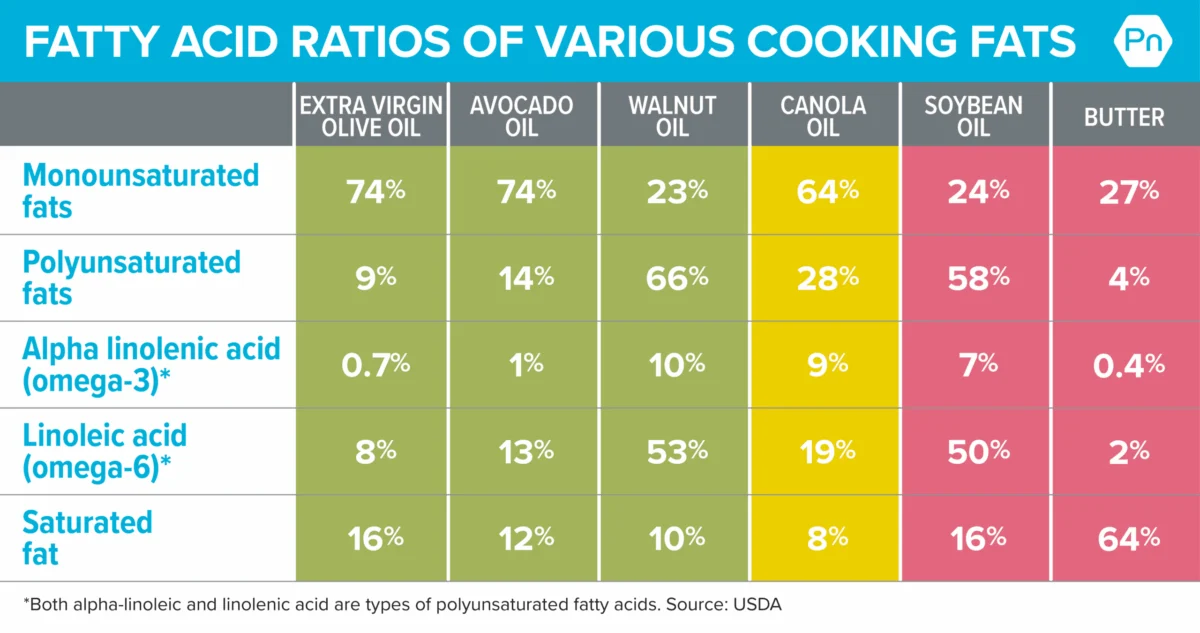
Canola oil is often the budget-friendly underdog. While it lacks the storied history of olive oil, it is a significant source of monounsaturated fats and contains alpha-linolenic acid, a plant-based omega-3 fatty acid. It also contains phytosterols, which help manage blood cholesterol. While not a "superfood," expeller-pressed canola is a neutral, stable, and cost-effective fat that serves as a reasonable culinary option for those on a budget.
The "Omega-6" Inflammation Myth
One of the most persistent arguments against seed oils is their high concentration of omega-6 fatty acids. The theory suggests that because the modern diet contains 16 to 20 times more omega-6 than omega-3, we are in a state of chronic, systemic inflammation.
However, current scientific consensus is shifting. A 2019 study published in Circulation—the journal of the American Heart Association—found that higher consumption of omega-6 fats was actually associated with a reduced risk of heart disease and early death. The nuance lies in the "food matrix." Nuts and seeds, which are high in omega-6, come packaged with fiber, protein, and minerals. In contrast, highly processed oils are isolated from these protective nutrients, making them more prone to oxidation.

The Butter vs. Vegetable Oil Showdown
Perhaps the most contentious debate is whether butter is better than refined vegetable oils.
Butter proponents correctly point out that saturated fats were unfairly vilified in the late 20th century. However, clinical evidence remains clear: replacing saturated fats with unsaturated fats (like those found in oils) reduces heart disease risk. Butter lacks the protective "milk fat globule membrane" found in whole dairy, which is why butter is more likely to spike cholesterol levels than yogurt or cream.
Conversely, refined vegetable oils are prone to oxidation and are almost exclusively found in ultra-processed foods. For the average person, the "danger" of seed oils isn’t the oil itself, but the context in which it is consumed: inside ultra-processed cookies, chips, and fast food.
Practical Recommendations for the Modern Kitchen
If you are looking to optimize your diet, follow these evidence-based principles:
- Prioritize Whole Foods: Get your fats from olives, avocados, nuts, and seeds. These sources come with a "package deal" of vitamins, fiber, and antioxidants that you cannot get from a bottle of oil.
- Choose Quality Over Quantity: If you have the budget, Extra Virgin Olive Oil should be your primary cooking fat. It is the most stable at high temperatures and the most researched for longevity.
- The 80/20 Rule: Don’t obsess over avoiding every drop of refined oil. Instead, focus on reducing your intake of ultra-processed foods, which are the primary vehicles for industrial, oxidized, and low-quality oils.
- Avoid Deep-Fried Foods: Regardless of the oil used, deep-frying at high heat for extended periods degrades any fat and introduces harmful compounds. Keep fried foods as an occasional treat, not a dietary staple.
Conclusion
Are seed oils "toxic"? The label is likely an exaggeration that distracts from the bigger picture. The most significant health threat in the modern diet is not the moderate use of canola oil in a home-cooked meal; it is the reliance on ultra-processed, calorie-dense foods that contain cheap, refined fats as a secondary ingredient.
By shifting your focus away from "fear-based" nutrition and toward whole, minimally processed ingredients, you can make informed choices that support both your long-term health and your culinary enjoyment. Your health is not defined by a single oil, but by the cumulative effect of your overall dietary pattern.